

Why Dog Nutrition Matters More Than You Think
Let’s cut straight to the chase — what your dog eats every single day is the single most powerful factor determining how long they live, how good they feel, and how vibrant and energetic they remain into their senior years. We’re not exaggerating here. Think about it this way: you wouldn’t fuel a high-performance engine with low-grade gasoline and expect it to run smoothly for 15 years. Your dog’s body works the same way. Every meal is either building their health or quietly eroding it, one bowl at a time. The choices you make at the pet food aisle — or in your own kitchen — carry real, measurable consequences for your dog’s quality of life. If you’d like to cook for your dog at home, our homemade dog food guide shows you how to do it safely and nutritiously.
The relationship between diet and canine health has never been more clearly understood than it is right now in 2026. “Better nutrition has had a big impact on the health and lifespan of our pets,” says Dr. Rebecca MacMillan (BVetMed, BSAVA, PGCertSAM, MRCVS). “The shift from giving our pets leftovers and table scraps to feeding them appropriate diets has made a big difference.” What’s particularly exciting for modern dog owners is that the science of canine nutrition continues to evolve rapidly, giving us a clearer picture than ever of which specific foods deliver the greatest health benefits — and which ones quietly sabotage your dog’s wellbeing. Many dog owners believe all commercial dog foods deliver similar health outcomes, but this misconception overlooks the profound impact nutrition has on canine vitality and longevity.
So what does optimal healthy dog food actually look like? How do you build a vet-approved dog diet that covers all your dog’s nutritional bases without turning mealtimes into a chemistry experiment? That’s exactly what this guide is here to answer — with 15 specific, vet-approved foods that you can confidently incorporate into your dog’s meals and feel genuinely great about.

Understanding Canine Nutritional Needs
Before we dive into the food list, it’s worth taking a few minutes to understand the nutritional framework your dog’s diet needs to operate within. Dogs are omnivores — a fact that surprises many people who assume they’re purely carnivores, which means they can digest and derive nutrition from both animal and plant-based foods. However, this doesn’t mean all foods are created equal for dogs. The proportions matter enormously, and the specific nutrients your dog needs differ meaningfully from what a human body requires. Getting this foundation right is what separates a good diet from a great one.
The Role of Protein in Your Dog’s Diet
Protein is the undisputed king of dog nutrition, and it deserves to be treated as such. Protein stands as the most critical macronutrient for maintaining canine vitality. Dogs require protein not just for muscle development but for enzyme production, hormone synthesis, and immune system function. High-quality proteins from whole meat sources provide complete amino acid profiles that support cellular repair and energy metabolism. Think of protein as your dog’s primary building material — it constructs and repairs muscle tissue, produces the enzymes that drive digestion, synthesizes the hormones that regulate body functions, and fortifies the immune cells that fight off disease. Premium, vet-approved diets using human-grade ingredients can dramatically enhance your dog’s energy levels, immune function, and overall quality of life. When evaluating any food for your dog, quality protein should always be the first thing you look for and the last thing you compromise on.
Fats, Carbohydrates, and Micronutrients
Healthy fats — particularly omega-3 and omega-6 fatty acids — are the secret weapons of dog nutrition that don’t always get the attention they deserve. They’re responsible for that gorgeous shiny coat you want your dog to have, but they also play critical roles in brain health, joint lubrication, and inflammatory regulation throughout the body. These essential fats also influence brain health, potentially slowing cognitive decline in senior dogs. Carbohydrates provide energy and fiber, supporting healthy digestion and stable blood sugar levels. Micronutrients — the vitamins and minerals that work behind the scenes — are equally indispensable. Mineral balance matters tremendously for vitality. Calcium and phosphorus support bone density, zinc promotes immune function and wound healing, and iron enables oxygen transport throughout the body. A truly balanced diet weaves all of these elements together in the right proportions for your specific dog’s age, size, and health status.
The Top 15 Healthy Foods for Dogs
1. Chicken — The Lean Protein Powerhouse
If there’s one healthy dog food ingredient that sits at the very top of virtually every veterinarian’s recommended list, it’s plain, cooked chicken. It’s universally beloved by dogs, widely available, budget-friendly, and delivers an exceptional nutritional profile that’s hard to beat. Chicken is a surefire winner for most dogs; it’s high in protein, low in fat, and tasty. Chicken provides all the essential amino acids your dog needs for muscle maintenance and repair, making it particularly valuable for active dogs, growing puppies, and senior dogs trying to preserve muscle mass as they age. The key preparation rules are simple but non-negotiable: always cook the chicken thoroughly, remove all bones before serving — chicken bones splinter and can cause serious gastrointestinal injury — and absolutely skip the seasoning. No garlic, no onion powder, no salt. Plain, cooked chicken breast or thigh meat is the goal. You can serve it shredded over your dog’s regular kibble as a high-protein topper, mix it into homemade dog food recipes, or offer it as a high-value training reward.
2. Salmon — Omega-3 Gold for Coat and Brain Health
If chicken is the reliable everyday staple of healthy dog food, salmon is the premium upgrade that delivers benefits you can actually see and feel in your dog’s health. Rich in omega-3 fatty acids — specifically EPA and DHA — salmon is one of the most powerful anti-inflammatory foods you can offer your dog, with benefits that ripple across virtually every system in their body. Salmon, sardines, and white fish are all good options for dogs. They’re high in good fats and a healthy protein alternative to meats like poultry or beef. The omega-3s in salmon are particularly celebrated for their impact on coat condition — dogs fed regular salmon develop noticeably shinier, softer coats with less shedding and fewer skin issues. Beyond the cosmetic benefits, omega-3 fatty acids support cardiovascular health, reduce joint inflammation (making salmon especially valuable for dogs with arthritis), and may slow cognitive decline in aging dogs. Always serve salmon fully cooked and never raw — raw salmon can harbor a parasitic fluke that causes salmon poisoning disease, a potentially fatal condition in dogs. Remove all bones before serving, and as always, keep it completely unseasoned.
3. Eggs — Nature’s Multivitamin
Eggs are one of those remarkable foods that punch dramatically above their weight class in terms of nutritional density, and they deserve a permanent place in any dog’s diet as a regular supplement or treat. Eggs are an excellent source of nutrients for pups: Vitamins A, B, D, and K, selenium, calcium, zinc, and, of course, a whole bunch of protein. One nice thing about eggs is how versatile they are; you can scramble them, hard-boil them, bake them, or poach them. The protein in eggs is considered to have exceptional bioavailability — meaning your dog’s body can actually absorb and use it more efficiently than protein from many other sources. Cooked eggs are packed with high-quality protein that helps maintain strong muscles, healthy skin, and a shiny coat. Eggs also provide important vitamins and minerals that support immune function, bone health, and cell regeneration. Unlike raw eggs, cooked eggs are safe for consumption, easy for pets to digest, and allow for better absorption of nutrients, making them an ideal option for pups with sensitive stomachs or those recovering from illness. One egg per day is a commonly cited guideline for most medium-sized dogs, but always check with your vet if your dog has specific health conditions like pancreatitis or diabetes, where egg consumption may need to be adjusted.
4. Blueberries — The Antioxidant Superfruit
Blueberries have earned their status as a canine superfood fair and square, and the science backs up the hype. These tiny purple powerhouses are loaded with antioxidants — specifically flavonoids and polyphenols — that neutralize the free radicals responsible for cellular aging, DNA damage, and the development of chronic disease. The healthiest, safest human foods for dogs include fruits such as blueberries, apples, and bananas. For senior dogs especially, the antioxidant content of blueberries may help slow cognitive aging, supporting better memory and mental clarity into their later years. Blueberries are also an excellent source of vitamins C and K, fiber, and manganese — all micronutrients that contribute to immune function, bone health, and energy metabolism. From a practical standpoint, they’re one of the easiest healthy foods to incorporate into your dog’s diet: frozen blueberries make brilliant training treats on warm days, fresh ones can be scattered over kibble as a tasty topper, or they can be mixed into homemade dog treat recipes. Their small size makes them a perfectly portioned snack that won’t contribute meaningfully to your dog’s daily caloric load.
5. Carrots — The Crunchy Dental Champion
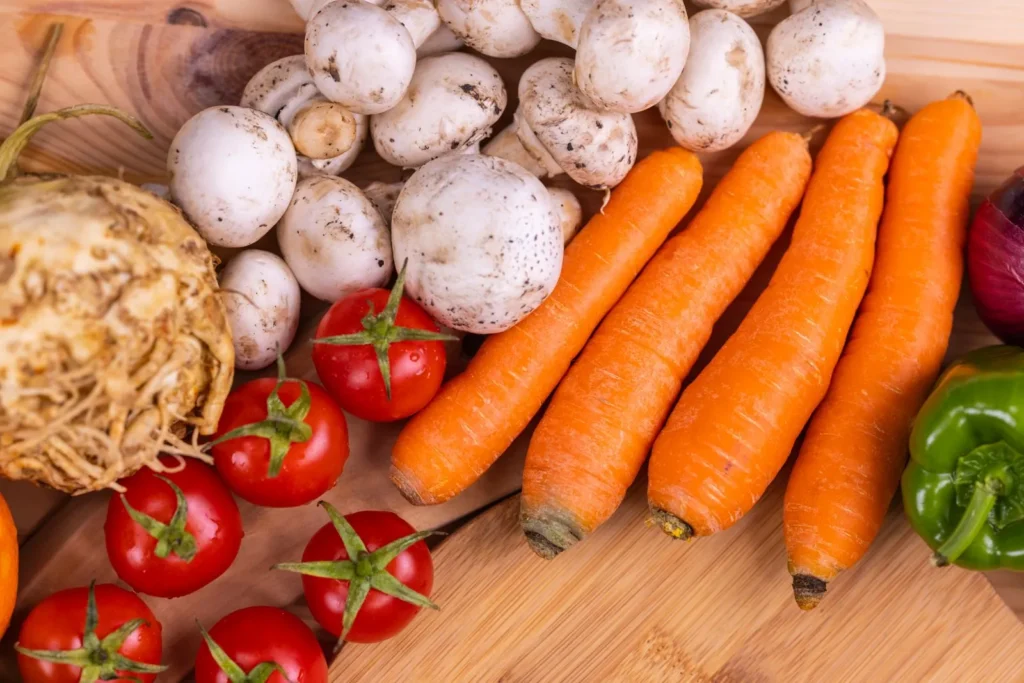
Carrots occupy a unique position on this list because they deliver not just nutritional value but also a functional benefit that’s harder to find in most other foods: natural dental abrasion. The firm, crunchy texture of raw carrots acts like a natural toothbrush, helping to scrape plaque and tartar from your dog’s teeth as they chew. This mechanical cleaning action won’t replace professional veterinary dental cleanings, but it’s a meaningful supplement to your dog’s oral hygiene routine, particularly for dogs that resist tooth brushing. Nutritionally, carrots are an outstanding source of beta-carotene — the plant-based precursor to Vitamin A — which supports eye health, immune function, and skin integrity. Dogs can safely enjoy vegetables such as carrots, peas, and green beans. Carrots are also genuinely low in calories, making them one of the best weight-management treats available. A large raw carrot is filling, satisfying, and takes dogs a while to work through, which means they feel like they’ve received a substantial reward without you actually loading them up with unnecessary calories. You can serve carrots raw for maximum dental benefit, lightly steamed for easier digestion, or even frozen as a soothing teething treat for puppies.
6. Pumpkin — The Digestive Superhero
Pumpkin might be the most underrated item on this entire list, and if you’re not already using it regularly for your dog, you’re genuinely missing out on one of nature’s best canine digestive remedies. Some veterinarians consider pumpkin a canine superfood because it is filled with fiber and micronutrients that can help correct and prevent digestive problems. Canned or home-cooked plain puréed pumpkin helps to naturally soothe the stomach and remove excess water that is inhibiting the digestive system. Pumpkin can be offered up as bite-sized treats or mixed into meals as a supplement. What makes pumpkin so remarkably useful is its dual-action fiber profile: it contains both soluble fiber (which absorbs excess water and firms up loose stools) and insoluble fiber (which adds bulk and keeps bowel movements regular). This means pumpkin can help with both diarrhea and constipation — a rare and genuinely impressive nutritional trick. Always use plain canned pumpkin rather than pumpkin pie filling, which contains added sugars, spices, and potentially xylitol — all of which are harmful to dogs. A tablespoon or two stirred into your dog’s regular meal is all you need to see meaningful digestive benefits.
7. Sweet Potatoes — The Fiber-Rich Energy Source
Sweet potatoes are one of the most nutritionally dense plant-based foods you can offer your dog, packing an impressive concentration of vitamins, minerals, and fiber into every serving. They’re rich in beta-carotene (Vitamin A), Vitamin C, Vitamin B6, potassium, and manganese — a lineup of nutrients that supports everything from immune function to nerve health to energy metabolism. Dogs can have sweet potatoes safely. They’re a good source of vitamins, carbohydrates, and fiber. Boil, mash, or bake them — but skip the seasonings and toppings you might put on your own. The complex carbohydrates in sweet potatoes provide a slow, steady release of energy that sustains your dog through the day without the blood sugar spikes and crashes associated with simple sugars. Sweet potatoes are high in fiber and can be a great addition to your dog’s diet. The high fiber content also feeds beneficial gut bacteria, supporting a healthy microbiome that influences everything from digestion to immune resilience. Remove the skin before serving, as it can be difficult for some dogs to digest, and always serve plain without butter, salt, or any other seasonings.
8. Oatmeal — The Gentle Grain for Sensitive Stomachs
Oatmeal is one of those wonderfully versatile foods that earns its place on this list for being genuinely kind to the digestive system — an attribute that’s particularly valuable for dogs with sensitive stomachs, food intolerances, or the kind of unpredictable GI systems that keep their owners perpetually anxious. Plain oatmeal provides fiber that may benefit dogs of all ages, particularly older dogs. Cook it with water — not milk — and leave out any sugar, sweeteners, or flavourings. Oatmeal contains beta-glucan, a type of soluble fiber that’s been shown to support digestive regularity, reduce cholesterol levels, and promote a feeling of fullness — making it a valuable ally in weight management for overweight dogs. When fully cooked, oatmeal can be a healthy carbohydrate addition to your dog’s diet. This whole grain provides a boost of fiber to help ensure regularity when it comes to bowel movements. It also contains important B vitamins, iron, and zinc that contribute to energy metabolism and immune health. The golden rules for serving oatmeal to your dog: cook it plain in water, never add milk (dogs are lactose intolerant), skip the sugar and sweeteners entirely, and serve in modest portions — a few tablespoons mixed into regular food is plenty for most dogs.
9. Brown Rice — Digestible Carbohydrate for Active Dogs
Brown rice has been a cornerstone of dog nutrition for decades, and its reputation is thoroughly earned. When a dog is recovering from digestive upset, the classic veterinary recommendation of plain chicken and white rice is prescribed because it’s extraordinarily easy on the gut. Brown rice takes that foundational digestibility and adds a more robust nutritional profile that makes it a worthwhile everyday addition to your dog’s diet. Brown rice is full of healthy minerals like magnesium, B vitamins, and fiber; this can make it a healthier alternative to white rice. The fiber content of brown rice feeds beneficial bacteria in your dog’s gut microbiome, supporting the digestive ecosystem that plays a surprisingly large role in overall immune function and inflammation regulation. For active dogs, the complex carbohydrates in brown rice provide sustained energy release that fuels longer walks, training sessions, and playtime without the energy crash. Always serve brown rice plain and cooked — never raw — and ensure it’s completely cooled before adding it to your dog’s bowl, as steaming hot rice can cause mouth burns.
10. Green Beans — Low-Calorie Nutrient Powerhouse
Green beans might just be the perfect diet food for dogs that need to manage their weight without feeling deprived or unsatisfied. They’re remarkably low in calories, high in fiber, and filling enough that they can genuinely replace a portion of your dog’s regular food to reduce daily caloric intake — a technique sometimes called the “green bean diet” that many veterinarians recommend for moderately overweight dogs. Dogs can safely enjoy vegetables such as green beans. Beyond their weight management credentials, green beans are a solid source of vitamins C and K, manganese, and dietary fiber, making them a nutritional contributor rather than just an empty low-calorie filler. They’re crunchy when raw, which many dogs enjoy, and can be served steamed or frozen as well. The critical rule with green beans is to serve them plain — avoid canned green beans with added sodium, and never use seasonings, garlic, or onion in preparation. Green beans make an excellent snack between meals for dogs on weight management protocols, helping them feel satisfied without derailing their caloric goals.
11. Peas — A Protein and Vitamin-Packed Snack
Peas are a surprisingly protein-rich vegetable that brings a remarkably complete nutritional package to your dog’s diet — a fact that has made them a popular ingredient in premium dog food formulations and a valuable whole-food addition to homemade meals. Peas are a nutrient-rich snack for dogs, and they can be eaten fresh or frozen. Peas contain vitamins A, B, and K, iron, potassium, and antioxidants; they’re also a great source of fiber and protein. The combination of plant-based protein and dietary fiber makes peas particularly valuable for dogs that need additional protein support without adding more meat to their diet. Fresh or frozen peas are ideal — avoid canned peas, which typically contain significant amounts of added sodium that can stress your dog’s kidneys over time. Shell them before serving to minimize any risk of digestive discomfort from the tough outer pod. Peas can be served as standalone treats, scattered over kibble as a nutritious topper, or incorporated into homemade dog food recipes as a plant-based protein and micronutrient boost.
12. Apples — Vitamin-Rich and Refreshingly Crunchy
An apple a day might not keep the vet away entirely, but there’s legitimate nutritional merit behind incorporating this classic fruit into your dog’s treat rotation. Apples are an excellent source of vitamins A and C — both important antioxidant vitamins that support immune function and skin health — as well as dietary fiber that aids digestive regularity. Apples contain vitamins A and C, which your canine companion can benefit from. The firm, crunchy texture of raw apple slices also provides some of that same mechanical cleaning action that makes carrots so beneficial for dental health. There are, however, two absolutely non-negotiable preparation rules for serving apples to dogs: remove all seeds before serving, as apple seeds contain small amounts of cyanogenic compounds that accumulate to toxic levels with regular consumption, and always remove the core, which is a choking hazard and difficult to digest. Slice the apple flesh into appropriately sized pieces, serve plain without any sweeteners or dips, and limit servings to a few slices at a time, given the natural sugar content.
13. Lean Beef — Iron-Rich Muscle Builder
Lean beef is an iron-rich, high-protein food that provides a distinctly different amino acid profile compared to chicken — making it a valuable addition to your dog’s nutritional rotation for variety as much as for specific health benefits. The iron in beef is heme iron, the most bioavailable form, which plays a critical role in oxygen transport throughout the body via hemoglobin in red blood cells. Lean cuts of cooked beef are incredibly nutritious. No bones, no seasoning, and well-cooked; even if you wouldn’t eat a steak well-done, it’s probably better for your dog’s digestive system to cook your beef all the way through. Beef is particularly valuable for working dogs, highly active breeds, and dogs recovering from illness or surgery who need concentrated protein to support tissue repair. Choose lean cuts — ground beef (drained of fat), sirloin, or round — over fatty cuts like ribeye, which can contribute to pancreatitis in susceptible dogs. Always cook beef thoroughly, remove any bones, serve it completely plain, and allow it to cool before adding it to your dog’s meal. Rotating between chicken, beef, and fish helps ensure your dog receives a broader spectrum of amino acids and micronutrients than any single protein source can provide alone.
14. Cottage Cheese — Probiotic Protein for Gut Health
Cottage cheese is a fascinating addition to this list because it offers something that most of the other foods here don’t: a meaningful source of beneficial bacteria for gut health, alongside an easily digestible form of dairy protein that most dogs can tolerate well. Cottage cheese provides protein in an easily digestible form. Low-fat varieties are generally preferable. It can also be useful for encouraging a picky eater. The live active cultures present in cottage cheese act as probiotics, contributing to a healthy gut microbiome that supports digestion, immune function, and even mood regulation through the gut-brain axis. This makes cottage cheese particularly valuable for dogs recovering from antibiotic treatment — which kills beneficial gut bacteria alongside harmful ones — or for dogs with chronically sensitive stomachs. The protein in cottage cheese is easily broken down and absorbed, making it an excellent option for dogs with digestive sensitivities that struggle with higher-fat protein sources. Always choose low-fat, plain cottage cheese with no added salt, fruit, or flavorings, and serve it in modest portions — a tablespoon or two mixed into regular food is an excellent starting point.
15. Turkey — The Hypoallergenic Protein Alternative
Turkey rounds out this list as the unsung hero of healthy dog food ingredients — particularly for dogs that have developed sensitivities or allergies to the more common protein sources like chicken or beef. Turkey is a great alternative for pups who don’t like chicken; chicken is also a common allergy for dogs. Turkey is a lean, complete protein that delivers all essential amino acids, along with meaningful amounts of B vitamins — particularly niacin and B6, phosphorus, and selenium. Its relatively novel status as a protein source means it’s frequently recommended by veterinarians as part of elimination diets for dogs suspected of having food allergies, since a dog’s immune system is unlikely to have developed a reaction to a protein it hasn’t been exposed to repeatedly. Turkey is recommended as an alternative to other meats. Always serve turkey fully cooked, boneless, and completely unseasoned — the flavoring compounds used in holiday turkey preparations (garlic powder, onion, stuffing seasonings) are genuinely toxic to dogs. Plain turkey breast meat is the gold standard. Like chicken, it can be shredded and served as a food topper, mixed into homemade meals, or offered as a high-value training reward.
Foods You Should Never Feed Your Dog
Just as important as knowing what to feed your dog is understanding which foods to keep firmly out of their reach. Some of the most dangerous foods for dogs are ones that sit in virtually every household pantry and refrigerator, which makes the knowledge all the more critical. Some foods that dogs should not eat include onions, garlic, chocolate, grapes, and raisins. Grapes and raisins can cause sudden kidney failure even in small quantities, and the mechanism isn’t fully understood — meaning there’s no established “safe” amount. Garlic and onions destroy red blood cells, causing anemia that may not manifest symptomatically until days after ingestion. Chocolate contains theobromine, a compound that dogs metabolize far more slowly than humans, allowing it to accumulate to toxic levels that cause seizures, heart arrhythmias, and death. Avocado contains toxins that are harmful to reptiles — and similarly, avocado contains persin, which can cause vomiting, diarrhea, and breathing difficulty in dogs. Xylitol — the artificial sweetener found in sugar-free gum, peanut butter, and many baked goods — causes life-threatening drops in blood sugar and liver failure in dogs. Know this list cold, keep these foods completely inaccessible to your dog, and if accidental ingestion occurs, contact your veterinarian immediately.
Quick Nutritional Reference: Top 15 Foods at a Glance
| Food | Key Nutrients | Primary Benefit | Serving Suggestion |
|---|---|---|---|
| Chicken | Protein, B vitamins | Muscle maintenance | Cooked, boneless, plain |
| Salmon | Omega-3, protein | Coat & brain health | Fully cooked, no bones |
| Eggs | Protein, Vitamins A/B/D/K | Complete nutrition | Cooked, no seasoning |
| Blueberries | Antioxidants, Vitamin C | Immune & cognitive support | Fresh or frozen, small amounts |
| Carrots | Beta-carotene, fiber | Dental health, eye support | Raw or lightly steamed |
| Pumpkin | Soluble/insoluble fiber | Digestive regulation | Plain canned, 1–2 tbsp |
| Sweet Potatoes | Vitamin A/C, complex carbs | Energy, skin health | Cooked plain, no skin |
| Oatmeal | B vitamins, beta-glucan | Sensitive stomach support | Cooked in water, plain |
| Brown Rice | Magnesium, B vitamins | Digestive health, energy | Cooked plain, cooled |
| Green Beans | Vitamins C/K, fiber | Weight management | Raw, steamed, or frozen |
| Peas | Protein, Vitamins A/B/K | Multi-nutrient snack | Fresh or frozen, shelled |
| Apples | Vitamins A/C, fiber | Immune support, dental | Sliced, seeds removed |
| Lean Beef | Iron, protein, zinc | Muscle building, oxygen transport | Cooked, lean cuts, plain |
| Cottage Cheese | Protein, probiotics | Gut health, digestion | Low-fat, plain, small amounts |
| Turkey | Protein, selenium, B vitamins | Hypoallergenic protein | Cooked, boneless, unseasoned |
The 10% Rule: How Much Human Food Is Too Much?
Here’s a practical guideline that every dog owner needs to have firmly in their mind: the 10% rule. This is the veterinary community’s widely endorsed recommendation for how much of your dog’s daily caloric intake should come from foods outside their regular balanced diet — treats, toppers, human food additions, and training rewards all included. “The best way to make sure that dogs get the nutrition they need is to feed them a nutritionally complete, commercial pet food as the basis of their diet. Any other food should be given as a small treat or topping to their meals. Roughly a tablespoon of fruit or vegetables per day should be enough for a medium-sized dog,” says Dr. Shawna Garner, DVM, U.S. lead veterinarian at FirstVet.
The reason the 10% rule exists is nutritional balance. A quality commercial healthy dog food has been carefully formulated to provide the precise ratios of protein, fat, carbohydrates, vitamins, and minerals your dog needs. When you start adding large amounts of additional foods on top of that foundation, you risk creating imbalances — even with nutritious foods. Too much of a good thing can displace the balanced base diet, leading to deficiencies in nutrients that the supplementary foods don’t provide. “Avoid giving fruits, with their high natural sugar content, to a diabetic dog,” says Lisa Weeth, DVM, head of the nutrition department at Metropolitan Animal Specialty Hospital in Los Angeles. The specific 10% threshold may vary slightly based on your dog’s size, age, and individual health conditions, so always use it as a starting framework and refine it in consultation with your veterinarian.
Conclusion
Building a genuinely healthy dog nutrition plan doesn’t require a PhD in animal dietetics — it requires understanding a few core principles and applying them consistently. Prioritize high-quality protein from whole food sources like chicken, salmon, eggs, beef, and turkey. Add nutritional variety and functional benefits with carefully chosen plant-based foods like blueberries, pumpkin, carrots, and sweet potatoes. Keep portions of supplementary foods within the 10% guideline to protect the balance of your dog’s foundational diet. And never, ever compromise on the toxic foods list.
The 15 foods in this guide represent the current best thinking from veterinary nutrition experts — foods that are not only safe but actively beneficial, delivering specific, measurable health advantages for your dog. Your dog can’t advocate for their own nutritional needs, which means you’re the guardian of their health at every meal. Armed with this knowledge, every bowl you fill can be a genuine investment in your dog’s longevity, vitality, and quality of life. And honestly? Watching a well-nourished dog — coat gleaming, eyes bright, energy abundant — is one of the most rewarding things in the world.

Frequently Asked Questions (FAQs)
1. What is the single healthiest food I can add to my dog’s diet today? If you’re looking for one immediate upgrade, plain cooked chicken or salmon offers the highest nutritional return for most dogs. Salmon in particular delivers protein alongside omega-3 fatty acids that benefit coat health, joint function, brain health, and inflammation regulation simultaneously. It’s one food with multi-system benefits that virtually every dog can enjoy.
2. Can I feed my dog these healthy foods every day? Some foods — like lean proteins such as chicken or turkey — can be incorporated into daily feeding as part of a balanced diet. Others, like fruits and certain vegetables, are best served as occasional treats or modest daily additions within the 10% rule. The key is maintaining your dog’s complete and balanced commercial food as the dietary foundation while using these whole foods as nutritional supplements and treats.
3. Are raw versions of these foods safe for dogs? Raw preparations vary significantly in safety depending on the food. Raw carrots, blueberries, apples, peas, and green beans are generally safe. Raw chicken, beef, salmon, and eggs carry risks of bacterial contamination (Salmonella, E. coli) and, in the case of raw salmon specifically, a potentially fatal parasite. Always cook meat, fish, and eggs before serving them to your dog. Consult your veterinarian before starting any raw feeding protocol.
4. How do I know if my dog has a food allergy or intolerance? Common signs of food allergies or intolerances in dogs include chronic itching (particularly of the paws, ears, and belly), recurring ear infections, gastrointestinal upset such as vomiting or diarrhea, and skin redness or rashes. If you notice these symptoms, consult your veterinarian. A formal elimination diet trial — supervised by a vet — is the gold standard for identifying problematic food ingredients.
5. Should I consult a vet before changing my dog’s diet? Absolutely yes — especially if your dog has any existing health conditions, is on medication, is very young or very old, or if you’re planning significant dietary changes like switching to homemade food. Your veterinarian or a board-certified veterinary nutritionist can assess your dog’s individual nutritional needs based on their breed, age, weight, activity level, and health status, and recommend the specific vet-approved dog diet that will serve them best.





Leave a Comment