
Why Reptiles Make Surprisingly Wonderful Pets
Here’s a confession that surprises a lot of people: some of the most rewarding, fascinating, and genuinely low-stress pet relationships in the world don’t involve fur, wagging tails, or purring. They involve scales, heat lamps, and the quiet, deliberate movements of an animal that has been roaming this planet for over 300 million years. Reptiles are extraordinary pets — misunderstood by many, but deeply appreciated by the rapidly growing community of people who keep them. And in 2026, that community is bigger and more enthusiastic than ever before.
In 2007, reptiles were kept as pets in 2% of US households. As of 2020, that has more than doubled to 4.5% of US households. The reptile hobby continues growing, as Gen Zers are embracing these scaly creatures — reptile ownership rose from 18% to 29% among that demographic between 2018 and 2022. This isn’t a fleeting trend — it’s a genuine cultural shift driven by growing appreciation for the unique qualities that reptiles bring to the table. They’re naturally hypoallergenic, making them ideal for allergy sufferers who have always wanted a pet but can’t tolerate cat dander or dog hair. They’re quiet, never disturbing your neighbors or waking you up at 3am. They don’t need daily walks, constant attention, or the kind of relentless emotional maintenance that dogs require. And yet—and this surprises most non-reptile-owners completely — they have individual personalities, they recognize their keepers, and many species genuinely enjoy human interaction.
Reptiles can be very rewarding to keep, opening a door to educational opportunities and a connection to nature unlike any other. With proper care, a reptile can become a beloved member of the family, just like any traditional pet. The key phrase there is “with proper care” — because while reptiles are wonderful pets, they have specific, non-negotiable care requirements that differ meaningfully from the warm-blooded pets most people are accustomed to. Get those requirements right, and you’ll have a fascinating companion that can live for decades. Get them wrong, and even well-intentioned owners can inadvertently cause their reptile serious suffering. This guide exists to make sure you get them right—from day one.
Are You Ready for a Pet Reptile? Key Questions to Ask Yourself
Before you fall headlong in love with a baby bearded dragon at a reptile expo or spot a stunning ball python at your local pet store, take a deliberate step back and honestly evaluate your readiness for reptile ownership. This isn’t meant to discourage you—quite the opposite. Walking into reptile ownership fully prepared dramatically increases both your enjoyment and your pet’s health and longevity. The people who end up rehoming their reptiles aren’t bad pet owners—they simply underestimated the specific demands of cold-blooded animal care before making the commitment.
Understanding the Commitment
The single most important thing to internalize about reptile ownership is this: these animals can live for an extraordinarily long time. Tortoises are land-dwelling reptiles that can live for more than 50 years if properly cared for. Even the more modest species present a significant time commitment—leopard geckos regularly live 15–20 years, bearded dragons 10–15 years, corn snakes up to 20 years. You’re not adopting a pet for a few years; you’re potentially making a multi-decade commitment. Does your anticipated lifestyle over the next 10, 15, or 20 years accommodate a reptile? Future moves, relationship changes, career shifts, and life events all need to be factored into this decision.
Unlike other pets, many reptiles don’t require daily walks or constant attention. They are often content in their habitat and have straightforward care needs. Owning a reptile is not just fun; it’s a learning experience. That learning curve is real and ongoing — reptile care science evolves continuously, and good reptile owners stay informed about the latest best practices in husbandry, nutrition, and veterinary care. You’ll also need to find a reptile-experienced veterinarian in your area before you bring your pet home, not after a health crisis develops. Reptile vets are more specialized than general practice vets, and knowing where to turn before an emergency is a basic responsibility of reptile ownership.
The Cost Reality of Reptile Ownership
Reptiles are often marketed as budget-friendly, low-cost pets, and while it’s true that their ongoing food and maintenance costs are generally lower than dogs or cats, the initial setup investment can be surprisingly substantial. A proper enclosure with quality lighting, heating equipment, thermostats, thermometers, hygrometers, appropriate substrate, hides, water dishes, and décor can easily run $300–$600 or more before you’ve even purchased the animal. The enclosure for a bearded dragon — an adult needing a 4’x2’x2′ enclosure or 120 gallons — will be a significant investment upfront but can house your bearded dragon for their whole life around 15 years. Factor in the initial veterinary wellness exam, ongoing feeder insects or rodents, calcium and vitamin supplements, electricity for heat and light, and periodic equipment replacements, and you’re looking at a genuinely meaningful financial commitment that deserves honest consideration.
The Best Pet Reptiles: A Species-by-Species Guide
Leopard Gecko — The Ultimate Beginner Reptile
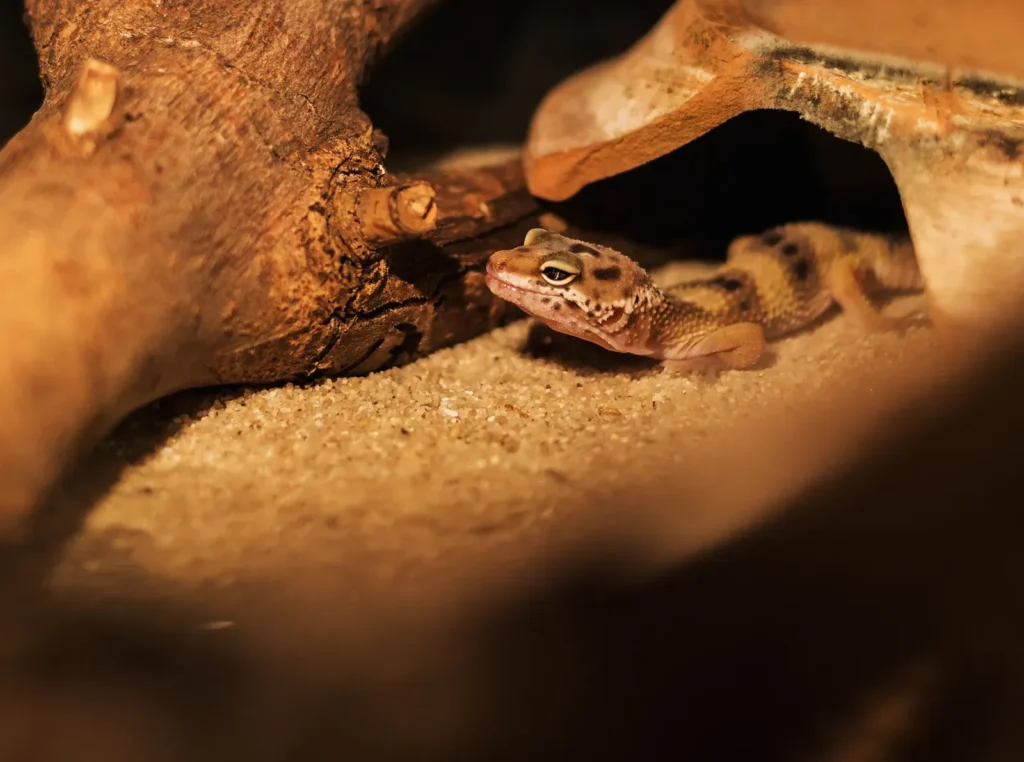
If there is one reptile that the entire reptile-keeping community agrees upon as the quintessential beginner pet, it is the leopard gecko—and that consensus is thoroughly deserved. Considered one of the friendliest gecko species for beginners, Leopard Geckos are one of the easiest reptiles to take care of due to their laid-back nature. These geckos are crepuscular, active at dawn and dusk, and they’re used to the high temperatures of their native environment of the Middle East and South Asia, across India, Iraq, Iran, Pakistan and Afghanistan. Their docile, almost placid temperament makes them exceptionally easy to handle—even children can interact with a well-socialized leopard gecko with minimal risk. They rarely bite, they don’t require enormous enclosures, and their care requirements are straightforward enough that even complete beginners can master them within a few weeks.
Leopard geckos are very low-maintenance, making them a top choice for beginners. They’re nocturnal, so they won’t need as much daytime attention, and they don’t require UVB lighting. That last point — no UVB requirement — is a significant cost and complexity reduction compared to many other reptile species. Leopard geckos need a warm side (88–92°F) and a cool side (70–75°F) in their enclosure, a diet of gut-loaded crickets and mealworms dusted with calcium powder, fresh water daily, and a couple of hides for security. Leopard geckos can live up to 20 years under proper care! They’re active and entertaining to watch but are also relatively shy, so include hides and reptile rocks to give them some cover. A 20-gallon tank is adequate for a single adult, making their housing footprint perfectly manageable in any living situation.
Bearded Dragon—The Social Superstar
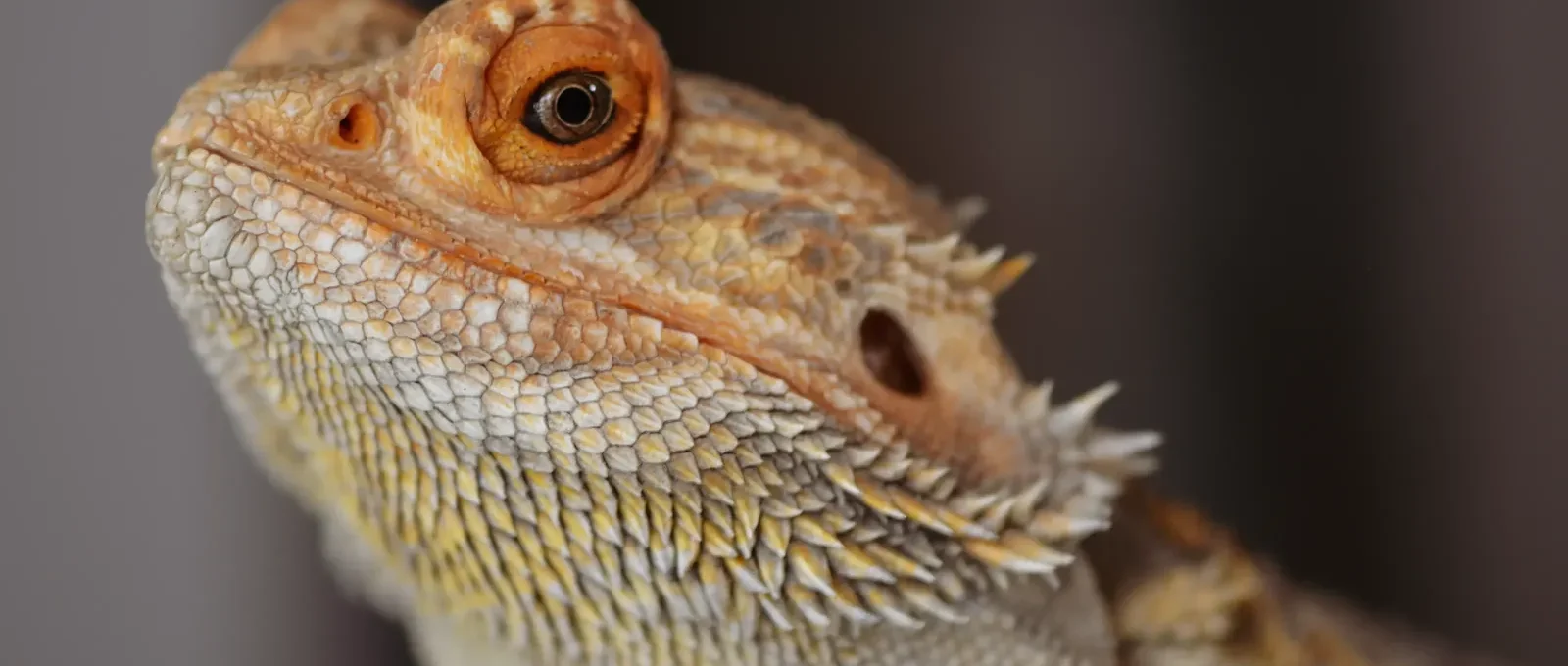
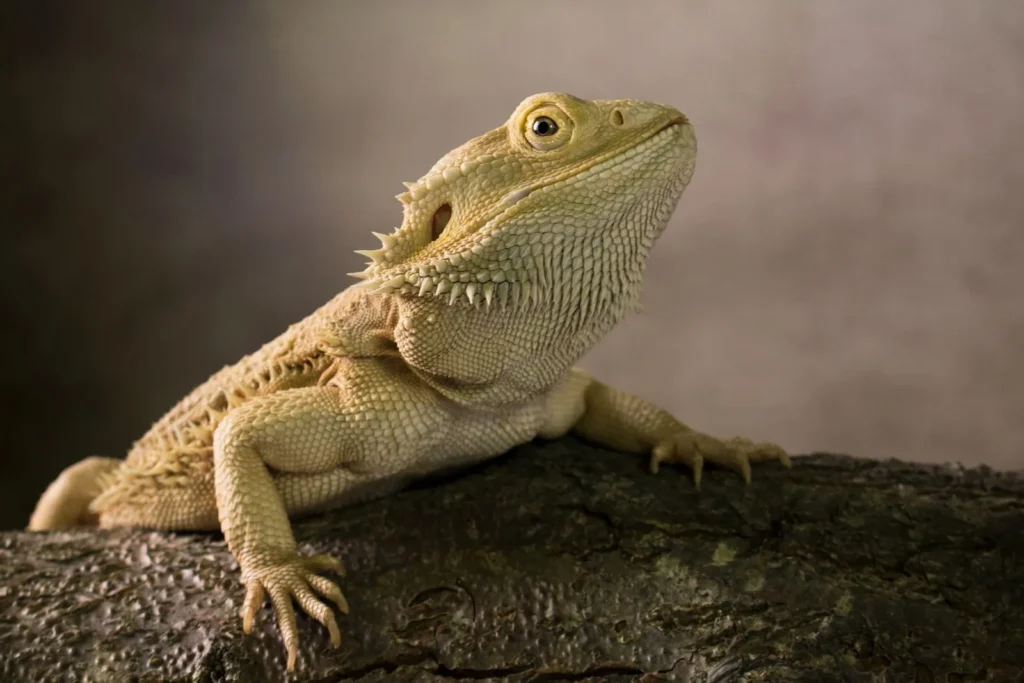
Ask any experienced reptile keeper to name their single favorite pet reptile, and an extraordinary proportion of them will say bearded dragon without a moment’s hesitation. There’s a reason this Australian lizard has become arguably the most popular pet reptile in the entire world, and spending even a few minutes in the presence of one makes that reason completely clear. Bearded dragons might very well be the most beloved reptile to date. They’re super handleable, love cuddling in your arms, and act dog-like. They are larger than your average pet lizard, which makes them more robust and able to tolerate more frequent handling. The “dog-like” descriptor is one that bearded dragon owners return to again and again—these animals genuinely seem to enjoy human company, will seek out physical contact with their favorite humans, and display a remarkable range of behaviors and expressions that make them endlessly fascinating to observe.
Bearded dragons are omnivores, and in the wild, they will eat a mixture of insects, small reptiles, small mammals, and plants. In captivity, juveniles eat primarily live insects (crickets, Dubia roaches, hornworms) with some leafy greens, while adults shift to a more plant-heavy diet supplemented by insects. They require a proper UVB lighting setup, a basking spot reaching 100–110°F, and an adult enclosure of at least 120 gallons—an investment in both space and equipment that pays dividends in one of the most interactive and personable reptile companions available. Bearded dragons can reach a length of 24 inches and live for more than a decade. They are one of the best reptiles for handling, as beardies enjoy being picked up.
Crested Gecko — The Low-Maintenance Arboreal Wonder
The crested gecko occupies a unique and wonderful position in the reptile world—a genuinely beginner-friendly species with such spectacular appearance, easy care requirements, and interesting personality that even the most experienced reptile keepers maintain colonies of them. Crested geckos are calm but interesting animals. The long crests on their bodies and eyes make them resemble cartoons. This kind of gecko is arboreal and requires a vertical habitat, making it an ideal pet for someone who may not have enough space for a standard horizontal enclosure. That vertical habitat requirement is actually one of crested geckos’ most appealing practical features—instead of a wide, floor-space-consuming horizontal tank, a tall enclosure takes up a much smaller footprint in your living space while providing the climbing opportunities this species needs.
Unlike most reptiles, crested geckos are kept at room temperature with no extra heating required in most homes, and they readily eat a prepared powdered fruit diet that’s mixed with water, though occasional live insects are often appreciated. This is genuinely remarkable in the reptile world — no heat lamps, no complex temperature gradients, no UVB requirement, and a commercially available complete diet that eliminates the need for constant live insect procurement. Crested geckos are low-maintenance and friendly, making them a great choice for first-time reptile owners. They need a warm, humid environment with plenty of climbing opportunities, and their diet consists mostly of fruit-based gecko food along with occasional insects. The one notable quirk to know: crested geckos can drop their tails as a defense mechanism when stressed, and unlike many other gecko species, those tails don’t grow back—a phenomenon affectionately described in the reptile hobby as producing “frog butts.”
Corn Snake—The Gentle Giant of Beginner Snakes
If the idea of keeping a snake appeals to you but the prospect of managing a large, powerful constrictor feels daunting, the corn snake is precisely the species that makes snake ownership accessible, manageable, and genuinely delightful for beginners. Corn snakes spend most of their time hiding and digging; therefore, they require an enclosure that allows them to do so. Because of their curiosity, they are excellent escape artists, so make sure their tank and lid are secure. That escape-artist tendency is the most common Corn Snake management challenge — these slender, inquisitive snakes can find and exploit even the smallest gap in an enclosure lid with impressive determination, so a secure, properly latching enclosure is non-negotiable.
Corn snakes are hardy little beasts that come in a rainbow of captive-bred colors and patterns, tend not to get much more than 5 feet in length. If they’re well-handled, they don’t tend to bite, and even if they do, it’s rather like being scraped by angry Velcro. That delightful description captures something important: Corn Snake bites, when they do occur, are trivial in consequence—small teeth, no venom, essentially a pinprick that startles more than it hurts. Their feeding is straightforward: pre-killed or frozen-thawed mice offered once a week for juveniles, every 10–14 days for adults. Corn snakes are one of the most popular pet snakes, recommended for beginners because of their calm temperament and ease of care. Corn snakes grow to around 5 feet long as adults. Their stunning color variations — from classic orange and red to lavender, striped, and motley patterns — make them genuinely beautiful animals to display and interact with.
Ball Python—The Docile Serpent for New Owners
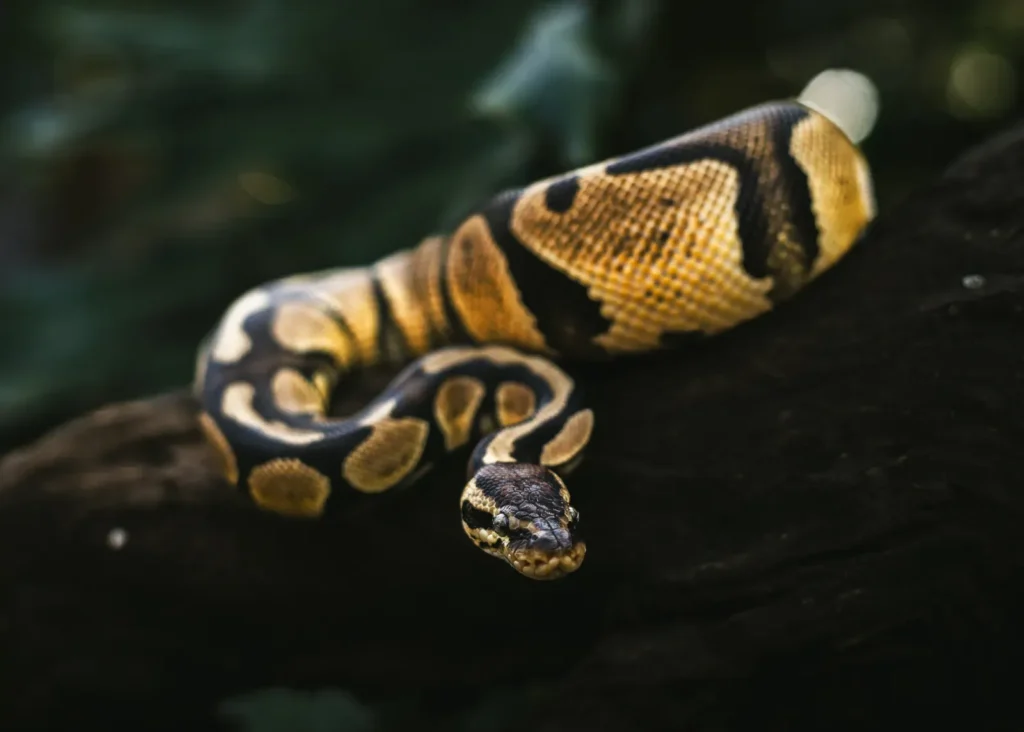
The ball python has earned its place as the world’s most popular pet snake through a combination of manageable size, extraordinarily gentle temperament, stunning visual variety through captive-bred morphs, and a general robustness that forgives some of the beginner mistakes that might prove fatal to more sensitive species. Ball pythons are calm and docile, making them one of the easiest snakes to handle. They also don’t grow too large, so they’re easier to manage than bigger snakes. They need a heated enclosure with a heat pad or lamp and a hiding place. Their diet consists of rodents, frozen or thawed. Ball pythons are low-maintenance, relatively small at 3–5 feet, and gentle, making them an excellent choice for first-time snake owners.
The “ball” in their name refers to their primary defense response—when threatened, they curl into a tight ball with their head protected in the center, a behavior that is completely harmless and endearingly defensive. Ball pythons need specific humidity requirements (60–80%) and precise temperature gradients to thrive, and they have a reputation for being picky eaters, particularly as juveniles. This feeding sensitivity is the primary challenge of ball python ownership, and prospective keepers should research it thoroughly before committing. When established on a reliable feeding schedule, however, ball pythons are remarkably low-drama pets that can be handled regularly, tolerate a range of interaction styles, and develop recognizable individual personalities over their 20–30-year lifespans.
Blue Tongue Skink — The Unusual and Personable Lizard
The blue-tongue skink is the reptile world’s best-kept secret for people who want maximum personality in a manageable package. Named for their remarkable cobalt-blue tongue — used as a dramatic threat display in the wild — these stocky, terrestrial lizards are among the most personable and interactive reptiles available in the pet trade. The blue tongue is one of the most common pet skinks today because of its calm temperament and unique physical features. Because they’re so relaxed, you can find blue tongues strolling along in suburban areas without any issues. They are a terrestrial species, so they won’t need additional accessories for climbing, except for an elevated surface or two for a basking spot.
Their omnivorous diet is refreshingly uncomplicated and flexible. Blue tongue skinks are omnivores, open to eating various foods. You can feed a juvenile skink a 50/50 mix of small insects and fruits and veggies. As an adult, you can offer it larger insects, feeder mice, and many leafy greens once every two days. Blue Tongue Skinks require UVB lighting, a basking spot of around 95–105°F, and an enclosure of at least 4 feet in length for an adult. They’re available in multiple subspecies—Northern Blue Tongue Skinks being the most commonly recommended for beginners due to their particularly relaxed temperament and established captive breeding. Their unusual appearance, blue tongue display, and genuinely friendly personalities make them a conversation piece that consistently captivates anyone who encounters them.
Tortoise — The Living Heirloom
There is something genuinely humbling and extraordinary about owning a tortoise. These ancient, prehistoric-looking animals carry with them a connection to geological time that no other common pet can match — and their longevity means that a well-cared-for tortoise may very well outlive multiple generations of the family that keeps it. Do you like the idea of a pet you can pass on to a grandchild someday? Most tortoises live 50 to 100 years. Choose a species that stays small so you can more easily give it a large habitat to enjoy. For beginner tortoise keepers, the Hermann’s Tortoise, Russian Tortoise, and Greek Tortoise are consistently recommended as the most manageable starting points—all stay under a foot in length, eat a convenient vegetarian diet of leafy greens and the occasional fruit, and are hardy enough to tolerate the learning curve of a new keeper.
Tortoises are land-dwelling reptiles that can grow to be 12 inches long and live for more than 50 years if properly cared for. Unlike turtles, these guys are herbivores who prefer to live on land rather than in water. They need at least a 50-gallon tank to live in, that is generally kept warm and damp. The degree of heat and humidity will vary depending on the country of origin, so make sure you look into where your tortoise originated from and try to match that environment as best as you can. Tortoises require UVB lighting, precise temperature management, and appropriate substrate that allows them to dig. Their unhurried pace, ancient demeanor, and genuine recognition of their keepers create a uniquely meditative and rewarding pet relationship unlike anything else in the animal world.
Chinese Water Dragon—The Iguana Alternative
For those drawn to the dramatic, dinosaur-like appearance of large lizards but intimidated by the size and aggressive tendencies of adult Iguanas, the Chinese Water Dragon represents the perfect middle ground. Many people want a pet iguana but are put off by their size or violent behavior, so the water dragon is a wonderful compromise. They are significantly smaller and far friendlier, yet retain the same physical characteristics. Still, they can grow up to three feet long and live for 15 years. As such, they’ll need at least a 55-gallon terrarium to live in. A tropical species, the Chinese Water Dragon is most active at dawn and dusk. They eat both vegetables and insects, so be sure to vary their diets.
Chinese Water Dragons require a tall enclosure that accommodates their arboreal tendencies — they love climbing branches and basking at height — combined with a water feature since they’re semiaquatic and enjoy swimming. High humidity (70–80%), UVB lighting, and precise temperature management are non-negotiable for this species. Their emerald green coloration, crest along the back of their head and body, and genuinely striking appearance make them one of the most visually impressive pet lizards available. With consistent handling from a young age, Chinese water dragons become remarkably tame and tolerant of human interaction, making the extra care investment feel thoroughly worthwhile.
Essential Reptile Care: What Every Owner Must Know
Understanding species-specific care is important, but there are foundational care principles that apply across virtually all pet reptile species—cornerstones of husbandry that every reptile owner must understand deeply before bringing any scaly companion home.
Enclosure Setup and Temperature Control
Temperature management is arguably the most critical skill in reptile keeping, because reptiles are ectothermic — they regulate their body temperature entirely through their environment rather than through internal metabolic processes. This means they need a temperature gradient in their enclosure: a warm basking area on one end and a cooler retreat on the other, allowing them to self-regulate by moving between zones throughout the day. A proper habitat includes the right-size tank, temperature control, and specific lighting. Each reptile species has its own dietary needs and environmental requirements. It’s crucial to provide what’s right for your specific species to ensure your pet stays healthy. Invest in quality digital thermometers—at least two, measuring both the warm and cool ends of the enclosure—and use a thermostat to regulate any heating equipment. Guessing at temperatures is not acceptable in reptile keeping; precision matters enormously.
Lighting: UVB and Its Critical Role
UVB lighting deserves its own section because its importance is frequently underestimated by new reptile owners, often with devastating consequences. Many reptile species — particularly basking lizards like bearded dragons, Blue Tongue Skinks, and Chinese Water Dragons — require ultraviolet B radiation to synthesize Vitamin D3 in their skin. Vitamin D3 is essential for calcium absorption, and without it, reptiles develop Metabolic Bone Disease — a painful, debilitating, and often fatal condition characterized by soft, deformed bones and neurological complications. Bearded dragons need a warm basking spot with a heat lamp and UVB lighting, along with a diet of insects and vegetables. Invest in a quality UVB bulb from a reputable reptile lighting manufacturer, replace it every 6–12 months even if it still produces visible light (UVB output degrades before visible light does), and position it correctly relative to your reptile’s basking spot according to the manufacturer’s specifications.
Reptile Nutrition and Feeding
Each reptile species has its own dietary needs. Some eat insects, while others prefer greens or even small rodents. It’s crucial to provide a balanced diet to ensure your pet stays healthy. For insectivorous species, gut-loading your feeder insects — feeding them nutritious vegetables and commercial gut-load products for 24–48 hours before offering them to your reptile — is essential for passing adequate nutrition along the food chain. Calcium and vitamin D3 supplementation by dusting feeder insects before each feeding is non-negotiable for most species to prevent deficiency diseases. Always buy captive-bred animals. Wild-caught animals are in poor health and loaded with parasites and may have other health problems. This is advice that extends beyond feeding — it applies to every reptile purchase. Captive-bred animals are healthier, better adapted to captivity, less stressed, and ethically sourced compared to wild-caught individuals.
Reptiles to Avoid as a First Pet
Just as there are excellent beginner reptiles, there are species that even experienced keepers approach with caution — animals whose care complexity, size, strength, or disposition makes them poor choices for someone new to reptile keeping.
Large constrictors — Burmese Pythons, Reticulated Pythons, and Green Anacondas — are the most obvious to avoid. These snakes can reach lengths of 15–25 feet, weigh hundreds of pounds, and present genuine safety risks even for experienced keepers. Iguanas, despite their widespread availability and enduring popularity, are notoriously challenging — adult males in particular develop aggressive tendencies during breeding season that can result in serious injuries to their owners. Monitor Lizards require enormous enclosures, highly specialized care, and a level of handling expertise that comes only with significant prior experience. Wild-caught reptiles of any species should be universally avoided — they arrive stressed, often parasitized, poorly acclimated to captivity, and frequently die within months of purchase despite the best care intentions. First off, and I can’t stress this enough, buy captive-bred animals. Wild-caught animals are in poor health and loaded with parasites and may have other health problems.
Quick Comparison: Best Pet Reptiles at a Glance
| Species | Adult Size | Lifespan | Difficulty | UVB Required? | Diet | Handling Tolerance |
|---|---|---|---|---|---|---|
| Leopard Gecko | 7–11 inches | 15–20 years | Beginner | No | Insects | Excellent |
| Bearded Dragon | Up to 24 inches | 10–15 years | Beginner | Yes | Omnivore | Excellent |
| Crested Gecko | 6–10 inches | 15–20 years | Beginner | No | Fruit diet + insects | Good |
| Corn Snake | Up to 5 feet | 15–20 years | Beginner | No | Rodents | Excellent |
| Ball Python | 3–5 feet | 20–30 years | Beginner | No | Rodents | Excellent |
| Blue Tongue Skink | 18–24 inches | 15–20 years | Intermediate | Yes | Omnivore | Very Good |
| Hermann’s Tortoise | Up to 12 inches | 50–100 years | Intermediate | Yes | Vegetation | Moderate |
| Chinese Water Dragon | Up to 3 feet | 15 years | Intermediate | Yes | Omnivore | Good |
The Growing World of Pet Reptiles: 2026 Trends
The reptile hobby in 2026 is more vibrant, more scientific, and more community-supported than at any previous point in its history. Online communities, YouTube channels, dedicated reptile expos, and the explosion of social media content around reptile keeping have created an ecosystem of information and support that makes it easier than ever for new keepers to learn best practices and avoid common mistakes. The concept of “bioactive enclosures” — living terrariums that use real plants, beneficial microbes, and cleanup crew invertebrates to create self-sustaining miniature ecosystems — has transformed how many keepers think about reptile housing, producing environments that are more naturalistic, more enriching for the animals, and often lower-maintenance than traditional sterile setups.
The captive breeding community continues to produce stunning genetic morphs — selectively bred color and pattern variations — across virtually every popular species, making the visual variety of available reptiles more extraordinary than ever. Meanwhile, veterinary science for reptiles continues to advance, with more reptile-experienced vets available and better diagnostic and treatment options emerging each year. The overall trajectory of reptile keeping is toward higher standards of care, more ethical sourcing, and deeper understanding of these remarkable animals’ behavioral and physiological needs — an evolution that benefits both keepers and their cold-blooded companions.
Conclusion
Choosing a pet reptile is one of the most genuinely interesting decisions a person can make in the pet ownership space — and getting it right requires the same thoughtful approach you’d apply to any significant life decision. Start with honest self-assessment: your lifestyle, budget, living space, time availability, and genuine interest in the specific care requirements of your chosen species all matter enormously. Then research thoroughly, source from reputable captive breeders, set up your enclosure correctly before your animal arrives, and find a reptile-experienced veterinarian in your area.
The eight species profiled in this guide represent the most reliable, rewarding, and accessible entry points into reptile keeping for new owners — each one capable of becoming a beloved, fascinating companion that enriches your life in ways that conventional pets simply can’t replicate. From the beginner-perfect Leopard Gecko to the majestic Hermann’s Tortoise that might outlive your grandchildren, the reptile world offers something extraordinary for every lifestyle, budget, and level of experience. Welcome to one of the most captivating hobbies in the animal world — your scaled companion is waiting.
Frequently Asked Questions (FAQs)
1. What is the absolute easiest reptile to take care of for a complete beginner? The Leopard Gecko is most consistently recommended by reptile experts and experienced keepers as the single most beginner-friendly reptile available. They don’t require UVB lighting, need only a modest 20-gallon enclosure, eat a simple diet of gut-loaded insects, are exceptionally tolerant of handling, and their care requirements are straightforward enough to master quickly. Their 15–20 year lifespan also gives you plenty of time to grow in your reptile-keeping skills alongside your pet.
2. Do pet reptiles recognize their owners? Yes — many pet reptile species do recognize their keepers, though not in the same way dogs or cats do. Bearded Dragons in particular are well-documented to recognize their owners by sight and respond differently to familiar versus unfamiliar people. Ball Pythons and Corn Snakes learn to associate their keeper with safe handling and feeding, becoming noticeably calmer with familiar people. The depth of recognition varies by species, but the idea that reptiles are entirely indifferent to their owners is a myth that experienced reptile keepers consistently refute.
3. Are pet reptiles safe for families with young children? Many beginner reptile species are entirely suitable for families with children, provided that adult supervision is maintained during all handling sessions. Bearded Dragons and Leopard Geckos are particularly child-friendly due to their docile temperaments and robust bodies. Children should always wash hands thoroughly before and after handling any reptile due to the potential for Salmonella transmission — a standard hygiene practice that eliminates this risk entirely. Toddlers and very young children should be supervised closely, as rough or unpredictable handling can stress the animal and potentially result in a defensive bite.
4. How much does it actually cost to set up a reptile enclosure? Initial setup costs vary significantly by species but should be budgeted honestly. A basic Leopard Gecko setup including a 20-gallon tank, thermostat, heat mat, thermometers, hides, and substrate typically runs $150–$250. A complete Bearded Dragon setup with a 120-gallon enclosure, UVB fixture, heat lamp, thermostat, and décor can easily reach $400–$600. Ball Python setups fall in the $200–$350 range. These are one-time investments; ongoing monthly costs for food, supplements, and electricity are modest in comparison.
5. Where should I buy my pet reptile? Always purchase from a reputable captive breeder — either in person at a reptile expo or through an established online breeder with strong reviews. Captive-bred animals are dramatically healthier, better socialized, and more ethically sourced than wild-caught alternatives. Reptile expos are particularly excellent venues because you can see the animals in person, assess their health and condition, and speak directly with breeders about care requirements. Avoid purchasing from large commercial pet chains where husbandry standards are often inadequate and staff reptile knowledge is frequently limited.





1 Comment