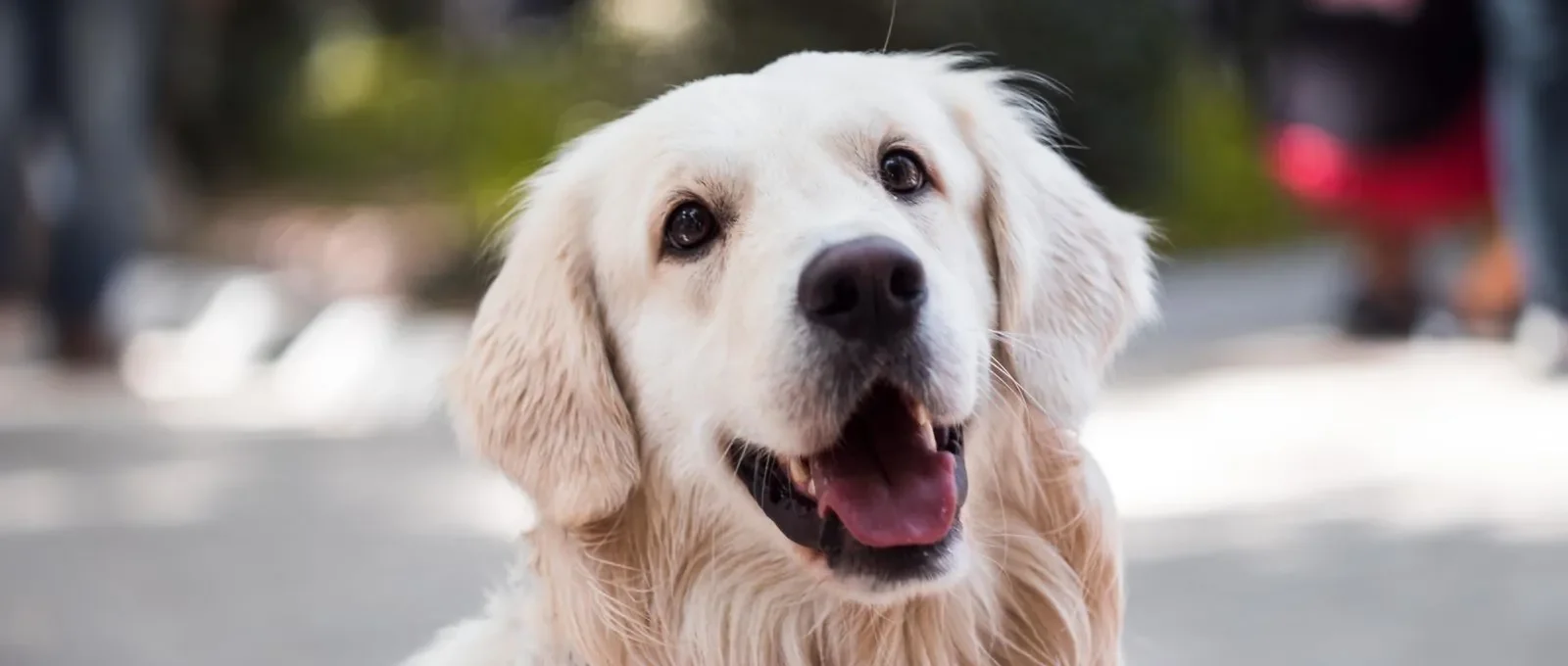

Picture two dogs walking toward the same group of strangers in the park. The first trots ahead with easy confidence — tail up, ears forward, entire body loose and relaxed — happily accepting pets from everyone who reaches down. The second hangs back, body low, eyes wide, inching backward toward its owner every time someone approaches. Same species. Same park. Completely different inner worlds.
The difference between those two dogs is not personality, not breed, and not luck. It’s socialization — the deliberate, patient, consistent process of teaching a dog that the world of humans is a safe, rewarding, and genuinely wonderful place to be. For dogs to be happy and comfortable in the world of humans, socialization is so important. Many dogs lack basic social skills — either because of limited exposure to various situations or a lack of positive experiences. Dogs who were raised without sufficient experience with new people, places, sounds, and objects often show fear of many commonplace situations, such as meeting new people.
Raising a people-friendly dog is one of the most valuable things you will ever do as a dog owner — not just for your own convenience and peace of mind, but for your dog’s genuine happiness and quality of life. A dog who is comfortable and confident around people is a dog who can go everywhere with you, experience everything, and meet every new human as a potential source of affection and good things rather than a potential threat. That dog lives a bigger, richer, more joyful life. And this guide is going to show you exactly how to raise one.
Why Raising a People-Friendly Dog Is the Greatest Gift You Can Give Them
Before we get into the how, it’s worth taking a moment to understand the stakes — because people-friendliness isn’t just about convenience or good manners. It’s about your dog’s fundamental emotional experience of being alive in a world populated almost entirely by humans.
Socialization is crucial for dogs — without it, a canine may become fearful of strangers and other animals or even aggressive towards them. An unsocialized dog might also dislike being touched by anyone who isn’t you or the immediate family, be frightened of everyday sounds, and not be up for adventures that involve leaving the house. Think about what that actually means from the dog’s perspective. Every visitor becomes a source of terror. Every walk past a group of people becomes a gauntlet. Every vet visit, every trip to the pet store, every encounter with a well-meaning stranger becomes an ordeal rather than an opportunity.
A well-socialized, people-friendly dog doesn’t just behave better — they feel better. Their nervous system isn’t constantly interpreting the world as threatening. Their baseline emotional state is curiosity and openness rather than vigilance and fear. A well-socialized puppy is less likely to develop behavioral problems like fear, aggression, or anxiety as an adult. And because most displays of canine aggression toward people are rooted in fear rather than genuine malice, a people-friendly dog is also a safe dog — one who doesn’t need to escalate to warning behaviors or biting because the world doesn’t frighten them in the first place.
Understanding the Critical Socialization Window
Timing matters enormously in socialization, and understanding the biological reality of the socialization window helps you approach this work with appropriate urgency and intentionality.
What Happens Inside a Puppy’s Brain During Socialization
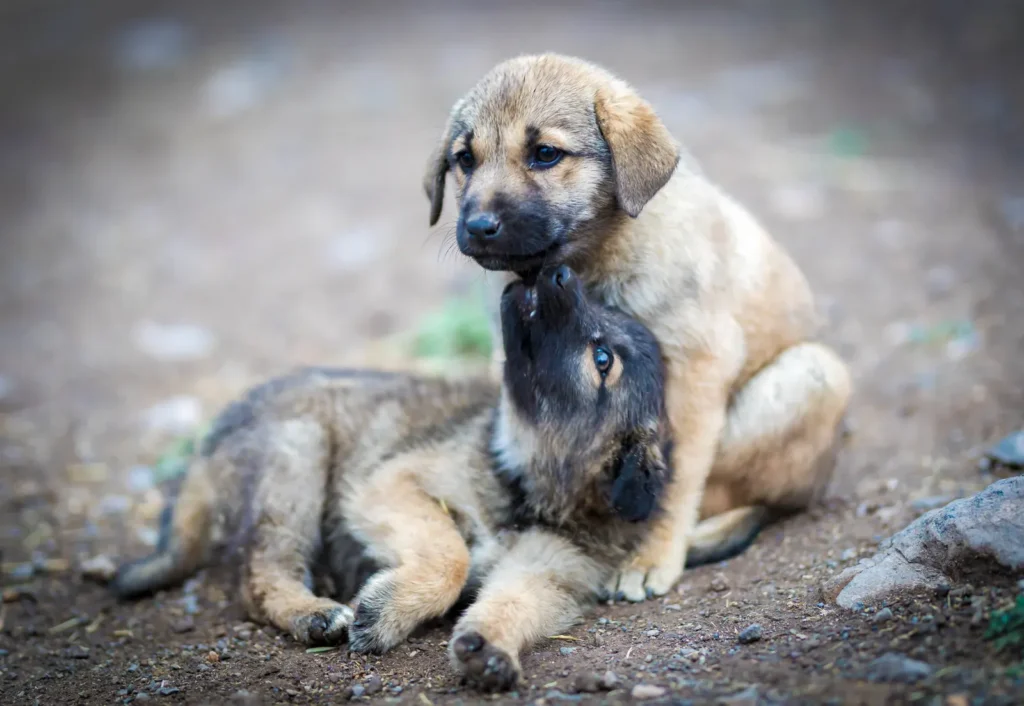
The greatest window of learning in a dog’s life starts around 3 weeks of age and closes between 16 and 20 weeks. This period allows puppies to be exposed to a wide variety of sights, sounds, smells, and sensations without becoming fearful. Puppies who miss out on these experiences may never learn to be comfortable around unfamiliar things, paving the way for anxiety, fear, and aggression later on in life.
During this window, the puppy brain is operating in a uniquely receptive mode — actively building the neural templates that will define what “normal” looks like for the rest of the dog’s life. Experiences that happen during this period get classified, essentially, as “part of the world” and therefore safe. The critical socialization period for puppies occurs between 3 and 16 weeks of age. During this time, their brains are like sponges, soaking up experiences and forming lasting impressions. Everything introduced positively during this window has a fundamentally different effect than the same introduction made after the window closes — not impossible, but working against the grain of biology rather than with it.
The best time to socialize a dog is when they’re a puppy — specifically, the best time to start is when they are between 3 and 12 weeks old. This is when your pup should start being exposed to all kinds of new things, from new places to unfamiliar people to other dogs. Most puppies arrive in their new homes at 8 weeks of age, which means new owners have roughly 8–12 weeks of the most neurologically receptive period remaining. Those weeks are genuinely precious — the most impactful socialization investment you will ever make in your dog’s life happens in this narrow biological window.
What Happens When the Window Is Missed
This is the fact that makes the socialization window so important to take seriously: what doesn’t happen during those early weeks is very difficult to fully remediate later. Between 3 and 20 weeks of age is the critical socialization period in puppy development. During that period of time, if puppies do not experience a considerable variety of new things in a way that allows them to feel safe and happy, they might become fearful adults.
A dog who misses the critical socialization window doesn’t simply need “more time” to warm up to people — they are working with a nervous system that has already filed humans-outside-the-immediate-household under “unknown and potentially dangerous.” Rewiring that classification takes significant time, patience, and carefully managed positive experiences. It’s absolutely achievable — it’s never too late to socialize a dog — but it is harder, slower, and less complete than socialization that happens during the window itself. Understanding this motivates you to take the early weeks seriously rather than assuming there’s always more time.
The 12 Most Effective Ways to Raise a People-Friendly Dog
1. Start Handling Early and Make It Positive
The very first step in raising a people-friendly dog begins before formal socialization even starts — with deliberate, gentle physical handling that teaches your puppy that human touch is safe, comfortable, and associated with good things. Young puppies should be cuddled and handled daily by as many different people as possible. Keep the contact gentle and pleasant for the puppy. Hold the puppy in different positions, gently finger her feet, rub her muzzle, stroke her back and sides, look in her ears.
This early handling work does something profound — it creates a body-wide positive association with human contact that makes every future social interaction start from a baseline of comfort rather than wariness. Dogs who are handled extensively and positively as young puppies typically accept veterinary examinations, grooming, nail trims, and the enthusiastic attentions of strangers with remarkable equanimity throughout their lives. The investment is small — a few minutes a day of deliberate, reward-paired handling — and the return is enormous.
Pay particular attention to the areas that will matter most in real-world interactions: the paws, ears, mouth, and collar area. These are the spots that strangers will sometimes reach for and that veterinary examinations will routinely involve. A puppy who has had these areas handled pleasantly hundreds of times before their first vet visit approaches that visit with calm familiarity rather than alarmed novelty.
2. Introduce Every Kind of Human You Can Find
One of the most impactful — and most commonly underestimated — socialization tasks is deliberately exposing your dog to the full diversity of human appearance and behavior. Puppies need to meet all sorts of humans — tall, short, young, old, people with beards, people wearing hats, people using crutches. The more variety, the better. Just make sure all interactions are positive and not overwhelming for your pup.
Here’s why this matters so much: dogs generalize from specific experiences, and a dog who has only ever met adult, clean-shaven men in casual clothes may genuinely perceive a tall woman in a winter coat with a large hat as a completely different, potentially threatening category of creature. The more variety your puppy encounters during the socialization window, the broader and more inclusive their mental template of “human” becomes — and the broader that template, the fewer things in the real world can fall outside of it into the “unfamiliar and potentially scary” category.
Expose your dog to a wide variety of people, from men and women to children, so he can get acclimatised to the idea of people. The idea is that if your dog only ever hangs out with one person, he may grow wary of anyone that isn’t that person, so it’s crucial to diversify your dog’s social calendar and make time for meet-and-greets. Make a mental checklist and actively seek out diversity: people of different ages, ethnicities, heights, and body types. People in uniforms, helmets, and safety vests. People using wheelchairs, crutches, or walking frames. People with loud voices and people who are quiet. People carrying umbrellas, pushing strollers, or wearing backpacks. Each new category of human your puppy meets positively during the socialization window is one fewer category they’ll ever need to fear.
3. Let Your Dog Set the Pace — Always
This principle is perhaps the most important in all of people-friendly socialization — and the one that well-meaning owners most frequently violate in their enthusiasm to help their dog meet more people. Stay calm and confident if your dog acts scared. Don’t push, but don’t make a big deal out of skittish behaviour, either. Ensure that people pat your dog where their hands can be seen, like on your dog’s chest or chin.
Forced greetings — physically moving your dog toward a person they’re hesitant about, or allowing strangers to crowd a dog who is trying to create space — don’t teach a dog that humans are safe. They teach a dog that their signals of discomfort are ignored, which erodes their trust in their owner and can transform manageable wariness into genuine fear or defensive aggression. Don’t reward or praise your dog for being scared of people — this encourages skittish behavior. Ensure people pet your dog where their hands can be seen, like their chest or chin.
The alternative is simple and far more effective: create the conditions for voluntary approach. Position yourself near the person your dog is hesitant about. Let your dog observe from a comfortable distance. Scatter treats on the ground near the person so your dog can approach to investigate without the pressure of direct interaction. Let your dog decide when — and whether — to close the gap. Every voluntary approach, however small, is a genuine socialization win. Every forced interaction undermines the process.
4. Use Positive Reinforcement, Never Punishment
The emotional tone of every socialization experience is as important as the experience itself — and positive reinforcement is the tool that ensures that tone is consistently good. Reward your dog for calm behavior when in the presence of another dog. Also, reward your dog for any friendly or positive interaction! A reward in social situations could be a word of praise or a cuddle, both of which provide positive reinforcement.
The logic is beautifully simple: if your dog receives something wonderful — a piece of chicken, a favorite toy, enthusiastic verbal praise — every time a new person appears, their brain begins to associate new people with the arrival of good things. The sight of a stranger goes from being neutral or mildly concerning to being a reliable predictor of reward. That association, built across hundreds of encounters, creates a genuinely people-friendly emotional response that no amount of training commands can replicate.
Be prepared to give your dog the praise and treats they deserve for good behavior. It’s not easy to break old habits — getting social can be a little challenging on your pooch, so make sure they feel encouraged. Use the highest-value treats you have for socialization work — the things your dog goes absolutely wild for. Save those special treats exclusively for social encounters during the critical period, and you’ll harness their motivational power to maximum effect.
5. Take Your Dog Everywhere That Welcomes Them
Exposure to diverse environments with diverse people is the raw material of socialization, and the more of it your dog gets during the critical window, the better. Visit pet-friendly stores: Stores have different sights, sounds, and smells than people’s homes, so they make great spots for socialization. So leash up your puppy and take them on a quick errand to a pet-friendly shop in your area.
Go for car rides: yes, your puppy will need to get used to being transported, but car rides are also useful to get puppies used to seeing life, even through the window. Walk down busy streets: if you live in a city, most streets are busy enough for puppy socialization. But if you live out in the country or in a quiet suburb and want to get your pup exposed to even more people and different vehicles, find a street that has a lot of movement.
Outdoor cafe terraces, farmers’ markets, pet-friendly hardware stores, veterinary waiting rooms, school pickup zones, and community park benches are all excellent socialization venues — places where your dog encounters a constant, naturally rotating cast of diverse humans going about their daily lives. The casual, incidental exposure these environments provide is different from forced introductions and often more valuable — your dog learns that the world is full of humans who mostly ignore them, which is actually one of the most reassuring things they can discover.
6. Enroll in Puppy Socialization Classes
Puppy classes are one of the best investments a new dog owner can make, and their value goes well beyond the specific skills taught in any given session. Puppy socialization classes are a great option if you don’t have easy access to other dogs and people. These classes provide structured environments where your pup can interact with other puppies and new humans under the guidance of a professional dog trainer.
One of the best ways to leverage this opportunity is to take a puppy to a socialization class with a relationship-based behavior consultant. A good puppy class gives your dog structured, supervised exposure to many different puppies, many different humans, and a wide range of novel stimuli — all managed by an experienced trainer who can ensure encounters stay positive and productive. The class environment itself — with its noise, activity, and unpredictability — is socialization in action, and puppies who attend regular classes during their critical window consistently show better social confidence as adults.
When choosing a class, look for trainers who use exclusively force-free, positive reinforcement-based methods. The socialization window is not the time for corrections or aversives — it’s the time for building positive associations, and any class that uses punishment during this period is working directly against the goal.
7. Master the Art of the Socialization Walk
The daily walk is one of the most powerful and underutilized socialization tools available to dog owners — but only if it’s approached with intention rather than just treated as a bathroom break. Dog walks are great opportunities for your pet to be exposed to people in different environments that are not their own. Walks will create less pent-up energy due to the exercise, therefore, making your dog calmer and more receptive to social interactions.
Try to avoid taking the same walking route every day. Let your dog experience a variety of environments, from sidewalks to dirt roads. This will provide your growing dog with much-needed mental stimulation. Vary your routes deliberately — the quiet residential street, the busy commercial area, the park, the school zone at pickup time. Each environment serves a different socialization purpose and exposes your dog to different categories of human behavior and appearance. A dog who walks five different routes in a week meets more diverse humans than one who walks the same route five times — and that diversity is the whole point.
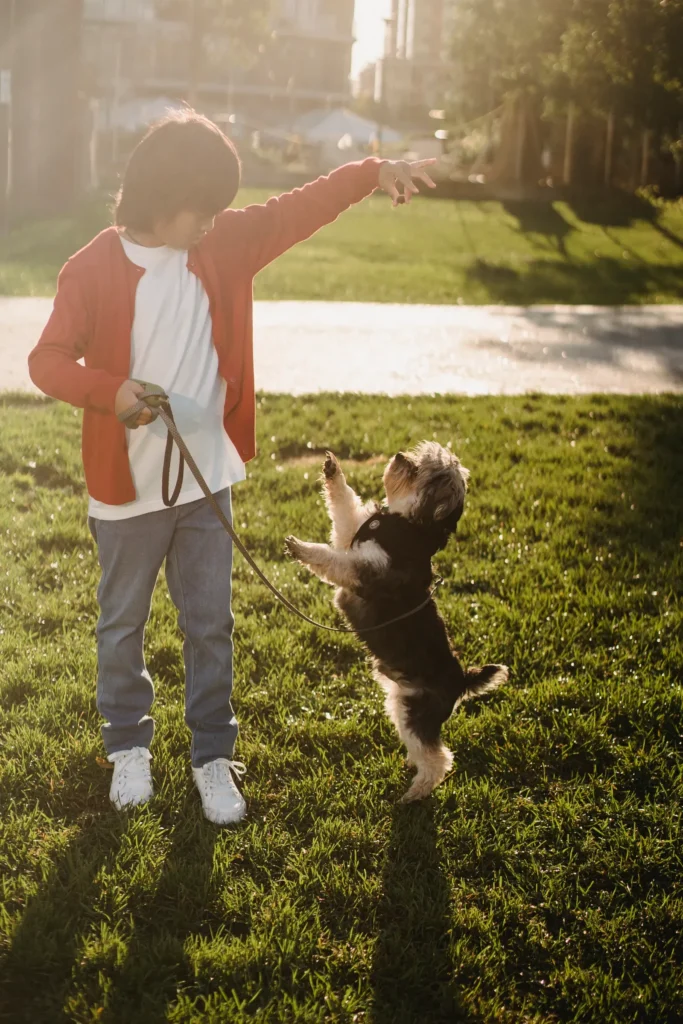
Keep the little one on a short lead and get some exercise — there’s a lot to see and smell. Take different routes, to give your dog the chance to meet new friends and experience a variety of sights. Always carry treats on walks during the socialization period, and use every calm response to a new person or situation as an opportunity to reward. You are teaching your dog, one encounter at a time, that the world is a place of good things.
8. Teach Your Dog to Greet Politely
A people-friendly dog isn’t just one who isn’t scared of people — it’s one who knows how to interact with them in a way that makes every encounter positive for both parties. Teaching polite greeting behavior is the bridge between social confidence and genuinely pleasant social behavior. It’s useful for your dog to know commands such as “come” so that you can get their attention in potentially stressful situations. Be prepared to give your dog the praise and treats they deserve for good behavior.
The “sit for greeting” behavior — teaching your dog to automatically offer a sit when someone approaches to pet them — is one of the most socially impactful behaviors you can train. It eliminates jumping, prevents accidental knocking over of children or elderly people, and gives the human greeter confidence that the dog is calm and under control. Practice it everywhere and every time: at the door when guests arrive, on the sidewalk when a neighbor stops to say hello, in the pet store when a stranger reaches down.
Ask every greeter to wait for the sit before petting, and thank people warmly when they comply. Most people are happy to follow a simple instruction like “she’ll sit if you wait a moment” when they see what follows. The dog who greets with a polite sit gets more pets, more positive interactions, and more socialization opportunities than the dog who greets by launching themselves at every passing human — and that virtuous cycle of good behavior being rewarded with more good experiences builds people-friendliness continuously.
9. Host Regular Visitors at Home
Home-based socialization is one of the most effective and most overlooked strategies for raising a people-friendly dog. Your home is your dog’s core territory — the place they feel most secure — and positive experiences with visitors there build associations that transfer powerfully to encounters in the outside world. Invite a friend over to your house and ask them to ignore your dog at first. If your dog remains calm, reward them with a treat. As the pair grows more comfortable with each other, allow your friend to give your dog a treat.
Have guests come over regularly during the socialization period. Brief them on approach before they arrive: no direct eye contact on entrance, no immediate reaching to pet, and definitely no crowding or bending over the dog. Ask them to simply sit down, be calm, and let the dog approach in their own time. Let your pets run free — your friends will understand. Let them get to know the people you are close to so that each time they come around, they are more and more comfortable.
As your dog becomes comfortable with each regular visitor, expand the circle — new friends, family members from out of town, neighbors, delivery workers who are willing to participate. The goal is a dog who has positive associations with such a wide variety of humans in their home space that the arrival of a new person triggers curiosity and approach rather than alarm and retreat.
10. Introduce Children Carefully and Positively
Children represent a specific and important category of humans that many dogs find particularly challenging — they move unpredictably, make sudden loud noises, approach dogs from above with grabbing hands, and have a habit of running directly at animals in ways that trigger prey drive or defensive responses. Careful, positive introductions to children during the socialization window give your dog the foundation to be genuinely comfortable around them throughout life. If your dog can get along with adult dogs and humans, they are ready for exposure to puppies and children. Keep in mind that the experience will be different — puppies are less predictable than adult dogs, so take the interactions slow and allow plenty of space.
Start with calm, older children who can follow instructions before moving to more energetic or younger ones. Ask children to approach sideways rather than head-on, to crouch to the dog’s level rather than bending over from above, and to offer treats from an open palm rather than grabbing at the dog. Supervise every child-dog interaction carefully, regardless of how well things seem to be going — the combination of an excited child and an overstimulated dog is the context in which most dog-child incidents occur. It is never a good idea to leave your dog unsupervised with children. Dogs can end up hurting kids, and kids can end up hurting dogs if they are unsupervised.
11. Build Confidence Through New Experiences
People-friendliness doesn’t develop in a vacuum — it grows from a broader foundation of general confidence in the world. A dog who is comfortable with novelty, handles new environments calmly, and recovers quickly from surprising moments has the emotional resilience that people-friendly behavior is built on. Expose to various environments: your puppy needs to learn that the world is full of different sights, sounds, and smells. Take them on short trips to different places — busy streets, quiet parks, your friend’s house. Let them explore at their own pace, always keeping an eye out for signs of stress.
Introduce novel surfaces — grass, gravel, metal grating, sand, wooden boardwalks — so your dog builds confidence navigating different textures underfoot. Expose them to different sounds — traffic, music, construction noise, crowds — at manageable volumes before encountering them at full intensity. Let them investigate unfamiliar objects at their own pace without pushing them closer than they’re comfortable. Every small confidence victory — “I investigated the scary thing and it was fine” — deposits into a reservoir of emotional resilience that makes future challenges easier to handle.
12. Keep Socialization Going for Life
The critical socialization window may close at around 16–20 weeks, but socialization itself should never stop. Give your pup regular exposure to dogs and all kinds of people, especially during puppyhood, and you’re more likely to have a confident, sociable dog. Dogs who receive intensive early socialization but are then kept isolated from social experiences through adolescence and adulthood can experience what’s known as “socialization regression” — their people-friendliness fades without the regular reinforcement of positive social experiences.
There are lots of ways to do this: dog parks, play groups, play dates with friends’ dogs, and simple leash walks can all help accomplish this. Without this experience, dogs can lose their ability to know how to behave appropriately. Keep bringing your dog into social situations throughout their life. Keep rewarding calm, friendly behavior around people. Keep varying the environments, people, and situations your dog encounters. Socialization is not a puppy project with a completion date — it’s a lifelong practice that keeps paying dividends in confidence, friendliness, and behavioral stability for every year of your dog’s life.
Socialization at Every Life Stage: Quick Reference
| Life Stage | Age | Socialization Focus | Key Approach |
|---|---|---|---|
| Early Puppyhood | 3–8 weeks | Handling, basic sounds, littermates | Breeder’s responsibility |
| Prime Window | 8–16 weeks | People diversity, environments, sounds | Maximum positive exposure |
| Late Window | 16–20 weeks | Continued exposure, class enrollment | Urgency remains high |
| Adolescence | 6–18 months | Maintain exposure, reinforce training | Consistency is critical |
| Adulthood | 1–7 years | Regular positive social experiences | Prevent regression |
| Senior Years | 7+ years | Gentle continued exposure | Respect physical limits |
Socializing an Adult or Rescue Dog — It’s Never Too Late
One of the most important messages in this entire guide is one that offers hope to the many people who adopt adult dogs or realize mid-life that their dog’s socialization needs more work: it is genuinely never too late. It’s never too late to socialize a dog. However, exposure to new experiences is especially important when dogs are puppies. Adult and rescue dog socialization requires more time and patience than early puppy socialization, but it produces real, meaningful results that change dogs’ lives.
Step-by-Step Guide to Socializing an Adult Dog
Start with your home environment before adding outside complexity. Invite a friend over to your house and ask them to ignore your dog at first. If your dog remains calm, reward them with a treat. As the pair grows more comfortable with each other, allow your friend to give your dog a treat. The more friends, the merrier. Make sure to slowly continue introducing new people to your dog. Start with individuals, then you can work your way up to groups.
Move to low-stimulation outdoor environments next — quiet streets at off-peak times, parks with few people. Reward every calm observation of a passing human. Gradually, over many sessions and many weeks, increase the stimulation level of the environments you visit as your dog’s confidence grows. Socializing a dog isn’t a “jump into the deep end of the pool” endeavor. It will take time and several small steps to accomplish. So, be patient with the process! Never rush this progression — the pace should be dictated entirely by your dog’s response rather than your timeline. A dog who is regularly getting better, however slowly, is a dog whose socialization work is succeeding.
Common Socialization Mistakes That Set Dogs Back
Understanding what not to do is as important as knowing what to do — because some of the most common socialization approaches are counterproductive in ways that aren’t intuitively obvious. Flooding your dog with social experiences that overwhelm rather than inform is one of the biggest. Taking an anxious puppy to a busy dog park and hoping they’ll “figure it out” doesn’t build confidence — it builds a negative association with social environments that can persist for years.
Don’t reward or praise your dog for being scared of people — this encourages skittish behavior. Accidentally reinforcing fear by giving attention or treats when your dog is displaying fear signals teaches the dog that showing fear is the way to get what they want. Instead, wait for any small movement toward confidence — even turning their head toward a scary person rather than away — and reward that. You’re reinforcing the brave response, not the scared one. Inconsistency is another major pitfall. It’s important to be timely with your socialization. Habits learned at a young age will stick with them throughout their life. Missing weeks of socialization during the critical window because life got busy is a more significant setback than most new owners realize. Treat socialization during those early weeks as non-negotiable — as important as vaccinations and veterinary care.
How to Tell If Your Socialization Is Working
Progress in socialization can be subtle and slow enough to miss if you don’t know what to look for. Know the signs of discomfort in your dog — excessive panting, yawning, tail between the legs — and act accordingly. The inverse of these signs is what success looks like: a dog who approaches new people with a loose, relaxed body, soft eyes, and a gently wagging tail. A dog who recovers quickly from a startling moment rather than remaining rattled for the rest of the outing. A dog who chooses to approach strangers voluntarily, without being pushed.
Track specific behaviors over time rather than relying on general impressions. Is the distance at which your dog notices a stranger and begins to tense up getting shorter? Is the recovery time after a surprising encounter getting faster? Is your dog offering to approach new people rather than waiting to be encouraged? These are the markers of genuine socialization progress — incremental, consistent improvements that add up, over months and years, to a dog who moves through the human world with confidence, openness, and the easy friendliness that makes every interaction a pleasure for everyone involved.
Conclusion
Raising a people-friendly dog is one of the most meaningful investments you can make in your relationship with your dog and in their quality of life. The work is front-loaded — the most impactful socialization happens in those early, precious weeks of the critical window — but the returns compound continuously across every year of your dog’s life. A dog who loves people doesn’t just behave better. They live better. They experience the world as a place full of potential warmth and affection rather than potential threat. Every walk, every visitor, every vet visit, every trip to the pet store becomes a pleasure rather than an ordeal.
You want your puppy to be confident and interact well with others. That goal — a dog who moves through the human world with genuine confidence and warmth — is completely achievable with the strategies in this guide. Start early, go at your dog’s pace, keep every experience positive, reward every brave moment, and never stop building on the foundation you’ve created. The people-friendly dog you’re working toward will give that investment back to you every single day — in the wagging tail that greets every visitor, in the easy walk past strangers on the street, in the dog who makes everyone they meet feel like they’ve just been introduced to someone wonderful.
Frequently Asked Questions
1. When should I start socializing my puppy with people? The sooner the better — ideally from the first day your puppy arrives home at around 8 weeks. The critical socialization window runs from approximately 3 to 16–20 weeks, and the experiences that happen during this period have the most lasting impact on your dog’s social confidence. Every week of that window is valuable, so don’t wait until vaccinations are complete before beginning — consult your vet about safe socialization options during the vaccination period.
2. Is it safe to socialize a puppy before they’re fully vaccinated? This is one of the most common questions new puppy owners have, and the answer from most modern veterinarians is yes — with appropriate precautions. The risk of behavioral problems from under-socialization during the critical window is statistically greater than the risk of disease from careful, managed socialization. Avoid high-traffic dog areas like dog parks until vaccinations are complete, but puppy classes with known, vaccinated dogs and home visits with healthy, vaccinated adult dogs are generally considered acceptable by most veterinary professionals.
3. Can you socialize an adult rescue dog who was never properly socialized? Yes — and it’s one of the most rewarding things you can do. Adult dog socialization takes longer and requires more patience than early puppy socialization, but genuine progress is achievable with consistent positive reinforcement, gradual exposure, and the willingness to go at your dog’s pace rather than your own timeline. Many formerly unsocialized rescue dogs become genuinely people-friendly with the right approach — it’s slower, but it’s absolutely possible.
4. My dog is friendly with me but scared of strangers. What should I do? This is a very common situation and a classic sign of insufficient socialization during the critical window. The approach is gradual desensitization combined with counter-conditioning — starting at distances where your dog can observe strangers without reacting, rewarding calm behavior, and very slowly decreasing that distance over many sessions. Have visitors to your home follow the “ignore and scatter treats” protocol. Consider working with a certified force-free trainer who can build a specific program for your dog’s particular profile.
5. Are some breeds naturally more people-friendly than others? Yes — certain breeds have been selectively bred for generations to enjoy human contact and actively seek social interaction (Golden Retrievers, Labrador Retrievers, Cavalier King Charles Spaniels, for example), while others have been bred for independence or guarding roles that make them naturally more reserved with strangers. Breed predispositions are real and should be respected — a naturally reserved breed may never become a dog who greets every stranger with equal enthusiasm. But every breed benefits from good socialization, and every dog can be helped toward their individual best social potential with the right approach.

Leave a Comment