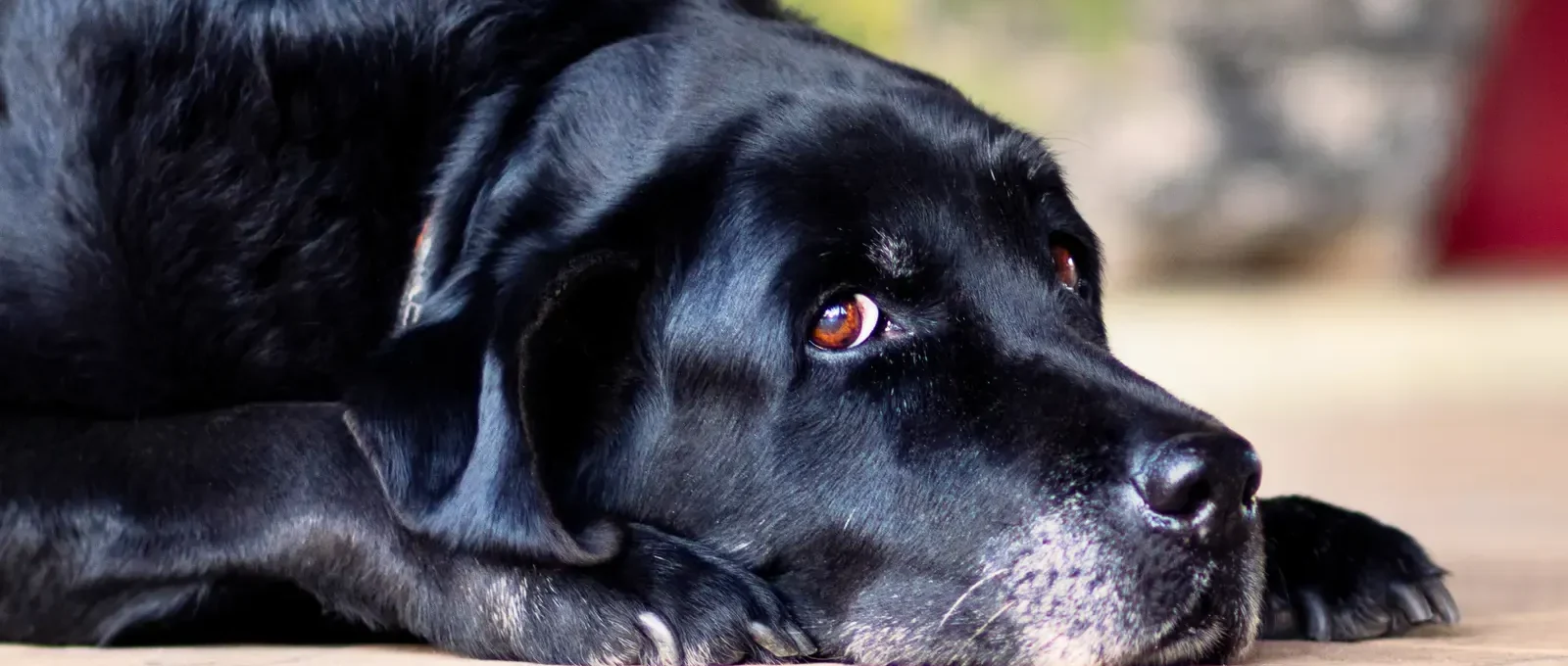

If you’re reading this article right now, it’s likely because something has shifted. Your dog — the one who has been by your side through everything, the one whose face is the first thing you look for when you walk through the door — seems different. Something in the way they move, or don’t move. Something in the way they look at you. Something that makes your heart clench in a way you don’t quite want to name yet. You are not imagining it. And you deserve honest, compassionate information to help you understand what might be happening and what you can do to help.
Recognizing the signs that a dog is dying is one of the most painful responsibilities that comes with loving one. Just knowing your dog is nearing the end of life is awful. You and your veterinary team can create a plan to keep you and your dog in the best physical and emotional health possible during this challenging time. This guide is written with that understanding at its center — the understanding that the person reading it is someone who loves their dog profoundly and wants to do right by them in whatever time remains. There is no clinical detachment here. Just honest information, practical guidance, and the reminder that recognizing these signs is itself an act of love — because it allows you to give your dog the comfort, dignity, and presence they deserve in their final days.
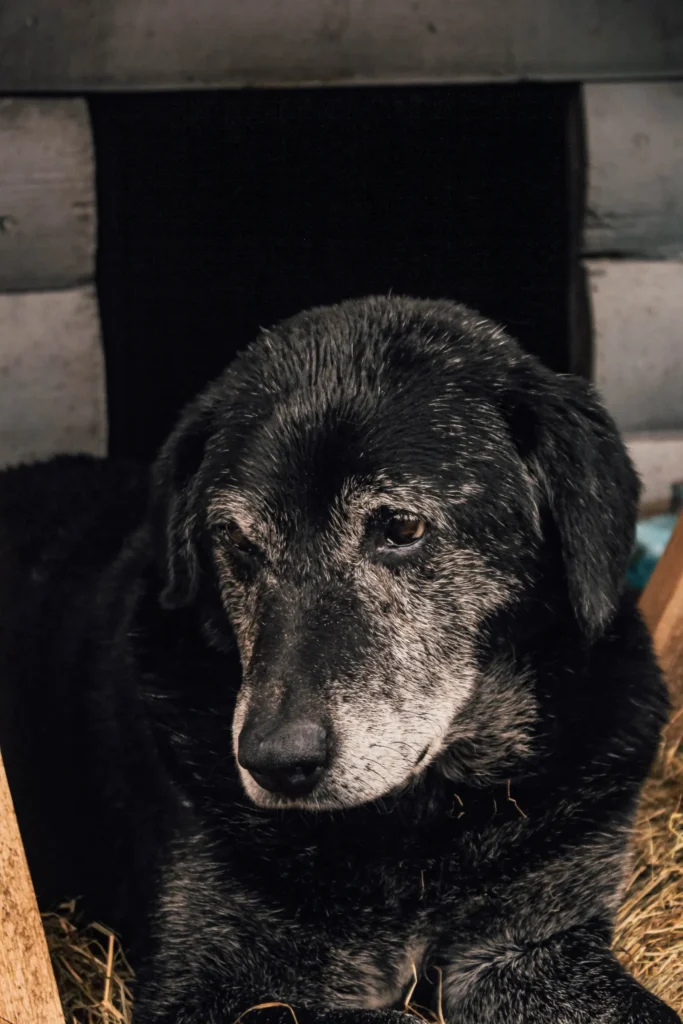
This is not an easy article to read. But it might be one of the most important ones you ever do.
The Hardest Part of Loving a Dog
Every dog owner knows, somewhere in the back of their mind, that this moment will come. The math of a dog’s lifespan versus a human’s is written into the relationship from the very beginning, and most of us make our peace with it — or try to — somewhere in the middle years, when our dogs are healthy and the end feels comfortably distant. But when it actually arrives, when the dog who has been your shadow and your comfort and your greatest daily joy starts showing the signs described in this article, that distance collapses instantly.
For every person who loves and shares their life with a dog, the dreaded and inevitable day will come — the day when you question whether or not to intervene in how and when your dog’s life will end. It’s the thought of saying goodbye to your dog for the last time. There are no perfect words for what that experience is like, and no amount of preparation makes it easy. What knowledge can do is spare you the second-guessing and guilt that comes from not understanding what you’re seeing. You know your dog best. Guardians are most often the first people to notice early signs of illness or distress. You know their subtle behaviors, routines, and body language. Trust that knowledge. It brought you here. And it will guide you through what comes next.
Understanding the Difference Between Aging and Dying
One of the most genuinely difficult aspects of recognizing end-of-life signs in dogs is that many of them overlap with normal senior aging — which means distinguishing between “my dog is slowing down because they’re getting older” and “my dog’s body is beginning to shut down” requires careful observation and veterinary guidance. For guidance on supporting your dog through their golden years, see our senior dog care guide.
The Stages of a Dog’s End of Life
Just like us, dogs also go through various stages of aging. These stages of life can be categorized as senior, geriatric, and end of life. A dog enters its senior stage when it starts showing signs of aging. These signs include graying fur, reduced energy levels, and slower movements. In this stage, a dog may start developing health issues such as arthritis and loss of hearing and vision.
The end-of-life stage is characterized by a more rapid, more comprehensive decline across multiple systems simultaneously. There are some distinct differences between aging signs and end-of-life symptoms. For example, the former may include reduced activity and minor health issues. The latter includes signs of pain and a noticeable decline in overall health and mobility. When approaching the final days, a dog will show telltale signs. It will cause loss of appetite, weight, and mobility. It will also be more lethargic and show signs of deteriorating health. The key is the word “multiple” — a dog who is simply aging might show one or two of the signs in this article, usually slowly and over a long period. A dog who is actively dying tends to show several of them together, with an accelerating pace of decline that feels qualitatively different from normal aging.
When to Call Your Vet Immediately
Before we go any further, this point needs to be made clearly: if your dog is showing any of the signs in this article, a veterinary consultation is essential. A dog’s behaviours usually change as they get older, so it can be difficult to tell the difference between the deterioration of quality of life and general slowing down with age. Since some symptoms also occur in treatable conditions, a vet visit is crucial at the first sign of trouble. They can determine treatability or identify serious issues.
Some conditions that mimic dying are actually treatable — and what looks like the end might be a medical crisis that, with intervention, your dog can recover from. Never assume a diagnosis without veterinary confirmation. The signs in this guide are to help you understand and recognize what you’re seeing — not to replace the professional evaluation that your dog deserves.
15 Signs Your Dog May Be Dying
1. Extreme Lethargy and Withdrawal From Life
This is the sign that most dog owners notice first — and the one that is most universally present across all end-of-life situations. This is the most common sign that the dying process has begun. Lying in one spot — oftentimes a quiet spot where they don’t usually lie — not interested in toys or walks, barely acknowledging family members — in other words, just not acting like themselves.
Many dogs become less active and energetic towards the end of their lives. They start sleeping more and show less interest in going out for walks or participating in their regular activities. There is a quality to end-of-life lethargy that is different from ordinary tiredness or even illness-related fatigue. It’s a profound disengagement — as if the dog is slowly turning their attention away from the external world and inward. The tail doesn’t wag at the sound of the leash. The eyes don’t brighten at the word “walk.” The food bowl goes untouched. In general, dogs like to move, walk, play, bounce, cuddle, fetch, eat, drink, and relieve themselves. Any time your dog is listless or lethargic, not “acting like himself,” you can be sure he’s not feeling well for some reason. When that listlessness is profound, persistent, and accompanied by other signs, it is one of the clearest indicators that the dying process has begun.
2. Loss of Appetite and Refusal to Drink
It is common for dogs to lose interest in food and water in their final days, particularly if they are experiencing nausea or pain. This is one of the most heartbreaking signs to witness, because food and its associated rituals — the excitement at the sound of kibble, the enthusiastic bowl-cleaning, the hopeful eyes during human mealtimes — are so central to most dogs’ daily joy and personality.
A common sign that a dog is close to death is when they start refusing to eat or becoming fussy with certain foods. If they feel sick or take medication that causes a loss of their sense of smell or taste, the pet may also lose their appetite. Offering foods with a strong smell, or warming up the food to increase the scent, can be ways to help engage your pet’s senses. A vet may also be able to prescribe either an appetite stimulant or a medication to reduce the nausea, if that is the cause. Water is extremely important for your dog’s health. As he ages or becomes more ill, he may lose interest in his water bowl. Loss of the swallow reflex is a very bad sign. If your dog has stopped eating and drinking entirely, this warrants an urgent veterinary conversation — both because it might be treatable and because your vet can advise on how to keep your dog hydrated and comfortable if it isn’t.
3. Rapid and Unexplained Weight Loss
You may notice that your dog seems to be losing weight rapidly. While weight loss is common in older dogs, extreme or rapid weight loss can be a sign that a dog is nearing the end of life. Extreme weight loss can occur from not eating or changes in their metabolism due to certain conditions.
The weight loss associated with dying is often dramatic enough to be visible — ribs, hip bones, and the spine becoming prominent even through a dog’s coat. Severe weight loss is a common sign that may indicate your dog is really sick. It can be directly related to lack of appetite and is a common part of the dying process. Elderly dogs can find it difficult to digest food and protein, which causes them to lose weight. As a result, their health deteriorates significantly. When you can feel your dog’s bones through their coat in places where there was previously good muscle and fat coverage, and when this change has happened over weeks rather than months, it is a significant indicator worth discussing with your veterinarian urgently.
4. Labored or Irregular Breathing
Changes in breathing are among the most alarming end-of-life signs — and among the most important to recognize, because labored breathing is associated with significant discomfort and warrants prompt veterinary attention for pain and symptom management. Intense lethargy, lack of interest in food, decreased ability to move around, incontinence, labored breathing, and behavior changes are a few things to watch for.
End-of-life breathing changes can take several forms: unusually slow and shallow breaths, rapid panting at rest without obvious cause, long pauses between breaths, or a rattling quality to the breath as secretions accumulate. Without humane euthanasia, a pet’s breathing patterns continue to falter, and dogs may develop a “death rattle” in their chest, when mucus builds up in the throat. Any significant change in your dog’s breathing pattern — particularly labored, effortful breathing at rest — should prompt an immediate call to your veterinarian. This is a symptom where palliative management can make a profound difference in your dog’s comfort.
5. Loss of Bladder and Bowel Control
Incontinence, or loss of control of the bladder and/or bowels, is a fairly common occurrence in senior dogs. In the context of end of life, incontinence takes on a different character — it’s not the occasional accident of a sleeping senior dog but a more complete loss of the voluntary control that normally keeps these functions regulated. A dog who has always been fastidious about their toileting and who begins soiling themselves without seeming to notice or care is showing a sign of significant neurological and physical decline.
Signs your dog is suffering include whining, difficulty breathing, severe compromised mobility, disinterest in things she used to enjoy, and lack of appetite and desire to drink. If signs of disease like vomiting and diarrhea cannot be controlled, this is not a comfortable quality of life. If your dog is experiencing incontinence alongside other signs on this list, keeping them clean, dry, and on comfortable, washable bedding is one of the most important things you can do for their dignity and comfort in their final days.
6. Dramatic Changes in Social Behavior
Other signs that a dog is dying is if they either socially distancing themselves from humans or other pets, or become unusually clingy or needy. If you notice your dog seeking solitude, respect their space and engage with them slowly and calmly. On the other hand, they may instead express an unusual desire to be closer to you, so give them some extra TLC. This behaviour will be unique to each pooch, but keep an eye out for an unusual change in their level of needs.
Some dogs withdraw entirely — finding quiet corners, hiding under beds, or lying in spots they never normally chose, seeming to want to be alone with whatever internal experience they’re having. Some dogs begin to withdraw from their families. Spending hours hiding and sleeping in a quiet corner could be warning signs your dog is dying. Other dogs become clingier, needing constant reassurance as their senses deteriorate. Others move in the opposite direction, becoming more attached than they’ve ever been — following their person from room to room, pressing against them, seeking constant physical contact. Both patterns are meaningful. Both deserve your loving, patient response.
7. Persistent Pain and Visible Discomfort
Pain and discomfort are common symptoms at the end of a dog’s life. Pain: if your dog is in pain, it may remain hidden or become reluctant to interact with the family. Your dog may seem to be panting more than usual or trembling. You may also notice other signs of pain like irritability, restlessness or aggression. Discomfort: when feeling discomfort, some dogs may sleep more than usual or seek out new resting places for comfort, which they may then be reluctant to leave.
Pain management is one of the most important aspects of end-of-life care, and this is an area where your veterinarian is an essential partner. Your vet can offer options like anti-inflammatories, opioids, or palliative care strategies to address the pain directly and relieve the accompanying emotional distress. A dog in unmanaged pain is not having a dignified, peaceful end-of-life experience — and there is no reason they should have to be. Modern veterinary palliative care options are genuinely effective at maintaining comfort even when curative options are no longer viable. If you believe your dog is in pain, please contact your veterinarian today.
8. Loss of Coordination and Muscle Weakness
Between the loss of muscle mass and the malfunction of proprioceptive nerves, coordination will decline. He may struggle with steps and navigating obstacles, or slip on non-carpeted surfaces. Some dogs stumble or have trouble placing their feet correctly when walking. These signs are usually progressive, with only mild periodic bumbles at first that slowly become more frequent and more severe. Some dogs may also experience involuntary muscle twitching. You can help your dog by providing non-slip surfaces to walk on and using a harness or sling to support him when walking and going outside to eliminate. Ramps can help him navigate stairs and get on and off furniture.
Watching a dog who was once physically capable and confident struggle to walk, stand, or maintain balance is one of the most visible and distressing manifestations of the dying process. The muscle wasting that accompanies end-of-life decline isn’t just about losing weight — it’s the loss of the physical infrastructure that allowed your dog to move through the world. Providing practical support — non-slip mats, ramps, assisted walking with a harness or towel sling — helps maintain their dignity while keeping them mobile for as long as possible.
9. Extreme Changes in Body Temperature
As a dog’s body systems begin to shut down, maintaining normal core temperature becomes increasingly difficult, and temperature extremes in either direction are meaningful signs. Before making end-of-life decisions, talk to your veterinarian about your dog’s health and be sure to tell them if you’re noticing signs which could mean your dog’s time is nearing an end. A dog who feels unusually cold to the touch — particularly the extremities like paws, ears, and nose — is showing signs of impaired circulation as the heart and cardiovascular system lose their ability to maintain adequate blood flow. Conversely, a dog running an unexplained fever may be fighting an infection that has overwhelmed their compromised immune system.
Keeping a dying dog warm is one of the most basic and important comfort measures available. A soft, warm blanket in a quiet, draft-free space can make an enormous difference to a dog whose body can no longer regulate its own temperature effectively. Check your dog’s warmth regularly and adjust their environment as needed.
10. Glassy, Unfocused, or Distant Eyes
The eyes are often described as the window to the soul, and in dying dogs, changes in the eyes communicate the depth of their decline with particular clarity. A dog who normally makes warm, direct eye contact and whose eyes are bright and responsive may develop a glassy, unfocused quality in their gaze — looking through rather than at you, seeming to focus on something distant or internal rather than their immediate environment.
Lying in one spot, not interested in toys or walks, barely acknowledging family members — in other words, just not acting like themselves. When the eyes that once lit up at the sight of you seem dull and far away, something profound has shifted. This is not a sign to dismiss or explain away. It is one of the most reliable indicators that a dog is moving into the final stage of their life, and it calls for the kind of gentle, present, loving companionship that your dog deserves in those moments.
11. Restlessness and Inability to Get Comfortable
Some dogs may become restless near the end of life. Dogs that are uncomfortable or in pain may pace aimlessly or change positions often. This can also lead to trouble sleeping since they can’t get comfortable enough to settle down. This restlessness is particularly distressing to witness because it communicates that your dog is suffering and cannot find relief — and it stands in such contrast to the profound lethargy that characterizes other aspects of dying.
Does your dog appear restless? Pacing or whining without reason may happen as they struggle with discomfort or a building sense of anxiety. Disorientation and confusion are also common. How you can help: consider setting your dog up with a memory foam bed to help make them as comfortable as possible. Be sure to talk to your vet about pain management options. Restlessness in a dying dog is a clear signal that pain management needs attention — it is almost always driven by uncontrolled discomfort, and your veterinarian can prescribe medications that provide genuine relief.
12. Medications and Treatments Stop Working
As your dog’s body wears out, he may stop responding to treatments and medications that had previously kept him happy and healthy. This is one of the most significant and definitive signs that a dog’s body has moved beyond the reach of medical intervention. The arthritis medication that once let your dog bound up the stairs with ease no longer touches the pain. The heart medication that stabilized things for months stops producing the same results. The appetite stimulant that reliably got them eating again no longer works.
When treatments that previously managed your dog’s conditions lose their effectiveness across multiple systems simultaneously, the body is communicating that it has reached its limits. Warning signs are often subtle changes at first. Small changes to energy level, eating and drinking habits, breathing patterns, and behavior are clues to take seriously. If you notice severe changes or decline despite intervention, your dog may be telling you their body is reaching its limits. This is an important conversation to have with your veterinarian — not as a resignation, but as a pivot toward comfort and quality of life as the primary goal.
13. Disorientation and Cognitive Confusion
You might find your dog staring at walls, getting stuck in corners, or forgetting where their water bowl is as canine cognitive dysfunction sets in — a condition similar to dementia in humans. This cognitive deterioration can be one of the most disorienting signs for owners to witness, because the dog who gets lost in their own familiar home, who stares blankly at food they would normally devour, who doesn’t recognize faces they’ve known for years — that dog seems to have already partly left.
Cognitive dysfunction in dying dogs can be caused by reduced oxygen reaching the brain as cardiovascular function declines, by neurological changes associated with certain diseases, or by the advanced progression of canine cognitive syndrome itself. Whatever the cause, a confused, disoriented dog benefits enormously from a calm, stable, low-stimulation environment — familiar smells, gentle voices, consistent routines, and the reassurance of your quiet presence.
14. Unusual Odors From the Body
This sign is difficult to discuss and yet important to mention, because it is one that many caregivers notice and don’t know how to interpret. As a dog’s organs begin to fail, the body’s ability to process and eliminate metabolic waste products becomes compromised — and this can produce distinctive odors that weren’t present before. A sweet or acetone-like smell can indicate metabolic changes associated with organ failure. An unusual odor from the mouth may signal kidney or liver dysfunction as waste products build up in the bloodstream. Changes in the smell of urine or feces can reflect digestive and metabolic system decline.
These odors are not a sign that your dog is unclean or that you have done something wrong — they are physiological signs of systemic decline, and they are worth reporting to your veterinarian as part of the overall clinical picture of your dog’s condition. Keeping your dog gently groomed and clean during this period, to the extent they tolerate it, helps maintain their comfort and dignity.
15. Seeking Out Solitude or Their Favorite Spot
Many dying dogs demonstrate a particular behavior in their final days that is both instinctive and profound: they seek out a specific place — a quiet corner of the yard, the spot under a favorite tree, the patch of floor by the window where the afternoon sun always falls — and spend their final hours there. Those final moments together are about presence. The most important thing you can offer amid signs your dog is dying is the peace of knowing they are not alone.
This behavior is thought to be an instinctive response — in the wild, a dying animal who seeks isolation removes themselves from the group to avoid slowing others down or attracting predators. In a domestic dog, it often manifests as a strong preference for a particular quiet spot. If your dog is doing this, follow their lead — bring their bed to their preferred location if possible, sit with them there, and let the space they’ve chosen become the place where you say goodbye.
How to Assess Your Dog’s Quality of Life
One of the hardest questions in the entire end-of-life journey is: is my dog still having a good enough quality of life? The answer is different for every dog and every situation, but there are frameworks to help you navigate it.
The Quality of Life Scale
You can use the Quality of Life scale created by Dr. Alice Villalobos to assess a dog’s overall physical and mental well-being. The parameters for the scale include multiple factors that each rate on a scale of one to 10. Total scores of 35 or higher suggest that a dog still has an acceptable quality of life and that palliative care options may be beneficial. Scores below 35 indicate an unacceptable quality of life and that the dog may need hospice or euthanasia considerations sooner rather than later.
If you’re looking for signs that it’s time to talk about humane euthanasia, these questions can help determine your dog’s quality of life: Is your dog still eating and drinking? Are they still able to enjoy the same activities and social interactions with you and other pets in the household? Is your dog comfortable at home, able to move about to urinate or poop, and able to rest without experiencing pain? Ultimately, are they having more good days than bad? If the answer to these questions is no, then it’s probably time to consider end-of-life care for your dog. These questions cut through the emotional complexity of the situation and focus on the only thing that truly matters: your dog’s actual daily experience of being alive.

How to Keep a Dying Dog Comfortable
Once you have recognized that your dog is approaching the end of their life, the focus of care shifts — from trying to fix or cure to providing comfort, dignity, and love. Make sure he has palatable food, such as canned food or some plain cooked chicken mixed in with his kibble. If he is supposed to be on a prescription diet but hates it, this is the time to let him eat whatever he wants. Keep him company or leave him alone depending on his preferences.
Provide a soft, warm, easily accessible bed in a quiet, familiar location. Keep the environment calm and low-stimulation — familiar smells, gentle voices, minimal disruption from visitors who might overstimulate a dog whose senses are already overwhelmed. How you can help: consider setting your dog up with a memory foam bed to help make them as comfortable as possible. Be sure to talk to your vet about pain management options.
Work closely with your veterinarian on pain management — this is non-negotiable. A dog in managed pain has a fundamentally different end-of-life experience than one in uncontrolled suffering. Keep your dog clean and dry to maintain their dignity. Offer water frequently in whatever form they’ll accept. And most importantly — be there. Your presence, your voice, your touch are among the most powerful comfort tools available to you. Whether it’s sharing a favorite snack, lying together in a quiet room, or simply holding your dog’s paws, these final moments are part of the bond you’ll carry forever.
Understanding Euthanasia — The Most Compassionate Option
This section is written with profound respect for the difficulty of what it addresses. A natural death does not mean a peaceful death, and the stages of dying can be very stressful to watch. This is why euthanasia is used to provide a pain-free, humane end of life for pets. This is one of the most important truths in end-of-life dog care — and one that many owners struggle to accept, because choosing euthanasia feels like actively ending a life rather than allowing a natural process to unfold.
One of the most painful yet compassionate decisions a pet owner must make is letting go. Many families wrestle with this uncertainty. That’s normal. Your dog’s quality of life is the most important guide. Is my dog still enjoying anything? Are they eating or drinking? Can they rest without obvious pain? If the answer is “no,” it may be time to consider euthanasia. This end-of-life decision is never easy for a dog owner, but it can be your final gift of love, and your dog’s last moments can be free of fear and suffering.
The euthanasia appointment will begin with veterinary technicians placing an IV catheter into your dog’s vein to ensure all injections can be delivered easily. The process is genuinely peaceful — most dogs simply relax and fall into a deep sleep within seconds of the medication being administered, their breathing slowing and stopping while they lie in your arms or beside you. It is the last and perhaps the greatest act of care you can offer a dog who has given you everything they had.
Coping With the Grief of Losing Your Dog
Whatever path the end takes — natural death, or the compassionate choice of euthanasia — what comes after is grief. Real, profound, legitimate grief that deserves to be honored without apology or timeline. Saying goodbye to your dog is a process, and it can take a long time. But at some point the healing can begin, and this is when many people begin to start thinking about opening their home and heart to another dog.
Give yourself permission to grieve fully — to cry, to talk about your dog endlessly, to feel the specific weight of the particular silences their absence creates. Seek out people who understand — friends who have lost dogs, online pet loss support communities, grief counselors who specialize in pet bereavement. Don’t let anyone tell you the size of your grief is inappropriate for what you’ve lost. The depth of grief is simply the measure of the love, and the love was real, and it mattered completely.
Conclusion
Reading this article — actually reading it, sitting with its contents, allowing yourself to recognize the signs it describes in the dog you love — is one of the bravest things a dog owner can do. Because it means you’re choosing knowledge over denial, and your dog’s wellbeing over your own comfort. That choice is love in one of its most selfless and meaningful forms.
You know your dog best. Guardians are most often the first people to notice early signs of illness or distress. You know their subtle behaviors, routines, and body language. You are your dog’s best advocate. Use that knowledge now — to recognize what’s happening, to talk to your veterinarian, to provide comfort, and to be present. Whatever time remains, however much or little, can be filled with the kind of quiet, loving togetherness that your dog has always given you without reservation. That is what they deserve at the end. And you are the one person in the world who can give it to them.
If you are currently supporting a pet through end-of-life care and are finding it difficult, please reach out to your veterinarian, a pet loss support group, or a trusted person in your life. You don’t have to navigate this alone.
Frequently Asked Questions
1. How do I know if my dog is dying or just very sick? The key difference is the combination and progression of symptoms. A sick dog typically shows one or two symptoms that respond to treatment over time. A dying dog tends to show multiple overlapping symptoms — loss of appetite, lethargy, weight loss, breathing changes, incontinence — that are progressive and increasingly unresponsive to treatment. A veterinary evaluation is essential to distinguish between the two, as some conditions that appear fatal are actually treatable.
2. How long can a dog live after showing end-of-life signs? This varies enormously depending on the underlying condition, the dog’s overall health, and the specific signs present. Some dogs show end-of-life signs for weeks before passing, while others decline rapidly over 24–72 hours. There is no reliable timeline that applies across all situations. Your veterinarian can give you the most honest assessment of what to expect based on your specific dog’s condition and progression.
3. Should I stay with my dog when they are euthanized? This is a deeply personal decision with no right or wrong answer. Many veterinarians and pet loss counselors encourage owners to be present, as most dogs are comforted by their owner’s presence and most owners find it meaningful to be there at the end. However, if being present would be too overwhelming for you to stay calm and present, it is also valid to say goodbye before the procedure and step away. Your dog’s comfort and your own wellbeing both matter.
4. Is it cruel to let a dog die naturally without euthanasia? This depends entirely on the individual situation. Some dogs do pass naturally and peacefully in their sleep. However, natural death is not always peaceful — it can involve increasing pain, respiratory distress, and prolonged suffering that euthanasia would prevent. The question to guide this decision is your dog’s quality of life and comfort level. If your dog is suffering and there is no realistic prospect of improvement, euthanasia is generally considered the most compassionate option by veterinary professionals.
5. How do I cope with the guilt of choosing euthanasia? Guilt after euthanasia is an almost universal experience — and almost always unfounded. The decision to end suffering through euthanasia is made from love and consideration for your dog’s experience, not for your own convenience. Most people who have made this decision ultimately come to see it as the final and most profound act of care they gave their dog. Give yourself time, seek support from people who understand pet loss, and remember: the fact that you are grieving so deeply is evidence of how well you loved.




Leave a Comment