
12 Proven Ways to Boost Your Dog’s Confidence (And Why It Changes Everything)
Picture two dogs at a dog park. The first trots in with their tail up, curious nose working overtime, greeting strangers and sniffing new smells without a second thought. The second hangs back near the gate, body low, tail tucked, eyes darting — watching everyone else have fun from a safe distance. Which dog do you think is living their best life? The answer is obvious. And if your dog looks more like the second one — hesitant, fearful, or easily overwhelmed — then this article is exactly what you’ve been looking for.
Dog confidence is one of those topics that doesn’t always get the attention it deserves. We spend a lot of time training dogs to sit, stay, and come — but we spend far less time thinking about the emotional foundation those commands are built on. A dog who lacks confidence doesn’t just struggle in social situations. They live with a baseline level of stress and anxiety that colors every part of their day, from walks to greetings to simply existing in a world that constantly throws unfamiliar things at them. It’s critical to build confidence in a fearful dog because a confident pooch feels prepared for and more at ease with new situations. Confidence also keeps a dog healthy by reducing the number of stress hormones like cortisol that they produce when faced with scary things like thunderstorms. Additionally, helping a dog gain confidence ensures it has an appropriate emotional response to stressors and prevents it from reacting in a negative or dangerous way.
The great news? Confidence isn’t fixed. Whether your dog is a nervous rescue, a shy puppy who missed early socialization, or an older dog whose boldness has faded with age, there is an enormous amount you can do to help them feel more secure, capable, and joyful in their own fur. This guide covers 12 genuinely effective, expert-backed strategies for building dog confidence — along with everything you need to understand about why this work matters so much and what it actually looks like in real life.
What Does a Confident Dog Actually Look Like?
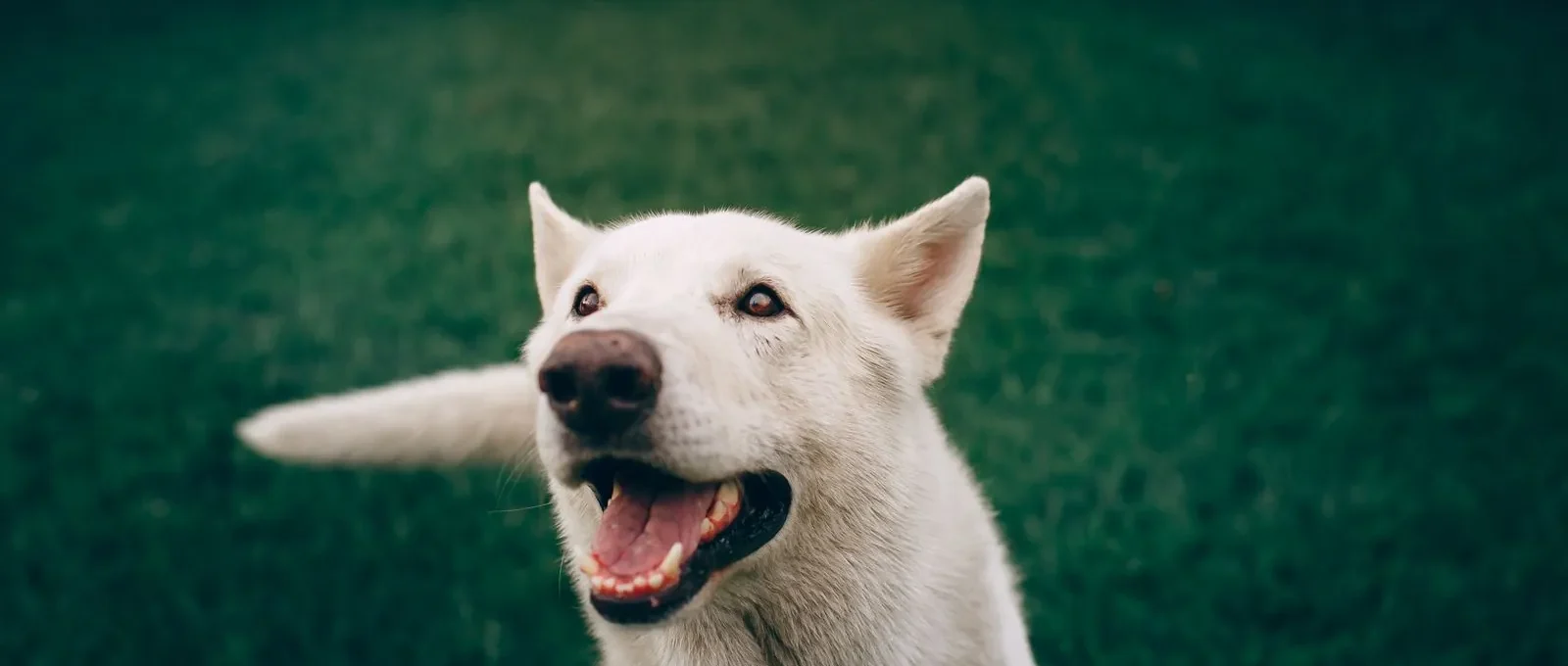
Before we can build confidence, it helps to understand what we’re aiming for. A confident dog isn’t necessarily the loudest, bounciest, or most socially aggressive dog in the room. Confidence in dogs looks a lot more like ease than bravado. Signs of a confident dog include a wagging tail, wiggly body, eagerness to greet other people and dogs, and a relaxed mouth with their tongue hanging out or a grin expression. While some dogs may naturally adopt these behaviors, others may have to work up to being this comfortable around others.
A confident dog investigates new things with curiosity rather than panic. They recover quickly from startling moments rather than staying rattled for hours. They can be in an unfamiliar environment without shutting down or becoming reactive. They move through the world like it’s a reasonably safe and interesting place — not like a minefield waiting to explode. That’s the goal: not fearlessness, but resilience. The ability to encounter something new or unexpected and handle it without falling apart.
Signs Your Dog Lacks Confidence
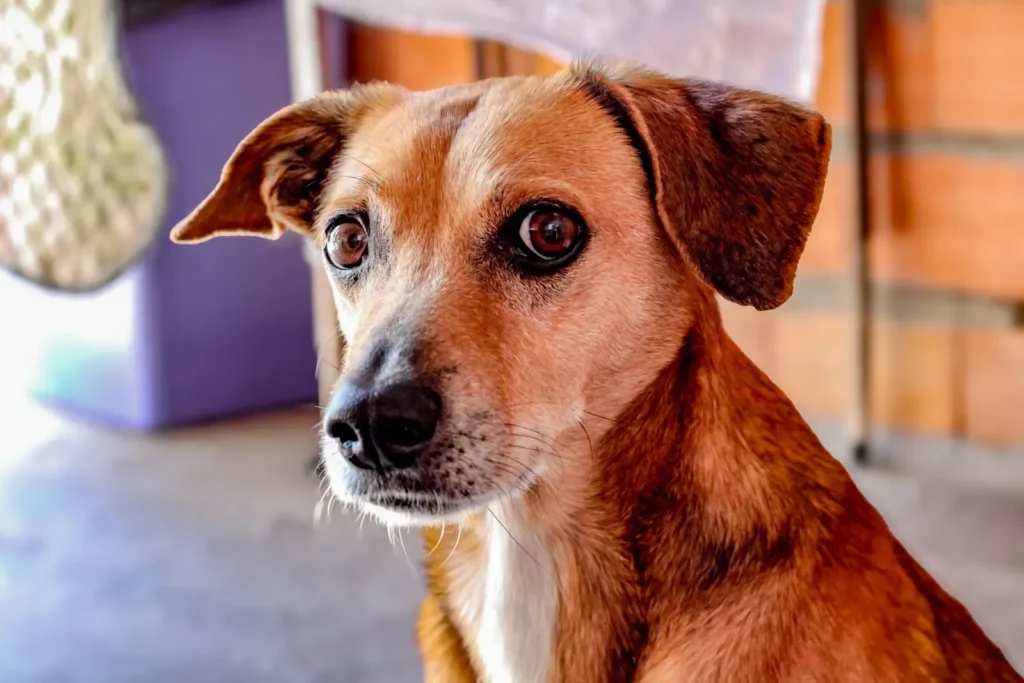
Knowing what to look for is the first step toward helping your dog. You can determine if your dog is shy or fearful by looking at their body language. “It’s most obvious when a dog is showing body signals of fear: tucked tail, ears back, avoidance, shaking, trying to hide, things that most people clearly would recognize as an avoidance and a fear behavior,” says Dr. Patrick Melese, a board-certified veterinary behaviorist. Additional signs include panting, lip licking, shaking off, dropping their tail and maybe even crouching.
Beyond those obvious physical signals, there are subtler behavioral patterns that point to low confidence too. Does your dog always stay glued to your side in new environments? Do they refuse to explore unfamiliar rooms or objects? Do they bark or growl at things that seem harmless? With fear aggression, your dog may show many signs: growling, barking, lunging, wide-eyed staring, and biting. This can be scary, especially because your pup can exhibit behaviors they normally never do. If left untreated, fear aggression can progressively worsen as your dog ages, and social situations can cause even more problems. Recognizing these patterns early — and responding with patience rather than frustration — is the foundation of everything that follows.
Why Some Dogs Struggle With Confidence More Than Others
Not all dogs start from the same emotional baseline, and understanding why helps you approach your dog’s specific situation with the right expectations. Each dog has a unique personality that can be influenced by breed, parentage, rearing practices, genetics, past experiences, socialization, and habituation, among others. There are extrovert dogs and introvert dogs — and you can’t change that basic nature. While some dogs can naturally be more confident and energetic, others can be more laid-back or hesitant.
Genetics plays a real role. Some dogs are always going to be more nervous than others, even if they had the best start and stellar socialization experiences. That doesn’t mean we can’t influence things so that they are the most confident they can be. However, a dog whose genetics sway them to be more cautious may never be as confident in ambiguous situations as a dog who has a genetic tendency towards confidence. Early life experiences matter enormously too. Dogs born in poor conditions tend to lack confidence. If the breeder didn’t provide age-appropriate stimulation and learning opportunities, those puppies miss out on developing the coping and problem-solving skills they need to navigate the world. Rescue dogs, dogs who experienced abuse or neglect, and dogs who simply missed the critical socialization window during puppyhood are all particularly likely to need deliberate confidence-building work.
Why Building Your Dog’s Confidence Matters More Than You Think
Here’s something that surprises a lot of dog owners: many of the behavior problems they struggle most with — reactivity on leash, excessive barking, separation anxiety, fear of strangers, aggression at the vet — are not really training problems. They’re confidence problems. A dog who lunges at other dogs on leash isn’t being dominant or “bad.” In most cases, they’re terrified. A dog who destroys the house when left alone isn’t being spiteful. They’re experiencing a panic response driven by insecurity.
The goal isn’t necessarily to make your dog love everything and everyone. It’s about helping them remain calm and confident when facing new situations. A well-socialized dog isn’t fearful or aggressive when encountering novelty — they’re curious, adaptable, and secure in their environment. When you build your dog’s confidence, you’re not just making them better at dog parks. You’re reducing their overall stress load, which has direct positive effects on their physical health, their trainability, their relationship with you, and their quality of life. Helping your dog build confidence is key to them feeling more secure and comfortable in new situations. This in turn can make them more resilient to stress and improve their behavior. That’s a pretty compelling return on investment for what amounts to being a thoughtful, patient dog owner.
The 12 Best Ways to Boost Your Dog’s Confidence
1. Use Positive Reinforcement Training Every Single Day
Positive reinforcement isn’t just a training method — it’s a confidence-building machine. Every time your dog does something right and gets rewarded for it, they learn something incredibly powerful: their actions have predictable, positive outcomes. That sense of agency and predictability is the bedrock of confidence. Dogs who know how to access their reinforcers will be more confident navigating the world. Predictable environments and reliable outcomes help them feel safe.
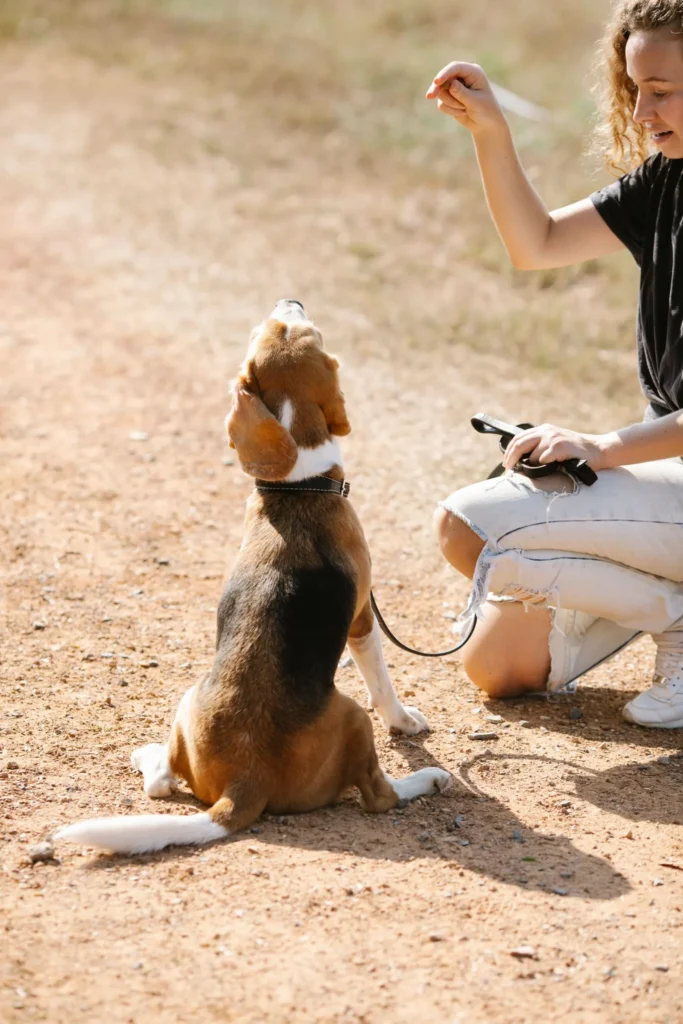
Keep training sessions short, positive, and frequent. Five minutes three times a day beats an exhausting hour-long session once a week for most dogs. End every session on a success — ask for something easy your dog can nail confidently before wrapping up — and use high-value treats for especially challenging situations. The goal of each session isn’t just to teach a command; it’s to give your dog the experience of succeeding. And dogs who experience regular success start approaching new challenges with optimism rather than dread. Letting your dog win shows them that their efforts pay off, which builds optimism and persistence.
2. Master the Art of Desensitization
Desensitization is the process of gradually exposing your dog to something that frightens them — at such a low intensity that it doesn’t trigger a fear response — and slowly building up their tolerance over time. Think of it as turning the volume down on fear until it becomes manageable. Desensitization involves repeatedly exposing your dog to the stimuli it finds scary to desensitize its impact. Begin desensitization training sessions slowly by keeping your dog at a safe distance from the unsettling place or situation. Gradually increase the duration of the exposure while also observing the dog’s body language for signs of anxiety or distress.
The key word here is gradually. Avoid pushing your dog into situations hoping they’ll get used to it — they won’t. It’s more likely they’ll be overwhelmed and less able to cope next time. If your dog is afraid of traffic, you don’t start by walking them down a busy highway. You start at a distance where they can see traffic without reacting, reward calmness, and very slowly over multiple sessions decrease that distance. Patience is absolutely essential here — pushing too fast sets the process back significantly and can deepen fear rather than reduce it.
3. Try Counter-Conditioning to Rewire Fear Responses
Counter-conditioning works alongside desensitization and takes the process one step further by actively replacing a fear response with a positive one. The idea is to change what your dog feels about a scary thing, not just their tolerance of it. You’re essentially finding ways to rewire your dog’s brain to associate something they were once afraid of with something they love. Let’s say your dog is afraid of skateboards. Try placing a skateboard on the floor with dog treats sprinkled on it. “The dog’s going to investigate and realize, ‘Oh, wait a minute, this could be a moving tray with treats.’ In effect, you’re trying to help change the dog’s opinion of this,” says Dr. Melese.
This technique works for almost any trigger: thunderstorms (pair with a game or high-value treats), strangers (have strangers offer tasty snacks rather than reaching out to pet), other dogs (reward calm behavior at a distance), or even the veterinary office (bring incredible treats and make every visit as positive as possible). Positive reinforcement can help make a scary situation palatable for dogs. Counter-conditioning involves rewarding a dog’s behavior when it responds in a confident way to potentially scary situations. Praise and treats — the cornerstones of positive reinforcement training — help connect a positive reaction to a fearful scenario.
4. Teach Basic Obedience Commands
This one might seem counterintuitive — how does knowing how to sit make a dog more confident? — but the connection is genuinely powerful. Obedience training: practicing basic commands like “sit” or “stay” in stressful situations or places redirects your dog’s attention from the frightening stimuli and places the focus on you. When a dog knows a clear set of commands, they have a script for scary moments. Instead of spiraling into panic when something unfamiliar appears, they can look to you, perform a known behavior, and receive a reward. That interruption of the anxiety cycle is invaluable.
Beyond that immediate practical benefit, the process of learning itself builds confidence. Building confidence is something that takes time and effort as it hinges on your dog having a secure attachment to you. By using a few techniques, you can help give your furry friend the tools they need to feel more secure in any situation, whether it’s at home, in a new environment, coping with a crowded place, or being happy around new people and other dogs. The stronger your dog’s bond with you — and the more they trust your cues — the more confident they feel venturing into the unknown, because they know you’re there to guide them.
5. Let Your Dog Win During Playtime
Play is one of the most underutilized confidence-building tools in a dog owner’s arsenal. Most people play with their dogs for pure fun — which is great — but there’s an easy way to make playtime do double duty as a confidence builder: let your dog win. Let them win often! Winning isn’t just fun — it’s confidence-boosting. Letting your dog succeed in play shows them that their efforts pay off, which builds optimism and persistence.
During tug games, let your dog “win” the toy regularly. During fetch, celebrate their retrieval like they’ve done something extraordinary. During hide-and-seek games with treats or toys, set the difficulty low enough that they find what they’re looking for without too much frustration. The experience of “I tried, I succeeded, I was celebrated” repeated over and over during play creates an emotional pattern — an internal sense of capability — that carries over into genuinely challenging situations. Check they are opting in as an active participant, not just tolerating or shutting down. Tug, flirt poles, silly games you make up together — it doesn’t matter. What matters is that they’re engaged and succeeding.
6. Build a Safe Space Your Dog Can Always Retreat To
Every dog — confident or not — benefits from having a designated safe space in the home. But for anxious, fearful, or low-confidence dogs, it’s not just a nice addition; it’s a necessity. One of the best ways to help boost your dog’s confidence is by providing them with a small space that allows them to feel secure. Doing so actually provides two-for-one value: they’ll not only feel safer while inside the space, but they’ll usually feel brave enough to take on new challenges afterward. A small, dark crate can serve as the ideal safe space, but you could also let your dog use a closet or nook.
Think of the safe space as your dog’s emotional recharging station. When the world feels too big, too loud, or too unpredictable, having somewhere they can go that is reliably calm and theirs gives them the security to keep trying. It’s critically important that this space is never used as a punishment — it should only ever be associated with safety, rest, and positive feelings. Over time, dogs who have a reliable safe space actually venture out more boldly, because they know they can always return to their anchor.
7. Take Regular Confidence-Building Walks
A daily walk is already good for your dog’s physical health, but approached with intention, it becomes one of the most powerful confidence-building tools you have. Walks are a wonderful, low-stress socialization opportunity. Your dog can see other people, animals, and places from a safe distance. You can also move at a comfortable pace for your pup.
The secret to a confidence-building walk is letting your dog do what dogs do: sniff. Sniffing is how dogs process the world, and dogs who are allowed to sniff extensively on walks show measurably lower stress hormone levels afterward. Instead of briskly marching your dog from point A to point B, try a “sniff walk” — go at whatever pace your dog sets, stop whenever they want to investigate, and let their nose lead. One of the most effective ways to build your dog’s social confidence is through gradual exposure to different environments. Start with calm, quiet locations and slowly progress to more stimulating settings as your dog’s comfort level increases. Begin by taking short walks in your neighborhood during quieter times of day.
8. Introduce Nose Work and Mental Enrichment Puzzles
If you’ve never tried nose work with your dog, prepare to be amazed at the transformation it can trigger in even the most anxious animals. Nose work — hiding treats or scented objects for your dog to find using their sense of smell — is one of the most confidence-boosting activities that exists for dogs, and the science behind why is fascinating. Nose work involves searching for hidden treats or toys with their advanced sense of smell. Food puzzles also encourage a dog to work to obtain its treats. Both are useful tools for enrichment and mental stimulation in addition to being confidence-building exercises.
The reason nose work is so powerful for confidence is that it lets dogs be experts. A dog who can barely approach a stranger might be an absolute genius at sniffing out hidden treats — and experiencing that expertise changes how they feel about themselves. It also tires dogs out in a deeply satisfying way that physical exercise alone doesn’t achieve, reducing their overall anxiety levels. Confidence isn’t built overnight — it’s a journey. One sniff, one tail wag, one brave little step at a time. Keep celebrating the small wins, and remember: progress doesn’t have to be linear.
9. Socialize Gradually and at Your Dog’s Own Pace
Socialization is crucial for building confidence, but poorly executed socialization can actually make things dramatically worse. The temptation is to throw a shy dog into social situations and hope they “figure it out” — but that approach almost always backfires. Throwing your dog into social situations that they’re not ready for can be detrimental to the confidence-building process. This means you’ll want to skip dog parks and doggie daycare visits for the time being and opt for play dates with one or two calm and friendly canines. But even during these times, let your dog set the pace. If they need more space, let them have it.
Gradually expand your dog’s social circle to include people of various ages, heights, and appearances. For instance, someone wearing a hat, sunglasses, or carrying an umbrella might look completely different to your dog. Each successful interaction builds their confidence and understanding that humans come in many forms. The goal at each stage is for your dog to feel curious rather than alarmed, to offer voluntary approach rather than retreat. Forced interactions feel like violations to a nervous dog and deepen their distrust of new situations. Voluntary interactions that go well deposit enormous amounts of confidence.
10. Set Up a DIY Agility or Obstacle Course
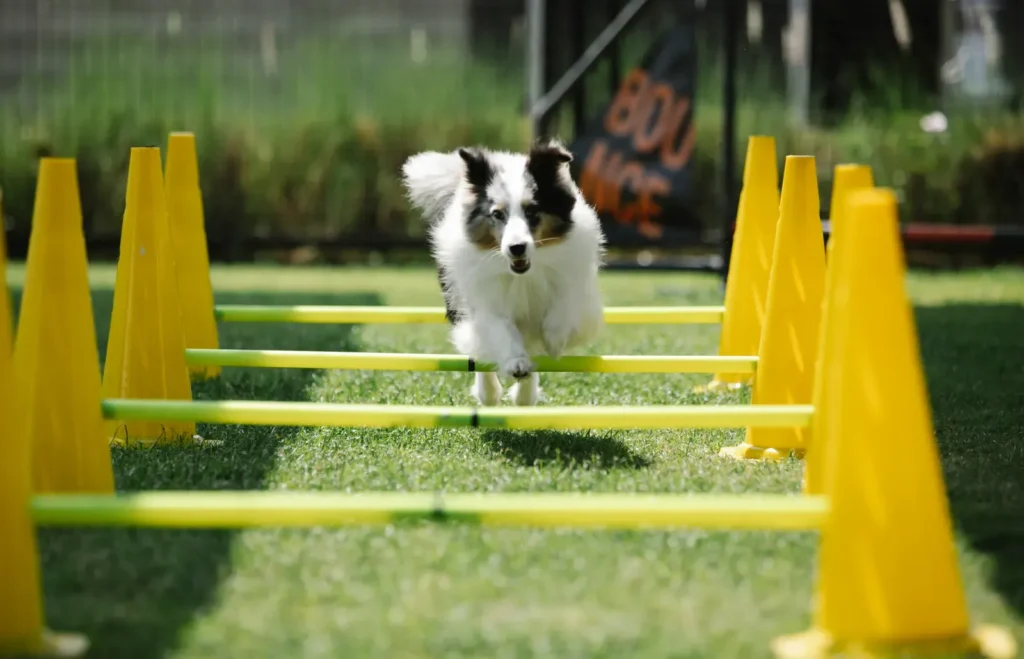
You don’t need a professional agility setup to give your dog the incredible confidence boost that comes from learning to navigate obstacles. Set up a simple DIY agility course at home or in your yard using cushions, hula hoops, broomsticks, and tunnels. Encourage your dog to explore and conquer each obstacle — reward every try, even if they just sniff it!
The reason obstacle and agility work is so effective for confidence is that it requires dogs to encounter genuinely novel, slightly uncomfortable things — unusual surfaces underfoot, objects that wobble, spaces that require squeezing through — and discover that they can handle them. Every conquered obstacle is evidence to your dog that the unfamiliar doesn’t have to mean dangerous. Start with extremely simple challenges: a slightly wobbly board on the ground, a low bar to step over, a tunnel they can see through. Reward exploration and engagement enthusiastically, and let the difficulty increase only as your dog’s comfort increases. It isn’t the amount of exposure alone that matters. It’s being exposed to situations and stimuli that have good, safe outcomes that is important.
11. Give Your Dog More Choices and Control
This is one of the most underappreciated confidence-building strategies, and it’s beautifully simple. Dogs who feel like they have some agency over their environment — some ability to influence what happens to them — feel dramatically less anxious than dogs who feel powerless. Giving dogs some choice and control helps boost their confidence. Let them take the lead (safely, of course!) This can look like many things in practice: letting your dog choose which direction to walk, allowing them to opt out of interactions they’re not comfortable with, giving them the choice between two toys during play, or simply letting them approach a new object in their own time rather than guiding them to it.
When introducing your dog to something new, place the novel object on the ground and let your dog decide whether and when to investigate. Sprinkle treats around it to create positive associations, but never push them physically closer than they’re comfortable with. Allow your puppy to approach strangers rather than the other way around. This lets your puppy set the pace. Have the strangers reward your puppy’s interaction with praise and treats. Keep it positive, so your puppy enjoys the experience and builds confidence with meeting new people. Every time your dog makes a choice and has it respected, their trust in the safety of new situations grows.
12. Be a Calm, Consistent, and Predictable Presence
Ultimately, the single most powerful thing you can do for your dog’s confidence is simply to be the kind of person they can rely on completely. The most important thing you can do? Be your dog’s safe space, their cheerleader, protector, and calm constant as they learn to navigate the world. Your dog reads your energy and body language constantly, and an anxious, inconsistent, or reactive owner will almost always produce an anxious, uncertain dog.
This means staying calm when your dog is frightened rather than matching their energy with alarm. It means responding consistently to their needs rather than being unpredictable. It means never laughing at their fear or forcing them into situations that terrify them for the sake of “exposure.” Check you are consistent in reinforcing the behaviors you want to nurture. If your dog doesn’t know how to access their reinforcers in a situation, then it leaves room for frustration or anxiety to creep in. When your dog looks at you during a scary moment and sees someone who is calm, steady, and trustworthy, something remarkable happens — they decide that maybe the world is safer than they thought.
Confidence-Building for Specific Situations
Building Confidence Around Strangers
Many dogs are perfectly comfortable at home but fall apart when encountering new people. The key to building confidence around strangers is to control the introduction and give your dog maximum agency in how it unfolds. Invite friends or family over, allowing your dog to interact with people in an environment they are already comfortable in — just don’t overdo it with too many people all the time. Allow your dog to approach your guests whenever they are ready.
Brief your guests before they arrive: no direct eye contact, no leaning over the dog, no reaching out to pet. Ask them to simply sit down, ignore the dog completely, and let treats happen passively — tossed on the floor near them rather than offered from the hand. Once your dog volunteers to approach and investigate, the relationship has started on the healthiest possible footing — one driven by your dog’s curiosity rather than a stranger’s enthusiasm.
Building Confidence Around Other Dogs
Dog-to-dog interactions are a major source of anxiety for many low-confidence dogs, and the stakes are high because a bad experience with another dog can set confidence-building back significantly. For some dogs, spending time with another dog can help boost confidence. Choose a calm, friendly dog whose owner you trust. Parallel walking — where two dogs walk alongside each other without direct interaction — is one of the gentlest and most effective ways to begin building positive associations with another dog’s presence. Let the dogs gradually choose to engage with each other as their comfort grows, and never force a face-to-face greeting before both dogs are relaxed.
When to Call in a Professional
The strategies in this guide work brilliantly for most dogs when applied consistently and patiently. But there are situations where professional guidance is not just helpful but genuinely necessary. If your dog is displaying fear aggression — growling, snapping, biting in response to fear — working with a certified force-free trainer or veterinary behaviorist is strongly recommended before attempting desensitization work on your own. If your pup is showing fear aggression symptoms whenever they interact with other people or dogs, schedule an appointment with your veterinarian. They may want to do a thorough examination to ensure there isn’t an underlying issue. Otherwise, they may help you find a dog behaviorist that could further help you and your dog.
Similarly, if your dog’s anxiety appears severe, constant, or completely resistant to improvement despite weeks of patient work, your veterinarian may be able to discuss whether behavioral medications could be appropriate alongside a training plan. Anxiety medications are not a substitute for confidence-building work — but for some dogs, they lower the baseline anxiety enough that training becomes possible in a way it simply wasn’t before. The tips shared above will help most dogs feel more confident, but they won’t always work for every dog. Unfortunately, some four-footers are especially nervous, and they require a bit of extra help to show real improvement.
Conclusion
Building your dog’s confidence is one of the most rewarding things you can do together as a team. It’s slow, sometimes frustrating, and always deeply personal — because every dog starts from a different place and progresses at their own pace. But there is almost no better feeling than watching a dog who once trembled at the threshold of the outside world start stepping through that door with their tail up and their curiosity leading the way.
The twelve strategies in this guide aren’t magic tricks. They’re a framework for building something that lasts: a deep sense of trust — your dog’s trust in the world, and above all, your dog’s trust in you. Start small, celebrate every victory no matter how tiny it seems, and be the consistent, calm, and patient presence your dog needs to discover just how capable they truly are. One brave step at a time, you’ll watch your dog transform — and honestly? You might find it changes you a little too.
Frequently Asked Questions
1. How long does it take to build confidence in a fearful dog? There’s no universal timeline — it depends on the severity of your dog’s fear, their temperament, their history, and the consistency of your training. Some dogs show meaningful improvement within weeks; others require months of patient work. The key is to measure progress in small increments and celebrate every tiny step forward rather than expecting dramatic overnight transformation.
2. Can you build confidence in an older dog, or is it only possible with puppies? Absolutely, you can build confidence in dogs of any age. While the socialization window during puppyhood (the first three months of life) is especially impactful, adult and senior dogs are fully capable of learning new emotional responses through consistent positive experiences and training. It may take more time and patience with an older dog, but the progress is real and achievable.
3. Is my fearful dog’s lack of confidence my fault? Not necessarily — and guilt rarely helps you or your dog move forward. Low confidence in dogs can stem from genetics, early life experiences before you ever met them, missed socialization windows, or specific traumatic events. What matters far more than assigning blame is the work you do from today forward to help your dog feel safer and more capable.
4. Should I comfort my dog when they’re scared, or does that reinforce the fear? This is a common misconception — comforting a scared dog does not reinforce fear. Fear is an emotional response, not a behavior, and you cannot accidentally train a dog to feel more fearful by being kind when they’re frightened. Calm, reassuring contact can actually help lower a dog’s stress response. What you want to avoid is matching your dog’s panic energy with your own alarm.
5. What’s the single most important thing I can do to build my dog’s confidence? If you could only do one thing, be a calm, consistent, and trustworthy presence for your dog every single day. More than any specific training exercise or technique, a dog’s confidence grows from having an owner they can completely rely on — someone whose reactions are predictable, whose presence means safety, and who never forces them into experiences they’re not ready for. Everything else builds on that foundation.



Comments are closed.