

10 Common Skin Problems in Dogs — Symptoms, Causes, and Vet-Approved Solutions
Your dog has been scratching for the third straight hour. You part the fur to get a look at the skin underneath and find something that doesn’t look right — redness, flakiness, a patch of missing hair, or something that smells oddly off. Sound familiar? You’re not alone. Skin issues are some of the most common medical problems in dogs. The skin is the largest organ in your dog’s body — and just like in humans, when something goes wrong internally or externally, the skin is often the first place it shows up.
The challenge with dog skin problems is that so many of them look similar on the surface — itching, redness, hair loss, and flaking can all point to a dozen different conditions — but require very different treatments. Scratching a yeast infection with the same approach you’d use for flea allergy dermatitis, for example, won’t just fail to work; it could actively make things worse. That’s exactly why this guide exists. We’ve compiled the 10 most common skin conditions in dogs alongside their symptoms, causes, and vet-approved solutions, so you can approach the problem with knowledge rather than guesswork.

Whether you’re dealing with a dog who seems perpetually itchy, one who’s developed mysterious bald patches, or a pup whose skin suddenly smells like a stale locker room, you’ll find the answers you need here — and a clear understanding of when to handle things at home and when it’s time to make that vet appointment.
Why Your Dog’s Skin Is Trying to Tell You Something
Before diving into individual conditions, it’s worth spending a moment understanding why skin health matters so deeply — and why it’s worth taking seriously at the first sign of trouble. Skin health reflects internal wellness, and issues can range from minor irritations to chronic conditions that impact quality of life. Your dog’s skin is simultaneously a protective barrier, a temperature regulator, a sensory organ, and a window into their immune system, hormonal health, and nutritional status. When it’s compromised, the ripple effects extend well beyond itchiness.
Dermatitis cases comprised 18.8% of dermatology-related visits in Canada and 25.65% in Brazil, indicating a significant presence of skin conditions in veterinary clinical settings. Across the globe, skin problems consistently rank among the top reasons dogs are brought to the vet — and they tend to worsen quickly if left untreated. A minor irritation can become a full-blown infection within days, especially if your dog is scratching, licking, or chewing at the affected area relentlessly.
How to Read the Warning Signs Early
The earlier you catch a skin problem, the faster and less expensively it can be resolved. Common signs and symptoms to watch for include: persistent scratching or licking (especially paws and belly), redness, inflamed skin, bald patches, flaky or greasy fur, scabbing, scooting or rubbing, musty odors, and recurrent ear infections. Any one of these symptoms alone is worth noting; several of them appearing together is a clear signal to act. Don’t wait to see if it “clears up on its own” — most skin conditions in dogs do not resolve without some form of intervention, and delay almost always means more discomfort for your dog and a harder road to treatment.
Skin issues can present in a variety of ways, and some symptoms are easier to miss than others. Keep an eye out for: itching or excessive scratching, which may signal allergies, parasites, or infection; redness or inflammation; hair loss or bald patches; bumps, pustules, or sores; flaky or crusty skin; and unusual odor from the coat or skin. Get into the habit of running your hands over your dog’s coat regularly — not just for bonding, but as a health check. Your fingertips will often detect lumps, changes in skin texture, or areas of heat before your eyes ever do.
How Vets Diagnose Dog Skin Conditions
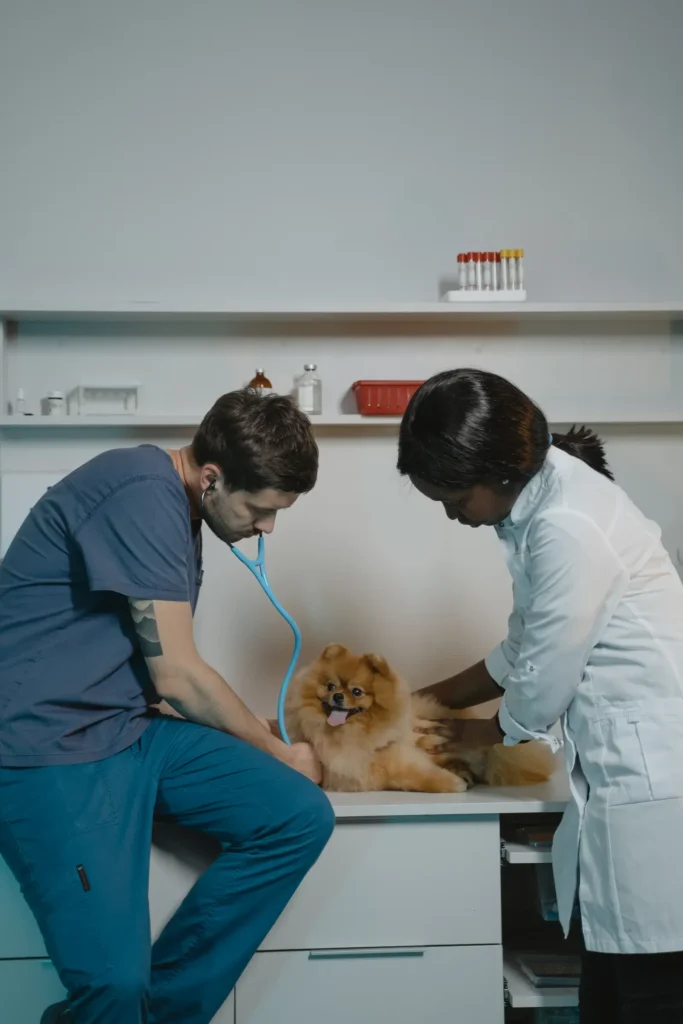
If you take your dog to the vet for a skin issue, understanding the diagnostic process can help you know what to expect and why it matters. Treatment for dog skin conditions depends on the diagnosis, and a vet typically begins with a detailed physical examination where they closely inspect your dog’s skin, coat, and overall health. To accurately identify the root cause of the issue, they may perform: skin scrapings to check for mites or other parasites; fungal cultures to detect ringworm; cytology, where cells from the skin are stained and examined to check for bacteria, yeast, or abnormal cells; bloodwork or hormone tests to check for underlying issues like thyroid disease or Cushing’s; allergy testing to identify potential environmental or food allergens; and in complex or chronic cases, a skin biopsy for a definitive diagnosis.
This multi-pronged diagnostic approach is important because so many skin conditions share overlapping symptoms. Successful treatment of skin disorders requires identification of the underlying cause. Treating the symptoms without addressing the root cause is like turning off the smoke alarm without putting out the fire — your dog gets temporary relief, but the problem keeps coming back.
The 10 Most Common Dog Skin Problems
1. Flea Allergy Dermatitis — The Itch That Never Ends
Flea allergy dermatitis (FAD) is one of the most widespread skin conditions in dogs globally, and the frustrating part is that it doesn’t take an infestation to trigger it. A single flea bite can set off a severe allergic reaction in a sensitive dog. Flea allergy dermatitis symptoms include flea bites forming small red itchy bumps on the skin. You may also spot flea dirt (feces) — little brownish-red spots. If your dog has FAD, there will be itchiness and possibly hair loss in the “flea triangle” — the area from the middle of the back to the base of their tail and down their rear legs.
Many owners are surprised to discover that FAD can be severe even when they can’t find a single flea on their dog — because dogs with true flea allergies groom themselves so obsessively that fleas are removed before they’re visible. Flea allergy dermatitis treatment: a mild reaction to a few bites can be soothed by a cool bath and medicated shampoo. If the bites have triggered FAD, your pup may require treatment from their vet. Protect them against fleas by using flea prevention treatments or aids. In addition to veterinary-approved medication to treat your dog’s ticks or fleas, make sure your dog is up to date with any preventative oral or topical medication. You should also keep in mind that fleas can live in your carpet and bedding, so you should make sure to wash your dog’s bedding and vacuum regularly to kill any remaining bugs. Treating the dog without treating the environment is one of the most common mistakes owners make — and it’s exactly why FAD keeps coming back.
2. Atopic Dermatitis — When the Environment Is the Enemy
Atopic dermatitis is a chronic, inflammatory skin disease triggered by environmental allergens, and it’s far more common than most people realize. Environmental allergens cause a whopping 90% of allergic reactions in dogs. These might be seasonal triggers like grass, tree and weed pollens and other non-seasonal allergens, including dust mites, storage mites, mold, yeasts, and smoke. Atopic dermatitis in dogs is a common chronic inflammatory skin disease affecting 10–15% of the canine population.
The symptoms of atopic dermatitis are often cyclical and seasonal in the early stages — your dog seems fine in winter, then explodes into scratching when pollen counts rise in spring. Environmental allergy symptoms include persistent itching or rubbing, ear infections, chewing or licking paws, sneezing, watery eyes, hives, sores, redness or rashes, hair loss, greasy or tough dry skin, and a yeasty smell. Over time, without management, atopic dermatitis tends to worsen and expand to year-round symptoms. Apoquel (for dogs) provides fast relief and is a go-to treatment for chronic allergy cases. Veterinarians today use a multi-step, tailored approach to treating allergic dermatitis, combining traditional prescription-based care with advanced biotech and natural options. Cytopoint injections, which target the specific proteins involved in the itch response, have also become increasingly popular as a long-lasting option for managing atopic dermatitis.
3. Food Allergy Dermatitis — What’s in the Bowl May Be the Problem
Food allergies in dogs are frequently misunderstood and misdiagnosed. They don’t necessarily appear immediately after eating something — a dog can develop an allergy to a protein they’ve eaten for years without any issue, which makes identifying the culprit particularly tricky. Dogs with confirmed food allergies may benefit from hypoallergenic or hydrolyzed diets, which eliminate common triggers like beef, chicken, dairy, or wheat. Always consult your vet before changing your dog’s food to address skin concerns.
The gold standard for diagnosing food allergies in dogs is an elimination diet trial — typically 8 to 12 weeks on a novel protein or hydrolyzed diet, during which no other foods, treats, or flavored supplements are given. If the skin improves significantly during the trial and relapses when the original food is reintroduced, food allergy is confirmed. This is a slow process that requires strict adherence, but it’s the only reliable way to identify and eliminate the specific trigger responsible for your dog’s skin problems.
4. Hot Spots — Painful, Fast-Moving, and Easily Missed
Hot spots — also known as acute moist dermatitis — are one of the most alarming skin conditions for dog owners because they appear to develop almost overnight and can grow to an alarming size within 24 to 48 hours. They’re typically circular, moist, red, and extremely painful, and dogs will lick or chew at them obsessively, which makes them worse very quickly. Hot spot care: veterinarians clean and clip the affected area, prescribe antibiotics, anti-inflammatory drugs, and identify triggers like allergies or parasites. Hot spots often occur secondary to other skin conditions or allergies and need quick veterinary intervention.
Hot spots tend to develop in areas where moisture gets trapped — under heavy coats, around the ears, in skin folds, or anywhere a dog has been scratching or licking. Golden Retrievers, Labrador Retrievers, and other heavy-coated breeds are particularly prone to them, especially in warm and humid weather. The most important thing you can do if you spot a hot spot is get your dog to the vet quickly — every hour of unchecked licking makes the lesion larger and deeper. At home, the best you can do is prevent further self-trauma using an e-collar until the vet can see your dog.
5. Yeast Infections — The Smelly Culprit Behind Chronic Itching
Yeast dermatitis is caused by an overgrowth of Malassezia yeast on the skin, and it’s far more common than most dog owners realize. What makes it particularly insidious is that it almost always appears as a secondary condition on top of another problem — usually allergies — which means treating only the yeast without addressing the underlying allergy will result in the infection coming back repeatedly. Skin folds trap moisture and debris, making certain breeds especially prone to yeast infections. Regular cleaning and drying of folds is essential.
The hallmark signs of yeast infection in dogs are a distinctive musty or “corn chip” odor from the skin, redness and itching (especially in the ears, paws, and skin folds), greasy or discolored skin, and chronic ear infections. Antifungal medications target fungal infections, while topical treatments and medicated baths support healing. Medicated shampoos containing miconazole or chlorhexidine are frequently prescribed as part of a treatment plan. Dietary adjustments — reducing high-sugar ingredients that feed yeast — can also be part of a comprehensive management strategy recommended by your vet.
6. Bacterial Skin Infections (Pyoderma) — More Common Than You Think
Pyoderma is the umbrella term for bacterial skin infections in dogs, and it’s one of the most common dermatological diagnoses vets make. Pyoderma almost always develops secondarily — as a result of another skin condition like allergies or parasites that has broken down the skin barrier and allowed bacteria to take hold. For infections like pyoderma or ringworm, vets may prescribe oral or topical medications to clear the issue. Treatment duration can vary based on the severity and depth of the infection.
Superficial pyoderma presents as pustules, crusting, hair loss, and redness — often in patterns that follow hair follicles. Deep pyoderma, which penetrates below the skin surface, can cause more significant swelling, pain, and discharge and typically requires longer courses of antibiotics. Antibiotics are used to treat bacterial skin infections. Veterinarians usually start by prescribing drugs that are effective against common skin bacteria before test results that identify specific bacteria are back. It’s critical to complete the full prescribed course of antibiotics even if the skin looks better before it’s finished — stopping early is one of the leading causes of antibiotic-resistant recurrent infections.
7. Mange — Two Types, Very Different Stories
When people hear “mange,” they often picture severely ill, hairless dogs — and while advanced mange can absolutely look that way, the condition ranges widely in severity and type. There are two primary forms in dogs, and they couldn’t be more different in terms of cause, severity, and contagiousness. Sarcoptic mange (caused by Sarcoptes scabiei mites) is intensely itchy and highly contagious to other animals and even humans. Demodectic mange (caused by Demodex mites that live naturally in dog skin) is not contagious and is usually linked to immune system dysfunction.
Mange treatment: prescription shampoos, dips, and oral medications effectively eliminate mites. Sarcoptic mange requires isolation to prevent spreading to other animals or humans. Isoxazoline-based products cover a broad range of safety and effectiveness, enabling their use as a treatment trial for many ectoparasitic infections, including demodicosis and sarcoptic mange. These newer oral medications have largely replaced older dip-based treatments and offer a more comfortable and effective treatment experience for dogs. If your dog is diagnosed with demodectic mange, your vet will also want to investigate whether there’s an underlying immune issue driving the susceptibility.
8. Ringworm — Not a Worm, But Still a Big Problem
Despite the name, ringworm has nothing to do with worms. It’s a fungal infection caused by dermatophyte fungi, and it gets its name from the characteristic circular lesions it produces on the skin. Despite the name, ringworm is a fungal infection, not a parasite. It often causes circular areas of hair loss with scaly or crusty edges. Ringworm in dogs is contagious to other pets — and even humans — so early diagnosis and treatment are critical.
Ringworm is very contagious to other dogs and even humans. You can identify this infection by the tell-tale circular patches on your dog’s skin. You may also notice inflammation and redness around the patches where your dog has been scratching. If you have children or immunocompromised family members in the home, ringworm warrants urgent veterinary attention because human transmission is a very real risk. Infection control: bacterial infections are treated with appropriate antibiotics, while antifungal medications target fungal infections like ringworm. Topical treatments and medicated baths support healing. Treatment typically involves a combination of topical antifungal products and oral antifungal medication, and the environment must be thoroughly decontaminated because ringworm spores can survive on surfaces for a long time.
9. Seborrhea — When Your Dog’s Skin Gets Greasy or Flaky
Seborrhea is a skin disorder characterized by abnormal production of skin cells and sebum — the skin’s natural oil. It comes in two forms: seborrhea sicca (dry, flaky skin) and seborrhea oleosa (oily, greasy skin with a strong odor), and some dogs have a combination of both. Seborrhea is a skin disorder characterized by excessive flaking, scaling, and oily or dry skin. It may be inherited or secondary to allergies, infections, or hormonal imbalances. Medicated shampoos and addressing underlying causes can help manage seborrhea.
Primary seborrhea — which is genetic — is seen most commonly in Cocker Spaniels, Basset Hounds, West Highland White Terriers, and Labrador Retrievers. But far more dogs develop secondary seborrhea as a result of another condition: hypothyroidism, Cushing’s disease, allergies, or nutritional deficiencies. This means that managing seborrhea effectively almost always requires identifying and treating the underlying cause. Essential fatty acids should be part of your pet’s diet to help keep the skin healthy. Additional fatty acids might be needed, beyond those taken in with food, to treat certain skin conditions. Vitamins and minerals such as retinoids (vitamin A–like compounds) and zinc can help certain skin conditions.
10. Dry Skin and Dandruff — Simple But Often Overlooked
At the less alarming end of the skin problem spectrum sits dry skin and dandruff — but don’t let their apparent simplicity fool you into dismissing them. Dry skin in dogs can be seasonal or caused by low humidity, bathing too frequently, poor diet, or underlying disease. Flaky dandruff, itching, and dull fur are common signs. Sometimes dry skin is mistaken for other dog skin problems, so a vet check is wise.
Environmental factors like central heating, air conditioning, and low winter humidity are very common culprits. Bathing your dog too frequently — or using the wrong shampoo — strips natural oils from the skin and leaves it dry, flaky, and prone to irritation. Moisturize dry areas using vet-approved balms or sprays to protect paws, noses, and other dry-prone spots. Brush regularly — brushing helps distribute natural oils, removes debris, and allows early detection of skin issues. An omega-3-rich diet or fish oil supplement can significantly improve skin hydration from the inside out, and many vets recommend this as a first-line addition for dogs with recurring dry skin.
Vet-Approved Treatments: What Actually Works
Topical Treatments and Medicated Shampoos
Topical treatments are the frontline of managing most dog skin conditions, and the range available today is genuinely impressive. Examples of products applied directly to the skin include antibiotic ointments, corticosteroid preparations, medicated shampoos, and topical insecticides. Local ointments, gels, and sprays are best used sparingly so that your dog does not lick off excessive amounts. Closely follow your veterinarian’s administration instructions for any topical medications.
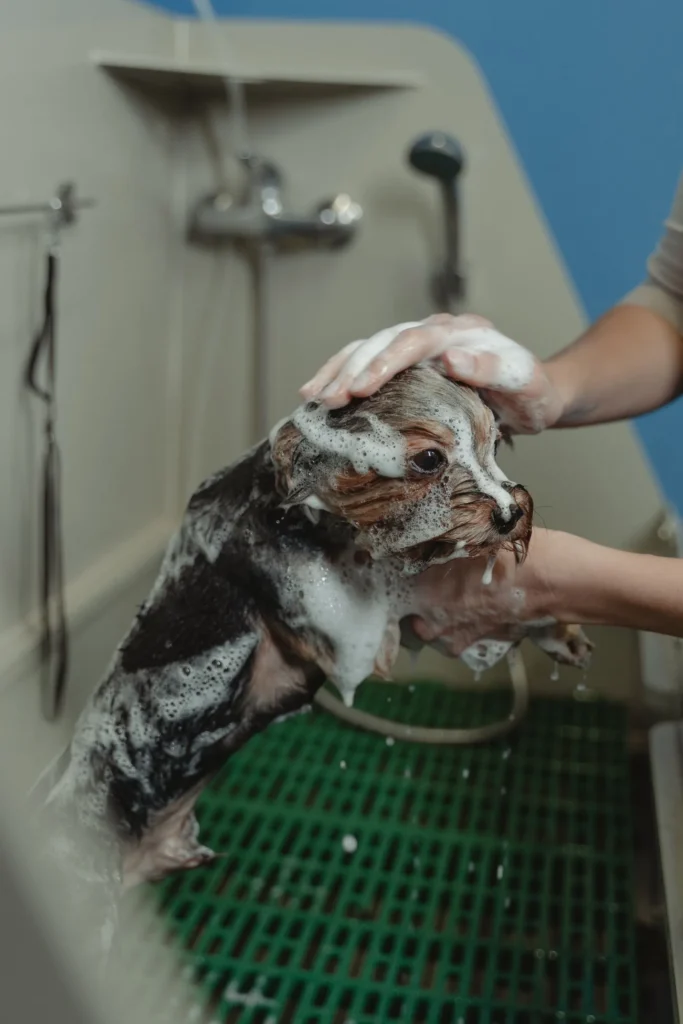
Medicated shampoos deserve a special mention because they’re one of the most versatile and underused tools in dog skin care. Topical treatments are often used to manage bacterial, fungal, or yeast infections on the skin. Formulas may include ingredients like chlorhexidine, miconazole, or oatmeal to soothe irritation and reduce inflammation. The key is contact time — many dog owners wet the dog, lather, and rinse immediately, which doesn’t allow the active ingredients enough time to work. Most medicated shampoos require 5 to 10 minutes of contact time before rinsing for maximum effectiveness. Always use water temperature appropriate for your dog, and be thorough about drying afterwards — particularly in skin folds and between the toes — because residual moisture can encourage the very infections you’re trying to treat.
Oral Medications and Prescription Options
For moderate to severe skin conditions, topical treatments alone are rarely sufficient, and oral or injectable medications are typically necessary. Antibiotics are used to treat bacterial skin infections. Antifungals treat fungal skin infections. Antiparasitics control parasites such as fleas, mites, and other pests. Antihistamines prevent itching and inflammation. Hormones such as steroids decrease inflammation and immune system responses, and they are used to treat many allergic and skin conditions. Immunomodulators stimulate or suppress the immune system and are used to treat chronic infections or skin conditions caused by allergies.
Two of the most significant prescription breakthroughs for managing chronic allergic skin conditions in dogs are Apoquel (oclacitinib) and Cytopoint (lokivetmab). Apoquel is a daily oral medication that targets the specific pathways involved in itch and inflammation without broadly suppressing the immune system the way steroids do. Cytopoint is a monthly injection that neutralizes the protein (IL-31) responsible for the itch signal in atopic dermatitis. Both are widely regarded as transformative treatments for dogs who previously had limited relief from older medications, and both require a veterinary prescription.
Preventive Skin Care Habits Every Dog Owner Should Build
The best treatment for skin problems is prevention — and most of what goes into keeping dog skin healthy is straightforward, consistent, and inexpensive. Brush regularly — brushing helps distribute natural oils, removes debris, and allows early detection of skin issues. Protect from sun exposure — for light-colored or hairless breeds, apply pet-safe sunscreen and avoid peak sun hours. Moisturize dry areas using vet-approved balms or sprays to protect paws, noses, and other dry-prone spots.
Diet, Grooming, and Environmental Controls
Diet plays a more significant role in skin health than many dog owners realize. A high-quality diet rich in omega-3 fatty acids — found in fish oil, flaxseed, and quality commercial foods — supports the skin barrier, reduces inflammatory responses, and produces a noticeably shinier, healthier coat. If your dog has recurring skin issues, your vet may recommend a therapeutic diet or supplementation as part of a comprehensive skin health plan.
On the grooming side, the frequency and products you use matter enormously. Over-bathing strips protective oils; under-bathing allows the buildup of allergens, debris, and microbial overgrowth. For most dogs, bathing every 3 to 4 weeks with a gentle, dog-specific shampoo hits the sweet spot — though dogs with skin conditions may need more frequent therapeutic baths as directed by their vet. And for the environment: regular vacuuming, washing dog bedding weekly in hot water, using fragrance-free detergents, and keeping your home at a comfortable humidity level can all meaningfully reduce the allergen load your dog is exposed to daily.
Breeds Most Prone to Skin Problems
While any dog can develop skin issues, certain breeds carry a significantly higher genetic risk. Some dog breeds are more prone to skin problems due to their unique physical characteristics. Knowing your dog’s breed-specific risks can help you take preventive steps and spot issues early. Breeds with skin folds trap moisture and debris, making them especially prone to fold dermatitis and yeast infections. Regular cleaning and drying of folds is essential. Breeds with dense or double coats can be at higher risk of hot spots, especially in humid climates or after swimming, because trapped moisture and poor airflow can lead to bacterial infections.
Bulldogs, Pugs, Shar-Peis, and Basset Hounds are especially prone to fold dermatitis and yeast infections due to their deep skin wrinkles. West Highland White Terriers, Cocker Spaniels, and Labrador Retrievers have high rates of atopic dermatitis and seborrhea. German Shepherds frequently develop deep pyoderma. Dalmatians have known zinc absorption issues that manifest as skin problems. If your dog is one of these breeds, incorporating regular skin checks and breed-specific grooming practices into your routine from early in their life is a proactive investment in their long-term comfort and health.
When to See the Vet Immediately
Some skin symptoms can wait a day or two for a scheduled appointment. Others need urgent attention. Some of these conditions are mild, and some are severe. At the first sign of a more serious problem, please take your dog to your vet immediately. Seek same-day veterinary care if your dog has a rapidly spreading hot spot or wound, signs of deep infection (swelling, heat, discharge, or severe pain), facial swelling that could indicate an allergic reaction, any skin lesion that changes shape, bleeds spontaneously, or has irregular borders, or symptoms accompanied by lethargy, loss of appetite, or fever.
Skin cancer in dogs can appear as lumps, bumps, or discolored patches. Some types — like mast cell tumors — may resemble harmless growths. Any new lump or bump that wasn’t there before — no matter how small or seemingly innocuous — deserves a vet evaluation. Mast cell tumors in particular are notoriously deceptive in their appearance, frequently looking like a simple fatty lump while being a serious malignancy underneath. The cost of having a lump checked is minimal; the cost of waiting too long to check it can be devastating.
Conclusion
Dog skin problems are extraordinarily common, often frustrating, and — here’s the most important part — almost always treatable when caught early and approached correctly. The ten conditions covered in this guide represent the vast majority of what vets see walking through their doors, and understanding them puts you in a far stronger position to advocate for your dog’s comfort and health. You don’t need to become a veterinary dermatologist. You just need to be observant, proactive, and willing to take action when something doesn’t look or smell right.
Run your hands over your dog’s coat regularly. Pay attention to changes in their scratching behavior, coat quality, or skin odor. Feed a quality diet that supports skin barrier health. Keep up with flea prevention year-round — not just in summer. And when in doubt, call your vet. The earlier a skin condition is identified and treated, the simpler, less expensive, and less miserable the resolution. Your dog’s skin is speaking to you constantly — make sure you’re listening.
Frequently Asked Questions
1. What is the most common skin problem in dogs? Allergic skin conditions — particularly flea allergy dermatitis and atopic dermatitis — are among the most frequently diagnosed skin problems in dogs worldwide. These conditions account for a significant proportion of all veterinary dermatology visits and tend to be chronic and recurring without proper management.
2. Can I treat my dog’s skin condition at home, or do I always need a vet? Mild dry skin or minor irritation after environmental exposure can sometimes be managed at home with gentle bathing and a vet-approved moisturizing balm. However, most skin conditions — especially infections, mange, ringworm, and allergies — require professional diagnosis and prescription treatment. Attempting to treat the wrong condition with the wrong product can make things significantly worse.
3. How do I know if my dog’s itching is from allergies or parasites? Both allergies and parasites cause intense itching, but there are some distinguishing clues. Flea allergy dermatitis typically concentrates itching at the base of the tail and hind end. Environmental allergies often cause itching on the paws, belly, and face. Mange tends to start on areas with less hair — ears, elbows, and face. Your vet can perform skin scrapings and other diagnostics to definitively identify the cause.
4. What foods commonly trigger skin allergies in dogs? The most common food allergens in dogs are proteins — particularly beef, chicken, dairy, eggs, and wheat. It’s worth noting that a dog typically needs to have been exposed to an ingredient repeatedly before developing an allergy to it, which is why a dog can develop a food allergy to something they’ve eaten for years.
5. How long does it take to clear up a dog skin infection? This depends entirely on the type and severity of the infection. Superficial bacterial infections typically resolve within 3 to 4 weeks of appropriate antibiotic treatment. Deeper infections, fungal conditions like ringworm, and yeast overgrowth may require 6 to 8 weeks or longer. Chronic conditions like atopic dermatitis require ongoing management rather than a single treatment course.




1 Comment