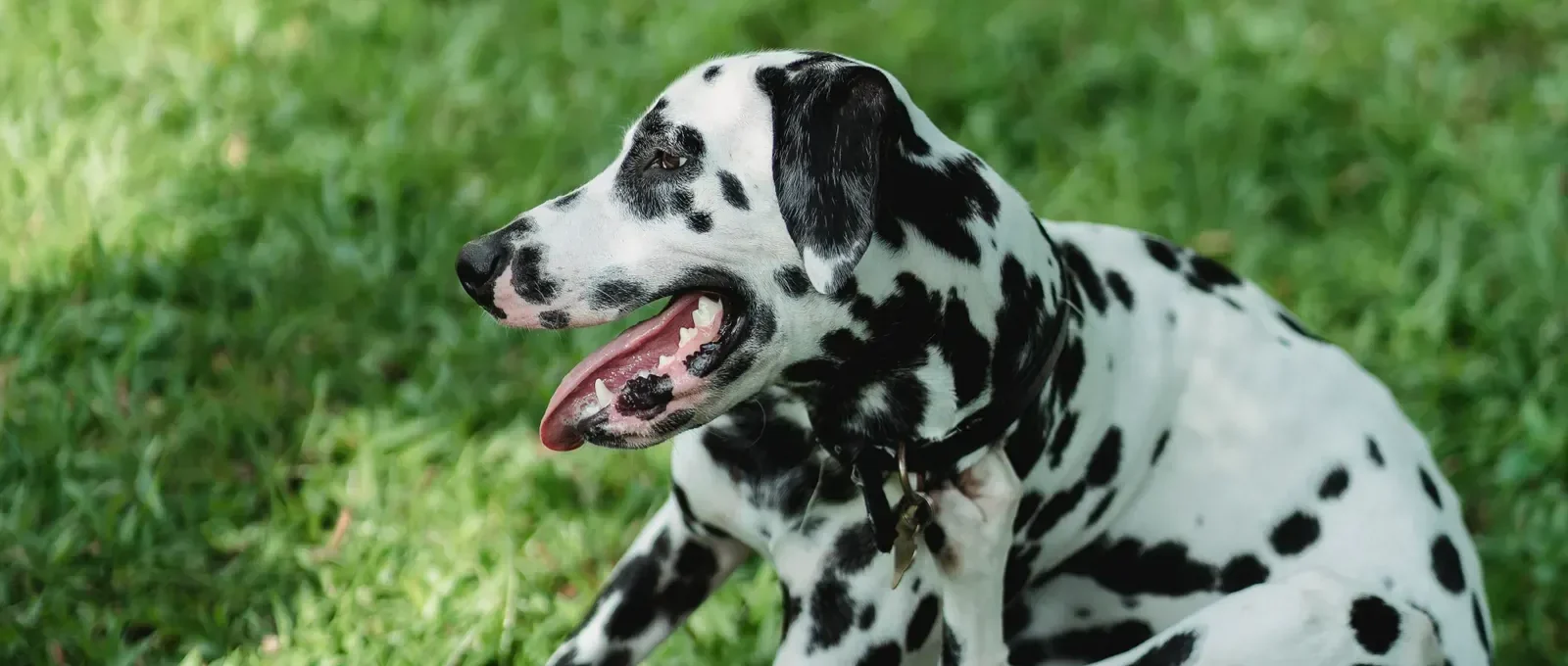

What Is a Dog Yeast Infection and Why Should You Act Fast?
If your dog has been scratching relentlessly at their ears, licking their paws with worrying intensity, or emitting an odor that’s somewhere between musty and unmistakably unpleasant — you might be dealing with one of the most common health complaints in veterinary medicine: a dog yeast infection. These infections are extraordinarily prevalent, deeply uncomfortable for your dog, and — left untreated — capable of escalating from a manageable skin issue to a painful, complicated health problem that becomes significantly harder to resolve. The good news is that yeast infections in dogs are thoroughly understood, reliably treatable, and in many cases preventable with the right approach.
Yeast are fungal organisms that live on a dog’s skin without causing problems. When a dog’s immune system weakens or an underlying health condition is present, yeast can overgrow and cause an infection. The specific yeast species responsible for virtually all dog yeast infections is called Malassezia pachydermatis — a naturally occurring resident of your dog’s skin ecosystem that causes absolutely no harm when the skin’s balance is maintained. Think of it like the naturally occurring bacteria in a healthy human gut — benign and even beneficial at normal levels, but capable of causing significant problems when conditions allow them to proliferate unchecked.
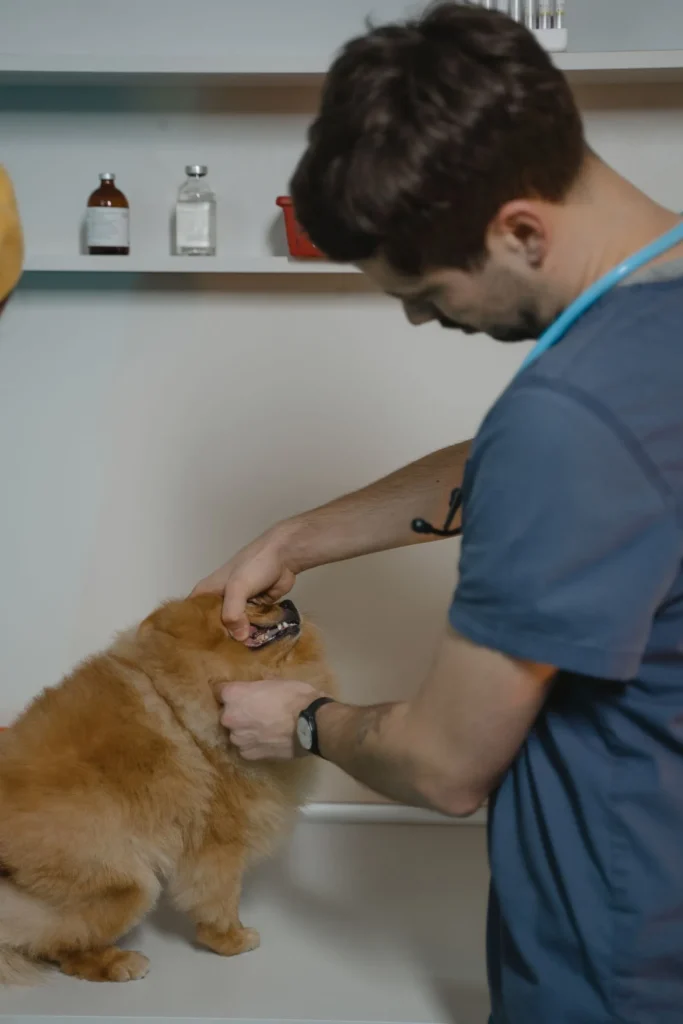
While yeast infections in dogs are not considered medical emergencies, they should be treated by a veterinarian immediately to prevent symptoms from worsening. If left untreated, yeast infections can cause extreme discomfort, which can lead to decreased appetite and lethargy, necessitating prompt veterinary care. Speed of intervention genuinely matters here — early-stage yeast infections respond readily to topical treatment alone, while infections that are allowed to progress often require more intensive, more expensive, and more time-consuming treatment regimens. Understanding what you’re looking at, acting promptly, and working with your veterinarian from the start gives your dog the fastest possible path to relief.
Understanding the Science: What Causes Yeast Overgrowth in Dogs?
Yeast infections don’t simply happen randomly — they require specific conditions that allow the naturally occurring yeast population to expand beyond the skin’s capacity to regulate it. Understanding these triggering conditions helps you both interpret your dog’s current infection and take meaningful preventative action going forward.
The Most Common Triggers
Common causes of yeast infections in dogs include allergies — the most common cause of a dog yeast infection. Allergies to fleas, food, or substances in the environment can lead to skin irritation and make skin oilier. Some dogs can also develop an allergic reaction to the yeast itself. Steroid medications: Vets often prescribe steroid medications to treat dogs with autoimmune disorders and allergies. These conditions are an overreaction of the immune system. Steroids suppress the immune system, so they can make dogs more susceptible to yeast infections.
Allergens such as pollens, mold, dust, cigarette smoke, cleaning products, and even certain foods — especially if they’re high in sugar and carbs — can lead to yeast infections. For some dogs, yeast problems are seasonal, and when the temperature and humidity are high, problems with yeast can occur. Since yeast thrives in a moist environment, dogs that are bathed or in water often are prone to yeast infections in the ear. If the ear is not kept dry, water and debris can become trapped inside the ear canal.
A common cause of a yeast skin infection is an increase in the amount of oils produced on the skin, most frequently associated with allergic skin disease. Some dogs have an immune deficiency making them ineffective at fighting yeast infections, resulting in chronic infection. Dogs that receive immunosuppressive drugs such as corticosteroids may also be unable to effectively prevent yeast infections. Other contributing factors include hormonal disorders like hypothyroidism and Cushing’s disease (both of which alter skin and immune function), seborrhea (a condition causing excessive oily skin), and any condition that compromises the structural integrity of the skin barrier.
Breeds Predisposed to Yeast Infections
There are certain breeds thought to be genetically predisposed to developing yeast infections. These breeds include West Highland White Terrier, Basset Hound, Cocker Spaniel, Silky Terrier, Australian Terrier, Maltese Terrier, Chihuahua, Poodle, Shetland Sheepdog, Lhasa Apso, and Dachshund. Breeds with heavy, floppy ears — Cocker Spaniels, Basset Hounds, Golden Retrievers, Labrador Retrievers, and Poodles — face elevated ear infection risk because their ear anatomy restricts airflow and traps moisture and warmth that yeast thrives in. Breeds with significant skin folds — English Bulldogs, Shar-Peis, and Pugs — are similarly predisposed to skin fold yeast infections because those warm, moist, low-airflow environments are ideal growth conditions for Malassezia. If your dog falls into one of these predisposed categories, proactive monitoring and preventative care is especially important.
Where Yeast Infections Occur: The Most Affected Body Areas
Yeast infections can affect various areas of the skin, including the ears, skin folds, paws, armpits, vulva, and groin. Understanding which locations are most commonly affected helps you know exactly where to look when monitoring your dog for early signs.
Ear Yeast Infections
Dog ear yeast infections — also referred to as yeast otitis — cause a thick, brown discharge and strong odor in the ear canal. Affected dogs repeatedly scratch their ears to try to relieve the discomfort. They may also shake their heads and develop a head tilt. Veterinary Partner says yeast infections are the most common types of ear infections in dogs. The ear’s anatomy creates a perfect environment for yeast proliferation — warm, dark, enclosed, and prone to moisture accumulation, particularly in floppy-eared breeds. If a dog has heavy, furry ear flaps, there may be inadequate ventilation and the environment inside the ear canal might support yeast overgrowth. Infections are also more likely in ears that are repeatedly wet and soggy, for instance, in dogs who swim a lot.
Skin and Skin Fold Infections
Yeast thrives in a moist environment, so for dogs, that can be in places such as the ears, paws, armpit, groin, and even the folds of their face in certain breeds. In the early stages of a yeast infection, the skin begins to turn pink or red. When dealing with chronic yeast infections, the skin may become leathery, thick, and gray or black. The skin can become greasy or excessively oily. Some dogs may develop scaling, crusting, or flakiness of the skin, similar to dandruff. The face folds of brachycephalic breeds (Bulldogs, Pugs, French Bulldogs), the tail fold, the armpit skin, and the groin region are all particularly vulnerable because they share the same characteristics that make ears susceptible: warmth, moisture, reduced airflow, and skin-on-skin contact that traps microorganisms.
Paw Yeast Infections
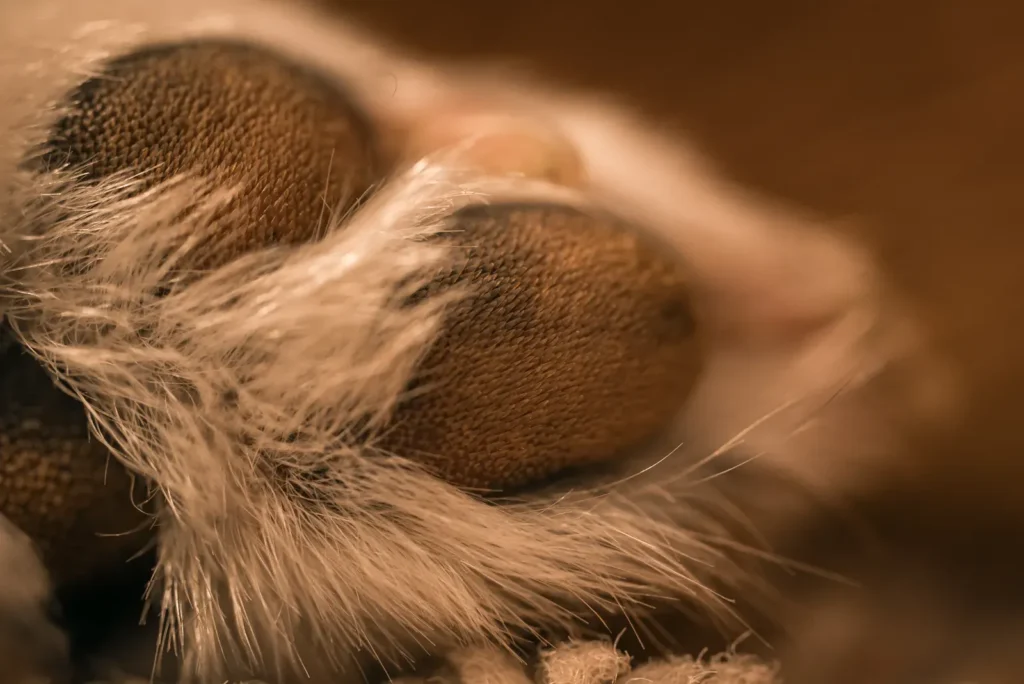
When a yeast infection occurs on your dog’s paws, it is typically between the paw padding where thin skin is. This is a hard-to-reach area, especially for dogs that have a lot of long fur. Paw yeast infections produce some of the most distinctive and characteristic symptoms — the famous “Frito feet” corn chip smell that many dog owners recognize but not all associate with yeast overgrowth. Incessant scratching and biting accompanied with moisture leads to the widely-reported “Frito” smell that develops in your dog’s paws, ears or skin. Dogs with paw yeast infections typically lick and chew their paws obsessively, sometimes causing secondary wounds from the constant moisture and abrasion that worsen the underlying infection.
Recognizing Dog Yeast Infection Symptoms: The Complete Checklist
Signs of yeast infections in dogs can vary depending on what area of the body is affected. Learning to recognize the complete symptom picture — both early-stage and advanced — gives you the best possible chance of catching an infection before it progresses.
Early Stage Symptoms
The earliest signs of a yeast infection are often subtle enough to be dismissed as minor skin irritation or allergy symptoms. Pink or red skin in areas prone to yeast overgrowth is frequently the first visible sign. Mild itching that seems slightly more persistent than usual. A faint musty odor that you notice during petting or handling. Slightly increased pawing at the ears or face. These early signs are your best opportunity to intervene — early-stage infections typically respond to topical treatment alone without requiring oral medication, resolving more quickly and with less impact on your dog’s comfort. If the yeast infection is mild or limited to one or two small areas, topical treatment may be enough.
Advanced Stage Symptoms
Changes in skin color and texture are significant markers of progression. In the early stages of a yeast infection, the skin begins to turn pink or red. When dealing with chronic yeast infections, the skin may become leathery, thick, and gray or black. Greasy skin — the skin can become greasy or excessively oily. Head shaking and tilting, because the ears are the most common place for a dog to develop a yeast infection. Scratching and rubbing — yeast infections are incredibly itchy, and some dogs will try to scratch the infected area or rub up against the floor, furniture, or another surface.
If a dog yeast infection goes untreated, it will get worse. The itching can become unbearable, and your dog may scratch until the skin bleeds, causing open sores. The skin may become thick, black, and have a strong odor. Untreated ear infections can even cause a ruptured eardrum, hearing loss, and severe pain. Advanced yeast infections also frequently develop secondary bacterial infections — a co-infection situation that complicates treatment and requires broader antimicrobial coverage. “Frequently, dogs with yeast also have bacterial infections or skin mites (mange). In these cases, treating only the yeast won’t solve the problem.”
How Vets Diagnose Dog Yeast Infections
A vet may use several tests to diagnose a yeast infection in dogs. First, they will gather a thorough medical history, including when the symptoms started, if your pet is taking any medications, and if they have previously been diagnosed with any health conditions. Next, your veterinarian will perform a full physical exam to check your dog’s overall health. They may also perform blood work to check for any abnormalities.
The most common diagnostic technique for skin yeast infections is tape impression cytology: during this test, your vet presses a piece of clear tape to the affected area of skin to collect a sample. It’s then stained and examined under a microscope to identify yeast. Yeast looks like small footprints or peanuts under the lens. This test is quick and not invasive into your pet’s body. It confirms the type of infection and helps the vet choose the right medicine. For ear infections, a cotton swab is used to collect wax and debris from the ear canal, which is then examined microscopically. In some cases, we may take a sample of the yeast and create a culture. This allows us to identify the exact type of yeast and determine which antifungal medication works best against it. Blood tests can also be done to assess your dog’s overall health, especially when systemic symptoms are present.
How to Treat Yeast Infections in Dogs: The Complete Treatment Guide
Treatment for yeast dermatitis may be topical, oral, or a combination of both, and is based on the severity of your dog’s condition. The treatment approach varies significantly depending on where the infection is located, how severe it is, whether secondary bacterial infection is present, and what underlying conditions are driving the yeast overgrowth.
Topical Treatments: Shampoos, Wipes, and Ointments
Treatment with medicated shampoos is a vital part of treating yeast dermatitis. Many dogs with greasy or oily skin will require an initial “degreasing” cleansing with a shampoo containing selenium sulfide or benzoyl peroxide. After the initial bathing is complete, bathing with an anti-fungal shampoo containing chlorhexidine, miconazole, or ketoconazole is performed. It is important the anti-fungal shampoo remain in contact with the skin for at least ten minutes. To be effective, this topical treatment is required every 3–5 days for two to twelve weeks.
Antifungal shampoos with ingredients such as chlorhexidine or ketoconazole will often be prescribed to help reduce the yeast growth on the skin. Most vets recommend bathing your dog 2 to 3 times a week, but this can vary. In addition to these medicated shampoos, antifungal wipes, sprays, and ointments can also help eliminate the yeast on the affected skin. In these cases, an E-collar will be required to prevent dogs from licking the medication. The contact time of the medicated shampoo is non-negotiable — it’s the single most commonly skipped step by owners who rinse too quickly, compromising the effectiveness of the entire treatment. Set a timer for ten minutes, distract your dog with treats, and wait the full contact time before rinsing.
Treatment usually lasts for a minimum of a few weeks and is continued for at least seven to ten days beyond an apparent cure, so it’s vital that the medications are used as prescribed during this time, even if your dog looks normal. This point about continuing treatment beyond apparent cure is critically important and widely ignored — stopping treatment the moment the visible symptoms resolve is one of the most common reasons yeast infections recur. The infection needs to be completely eradicated at a microscopic level, which takes longer than the visible signs suggest.
Oral Antifungal Medications
For more stubborn cases, the vet may prescribe oral medications in pill or liquid form since they work from the inside out. Be sure to finish the entire prescription unless directed otherwise, even if the itching stops, because stopping early can let the yeast return. If the yeast infection is severe or widespread, your dog may need oral medication. Common oral antifungals prescribed for dogs include fluconazole, itraconazole, and ketoconazole — each with different spectrums of activity, side effect profiles, and monitoring requirements. Oral antifungals will be used to treat systemic yeast infections. These work inside to eliminate the growth of yeast. However, they will be prescribed cautiously due to their potential side effects. Your veterinarian will choose the most appropriate medication based on the severity and location of the infection, your dog’s overall health status, and any concurrent conditions or medications.
Ear-Specific Treatment Protocol
Yeast otitis is typically treated with topical antifungal medications and steroids to reduce inflammation. Your veterinarian may recommend that you use a medicated ear wash prior to instilling ear medications. The treatment for these itchy ears includes cleaning out debris and medicating the infected skin in the ear canal. Vets may recommend a medicated ear wash that helps break up buildup and scale back the amount of yeast. Your vet may also prescribe a medicated ointment or solution to apply after cleaning. Ear washes and medications usually come in the form of a bottled solution that you squeeze into your dog’s ears.
If your dog needs to have ear drops, ask your vet or nurse to show you the best way to apply these. A dog’s ear canal is L-shaped and, unless the drops are applied correctly, the product may not get far enough into the ear canal to do any good. Don’t be afraid to ask for guidance in the use of medications and treatments — it’s far better than finding out too late that they haven’t been effective because you didn’t understand the correct way to use them. After applying ear medication, massaging the base of the ear for 20–30 seconds helps distribute the medication deeper into the L-shaped ear canal where the infection lives.
Paw Treatment Protocol
Addressing a yeast infection on your dog’s paw typically involves a combination of veterinary-prescribed treatments and preventative measures to reduce recurrence. Antifungal creams and ointments: These medications are applied directly to the affected paw to eliminate yeast growth. Medicated shampoos: Regular baths with antifungal shampoos can help treat the infection and maintain paw hygiene. Paw soaks: Soaking the affected paw in a veterinarian-recommended solution can soothe irritation and cleanse the area. In severe cases, your veterinarian may prescribe oral antifungal medications to tackle the infection from within.
It is a lot easier said than done, but you should start by discouraging your dog from licking their paws. This spreads the organisms more and causes open wounds, which are very uncomfortable. An Elizabethan collar (cone) is frequently necessary during paw treatment to prevent the licking that perpetuates and worsens the infection — most dogs will not voluntarily stop licking without physical prevention, particularly when the area is itchy and uncomfortable.
Treating the Underlying Cause
Because yeast infections in dogs often develop secondary to another health condition, they will not resolve without veterinary treatment. Determining the underlying cause of the yeast infection and treating it accordingly improves treatment success. For example, if your dog has an underlying food allergy, an accurate diagnosis and treatment can help their skin improve. This is the most important principle in long-term yeast infection management: treating the infection itself while leaving the underlying cause unaddressed is a temporary fix at best. The yeast will return as soon as treatment stops if the conditions that allowed it to proliferate haven’t been resolved. It is not uncommon for dogs with severe skin allergies to have recurrent secondary yeast or bacterial skin infections, sometimes two or three times a year. For these chronically affected dogs, working with a veterinary dermatologist to identify and manage the underlying allergy is the most effective long-term strategy.
Home Remedies for Dog Yeast Infections: What Actually Works
Home remedies for dog yeast infections occupy a nuanced space — they can provide meaningful supplementary support for mild cases and between-treatment maintenance, but they should never be used as replacements for veterinary diagnosis and treatment of established infections. Always consult your veterinarian before using any home remedy, as some products marketed as natural remedies can cause irritation or worsen the condition.
Apple cider vinegar has antifungal properties and helps restore the natural pH balance of your dog’s skin. Mix equal parts apple cider vinegar and water, then place the solution in a spray bottle. Apply directly to the affected areas. This diluted apple cider vinegar rinse can help shift the skin pH toward conditions less favorable for yeast growth, but should never be applied to broken or irritated skin, as the acidity will cause significant burning pain. Coconut oil is known for soothing itchy skin. It also has lauric and caprylic acid, which have antifungal properties. Apply only a thin layer of coconut oil on the affected part of the skin daily.
Medicated ear rinses using diluted witch hazel or veterinarian-recommended ear cleaning solutions can help maintain ear hygiene and reduce moisture buildup between professional cleanings. Paw soaks using diluted povidone-iodine solution (Betadine diluted to the color of weak tea) have demonstrated antifungal properties in several studies. The important caveat on all home remedies is this: Vet treatment is often the main solution for yeast infections, but there are some home remedies you can use for very mild cases. We recommend consulting with us first before using any of these home remedies.
Diet and Its Role in Managing Yeast Infections
The main dog food for yeast infections is low in carbohydrates and sugar, while being high in protein. Probiotics can also help balance gut bacteria, strengthening the immune system. The dietary connection to yeast infections operates through multiple pathways. Diets high in refined carbohydrates and sugars provide fuel for yeast proliferation — both on the skin surface and in the gut microbiome, which has significant systemic immune implications. Switching to a high-protein, low-carbohydrate diet removes this dietary fuel source and supports the immune system’s natural capacity to regulate yeast populations.
If food allergies are suspected as a contributing factor, your veterinarian might recommend a hypoallergenic diet to minimize triggers. Probiotics can also help restore the natural balance of bacteria and yeast in your dog’s system. For dogs with food-allergy-driven yeast infections, identifying and eliminating the specific allergen is the most impactful dietary intervention available. This typically requires a properly conducted elimination diet trial — using a novel protein source your dog has never eaten before (venison, rabbit, duck) alongside a novel carbohydrate for a minimum of 8–12 weeks — to definitively identify whether food allergy is contributing to the yeast problem. Omega-3 fatty acid supplementation, from fish oil or other sources, supports skin barrier function and reduces the inflammatory skin environment that promotes yeast overgrowth.
What Happens If You Leave a Yeast Infection Untreated?
The consequences of leaving a dog yeast infection untreated are serious and progressive — this is genuinely not a condition that resolves on its own. If a dog yeast infection goes untreated, it will get worse. The itching can become unbearable, and your dog may scratch until the skin bleeds, causing open sores. The skin may become thick, black, and have a strong odor. Untreated ear infections can even cause a ruptured eardrum, hearing loss, and severe pain. It’s always best to treat infections early.
Once the middle ear is infected, the infection can spread to the inner ear, where it will affect the dog’s sense of balance and position. An inner ear infection can also cause deafness. Catching and treating an infection early, while it’s still in the outer ear, will help prevent more serious middle and inner ear infections. Beyond the infection itself, the chronic scratching, rubbing, and self-trauma that untreated yeast infections drive creates secondary bacterial skin infections — open wounds that become infected with bacteria, creating a compound infection that is significantly more challenging and expensive to treat than the original yeast infection alone.
Preventing Dog Yeast Infections: Your Complete Prevention Checklist
Prevention is dramatically more comfortable and cost-effective than treatment, and for predisposed breeds especially, it’s a genuinely essential component of long-term health management. Once your dog has recovered from the infection, take the steps to prevent this from happening again. This is especially crucial for dogs prone to yeast infections. Grooming is one of the most effective ways to prevent yeast infections and other types of skin issues in dogs.
The best way to avoid your dog getting a yeast infection is to try to prevent them from developing problems that either affect their immunity or that upset the balance of skin microbes and the barrier function of the skin. Keep your dog as fit and healthy as you can. This minimises the chances of them getting certain diseases that would suppress their immune system, such as diabetes. Keeping your dog’s coat and skin clean, using products designed for their coat type and applying the products correctly, can help to keep the skin environment healthy.
Specific preventative practices include drying your dog’s ears thoroughly after every bath or swimming session; cleaning ear canals with veterinarian-approved ear cleaners on a regular schedule, particularly for floppy-eared breeds; keeping skin folds clean and dry daily for breeds with facial, body, or tail folds; wiping your dog’s paws dry after walks in wet or muddy conditions; maintaining a high-quality, appropriate diet that supports skin barrier function and immune health; managing environmental allergens where possible; and attending regular veterinary check-ups that allow early detection of hormonal or immune conditions that predispose to yeast infections.
Dog Yeast Infection Quick-Reference Chart
| Infection Location | Key Symptoms | Primary Treatment | Warning Signs — See Vet |
|---|---|---|---|
| Ears | Brown discharge, odor, head shaking, scratching | Medicated ear wash, antifungal ear drops | Head tilt, loss of balance, pain |
| Skin/skin folds | Redness, greasiness, scaling, odor | Medicated antifungal shampoo every 3–5 days | Black/thickened skin, bleeding |
| Paws | Corn chip smell, licking, redness between toes | Antifungal wipes, paw soaks, topical cream | Open sores, multiple paws affected |
| Armpits/groin | Redness, odor, itching, skin darkening | Medicated shampoo, antifungal spray | Rapid spread, secondary bacterial infection |
| Widespread | Multiple areas affected simultaneously | Oral antifungal medication + topical | Any systemic symptoms, lethargy, appetite loss |
Conclusion
Yeast infections in dogs are one of the most common, most uncomfortable, and most treatable conditions in veterinary medicine — but they require prompt, consistent, and properly informed management to resolve completely and stay resolved. The fundamental approach is clear: recognize the symptoms early, seek veterinary diagnosis rather than guessing, follow the complete prescribed treatment course (including the weeks beyond apparent resolution), address the underlying cause that allowed the infection to develop, and implement genuine preventative practices going forward.
Recovery requires time and patience. Itching often improves after a few days of treatment, but the skin may take several weeks to return to normal and for the redness to fade. Managing expectations about treatment timeline prevents the frustration and premature discontinuation of medication that leads to relapse. In cases with underlying allergies or immune compromise, the prognosis is based on the ability to control those conditions. Opportunistic yeast infections often recur unless the underlying allergy or skin condition is controlled.
Your dog cannot advocate for their own health — they can only scratch, lick, shake their head, and look increasingly miserable as their discomfort grows. Every day of delay between symptom onset and veterinary intervention is another day of avoidable suffering for an animal who trusts you completely with their wellbeing. Act promptly, follow through completely, prevent proactively, and your dog’s relationship with yeast infections will shift from chronic recurrence to effectively managed history.
Frequently Asked Questions (FAQs)
1. How can I tell if my dog has a yeast infection or a bacterial infection? Yeast and bacterial infections in dogs can look similar since both cause red, itchy skin. Yeast infections usually have a strong smell and look greasy, while bacterial infections might have pustules that look like small white pimples with yellow pus. However, definitive distinction requires veterinary diagnosis through microscopic examination of a skin sample — attempting to determine which type of infection is present based on appearance alone is unreliable, and treating the wrong infection type will produce no improvement. Many dogs have both infections simultaneously, requiring treatment for each.
2. How long does it take to treat a dog yeast infection? It can take a few weeks to a few months for a yeast infection to fully resolve, depending on the severity. Most dogs start to feel relief from their symptoms in a week or two, but it can take several additional weeks for a pet parent to notice significant improvement to their dog’s skin. Topical treatment must continue for 2–12 weeks depending on severity, and should always continue for at least 7–10 days beyond apparent cure to prevent recurrence. Oral antifungal courses typically run 4–8 weeks.
3. Can I use human antifungal cream on my dog’s yeast infection? Some human antifungal products like miconazole and clotrimazole are used in veterinary medicine, but they should only be applied under veterinary guidance. Human formulations may contain concentrations, carriers, or additional ingredients that are inappropriate or harmful for dogs. Never use human products on your dog’s ears, near their eyes, or on extensive skin areas without explicit veterinary approval. Dogs also frequently lick topically applied products, creating additional concerns about systemic toxicity.
4. Are dog yeast infections contagious to humans or other pets? Because yeast infections typically develop secondary to an underlying illness or suppressed immune system, they are not contagious among dogs or to pet parents. The Malassezia yeast that causes dog yeast infections is a species-specific organism that is not transmissible to humans or cats under normal circumstances. You can handle, pet, and care for your infected dog without risk of contracting the infection yourself.
5. What should I feed my dog to help prevent yeast infections? A high-quality, high-protein, low-carbohydrate diet forms the nutritional foundation of yeast infection prevention. Avoid foods with high sugar content, corn syrup, or large amounts of refined carbohydrates that fuel yeast growth. Omega-3 fatty acid supplementation (fish oil) supports skin barrier function and reduces inflammatory skin conditions that predispose to yeast. Probiotic supplementation may help maintain healthy gut and skin microbiome balance. If food allergy is suspected as a contributing factor, discuss an elimination diet trial with your veterinarian to identify specific allergens.



Leave a Comment