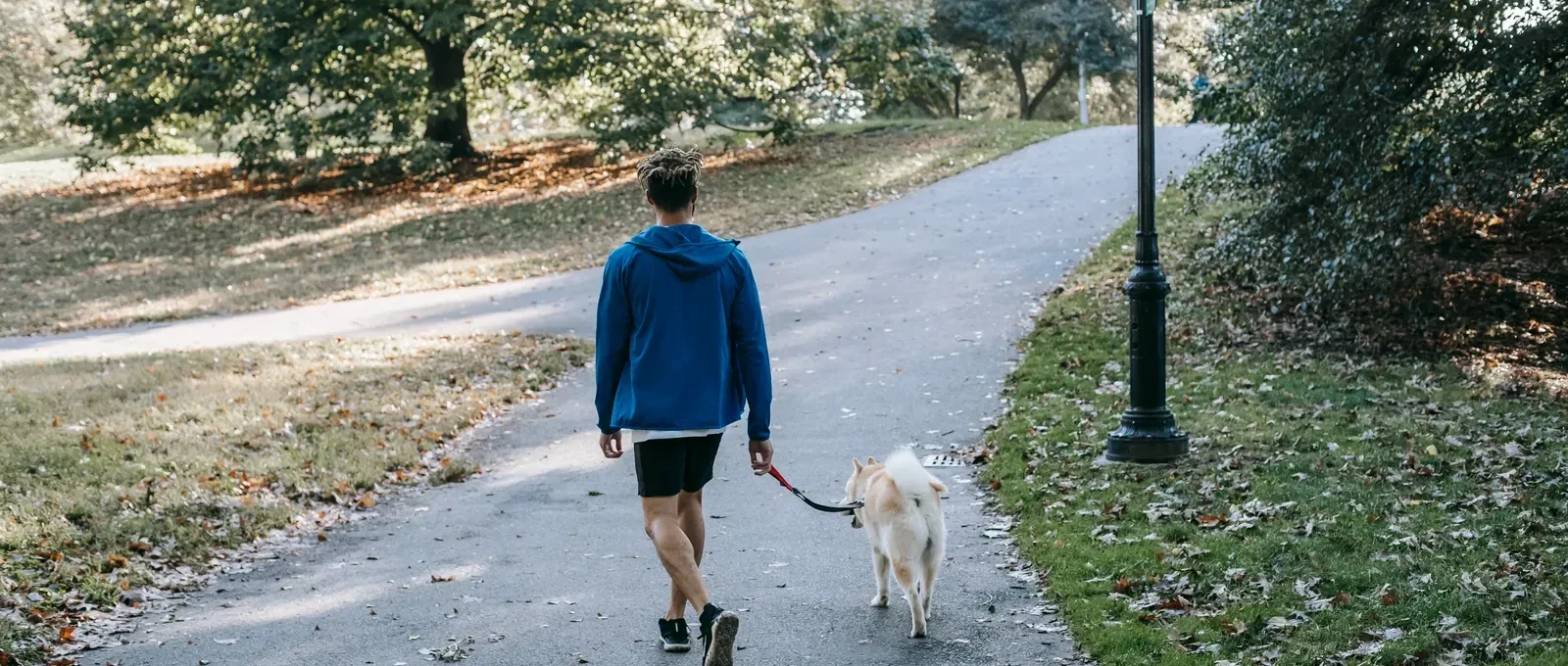

The Ultimate Dog Walking Guide: 15 Expert Tips for Safer, Happier Walks Every Day
Let’s be honest for a second. How many dog walks have you come home from feeling more stressed than when you left? Your dog pulled like a sled dog the entire way, lunged at a passing cyclist, barked at a trash can, and basically made you feel like you were being dragged through the neighborhood on the end of a very expensive leash. Sound familiar? You are absolutely not alone — and the good news is that almost every one of those problems has a solution that doesn’t involve giving up on walks entirely.
Dog walking is one of the most fundamental acts of care you can offer your dog, and done well, it’s genuinely one of life’s great small pleasures — a daily ritual that benefits your dog’s body and mind, deepens your bond, and honestly does a lot for your mental health too. Walking offers dogs a meaningful way to explore the world. It gives them a chance to move, sniff and use their senses in ways that enrich both mind and body. Even a short daily walk can make a lasting difference for a dog’s health and emotional well-being. But getting to that place — where the walk is relaxed, enjoyable, and something you both look forward to — requires the right gear, the right training approach, and a solid understanding of what your dog actually needs from their time outside.
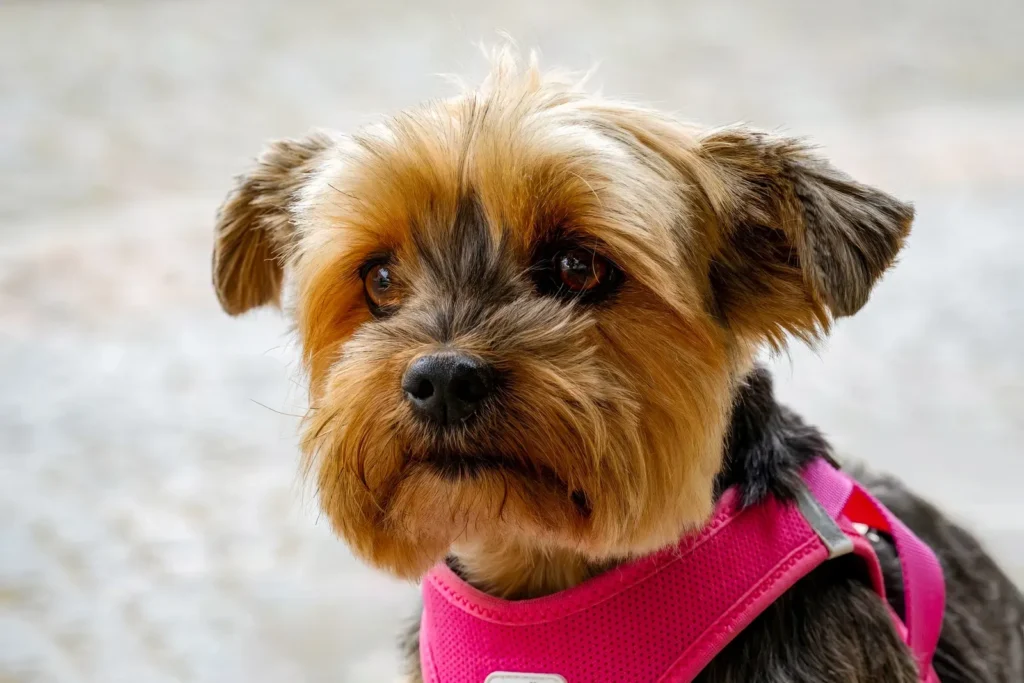
This guide covers everything: from choosing the right equipment and building a routine to mastering loose-leash walking, staying safe across seasons, and handling the common problems that make walks stressful. Whether you’re a first-time dog owner still figuring things out or a seasoned pet parent looking to make walks better for both of you, there’s something here that will change the game for you and your pup.
Why Walking Your Dog Is About So Much More Than Exercise
Before we get into the practical tips, let’s spend a moment appreciating why walks matter as much as they do — because understanding the full value of a good walk motivates you to invest in making it better.
The Physical and Mental Benefits of Daily Walks
The physical benefits of walking your dog are obvious enough — cardiovascular fitness, weight management, joint health — but the mental and behavioral benefits are where things get really interesting. Mental stimulation through new scents, sights, and sounds keeps your dog’s mind active. Regular walks can reduce anxiety, boredom, and destructive habits like chewing or barking. Think about what happens to a dog who doesn’t get adequate daily walks: they become restless, anxious, and creative in the most inconvenient ways. That chewed sofa cushion, that hole in the garden, that incessant barking at nothing — these are almost always symptoms of a dog whose energy and curiosity have nowhere productive to go.
Studies published in Frontiers in Veterinary Science have reported that enrichment activities like walking can lead to lower stress indicators in dogs. This reinforces what many pet families already know — dogs thrive when their daily needs include movement, exploration and affection. Walks are also when dogs do a significant amount of their social and environmental processing. Every lamppost, tree root, and patch of grass your dog investigates on a walk is a piece of sensory information that tells them about the world they live in. That’s not just sniffing around — it’s cognitive work, and cognitively satisfied dogs are behaviorally healthier dogs.
How Often Should You Walk Your Dog?
The honest answer is: it depends — on breed, age, health status, and energy level. But there are solid general guidelines you can work from. Ideally, you should be walking your dog two to four times per day, depending on their age, breed, exercise, and bathroom needs. High-energy working breeds like Border Collies, Huskies, and Belgian Malinois need substantially more exercise than a Basset Hound or a Shih Tzu. Puppies need frequent short outings rather than long draining walks, and senior dogs benefit from daily movement but may need shorter, gentler routes.
When it comes to puppy walking, many people don’t realize that puppies can’t be walked very far, no matter their size. Twenty minutes is the maximum they should be out for at first. You can gradually build up to longer walks as your pup gets older and more mature. A good rule of thumb for puppies is five minutes of exercise per month of age, twice a day — so a four-month-old puppy can handle around 20 minutes twice daily. For adult dogs of average energy levels, 30 to 60 minutes of walking spread across two or more sessions is a reasonable daily target.
Gear Up Right — The Equipment That Makes Every Walk Better
Here’s a truth that experienced dog walkers know well: the right equipment doesn’t just make walks more comfortable — it can completely transform the dynamic between you and your dog on leash. Struggling with a dog that pulls is ten times harder on a regular flat collar than on a properly fitted front-clip harness. Investing a few minutes in choosing the right gear is one of the highest-return decisions you can make as a dog owner.
Choosing the Right Harness or Collar
The harness vs. collar debate has been largely settled by modern trainers and veterinarians: for most dogs, especially pullers, a harness is the safer and more effective choice. To have tangible control over your dog, it is important to have a sturdy leash attached to a properly fitting collar or harness. The best item to get your dog, regardless of their size, is a secure harness. For larger dogs or for dogs that are prone to pulling, harnesses that hook to the leash from the chest may be better suited. Make sure the harness properly fits your pooch — it shouldn’t be big enough for them to slither out of, nor should it be too tight. Never use a pronged collar on your dog. This can cause discomfort or injury.
A front-clip harness pulls your dog from the front so they won’t fight against it. This is a game-changer for dogs who are strong pullers — instead of engaging the dog’s opposition reflex (which is exactly what pulling back on a collar does), the front clip gently redirects the dog’s momentum toward you. Martingale collars are a good option for escape artists — dogs who regularly back out of flat collars — and are designed to prevent an escape-artist dog from backing or slipping out of a flat collar. Because this style of collar gets tighter when pulled, they are known for preventing a dog from slipping out, which is why they are a favorite of rescues. Whatever you choose, always do a “two-finger check” — you should be able to comfortably slide two fingers under the harness or collar, but no more.
Picking the Perfect Leash
Not all leashes are created equal, and the type you choose sends a message to your dog about the kind of walk you’re having. As for the leash, opt for a durable leash that accommodates your dog’s size. For a medium-sized dog, get a ½–¾-inch-wide leash. The ideal leash length is 6 feet long. This will allow your dog to wander around while still being securely attached to you.
Retractable leashes are made to give dogs a little extra freedom and privacy when on potty walks, but are not the best restraint for exercising. A short leash is always a safe bet and facilitates a quick retreat in case you are approached by something that is not so friendly, like a loose dog, porcupine, skunk, or other wildlife. Retractable leashes in particular have a genuine safety problem beyond just control — the thin cord can cause serious rope burns on both humans and dogs, and the mechanism can snap or jam unexpectedly. For training, busy areas, or any situation where control matters, stick with a standard 4–6-foot fixed-length leash every time.
Other Essential Gear to Bring on Every Walk
Good walks require a little preparation beyond just a leash and harness. Bring a secure harness, waste bags, water for longer routes, and identification tags that are up to date. These items keep walks safe and comfortable. Up-to-date ID tags are one of those things that’s easy to forget about until the worst possible moment. If your dog slips free, those tags are their ticket home — and a microchip backing them up adds an important second layer of identification. Carrying a dog water bottle for dog walking is a practice that helps avoid dehydration in pups. This is especially important during long walks or hikes with dogs. Carrying a water bottle for your dog is essential during warm weather — it is equally important in winter because the cold, dry air can contribute to dehydration. Collapsible travel bowls take up virtually no space and make hydrating your dog on the go effortless.
Before You Head Out — Pre-Walk Preparation Tips
Establishing a Routine Your Dog Can Count On
Dogs are creatures of habit and routine is deeply reassuring to them. Keep the times and number of your walks consistent. Dogs are creatures of habit and will appreciate the routine. When your dog knows that a walk happens every morning at 7:30 and every evening at 6:00, something wonderful happens — they stop being anxious about when the next walk is coming, which actually makes them calmer and more manageable on the walk itself. A dog who isn’t sure when they’ll get outside next tends to be over-excited and poorly controlled when the leash finally comes out. A dog on a reliable schedule has energy that’s more predictable and easier to work with.
Walking your dog at the same time each day and to the same places helps them learn how they are expected to behave and will help them behave better when you introduce them to new walking areas. Start with structure, and then add variety once the baseline behavior is solid. Ask your dog to sit before you attach the leash to his collar. This small ritual — asking for a sit before the walk begins — is one of the simplest and most effective things you can do to set the tone for the entire outing. A dog who has to earn the leash by offering calm behavior starts the walk in a completely different headspace than one who is allowed to jump and spin their way out the door.
Getting a Vet Clearance for New or Senior Dogs
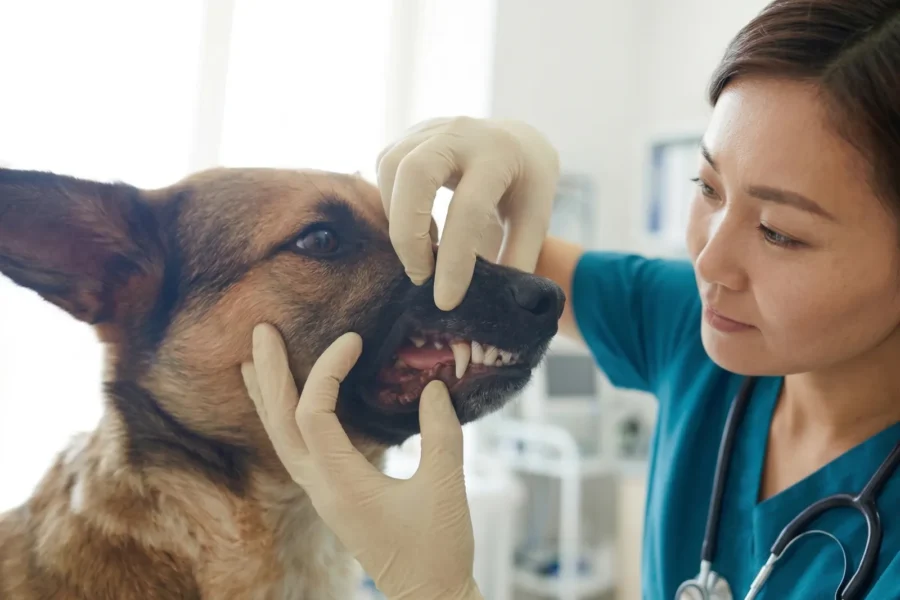
This tip gets skipped constantly, but it matters enormously — particularly for older dogs or dogs just starting a new exercise program. Have your veterinarian clear your dog for any new physical activity. Having a physical examination is especially important for older dogs that may have joint issues like arthritis, but is also important for growing puppies that have immature joints. Strenuous exercise can be painful for both the very young and the very old.
Start with your veterinarian when beginning your pet’s exercise program. It’s best to make sure that your pet is healthy enough to begin an exercise program and that the program is tailored to fit your pet’s health needs. Begin with short, frequent walks, and take frequent rests as needed. Your vet can also flag any breed-specific considerations — brachycephalic breeds like Bulldogs and Pugs need very different walking plans than athletic breeds like Vizslas or Border Collies. Getting that conversation out of the way early saves a lot of guesswork and potential harm down the line.
Leash Training and Walking Etiquette Tips
How to Stop Your Dog From Pulling on the Leash
Leash pulling is the single most common complaint among dog owners, and it makes walks genuinely unpleasant and potentially dangerous. The good news is that pulling is a learned behavior — which means it can be unlearned with the right approach. The bad news is that the “right approach” requires consistency that most owners underestimate at first. Utilize positive reinforcement techniques, such as offering treats and lavish praise, to reward your dog for walking alongside you and exhibiting desirable behavior. This is all part of effective leash training for dogs.
The best dog walking tips are based on positive methods. The best way to teach your dog to walk nicely on the leash is with rewards. No more pulling! It does require some practice, but the tips are easy to implement daily. Every time your dog walks with a loose leash — even for just a few steps — that’s worth rewarding. High-value treats are particularly effective here because you’re competing with the incredible sensory environment of the outdoors. Regular kibble may not cut it; pieces of chicken, cheese, or commercial training treats that your dog goes absolutely wild for will do the job.
The “Be a Tree” Method and Loose-Leash Walking
One of the most elegantly simple training techniques for leash pullers is called the “Be a Tree” method, and it works because it turns the pulling behavior against itself. If your dog pulls ahead, stop walking and stand still. Only move forward when the leash is slack again. This teaches your pup that pulling won’t get them anywhere. The dog’s brain makes a very logical connection: when I pull, the walk stops. When the leash is loose, we move forward. Over consistent repetition — and yes, this does require patient repetition — pulling becomes self-defeating from your dog’s perspective.
The critical word is consistent. If you apply this technique 80% of the time and allow pulling the other 20%, you’ve taught your dog that pulling sometimes works — which is actually a very powerful reinforcement schedule. Practice loose-leash walking by rewarding your dog when the leash stays loose to reinforce relaxed walking. Keep leash training sessions around 5–10 minutes at a time and end on a positive note. Short, focused training windows with clear rewards produce far better results than long, frustrating battles on every walk.
Teaching Key Commands That Transform Walks
A dog who knows a handful of reliable commands is dramatically easier and more enjoyable to walk. Your dog should listen when you talk. He should sit, stay, or come when called. Before setting out on a hike, spend some time reviewing or teaching basic obedience skills. The “sit” command alone is one of the most powerful tools in a dog walker’s kit — use it at every curb, every intersection, every time a distraction appears. Ask your dog to sit every time you stop at a crossing point or every time you stop for any reason. If you are very consistent and ALWAYS ask your dog to sit at every street corner and every time you stop, then your pooch will eventually learn to do it on his own.
Use the “Leave It” command — dogs are naturally curious, but not everything on the ground is safe. Teaching “leave it” can prevent them from picking up harmful objects, like discarded food or trash. Train your dog to respond to a simple phrase like “watch me” to regain their attention if they get distracted. This is especially helpful in busy environments. Teach commands like “heel” or “stop” while on the move. Practice leash etiquette by rewarding calm walking. These commands don’t need to be taught in a formal training class — the walk itself is one of the best classrooms you have, because the rewards are happening in the exact context where you need the behaviors.
Safety Tips for Every Season
Summer Walking Safety — Heat, Pavement, and Hydration
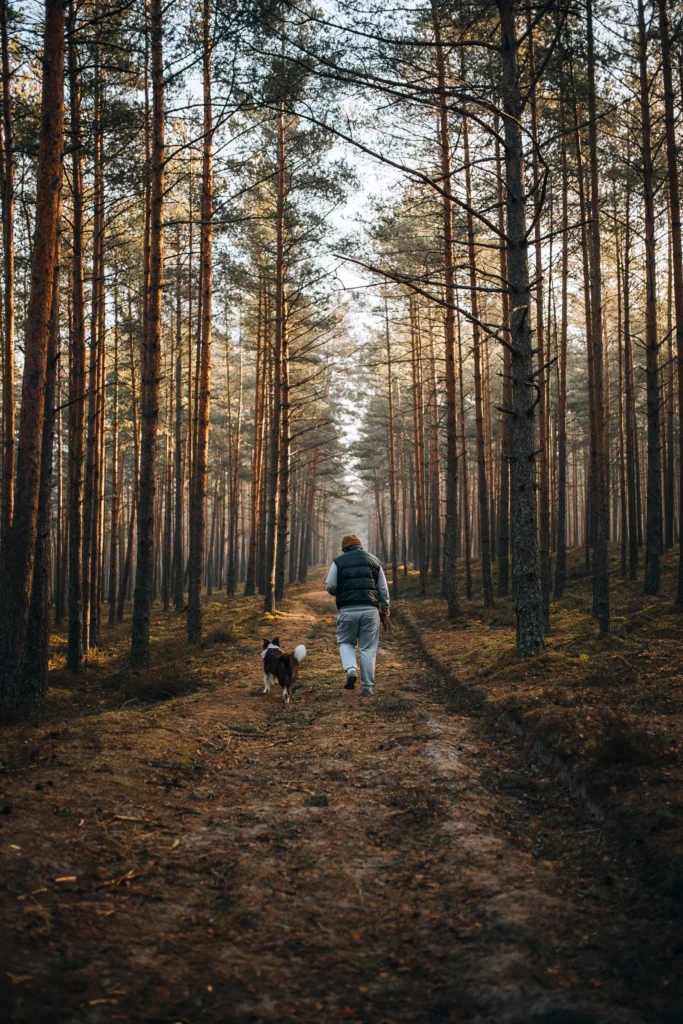
Summer is when dog walking safety becomes most critical, and the risks are more serious than many owners appreciate. A dog’s tolerance to heat and cold differs based on their size, body condition, hair coat, health status, and other factors. Consider timing walks to avoid the hottest part of the day during warm weather. Brachycephalic (short-nosed) and overweight dogs seem to have a tougher time than others in hot weather and may require more frequent rests, shorter walks, or a change in walk schedule to avoid the hottest hours of the day.
The pavement temperature issue is one of the most underappreciated summer hazards. Asphalt can reach temperatures far exceeding the air temperature on a sunny day, and paw pads can sustain burns within seconds of contact. The five-second rule applies here: press the back of your hand against the pavement for five seconds. If it’s uncomfortable for you, it will cause burns on your dog’s paws. Be on the lookout for signs of heat stress, which can quickly progress to heat exhaustion, heat stroke, and even death without immediate veterinary care. Remember the paws! Always carry water, plan walks for the early morning or evening when temperatures are coolest, and never hesitate to cut a walk short if your dog shows any signs of overheating — excessive panting, drooling, stumbling, or suddenly sitting down and refusing to move.
Winter Walking Safety — Ice, Salt, and Cold Stress
Winter presents its own unique set of hazards, from icy surfaces and road salt to the very real risk of cold stress in vulnerable dogs. Use well-lit routes, watch for ice, and monitor your dog for signs of cold stress. Shorter sessions may be better for small breeds or dogs with thin coats. Avoid letting your dog walk in areas that have been treated with salt or ice melt products, and wash their paws off if they do happen to come into contact with these products.
The chemicals in many common de-icing products — calcium chloride and sodium chloride being the most prevalent — are genuinely harmful to paw pads, causing irritation, blistering, and chemical burns with prolonged contact. Dogs will also lick their paws after coming inside, which means ingesting these substances. A thorough paw wash with warm water after every winter walk is one of the best habits you can build. Dog boots offer the most comprehensive protection, and while it takes time to get most dogs comfortable wearing them, the investment is worth it for dogs who live in areas with heavy winter salting.
Making Walks More Enriching and Fun
Let Your Dog Sniff — It’s the Whole Point
Here’s a perspective shift that will completely change your relationship with dog walks: the walk isn’t about the distance you cover or the speed at which you cover it. For your dog, the walk is about the smell. Did you know that dogs have more than 100 million scent receptors in their noses? They experience the world through smell. This is why it’s important to let your dog sniff around, even if it’s annoying or time-consuming for you. After all, it’s their walk, not yours!
Allow plenty of sniffing time and change routes as often as possible. Small enrichments like practicing cues or adding a short jog can make walks more interesting. A 20-minute “sniff walk” — where your dog sets the pace and investigates every smell that interests them — is more mentally tiring and satisfying for most dogs than a brisk 45-minute march where sniffing is constantly interrupted. Mental fatigue is just as important as physical fatigue for a calm, well-behaved dog, and the nose is the primary instrument through which dogs achieve that mental workout. Letting your dog sniff isn’t indulging bad manners — it’s honoring how dogs actually experience the world.
Vary Your Routes and Add Mental Challenges
Routine is good for walk timing, but the routes themselves benefit from regular variety. Switching up your route helps prevent boredom and keeps walks exciting for both of you. It also helps reinforce training in different environments. New environments introduce new smells, new sights, new sounds, and new social dynamics — all of which provide the kind of mental stimulation that makes dogs calmer, happier, and better behaved at home.
Plan a “doggy playdate” during your walk to boost your dog’s social skills. Set goals for your daily walks to help you stay consistent — you can use fitness apps like WoofTrax that donate to shelters with every step. Walking is the perfect opportunity to reinforce good behavior. You can also turn parts of the walk into a training session: hide a treat under a leaf for your dog to find with their nose, ask for a sit-stay while a distraction passes, or practice recalls in a quiet area. These micro-training moments keep your dog’s mind engaged and strengthen behaviors outside of a formal training context.
Handling Common Dog Walking Problems
Reactive Dogs, Fear, and Meeting Other Dogs
Reactivity on leash — lunging, barking, growling at other dogs, people, or objects — is one of the most stressful challenges a dog owner can face on walks. It’s important to understand that reactivity is almost always rooted in fear or frustration, not aggression or dominance. A dog who loses their mind when they see another dog is usually a dog who is overwhelmed and doesn’t know what to do with those feelings. For a majority of pups, the safest way to bring them outside is by using a leash. A sturdy leash will prevent your dog from running into potentially dangerous situations or terrains.
If your dog feels unsure in busy areas or around new dogs, start with quiet routes. Confidence grows with positive experiences. Supportive training and consistency can turn walks into a calmer, happier routine. The key to managing a reactive dog on walks is distance and desensitization — keeping enough space between your dog and their trigger that they can remain below their threshold (the point at which they lose the ability to think and simply react). Reward calm observation of triggers from a safe distance, and very gradually reduce that distance over many repetitions. Reward calm greetings — excited pups may jump or pull when meeting new people or dogs. Reward calm behavior and practice controlled introductions to make social interactions stress-free.
Dog Walking Etiquette — Being a Responsible Owner in Public
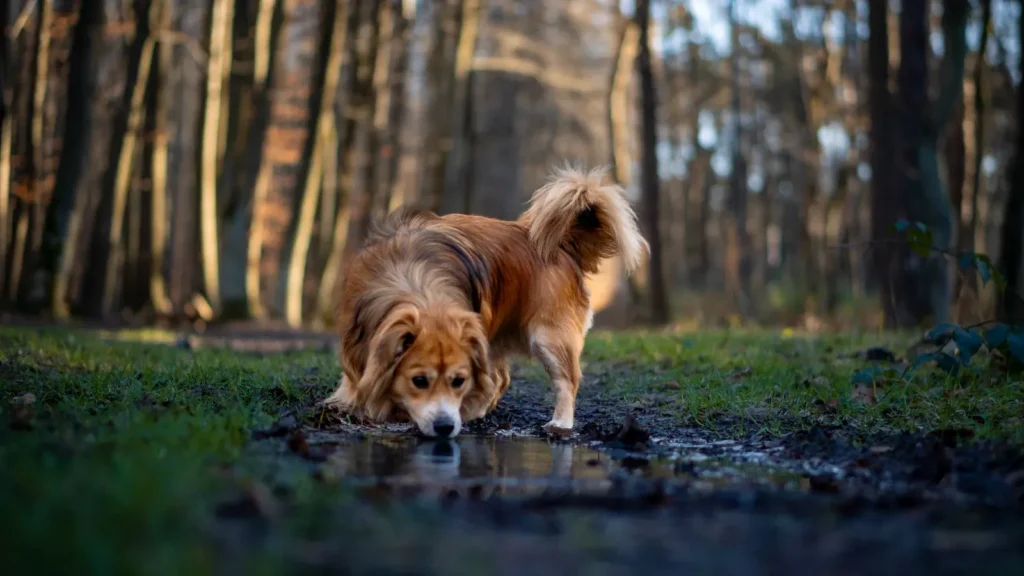
Great dog walking isn’t just about your dog — it’s about being a considerate presence in your community. How you handle your dog on walks reflects on every dog owner, and a few simple etiquette habits make the shared public space better for everyone. Promptly pick up dog waste using a scooper or plastic bag-covered hand and dispose of it in the trash. Practice good hand hygiene by thoroughly washing your hands with soap and running water after picking up feces or handling dogs. Keep dogs from interacting with unfamiliar dogs, dogs with unknown vaccine histories, and wildlife.
Ask your dog to sit before you let anyone pet him. This is another self-control exercise that teaches him to be calm around humans. Always ask permission before allowing your dog to approach another person or their dog — not everyone is comfortable around dogs, and even friendly dogs can be overwhelming for people who are nervous or for dogs who are reactive. Give other walkers, joggers, and cyclists enough space. Keep your dog close in crowded areas. And if another dog is approaching on a tense leash with pinned ears, trust your instincts and cross the street rather than attempting a forced greeting that neither dog has opted into.
Conclusion
Dog walking is one of the most ordinary and extraordinary things you do as a dog owner. Ordinary because it happens every single day, rain or shine, whether you feel like it or not. Extraordinary because every walk is a small gift — to your dog’s body, their mind, their emotional wellbeing, and the bond between you. Always finish walks with something positive — a treat, playtime, or a belly rub. This helps your dog associate walks with fun and success. Walking should be enjoyable, not stressful.
The tips in this guide aren’t about perfection. They’re about progress. Your dog doesn’t need you to be a professional trainer with a flawlessly obedient dog by their side. They need you to show up consistently, pay attention to what works, carry water, pick up after them, and invest a little patience in making things better over time. Start with one tip, build it into your routine, then add another. Before long, the walk that used to feel like a battle will feel like the best part of your day — because for your dog, it already is.
Frequently Asked Questions
1. How long should I walk my dog each day? Most adult dogs benefit from at least 30 to 60 minutes of walking per day, split across two or more outings. This varies considerably by breed — high-energy working breeds need significantly more, while smaller or lower-energy breeds may be satisfied with less. Puppies should follow the five-minutes-per-month-of-age guideline, twice daily, to protect their developing joints.
2. Should I use a harness or a collar for walking my dog? For most dogs, especially those who pull, a properly fitted front-clip harness is the safer and more effective choice. Collars are fine for carrying ID tags but put pressure on the throat and neck when dogs pull — which can cause tracheal damage over time. Never use choke, prong, or shock collars for leash walking, as these cause physical and psychological harm.
3. My dog pulls constantly on the leash. What’s the fastest way to fix it? The “Be a Tree” method — stopping dead every time the leash goes taut and only moving forward when it relaxes — combined with generous positive reinforcement for loose-leash walking is the most effective approach. A front-clip harness removes the physical opposition that regular collars create. Consistency is the essential ingredient — every single walk needs to apply the same rule for the behavior to change.
4. Is it safe to walk my dog in hot weather? Yes, with modifications. Avoid walking during the hottest hours of the day (generally 10 a.m. to 4 p.m.), opt for grassy routes over asphalt, always carry water, and perform the five-second hand test on pavement before letting your dog walk on it. Flat-faced breeds and overweight dogs are especially vulnerable to heat stress and need extra caution.
5. How do I handle my dog barking and lunging at other dogs on walks? Leash reactivity is rooted in fear or frustration and should be addressed with desensitization and counter-conditioning — rewarding calm behavior at distances where your dog can observe their trigger without reacting, then very gradually decreasing that distance over many sessions. Avoid forcing greetings between reactive dogs. If the behavior is severe or worsening, working with a certified force-free trainer or veterinary behaviorist will produce the best and safest results.

Leave a Comment