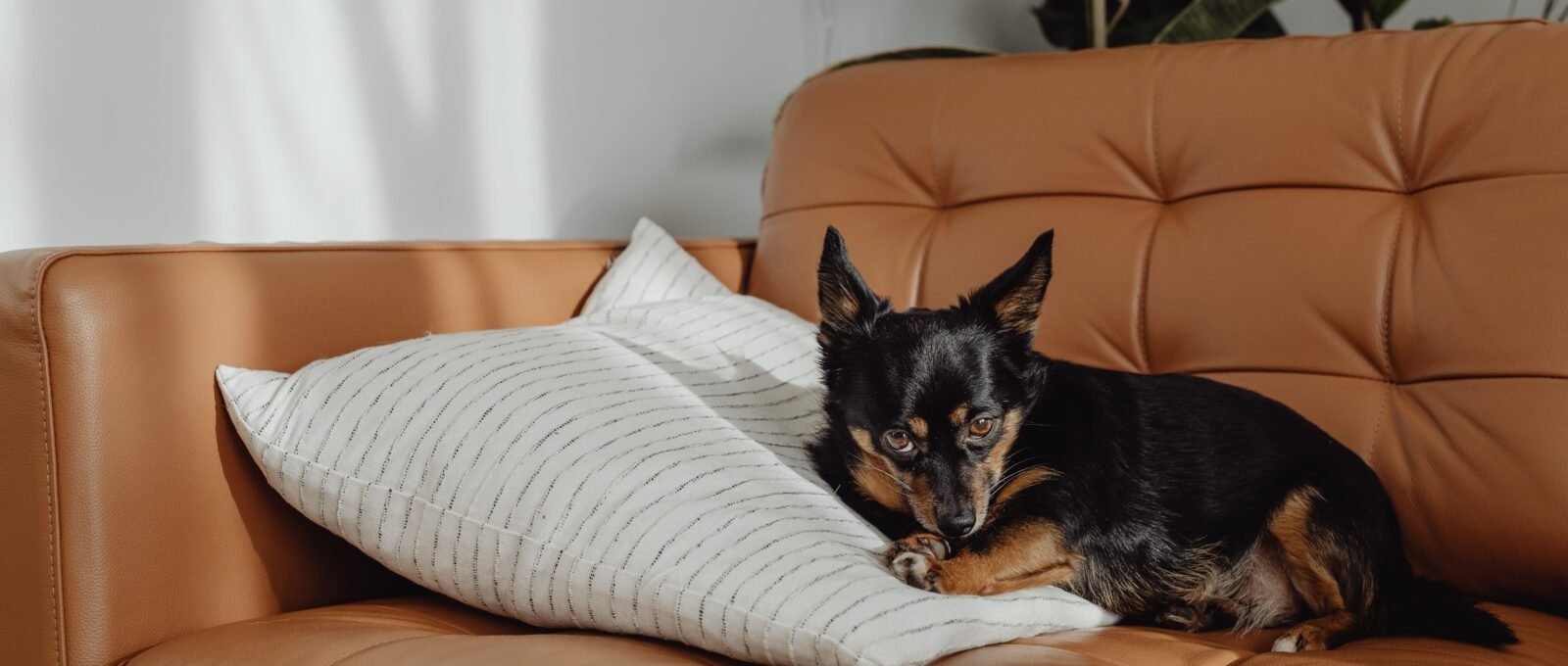

Why Choosing the Right Breed for Apartment Living Actually Matters
So you’ve finally decided to take the plunge and get a dog — congratulations, that’s genuinely one of life’s best decisions. But here’s the thing, most first-time urban dog owners don’t fully appreciate until they’re several weeks in with a Border Collie bouncing off the walls of a 600-square-foot studio: not all dogs were created equal when it comes to apartment life. The wrong breed in a small space is a recipe for frayed nerves, noise complaints from neighbors, stressed-out dogs, and the creeping guilt of knowing your pet isn’t truly thriving. The right breed, on the other hand, transforms your apartment into a cozy, harmonious sanctuary that works perfectly for both of you.
The good news is that the landscape of best apartment dogs is far more generous than you might think. The size of your living space isn’t the only consideration because many large-breed dogs have lower activity levels and are more than happy to lounge on the sofa. There are dog breeds that require high energy and plenty of space, so they may not be best suited for a smaller apartment. Some small dog breeds with high energy are satisfied with indoor playtime or a brisk walk. This is a crucial insight that liberates apartment dwellers from the narrow assumption that only the tiniest, most delicate toy breeds are viable options. What matters far more than pure physical size is a combination of energy level, temperament, noise tendency, and adaptability — qualities that vary dramatically across breeds of all sizes.
The stakes in this decision extend beyond your personal convenience. You’ll want a pet that doesn’t bark incessantly and is polite when meeting other people, in the elevator, on the stairs, or in the lobby. In an apartment building, your dog’s behavior is genuinely a communal matter — their barking reverberates through shared walls, their energy expenditure in the hallways affects your neighbors, and their temperament with strangers in common areas shapes the social fabric of your building. Choosing a breed whose natural disposition aligns with apartment living isn’t just good for you — it’s an act of consideration for everyone who shares your building. Let’s break down exactly what that looks like in practice.
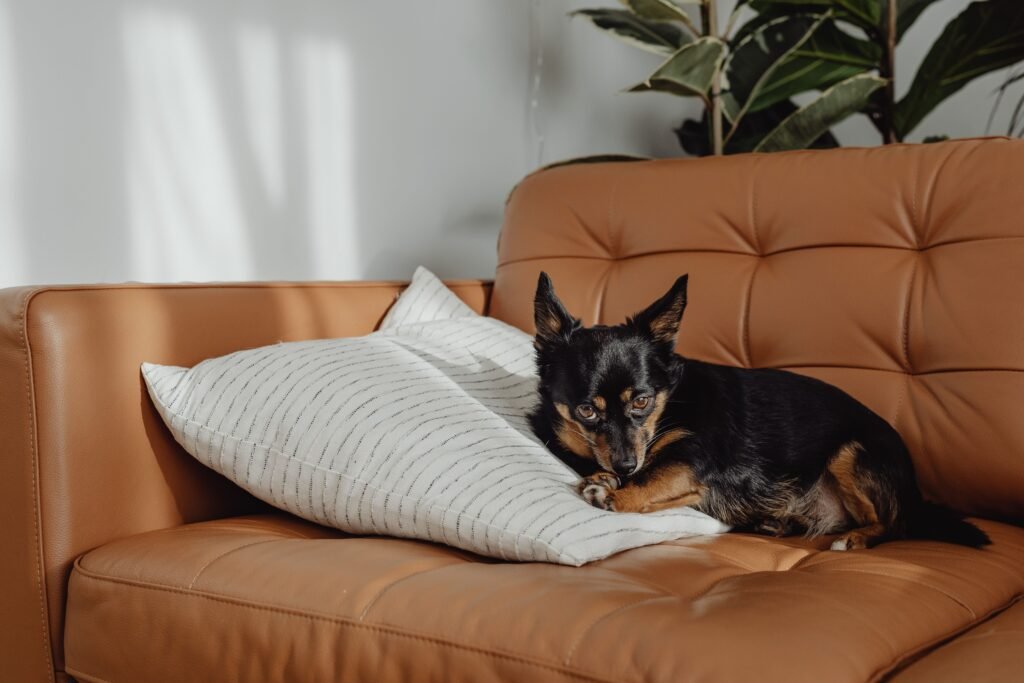
What Makes a Dog Truly Apartment-Friendly?
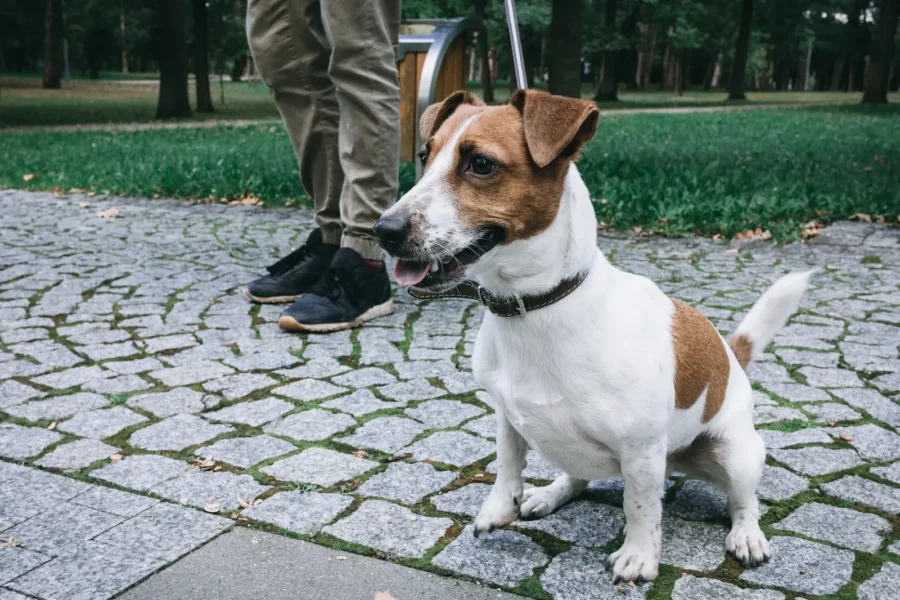
Before we dive into specific breeds, it’s worth establishing a clear framework for what “apartment-friendly” actually means. Too many people default to size as the primary filter, scanning through lists of small dog breeds and assuming any dog under 20 pounds will work out fine. This oversimplification leads to disappointment — a Jack Russell Terrier is tiny but has the energy output of a caffeinated toddler, while a Greyhound is enormous but genuinely content to sleep 18 hours a day. True apartment compatibility is a multi-dimensional assessment.
Size, Energy Level, and Noise — The Holy Trinity
When evaluating the best apartment dogs, three factors deserve equal weight in your decision-making. Size matters for obvious practical reasons — weight limits in most apartment buildings typically range from 25 to 50 pounds, and a physically smaller dog is simply easier to manage in confined corridors, elevators, and shared spaces. Energy level, however, is arguably more important than size. Low to moderate-energy dogs are ideal, as they don’t require constant exercise or large outdoor spaces. A high-energy breed that doesn’t get adequate physical outlet will redirect that energy into destructive behavior, excessive vocalization, and anxiety — none of which make for a happy dog or a peaceful apartment.
Noise level is the third pillar, and it’s the one that most directly affects your relationship with your neighbors. Dogs with a soft bark and those who seldom feel the need to bark are ideal. However, intelligent dog breeds can also learn quiet behaviors more easily. Some breeds are genetically wired to be alert barkers — Beagles, Dachshunds, and many terriers have instincts that drive them to vocalize. Others are naturally quiet and reserved. Understanding which category your prospective dog falls into is critical because chronic barking is one of the most common reasons dogs are rehomed from apartment situations.
Temperament and Adaptability
Beyond the holy trinity of size, energy, and noise, temperament and adaptability round out the apartment-dog profile. Adaptability matters. Dogs that adjust well to different environments are great for urban settings. Urban life exposes dogs to a constant stream of novelty — strangers in hallways, elevator rides, street noise, other dogs in tight spaces, deliveries, and all the unpredictable sounds of a multi-unit building. A dog with a nervous, reactive, or anxious temperament will find this environment genuinely stressful, which manifests as barking, destructive behavior, and poor quality of life. The ideal low-maintenance dog for apartment living processes new experiences calmly, recovers quickly from surprises, and genuinely enjoys being close to people, since apartments don’t offer the retreat of a large backyard.
Top 12 Best Apartment Dogs for 2026
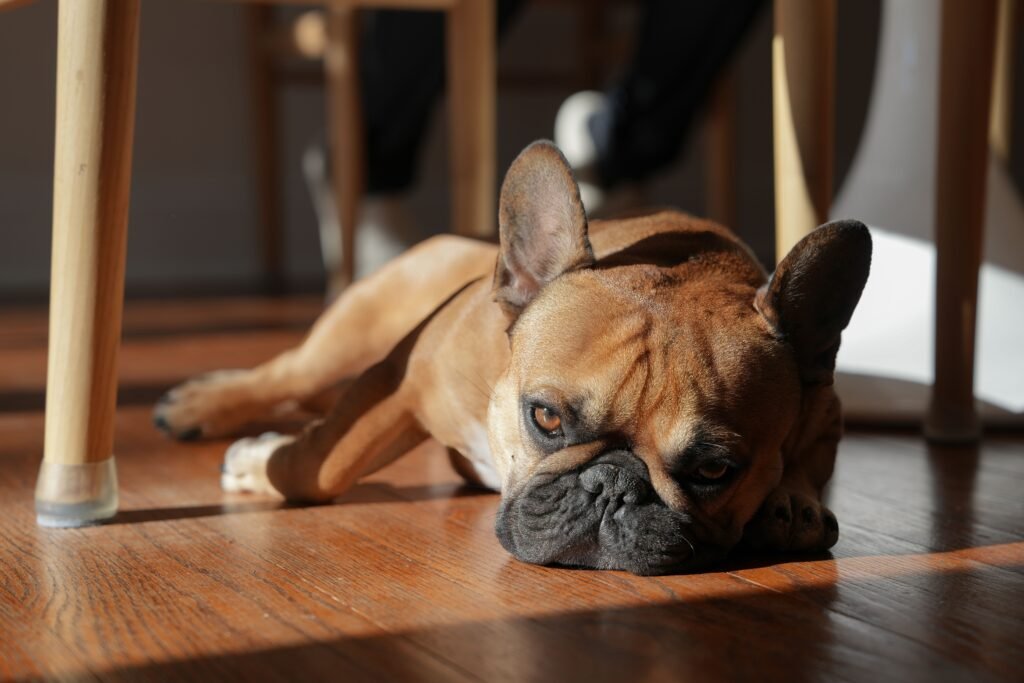
1. French Bulldog — The Ultimate City Dog
If there is one breed that has genuinely been tailor-made by decades of selective breeding to thrive in exactly the conditions apartment life presents, it’s the French Bulldog. These compact, bat-eared charmers have shot to the top of popularity charts in cities worldwide, and the reasons why are immediately obvious to anyone who has spent time with one. French Bulldogs are small, quiet, and well-behaved dogs. These characteristics alone make Frenchies perfect for living in small spaces. Frenchies are playful, but don’t require a lot of exercise. Daily walks of 30 minutes are enough to keep them healthy. Think of the Frenchie as the perfect urban roommate — sociable and fun when you want company, perfectly content to sprawl on the sofa when you’re working, and never going to disturb your neighbors with excessive barking.
Their adaptability is truly exceptional. French Bulldogs are equally happy in a 400-square-foot studio and a spacious loft, adjusting their behavior to the energy level of their household with remarkable ease. They’re affectionate without being clingy, playful without being manic, and generally polite with strangers — an ideal combination for elevator encounters and lobby socializing. One of the most popular city dogs, Frenchies are playful yet mellow. They enjoy short walks and long naps and don’t need much grooming. They’re typically quiet, making them perfect for apartments with neighbours nearby. One practical consideration for potential Frenchie owners: this brachycephalic breed can struggle in extreme heat, so avoid strenuous activity on hot days and ensure your apartment is adequately air-conditioned in summer months.
2. Cavalier King Charles Spaniel — The Gentle Lap Dog
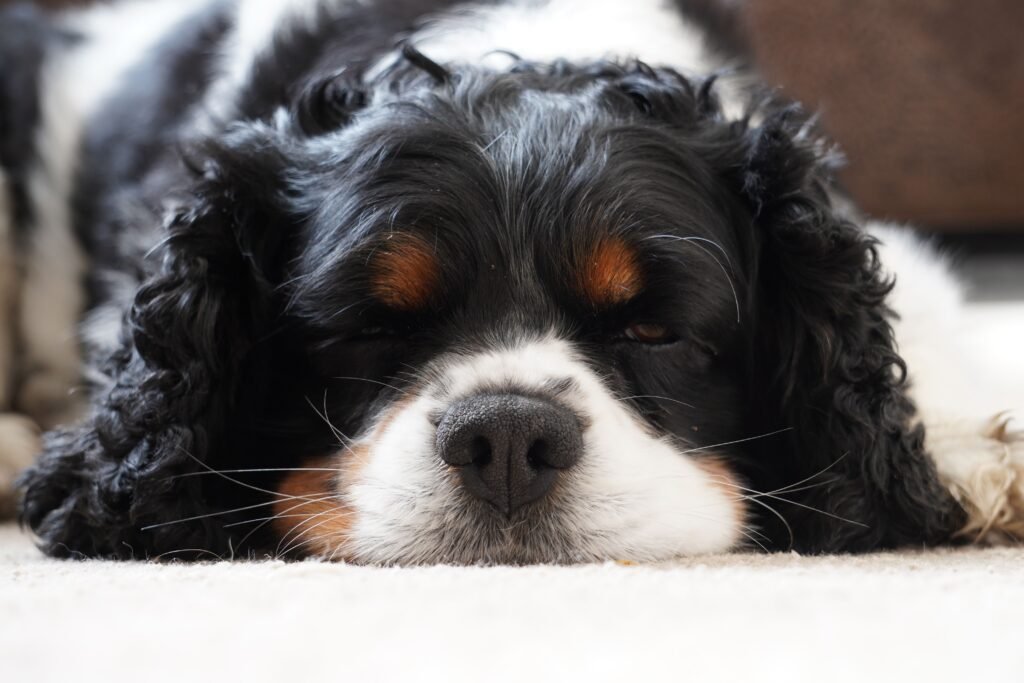
Few dogs in the entire canine kingdom match the Cavalier King Charles Spaniel for sheer warmth, gentleness, and easy-going adaptability to apartment living. These silky-coated, soulful-eyed companions were literally bred over centuries to be the perfect lap dog — close to their humans, emotionally attuned, and content in whatever space their person calls home. Gentle, quiet, and affectionate, Cavaliers are natural lap dogs. They love people, adapt easily to new spaces, and rarely bark without reason. Their gentle temperament extends to everyone they meet — strangers in the hallway, children in the elevator, other dogs in the lobby — making them one of the most socially effortless breeds you can choose for communal apartment living.
Cavaliers occupy a sweet spot in terms of exercise needs that suits most urban lifestyles perfectly. They’re not couch potatoes that need to be carried everywhere, but they’re also not high-octane athletes demanding two hours of vigorous activity daily. A couple of moderate walks and some indoor playtime satisfy their activity requirements comfortably. The Cavalier King Charles Spaniel was bred for royalty, but these pups aren’t as high-maintenance as their bougie lineage suggests. They’re affectionate and easy-going — happy to prance around the house or curl up and snuggle. Their relatively low-maintenance grooming needs — a good brush a few times a week to keep that silky coat tangle-free — and their naturally calm indoor disposition make them one of the most genuinely low-maintenance dogs on this entire list. They’re also a wonderful fit for older adults — see our guide to the best dog breeds for seniors.
3. Shih Tzu — Born for Indoor Royalty
The Shih Tzu’s entire existence has been shaped by one purpose: to be the perfect indoor companion dog. Shih Tzus were made for apartment living. After all, they were bred to essentially be lap dogs, living with ancient Chinese royalty for thousands of years. At 9–16 pounds, they are a great size for any apartment and will require a leisurely walk each day. Thousands of years of selective breeding for exactly this function — calm, affectionate, indoor companion — have produced a dog whose temperament and energy levels are almost perfectly calibrated for small-space living. They’re not going to demand marathon runs or endless games of fetch in the park. A leisurely daily walk and some gentle indoor play are all a Shih Tzu needs to be thoroughly content and healthy.
From a practical apartment-living standpoint, Shih Tzus bring several meaningful advantages to the table. Shih Tzu is one of the best small dogs for condos thanks to their calm demeanor and minimal exercise needs. They’re also great companions for seniors or people with a relaxed lifestyle. They’re small, hypoallergenic, and thrive indoors. Their low-shedding coat — a significant practical advantage in a small apartment where dog hair would otherwise accumulate rapidly — does require regular professional grooming every 6–8 weeks, or daily brushing if kept in a longer coat. Many apartment-dwelling Shih Tzu owners opt for a shorter “puppy cut” that dramatically reduces grooming maintenance while keeping the dog comfortable and adorable. Their quiet, self-contained nature means they handle time alone reasonably well, which is valuable for working urbanites.
4. Bichon Frise — The Hypoallergenic Happy-Go-Lucky Companion
The Bichon Frise is one of those dogs that seems specifically engineered to make people happy — and in an apartment context, their combination of cheerful temperament, low-shedding coat, quiet disposition, and compact size makes them close to the ideal urban companion. One of the most affable, adorable breeds on the planet, the Bichon Frise is a happy-go-lucky people-pleaser who is easily one of the best apartment dogs. While they can make excellent agility competition dogs, they’re also more than happy to spend long stretches quietly on the couch. And at around 15 pounds, they’re not going to keep your downstairs neighbors on edge. Their low-shedding, hypoallergenic coat is a game-changer for apartment dwellers who share their space with allergy-sensitive family members or who simply don’t want their furniture perpetually dusted in dog hair.
Soft, friendly, and hypoallergenic, the Bichon is one of the happiest small dogs around. Their naturally social temperament means they handle the social demands of apartment living — elevator encounters with neighbors, lobby greetings with strangers, shared outdoor spaces with other dogs — with cheerful ease. The Bichon does require professional grooming every 4–6 weeks to maintain its signature fluffy coat and prevent matting, which is worth factoring into your lifestyle and budget planning. In return for that grooming investment, you get a dog that doesn’t shed on your dark clothing, doesn’t trigger sneezing fits in your guests, and fills your apartment with an almost inexhaustible supply of cheerful, bouncy affection. For more non-shedding companions, explore our list of the top 10 cute dog breeds that don’t shed.
5. Greyhound — The Surprising Couch Potato
Here’s the plot twist that surprises virtually every first-time apartment shopper: the world’s fastest dog is also one of the world’s best apartment dogs. Yes, really. We know it seems counterintuitive for the dog kingdom’s fastest member to make a list of best apartment dogs. But here’s the secret about Greyhounds: they have two speeds — sprinting and napping. So while they are happily going to accentuate your active lifestyle on weekends and evenings, life inside your urban dwelling should still be hunky-dory. Greyhounds are incredibly low-maintenance, so they’re great for busy people who want to spend their limited time doing fun activities. A retired racing Greyhound will spend the vast majority of their day in your apartment doing exactly one thing: sleeping in the most comfortable spot they can find.
Known as ‘couch potatoes in disguise,’ retired racing Greyhounds love to lounge. They need a quick daily sprint, then they’re perfectly happy to snooze for hours. They’re one of the cleanest, quietest large breeds. The daily exercise requirement for a Greyhound is actually quite modest — a brisk daily walk, with occasional opportunities to run freely in a securely fenced area, keeps them satisfied and healthy. Inside the apartment, they’re calm, quiet, affectionate with their people, and remarkably undemanding. The main practical consideration is their size — retired racing Greyhounds typically weigh 55–70 pounds, which puts them above the weight limit in many apartment buildings. Always check your building’s pet policy before falling in love with this breed.
6. Pug — The Low-Energy Charmer
Pugs are the comedians of the dog world — stubby little faces, barrel-shaped bodies, enormous personalities, and an approach to life that prioritizes comfort, food, and human company above pretty much everything else. In an apartment context, these qualities translate into a remarkably easy-going companion that requires modest exercise, generates minimal noise, and provides maximum entertainment. Pugs are true companion dogs who enjoy snuggling up on the couch. Perhaps the only thing they love more is food. They’re low-maintenance dogs who thrive in smaller spaces due to their minimal exercise needs, but they’ll still need some exercise to keep them from becoming overweight. The obesity risk is real and worth taking seriously — Pugs love to eat and have a metabolism that doesn’t always keep pace with their appetite, so portion control and regular light exercise are essential.
Pugs are charming, playful, and known for their amusing personalities. They’re small in size and don’t need a lot of outdoor time, making them a fantastic choice for apartment dwellers. They’re low-maintenance and love lounging indoors. Like French Bulldogs, Pugs are a brachycephalic breed with shortened airways that make them vulnerable to heat stress — a consideration for apartment dwellers in warmer climates or buildings without reliable air conditioning. Their snoring and snuffling sounds are legendary and endearing to most owners, though fair warning: if you’re a light sleeper who shares a bedroom with your Pug, earplugs might occasionally be warranted.
7. Maltese — The Lightweight, Low-Shedding Sweetheart
The Maltese is one of the oldest companion breeds in recorded history, and millennia of selective breeding for exactly the indoor companion role they fulfill today has produced a dog of extraordinary temperament and adaptability. Lightweight, low-shedding, and affectionate, the Maltese is ideal for apartment dwellers. They’re friendly but not overly energetic, perfect for calm households or retirees. Rarely exceeding 7 pounds, the Maltese is one of the genuinely small dog breeds where size alone presents essentially zero practical issues in any apartment setting — they take up almost no space, their food costs are minimal, and their exercise needs are easily met with indoor play and short daily walks.
Maltese dogs are elegant and affectionate, making them ideal apartment companions. Their small size is complemented by their lively and playful nature. They bond closely with their families, offering warmth and joy. Their low-shedding coat is a significant practical advantage in a small apartment — you won’t find dog hair on every piece of furniture and clothing. However, that beautiful floor-length white coat does require either daily brushing and regular professional grooming, or a practical short “puppy cut” that most owners choose for ease of maintenance. One behavioral note: Maltese can develop separation anxiety if not properly socialized and trained from a young age, so if you work long hours away from home, establishing a solid routine and considering doggy daycare or a dog walker is advisable.
8. Basenji — The Genuinely Barkless Dog
If your apartment building has particularly strict noise rules — or if you simply value silence and have noise-sensitive neighbors — the Basenji might be the most uniquely perfect breed on this entire list. Often called the ‘barkless dog,’ the Basenji is famous for making yodel-like sounds instead of barking. Compact and clean, this breed is also known for its independence and low-maintenance grooming needs — perfect for apartment dwellers. The Basenji’s inability to bark in the traditional sense is rooted in the unique shape of their larynx — they can vocalize, but what they produce is a distinctive yodel or chortle rather than a proper bark. For neighbors on the other side of thin walls, this is an almost miraculous quality.
Basenjis, the so-called ‘barkless’ dogs, have a poised demeanor and are known for their quiet nature, making them suitable for apartments with noise restrictions. These dogs are independent and intelligent, requiring mental stimulation and regular exercise. Their sleek coat demands minimal grooming. The Basenji does come with a few notable quirks that prospective owners should understand. They’re famously independent — almost cat-like in their self-contained personality — which can make training a challenge for inexperienced dog owners. They also have a strong prey drive that requires a securely leashed urban lifestyle. But for the right owner — one who appreciates independence, can provide mental stimulation and regular exercise, and above all needs a genuinely quiet dog — the Basenji is a rare and wonderful find.
9. Boston Terrier — The All-American City Dog
The Boston Terrier’s very name contains a hint about their urban affinities, and this breed has been one of America’s most beloved city dogs for well over a century with very good reason. This dapper fellow makes one of the best apartment dogs because of his ideal combination of size and temperament and low-maintenance needs. Almost universally friendly, loving dogs, Boston Terriers are also small enough to be able to get almost all of their exercise needs indoors and not annoy your downstairs neighbors while they do it. Their tuxedo-like black and white markings give them a perpetually dapper appearance that city dwellers find irresistible, and their personality more than lives up to the stylish exterior — Boston Terriers are curious, playful, affectionate, and adaptable in equal measure.
Boston Terriers are great city dogs. They’re quiet, chill, and up for anything. Digital nomads who need a dog breed that loves adventure but settles quickly, look no further. From a practical, low-maintenance dog standpoint, Boston Terriers are an outstanding choice. Their short, smooth coat requires almost no grooming beyond occasional baths and a weekly wipe-down. Their exercise needs are moderate — indoor play covers a significant portion of their daily activity requirements, supplemented by a couple of walks. And while they can bark occasionally when startled, they’re not natural alarm-barkers and rarely develop the chronic vocalization that plagues some other small breeds in apartment settings.
10. Italian Greyhound — The Compact Quiet Companion
The Italian Greyhound brings virtually all the appealing qualities of its full-sized racing cousin to an apartment-scaled package that weighs in at just 7–14 pounds. Coming in at about 20 percent the size of their racing cousins, the Italian Greyhound brings most of the things people love about the Greyhound breed — in a smaller, lighter, and even quieter package. At around 10 pounds, the Italian Greyhound makes the best apartment dogs list because they’re low-maintenance and quiet enough not to be a nuisance. Like their larger relatives, Italian Greyhounds are built for speed but profoundly appreciate comfort — they’ll curl up under a blanket with you for hours and seem genuinely offended by cold weather, rain, or any other environmental discomfort that disturbs their preferred state of warm, cozy ease.
Weighing less than 15 pounds and with an affectionate and playful temperament, the Italian Greyhound can be a great companion in an apartment setting. They are sensitive dogs who don’t do well in noisy or chaotic environments. If they live with just their owner, they will bond for life and thrive in an apartment of any size. This sensitivity cuts both ways — Italian Greyhounds are exceptionally bonded to their people and make intensely devoted companions, but they can find chaotic environments with lots of activity stressful. For a single professional or a quiet couple living in an apartment, they’re close to perfect. For a boisterous household with young children and frequent visitors, the breed’s sensitivity may be a consideration.
11. Shiba Inu — The Independent Urban Companion
The Shiba Inu has earned a devoted following among urban dog owners who appreciate a dog with genuine personality — independent, dignified, fastidiously clean, and just mysterious enough to be endlessly interesting. The Shiba Inu is one of Japan’s national dogs. It is generally a quiet dog breed that seldom barks, usually only doing so when experiencing intense emotions or hearing unexpected sounds. Their cat-like cleanliness is one of their most celebrated qualities among apartment owners — Shiba Inus groom themselves meticulously, rarely smell, and tend to be naturally clean in their habits, which makes cohabitation in a small space genuinely pleasant.
Their moderate exercise needs are compatible with urban apartment life — they benefit from daily walks and the occasional run in a secure off-leash area, but they’re not demanding the kind of relentless physical activity that makes some breeds exhausting in a city setting. Although the Shiba Inu can shed heavily, brushing them a few times a week is enough to maintain their coat. The shedding is worth noting — Shiba Inus have a dense double coat that blows out dramatically twice a year, requiring more vacuuming and brushing during those seasonal periods. Their independent, sometimes stubborn temperament makes them better suited for experienced dog owners who understand that training requires patience, consistency, and mutual respect rather than forceful repetition.
12. Dachshund — The Spirited Little Apartment Adventurer
The Dachshund — with that iconic elongated body, short legs, and larger-than-life personality — has been charming apartment dwellers for generations, and their unique combination of compact size, modest exercise needs, and devoted temperament makes them a natural fit for small-space living. Dachshunds, with their iconic long bodies and short legs, are full of personality. They are curious and playful, yet content with indoor living. Their size is perfect for compact spaces. These dogs are lively and enjoy daily walks, keeping them happy and healthy. Dachshunds are known for their loyalty and make devoted companions. Their loyalty to their people runs remarkably deep — a Dachshund will follow their favorite human from room to room throughout the day, providing a level of companionship that apartment dwellers who work from home find particularly wonderful.
The one behavioral characteristic worth managing carefully in Dachshunds is their tendency to bark — originally bred as hunting dogs who needed to alert their handlers underground, Dachshunds have strong vocal instincts that can become problematic if left unchecked in an apartment setting. Dachshunds are compact and affectionate with low exercise needs. The good news is that this barking tendency responds well to consistent training and adequate mental stimulation — a bored Dachshund is a vocal Dachshund, while a well-exercised, mentally engaged one is a content and relatively quiet apartment companion. Their long spine requires careful handling to prevent intervertebral disc disease, so discourage jumping on and off high furniture and always support their back when lifting them.
Apartment Dog Comparison: Quick-Reference Guide
| Breed | Size | Energy Level | Noise Level | Grooming Needs | Best For |
|---|---|---|---|---|---|
| French Bulldog | Small | Low–Moderate | Low | Low | All apartment dwellers |
| Cavalier King Charles | Small | Low–Moderate | Low | Moderate | Families, seniors |
| Shih Tzu | Small | Low | Low | High | Relaxed lifestyle owners |
| Bichon Frise | Small | Moderate | Low | High | Allergy sufferers |
| Greyhound | Large | Low (indoors) | Very Low | Very Low | Active weekenders |
| Pug | Small | Low | Low | Low | Cuddlers and homebodies |
| Maltese | Tiny | Low–Moderate | Low | High | Singles, seniors |
| Basenji | Medium | Moderate | Very Low | Very Low | Noise-sensitive buildings |
| Boston Terrier | Small | Moderate | Low | Very Low | City adventurers |
| Italian Greyhound | Small | Low–Moderate | Very Low | Very Low | Quiet households |
| Shiba Inu | Medium | Moderate | Low | Moderate | Experienced dog owners |
| Dachshund | Small | Low–Moderate | Moderate | Low | Work-from-home owners |
Tips for Keeping Any Dog Happy in a Small Space
Choosing the right breed is the foundation, but it’s not the whole story. Even the most naturally apartment-compatible dog needs thoughtful management to genuinely thrive in a small space. The apartment itself is just the container — what you do inside it, and how you structure your dog’s daily life, is what determines whether your dog is merely surviving in an urban setting or genuinely flourishing.
Exercise, Mental Stimulation, and Routine
It is vital to provide dogs with the mental stimulation they need to curb reactivity that can lead to destructive behavior. Physical exercise is only half the equation — mental stimulation is equally important for a dog’s wellbeing, and in some ways more accessible in apartment settings. Puzzle feeders, training sessions, interactive toys, sniff walks where you allow your dog to follow their nose at their own pace, and play sessions that engage your dog’s problem-solving instincts all provide mental enrichment that physical walks alone can’t match. A dog that receives adequate mental stimulation is dramatically calmer, less prone to destructive behavior, and less likely to bark out of boredom.
Routine is another powerful tool that apartment dog owners underestimate. Dogs are creatures of habit — they find predictability deeply reassuring — and a consistent daily schedule of walks, mealtimes, play, and rest creates a sense of security that reduces anxiety-driven behavior. Living in a smaller space doesn’t mean your dog has to miss out on fun and enrichment. Dog-friendly parks, pet stores that allow dogs inside, dog-friendly restaurants and cafes, and doggy daycare facilities all extend your small-space dog’s world considerably, providing socialization opportunities and environmental variety that keep them well-adjusted and content.
Dog Breeds to Avoid in Apartments
Just as important as knowing which dogs thrive in apartments is understanding which breeds genuinely struggle — for their sake as much as yours. High-energy working and herding breeds like Border Collies, Australian Shepherds, Jack Russell Terriers, and Siberian Huskies need space, activity, and mental challenges that a typical apartment lifestyle simply cannot provide. These dogs aren’t bad — they’re extraordinary dogs in the right environment — but in a small apartment, their unfulfilled instincts manifest as destructive behavior, chronic barking, anxiety, and depression that’s difficult to watch and harder to manage.
Breeds with strong vocal tendencies — particularly Beagles, who have a penetrating bay that carries remarkably far through walls, and certain terrier breeds bred to sound an alarm — can create genuine neighbor relations issues regardless of how lovable they are in person. Noise level is critical: quiet breeds are preferable, especially if you have neighbors nearby. And while large breed dogs aren’t automatically excluded — as we’ve seen with Greyhounds — very large, powerful breeds like Rottweilers, Great Pyrenees, and Saint Bernards need more space for comfortable movement and typically exceed the weight limits of most apartment buildings’ pet policies.
Conclusion
Finding your perfect apartment dog in 2026 comes down to honest self-assessment as much as breed research. Ask yourself: How much exercise can I realistically provide every single day? How much noise tolerance do my neighbors have? What does my building’s pet policy actually allow? How much grooming time and budget can I commit to? How long will my dog be alone on a typical workday? The answers to these questions will point you toward the breeds on this list that align most closely with your real life — not the idealized version of it. For a step-by-step framework, read our complete guide to choosing a dog breed.
The twelve breeds profiled here represent the current gold standard of best apartment dogs, each bringing a distinct combination of qualities that make small-space living genuinely enjoyable for both dog and owner. Whether you’re drawn to the sociable, mellow French Bulldog, the aristocratically gentle Cavalier King Charles Spaniel, the surprisingly lazy Greyhound, or the uniquely silent Basenji, there’s an apartment-friendly companion on this list for every lifestyle and personality. Do your research, meet the breed in person if possible, consult with reputable breeders or rescue organizations, and consider adoption — many wonderful apartment-ready adult dogs are waiting in shelters right now for exactly the kind of loving urban home you can provide.
Frequently Asked Questions (FAQs)
1. What is the single best dog breed for a small apartment? The French Bulldog is most consistently cited as the top choice for apartment living across all lifestyle types, thanks to their exceptional combination of quiet temperament, low exercise needs, adaptable personality, and compact size. However, “best” ultimately depends on your specific lifestyle — a Cavalier King Charles Spaniel might be perfect for a calm household. At the same time, a Basenji might be the better choice if noise is your primary concern.
2. Can large dogs live happily in apartments? Absolutely — with some important caveats. Breeds like Greyhounds and even Great Danes can thrive in apartments because their indoor energy levels are surprisingly low. The main practical barriers are weight limits in pet policies and ensuring you can provide adequate daily outdoor exercise. Always check your building’s specific pet restrictions before choosing a large breed.
3. How do I stop my apartment dog from barking at noises? Consistent training from a young age is the most effective long-term solution. Desensitization — gradually exposing your dog to the sounds that trigger barking in controlled, positive contexts — combined with rewarding calm behavior, builds new neural pathways that replace the barking response. Adequate mental stimulation and exercise also reduce anxiety-driven barking significantly. For persistent barking issues, consult a certified professional dog trainer.
4. Are low-maintenance dogs truly no-maintenance? No dog is truly no-maintenance — all dogs require daily feeding, fresh water, exercise, regular veterinary care, and meaningful social interaction and affection. “Low maintenance” in the dog world refers specifically to lower grooming demands, lower exercise requirements, and fewer training challenges compared to high-need breeds. Every dog deserves committed, attentive care regardless of their breed’s reputation for independence.
5. Should I adopt an adult dog rather than a puppy for apartment living? Adult dogs are often an excellent choice for apartment living — their temperament is already established and predictable, they’re typically past the destructive puppy phase, many are already house-trained, and shelters and rescue organizations can match you with dogs whose known behavioral profile aligns with apartment life. Puppies require intensive training and supervision that can be particularly challenging in a small space. Adopting an adult dog from a breed-specific rescue is one of the smartest choices an apartment dweller can make.
What is the best dog breed for apartment living?
The French Bulldog is widely considered one of the best dog breeds for apartments thanks to its compact size, low exercise needs, and quiet nature. Cavalier King Charles Spaniels and Pugs are also excellent apartment dogs for 2026.
Do French Bulldogs bark a lot in apartments?
No — French Bulldogs are one of the quietest breeds, which makes them ideal for apartments with thin walls. They may snore and snort, but they rarely bark excessively.
Are quiet dog breeds good for first-time owners?
Yes. Quiet dog breeds like the Cavalier King Charles Spaniel, French Bulldog, and Maltese are typically gentle, adaptable, and easy to train — a great combination for first-time owners living in apartments.


Leave a Comment