
There is a question that lives quietly at the back of every dog lover’s mind from the very first moment they bring a puppy home — a question too tender to say out loud but impossible to entirely ignore: how long do we get? Because dog ownership, for all its incomparable joy, comes with a built-in heartbreak written into the biology of the relationship. We simply outlive them, in most cases by decades, and the awareness of that gap is part of what makes every year, every walk, every quiet evening on the couch feel precious in a way that’s hard to fully articulate.
But not all dogs are equal in this department. Some breeds are built for the long haul — compact bodies, efficient metabolisms, resilient genetics, and constitutions that carry them cheerfully through 15, 17, even 20 years of life. Choosing one of the longest living dog breeds doesn’t guarantee you more time with your companion, but it does tilt the odds in your favor in the most meaningful way possible. On average, a dog’s lifespan is 10–13 years, though this varies widely depending on breed and size, genetics, and overall care. A balanced diet, regular veterinary care, dental hygiene, mental enrichment, and appropriate exercise all contribute to longevity.
This guide covers the 20 longest living dog breeds in the world — organized with the same depth and detail you’d want before making a decision that will shape the next decade or two of your life. We’ll cover each breed’s typical lifespan, personality, care needs, and everything else that makes them not just long-lived but genuinely extraordinary companions. Let’s get into it.
Why Some Dogs Live So Much Longer Than Others
Before we celebrate the breeds themselves, let’s spend a moment with the fascinating and sometimes surprising science of why certain dogs outlive others by years — sometimes by a decade or more. The answer turns out to be more nuanced than most people expect, and understanding it gives you real insight into how to maximize the life of whatever dog you share your home with.
The most consistent pattern in canine longevity research is the relationship between body size and lifespan — and it runs exactly opposite to what we see in the broader animal kingdom. Elephants outlive mice. Whales outlive dolphins. But in dogs, dogs that live the longest, mostly small breeds, can often reach their late teens or even early 20s, while extra-large breeds like Great Danes and Newfoundlands typically only live about 7–10 years. It’s not entirely clear why small dogs outlive larger breeds.
The smaller the dog, the longer they tend to live. Nobody is 100% sure why small dogs live longer, but one theory is they age slower than large breeds. Larger dogs do tend to have a shorter lifespan and frequently can get issues such as joint pain that could limit their lifespan. One leading theory suggests that larger dogs grow more rapidly, and that accelerated growth creates more opportunities for cellular error and age-related disease. Another theory points to the higher metabolic rate of large breeds producing more cellular byproducts that accumulate over time. Whatever the mechanism, the pattern is consistent and reliable enough to be one of the most useful guides for anyone selecting a dog with longevity in mind.
Beyond size, apart from size, the nose length also plays a role in determining the average lifespan of a breed. Breeds with long noses tend to live longer than the ones with flat or short ones. Brachycephalic dogs — the ones with flat noses — are more susceptible to breathing problems and heat intolerance. Genetics and breeding practices also matter enormously — responsible breeders who health-test parent dogs and select for longevity produce puppies with measurably better health outcomes than those who don’t.
What Science Says About Dog Longevity
Here’s a fact that reframes the entire conversation about dog lifespan: most of it is in our hands. “Genetic disease accounts for up to 20% of ill health in our dogs and cats, but the remaining 80% is due to poor lifestyle and/or the environment,” says Karen Shaw Becker, DVM. That means the breed you choose sets the upper boundary of what’s possible — but how you care for that dog determines how close to that boundary they actually get.
Dogs that live the longest also tend to be mixed breeds, due to their diverse genetic makeup. This means they’re less likely to inherit genetic disorders. In comparison, purebred dogs have a much smaller gene pool to choose from, making them more prone to genetic disorders. One 2019 study found that lifespan was significantly longer for mixed breeds when it came to large-sized dogs. This doesn’t mean purebreds can’t live long, full lives — clearly they can, as every breed on this list demonstrates — but it does underscore that genetics is only part of the longevity equation. The rest is love, attention, veterinary care, nutrition, exercise, and the thousand small daily choices that add up over a lifetime.
The 20 Longest Living Dog Breeds
1. Coton de Tulear — The World’s Longest-Living Dog Breed
If one breed wears the crown of canine longevity, it’s the Coton de Tulear — a small, cotton-coated companion dog from Madagascar whose lifespan is routinely cited as the longest of any recognized breed. The award for the longest dog lifespan goes to the official dog of Madagascar, the Coton de Tulear. According to the American Kennel Club, the small breed can live upwards of 19 years.
The adaptable Coton de Tulear fits well into many lifestyles, from busy families to retirees. Though the breed’s exercise needs are modest, their white coat needs to be brushed every day to prevent matting and tangles. Sticking to a consistent routine, lots of mental enrichment with dog toys, and regular grooming for their dense, plush coat keeps them happy over their long lifespan. The Coton’s name — meaning “cotton” in French — perfectly describes their impossibly soft, cloud-like coat, and their personality is an equally delightful combination of playful enthusiasm, gentle affection, and adaptable good humor. Choosing a Coton de Tulear means choosing a companion who might genuinely share close to two decades of your life with you. There are very few more valuable gifts in the dog world than that.
2. Chihuahua — Tiny Dog, Enormous Lifespan
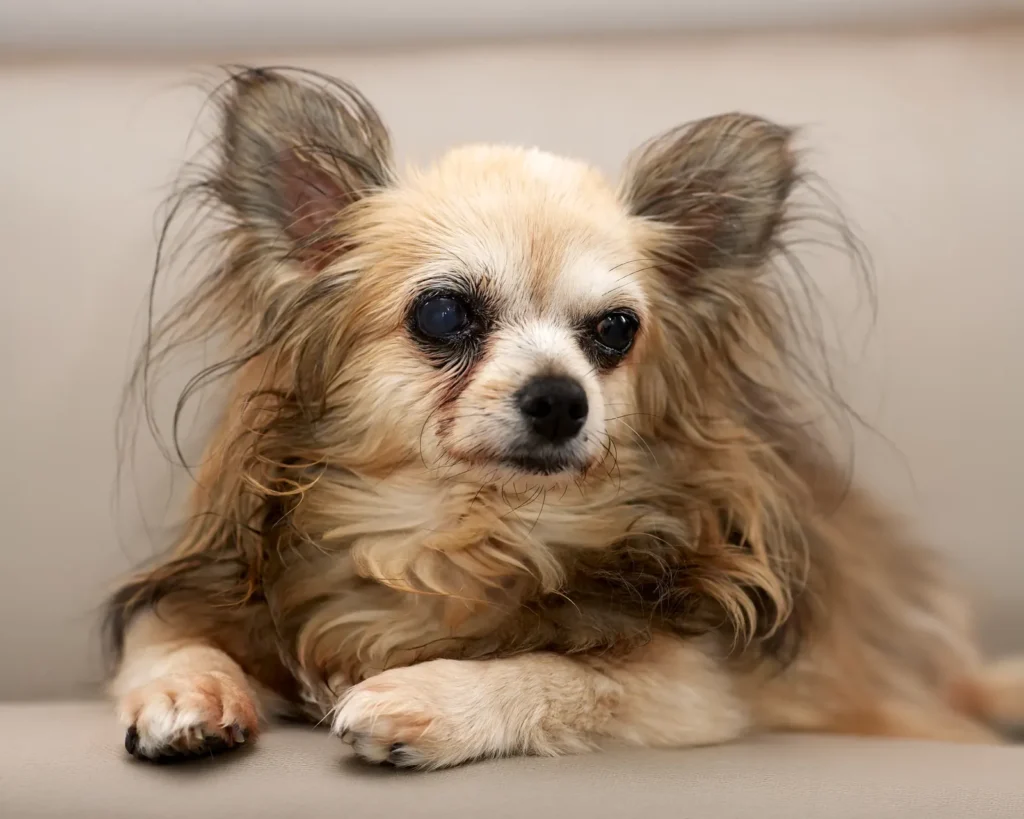
The Chihuahua is the world’s smallest dog breed — and one of its longest-lived. The combination of those two facts is part of what makes the Chihuahua so beloved by people who want a genuinely long-term canine companion in a compact, apartment-friendly package. Weighing only two to six pounds, Chihuahuas are one of the smallest and longest living dog breeds around. They’re known for their long lifespan, with some living up to 20 years. Congestive heart failure is the leading cause of death in older Chihuahuas, so make sure to keep your senior pup up to date on their wellness visits to the vet. Otherwise, they aren’t prone to many serious health issues and are a great choice for those looking for a long-living companion.
Chihuahuas are renowned for their longevity, often living between 14 and 18 years. Behind that enormous personality — the confidence, the loyalty, the theatrical outrage at perceived slights — is a physically robust little animal whose small body puts minimal stress on joints, organs, and metabolic systems, allowing them to run efficiently for an extraordinarily long time. Chihuahuas are also known for intense devotion to their chosen person, which means those potential 20 years are filled with a bond of remarkable depth and exclusivity.
3. Toy Poodle — Smart, Elegant, and Built to Last
The Toy Poodle occupies a unique position among long-lived breeds because their longevity is matched by a level of intelligence and trainability that makes every one of those years genuinely engaging. As the smallest of the three Poodle sizes, Toy Poodles weigh between four and six pounds and can live up to 18 years. They’re a smart breed and are fun to train for obedience and tricks. Like many small dogs, Toy Poodles are at risk for dental disease as they age and require regular teeth brushing and professional dental care.
While Standard Poodles and Miniature Poodles both live relatively long lives, the Toy Poodle outdoes them both with a lifespan of up to 18 years. The Toy Poodle’s hypoallergenic, low-shedding coat makes them particularly practical for people with allergies, and their curly, distinctive appearance has made them one of the most recognizable and beloved small dogs in the world. What truly sets the Toy Poodle apart as a long-term companion is the combination of their extended lifespan and their eager, joyful engagement with learning throughout their lives — they never stop being interested in the world, and that intellectual vitality keeps them young in spirit long after their muzzle has gone gray.
4. Dachshund — The Sausage Dog With Serious Staying Power
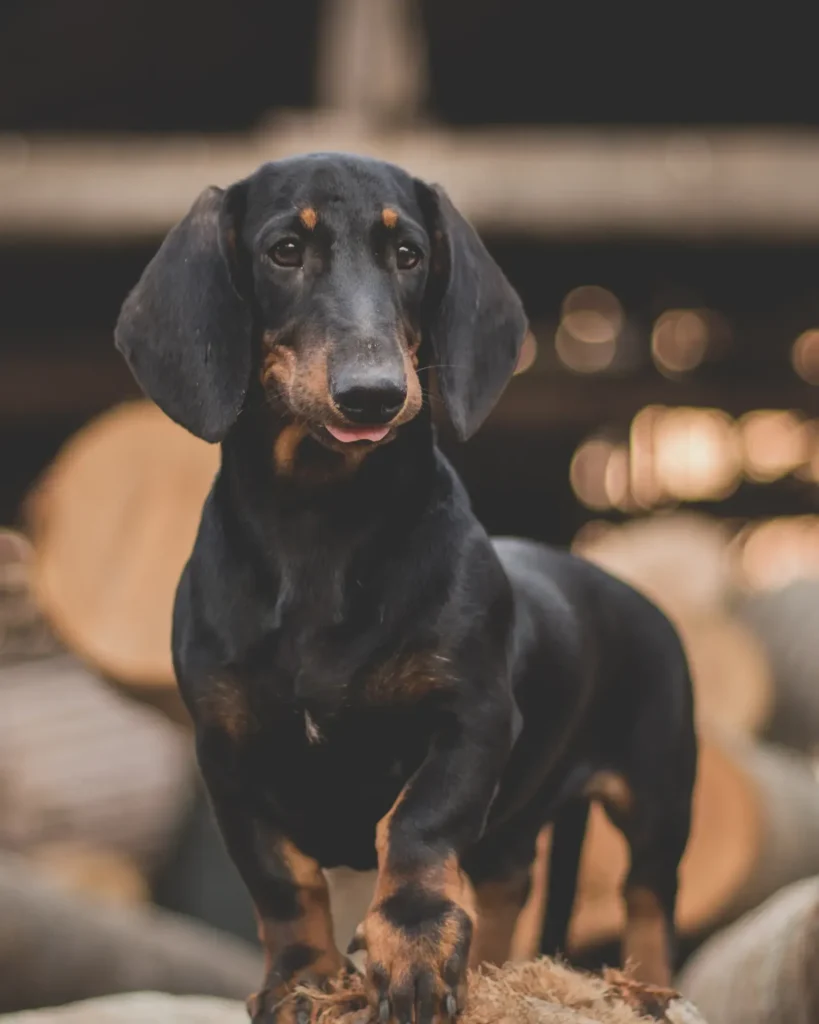
The Dachshund is one of the great icons of the dog world — that instantly recognizable long-bodied, short-legged silhouette that has captured hearts across generations — and they bring an impressive longevity to go with all that personality. Medium breeds like Dachshunds offer a balance of size and lifespan, typically living 12 to 17 years. Well-cared-for Dachshunds regularly reach 15 years or beyond, and their spirited, curious, occasionally stubborn personalities make every one of those years an adventure.
Often called wiener dogs because of their short legs and long back, Dachshunds are spunky little dogs with big personalities. As they age, protecting their neck and back becomes extremely important. Keep your dog at a healthy weight, use a harness instead of a neck collar, and offer ramps and pet stairs so they can avoid jumping — this can help support their long-term mobility. The Dachshund’s elongated spine is their most significant health vulnerability — intervertebral disc disease (IVDD) can be a serious concern — but attentive owners who manage their dog’s weight, avoid high-impact activities, and use appropriate equipment give their Dachshund the best possible foundation for a long, comfortable life.
5. Yorkshire Terrier — Big Personality, Long Life
The Yorkshire Terrier packs the personality of a Great Dane into a body that typically weighs less than seven pounds — and they bring a lifespan to match their legendary spirit. Yorkshire Terriers can live for an average of 11–15 years. Well-cared-for Yorkies regularly exceed this range, and the breed’s general hardiness — despite their delicate appearance — makes them reliable long-term companions.
The Yorkshire Terrier is a dog with a long lifespan and a long coat to match. Their hair needs daily care to stay free of matting and tangles, or you can keep it trimmed short to make brushing easier. The Yorkie’s famous silky coat — that flowing steel-blue and golden-tan cascade that makes show dogs look like they’re wearing a gown — requires significant grooming investment, but in a puppy cut it becomes charmingly manageable. What never changes, regardless of haircut, is that enormous, bossy, affectionate personality that makes Yorkies one of the most characterful small breeds alive. They are, in their own assessment, absolutely enormous — and they live long enough to prove it repeatedly.
6. Shih Tzu — The Ancient Lap Dog That Keeps Going
The Shih Tzu has been a companion dog to royalty and aristocracy for thousands of years, and their extraordinary longevity is part of what made them so prized by those who could have chosen any dog in the world. Shih Tzus, despite being brachycephalic, will most of the time celebrate their 18th birthday with you. That’s a remarkable statement for a flat-faced breed — and it speaks to the general constitutional robustness that good breeding has produced in this ancient line.
Shih Tzu were bred to be companions, so they make excellent lapdogs and are happy to live a pampered lifestyle. However, they still need to keep their paws moving so they stay at a healthy weight and don’t become bored. The Shih Tzu’s brachycephalic anatomy does require some management — avoiding extreme heat, never over-exercising in warm weather, and regular cleaning of facial folds — but with appropriate care, these small dogs carry their ancient lineage gracefully into their teens and beyond. When you live with a Shih Tzu, it’s a long-lasting mutual love affair. That’s not hyperbole — it’s the simple lived experience of the many owners who have shared fifteen or more years with one of these extraordinary little dogs.
7. Jack Russell Terrier — Wiry, Feisty, and Forever Young
The Jack Russell Terrier is one of those breeds that seems to have found the secret to remaining perpetually puppyish — their enthusiasm, energy, and mischievous intelligence barely diminish with age, and their bodies back up that youthful spirit with a genuinely impressive lifespan. An Australian Cattle Dog called Bluey holds the record for the longest-lived dog. The Jack Russell Terrier is among the breeds with the longest average lifespan. Most Jack Russells live comfortably into their mid-teens, with many reaching 16 or even 17 years.
The Jack Russell’s wiry, athletic body — built for a day’s work hunting foxes through difficult terrain — is an efficient, robust physical package that ages well under active conditions. They need significant daily exercise and mental stimulation to stay happy and well-behaved; a bored Jack Russell is a creative and occasionally destructive force of nature. But given the outlet they need, these determined, clever, joyful little terriers are among the most rewarding long-term companions in the dog world — and one of the best proofs that small size and fierce spirit are a combination that ages exceptionally well.
8. Maltese — The Cottony Cloud That Outlives Expectations
The Maltese is one of the oldest toy breeds in existence — depicted in art dating back thousands of years — and their longevity is as enduring as their history. Maltese often live 12 to 15 years, making them ideal for long-term companionship. Many well-cared-for Maltese extend beyond this range, their pure white coats gradually showing their age while their sweet, devoted personalities remain as warm as ever.
The Maltese’s entirely white, non-shedding coat makes them a practical choice for people with allergies who want the experience of long-term canine companionship. Their gentle, affectionate temperament — always oriented toward their person, always ready for a lap or a gentle play session — gives those potential 15-plus years a consistent emotional warmth that makes every day feel like a reunion. The Maltese doesn’t dominate a room with presence the way some breeds do — they quietly occupy the center of your heart instead, and they do it for a very long time.
9. Pomeranian — The Tiny Fluffball With Remarkable Longevity
The Pomeranian brings that famous enormous personality and iconic fluffy appearance to the long-lived breed conversation with characteristic panache. Pomeranians are a good fit for pet parents who want a small dog with a confident, outgoing personality. They enjoy short walks and playtime but don’t require intense exercise. Their grooming routine can be pretty extensive, thanks to all that fluff. Most Pomeranians live between 12 and 16 years, with well-cared-for individuals regularly hitting the higher end of that range.
The Pomeranian’s compact size — typically 3–7 pounds fully grown — is the primary driver of their longevity, paired with a generally robust constitution that makes them resilient companions across a wide range of living situations. Their double coat, while requiring regular grooming commitment, provides excellent temperature regulation across seasons. And that personality — the boldness, the curiosity, the absolute conviction that they are the most important creature in any given room — never really fades with age. A 14-year-old Pomeranian is very much still a Pomeranian.
10. Bichon Frise — The Cheerful Little Dog With a Long Road Ahead
The Bichon Frise is one of those breeds that seems designed by the universe for maximum cheerfulness — a small, white, perpetually fluffy dog whose default emotional setting appears to be delighted. The Bichon Frise can live well into their teens. They are curious, peppy, and social dogs who love to play with their favorite toys, snuggle up on the couch with their family, and learn fun tricks. Although Bichon Frise can live well into their teens, this long-living dog breed is prone to conditions including diabetes mellitus, dental disease, and cataracts.
Bichon Frise can live up to 14–15 years on average. Managing the breed’s known health vulnerabilities — particularly dental disease, which affects most small dogs and can significantly impact longevity if untreated — gives Bichon owners the best possible chance of enjoying those potential 15-plus years. Regular professional dental cleanings, at-home tooth brushing, and annual wellness exams are the straightforward investments that keep this cheerful little cloud companion in peak condition for as long as possible.
11. Shiba Inu — Ancient Breed, Ancient Endurance
The Shiba Inu brings something different to the long-lived breed conversation — a breed of ancient lineage, distinctive fox-like beauty, and famously independent personality that has been refined over centuries in Japan’s mountainous terrain. The Shiba Inu is an ancient breed. They are alert, active, and intelligent. But they are also independent dogs who have strong opinions — and communicate them through their famous “Shiba scream,” a high-pitched noise somewhere between a squeal, whine, and cry. They are a relatively healthy breed, but Shibas can often suffer from skin allergies, ear allergies, and, like many small dogs, dental disease.
Shiba Inu has an average lifespan of 13–16 years. The Shiba’s athletic, well-proportioned body — a compact, efficient frame built for navigating difficult mountain terrain — ages well with regular exercise and appropriate veterinary care. Their personality, which combines fierce independence with deep loyalty to their chosen family, creates a relationship dynamic that is unlike most other breeds — less demonstratively affectionate, more quietly devoted — but no less profound for its restraint. A 15-year-old Shiba Inu still has opinions. They will share them. You will hear about them.
12. Miniature Schnauzer — The Bearded Long-Lifer
The Miniature Schnauzer is one of the most consistently popular small breeds in the world, and their combination of bold personality, distinctive appearance, and impressive longevity gives those popularity rankings a solid foundation. Miniature Schnauzers are the smallest cousins of the Standard Schnauzer and Giant Schnauzer, and they’re the dog that lives the longest of the three. From going on walks around the neighborhood to indoor snuggle time, Miniature Schnauzers make great family pets.
Most Miniature Schnauzers live between 12 and 15 years, with a healthy lifestyle and regular veterinary care pushing many individuals toward the upper end of that range. That distinctive bearded face — the hallmark of the breed — never loses its charm regardless of age, and the Miniature Schnauzer’s alert, curious, people-oriented personality makes them genuinely engaging companions throughout their lives. They require regular professional grooming to maintain their characteristic double-layered coat and distinctive Schnauzer look, which makes them a moderate grooming commitment relative to many other long-lived small breeds.
13. Beagle — The Floppy-Eared Explorer Who Sticks Around
The Beagle brings something relatively rare to this list — a medium-sized dog with a genuinely impressive lifespan. Most medium dogs live 10–12 years on average, but healthy Beagles regularly reach 12–15 years. Medium breeds like Beagles offer a balance of size and lifespan, typically living 12 to 17 years.
The Beagle’s lifespan advantage comes partly from their generally robust constitution — a working breed physique maintained by generations of health-focused breeding for hunting and tracking work — and partly from their moderate size that doesn’t carry the accelerated aging risks of very large breeds. Those spectacular floppy ears, the tricolor coat, the soulful brown eyes, and that perpetual nose-to-the-ground curiosity make Beagles one of the most endearing medium breeds alive. And 12–15 years of that face looking up at you with complete, unreserved enthusiasm is a gift that most Beagle owners find themselves profoundly grateful for.
14. Australian Cattle Dog — The Longest-Living Medium Breed
This is the entry that surprises most people — because the Australian Cattle Dog is a medium-sized working breed, not a toy or small dog, and yet their longevity is truly extraordinary by any standard. While small dogs tend to live the longest, the Australian Cattle Dog is a medium-sized breed who can live well into their teenage years. The oldest dog on record is an Australian Cattle Dog named Bluey, who lived 29 years and 5 months.
Medium breeds like the Australian Cattle Dog can live up to 18 years. The Australian Cattle Dog’s exceptional longevity is likely a product of their hybrid origin — a cross between British herding dogs and wild Australian Dingoes that produced remarkable hybrid vigor — combined with generations of selection for functional working fitness that screens out frailty. These are intense, athletic, highly intelligent dogs that need experienced owners, substantial daily exercise, and significant mental stimulation to thrive. But for the right owner, the payoff is a medium-sized working dog companion who might genuinely share 15 to 18 years of your life.
15. Papillon — The Butterfly-Eared Breed Built for the Long Run
The Papillon is one of the most visually distinctive dogs on this list — those enormous, butterfly-shaped ears that give the breed its name (papillon is French for butterfly) create an appearance of almost theatrical elegance on a very small body. Small dog breeds tend to have the longest average lifespans. When provided with proper care, breeds like the Papillon are often cited among the longest-living dog breeds. Most Papillons live between 14 and 16 years, with many reaching beyond that range.
What makes the Papillon particularly special as a long-term companion is that their tiny body houses one of the most surprisingly athletic and mentally engaged personalities in the small dog world. They consistently rank among the most trainable small breeds, excel at agility despite their diminutive size, and maintain a lively curiosity and enthusiasm for activity well into old age. A Papillon at 12 or 13 is still often a Papillon at full physical and mental engagement — and that vitality across their long lifespan makes them genuinely exceptional companions for active owners who want small size without sacrificing energy or intelligence.
16. Chinese Crested — Unusual Looking, Unusually Long-Lived
The Chinese Crested is one of the most visually unusual dogs in the world — the hairless variety features skin instead of fur over most of their body, with tufts of flowing hair on the head, paws, and tail, creating an appearance that is variously described as exotic, alien, or surprisingly endearing depending on who you ask. Some of the longest-living dog breeds include Chinese Cresteds. When provided with proper care, breeds like the Chinese Crested are often cited among the longest-living dog breeds.
Chinese Cresteds typically live 13–18 years, and their hairless variety requires specific care adjustments that, when made consistently, help maintain their health across that long lifespan. Sunscreen for outdoor exposure, moisturizer for the skin, and protection from cold temperatures are the main additions to standard dog care. The powderpuff variety — fully coated — requires regular grooming but doesn’t need the skin care management. Both varieties share the same fundamentally affectionate, alert, and devoted personality that makes them loyal long-term companions.
17. Rat Terrier — America’s Surprisingly Long-Lived Farm Dog
The Rat Terrier doesn’t get the recognition it deserves in most longevity conversations — but its lifespan credentials are impressive. Legend has it that Teddy Roosevelt coined the breed name, as these dogs helped combat a rat infestation in the White House. Yet “rat” hardly seems appropriate for a dog with such an adorable and friendly face. Still, it is a spirited and stubborn canine. “A true terrier breed, these opinionated pups need to know why they should listen before they actually respond,” says Demling-Riley. “Consistent boundaries, obedience training and positive reinforcement ensure they reach their full potential.” And since they’re one of the longest-living dog breeds, you have plenty of time to enjoy them.
Most Rat Terriers live 15–18 years — a lifespan that competes with the most long-lived toy breeds despite the Rat Terrier being a somewhat larger, more physically robust working dog. Their hybrid origin and history of working-dog selection has produced excellent genetic diversity and constitutional hardiness. The Rat Terrier’s compact, athletic body, terrier intelligence, and devoted family orientation make them outstanding family companions — and the possibility of nearly two decades with one is an extraordinarily compelling proposition.
18. Lhasa Apso — The Tibetan Monastery Dog With Ancient Longevity
The Lhasa Apso comes from the high-altitude monasteries of Tibet, where they served as indoor sentinel dogs for Buddhist monks — a role that gave them centuries of careful, intentional breeding for both temperament and physical durability. Shih Tzus and Lhasa Apsos are among the longer-living small breeds, and both trace their heritage to Tibet. Most Lhasa Apsos live 12–15 years, with many exceeding that range considerably.
The Lhasa Apso’s personality — proud, independent, and deeply loyal to their family while remaining reserved with strangers — reflects their heritage as watchdogs for sacred spaces. They are not the eager-to-please type; they decide when and how they wish to engage, which gives them a dignified charm that their owners find utterly irresistible. That long, floor-length coat requires significant grooming commitment, but many owners keep them in a practical “puppy cut” that maintains their adorable appearance without the full maintenance burden of show-length hair.
19. Lancashire Heeler — The Underdog Champion of Canine Longevity
The Lancashire Heeler is one of the most obscure breeds on this list — small enough to be unfamiliar to many dog lovers — but their longevity credentials are exceptional. The Lancashire Heeler has one of the longest life expectancies among small breeds, averaging around 15 years. This compact, black-and-tan herding and hunting dog from England combines working dog robustness with small-breed longevity in a package that deserves far more recognition than it currently receives.
The Lancashire Heeler’s sturdy, well-proportioned body and history of working-dog selection has produced a breed of genuine constitutional resilience. Alert, intelligent, and deeply loyal to their family, Lancashire Heelers are active little dogs who need regular exercise and mental engagement to stay happy — they are herding dogs in miniature, with all the drive and intensity that implies. For the right owner, they are extraordinary companions, and the prospect of 15-plus years with one makes them a seriously undervalued option for people who prioritize longevity in their breed selection.
20. Mixed Breed Dogs — The Longevity Wild Card
No longevity list is complete without acknowledging the remarkable evidence for mixed breed dogs as some of the longest-lived dogs of all. Dogs that live the longest also tend to be mixed breeds, due to their diverse genetic makeup. This means they’re less likely to inherit genetic disorders. In comparison, purebred dogs have a much smaller gene pool to choose from, making them more prone to genetic disorders. A 2019 study found that lifespan was significantly longer for mixed breeds when it came to large-sized dogs.
The phenomenon known as hybrid vigor — the tendency of genetically diverse individuals to be healthier and longer-lived than highly inbred lines — applies powerfully to mixed breed dogs. A small or medium mixed breed from a shelter, with an unknowable but diverse genetic heritage, often carries the longevity benefits of multiple long-lived breeds without the concentrated health vulnerabilities of any single purebred line. While you can’t change the cards your dog was dealt, “bad genes” don’t necessarily mean a grim future. Overall wellness should be the focus. If your heart is open to it, that scruffy little mixed breed at the shelter might be the longest-lived, healthiest companion you ever share your life with.
Longest Living Dog Breeds: At a Glance
| Breed | Average Lifespan | Size |
|---|---|---|
| Coton de Tulear | 15–19 years | Small |
| Chihuahua | 14–20 years | Tiny |
| Toy Poodle | 14–18 years | Tiny |
| Dachshund | 12–17 years | Small |
| Yorkshire Terrier | 11–15 years | Tiny |
| Shih Tzu | 10–18 years | Small |
| Jack Russell Terrier | 13–16 years | Small |
| Maltese | 12–15 years | Tiny |
| Pomeranian | 12–16 years | Tiny |
| Bichon Frise | 14–15 years | Small |
| Shiba Inu | 13–16 years | Small/Medium |
| Miniature Schnauzer | 12–15 years | Small |
| Beagle | 12–15 years | Medium |
| Australian Cattle Dog | 12–18 years | Medium |
| Papillon | 14–16 years | Tiny/Small |
| Chinese Crested | 13–18 years | Small |
| Rat Terrier | 15–18 years | Small |
| Lhasa Apso | 12–15 years | Small |
| Lancashire Heeler | 13–15 years | Small |
| Mixed Breeds | Varies — often 14–20 years | Any |
The World’s Oldest Dogs Ever Recorded
No conversation about canine longevity is complete without acknowledging the extraordinary individuals who blew past every expectation and set records that still inspire wonder today. The oldest dog on record is an Australian Cattle Dog named Bluey, who lived 29 years and 5 months. Bluey was born in 1910 in Victoria, Australia, and worked cattle for nearly 20 years before retiring — a lifespan that remains almost incomprehensible by any standard.
Bobi is a Rafeiro do Alentejo, a medium-sized, purebred livestock guardian breed native to Portugal. Prior to Bobi, an Australian Cattle Dog named Bluey was confirmed to have lived to 29 years old in the early 1900s. Despite all odds, both of the longest living dogs reached well beyond the average dog’s lifespan. What’s particularly remarkable about both record holders — a working cattle dog and a livestock guardian — is that they were not pampered toy breeds but functional working dogs, suggesting that purpose, activity, and genuine engagement with life may be among the most powerful contributors to extraordinary longevity.

How to Help Your Dog Live Longer: Vet-Approved Tips
The breed you choose sets the ceiling, but your daily care determines how high your dog actually goes. The five most impactful things you can do for your dog’s longevity are straightforward, accessible, and genuinely life-extending.
Nutrition is the foundation of everything. Feed a high-quality, appropriately portioned diet throughout your dog’s life. Obesity is one of the most significant reducers of canine lifespan — it stresses every organ system, accelerates joint degeneration, and increases the risk of diabetes, heart disease, and cancer. Keeping your dog lean is one of the single most impactful things you can do for their longevity.
Regular veterinary care catches problems when they’re small and treatable rather than large and advanced. Annual wellness exams for young adults, biannual exams for seniors, and prompt attention to any change in behavior or physical condition are the habits that turn potential health crises into manageable medical situations. Regular veterinary check-ups enable early detection of health issues, allowing for timely intervention and management, which can contribute to a longer, healthier life for your dog.
Dental hygiene is the most consistently underestimated longevity factor. Periodontal disease in dogs doesn’t stay in the mouth — the bacteria from infected gums enter the bloodstream and damage the heart, kidneys, and liver over time. Regular professional dental cleanings and at-home brushing protect not just your dog’s teeth but their vital organs. Exercise and mental stimulation keep the body physically capable and the mind engaged — both of which are strongly associated with longevity in dogs as they are in humans. And finally, love and security — the scientific evidence for the health benefits of a secure, stable, affectionate home environment for dogs is substantial and growing. Stress kills. Safety and belonging extend life.
Conclusion
Choosing a long-lived dog breed is one of the most meaningful decisions you can make as a dog lover — because it’s really a decision about how much time you want, and how much time is realistic to hope for. The breeds on this list offer that hope in abundance: 15, 17, even 20 years of companionship with an animal who will give you everything they have for every single one of those days.
As with humans, certain aspects of aging are out of our control. Factors such as illness, unforeseen accidents, and a genetic predisposition to certain diseases all impact how long a dog lives. While you can’t change the cards your dog was dealt, overall wellness should be the focus. The breed you choose is the starting point — your daily love, attention, and care is what writes the rest of the story. Whatever breed from this list finds its way into your home, give them the best possible foundation: quality food, regular vet visits, dental care, exercise, mental stimulation, and the kind of unconditional love they’ll give back to you every single day for as many years as life allows. It is, without question, the best investment you will ever make. Our senior dog care guide covers how to support them through every stage of aging.
Frequently Asked Questions
1. What is the absolute longest living dog breed? The Coton de Tulear holds the distinction of having the longest average breed lifespan, with the American Kennel Club citing upwards of 19 years. Individual Chihuahuas and Toy Poodles have been reliably documented living to 20 years, making these three breeds the consistent leaders in verified canine longevity among recognized breeds.
2. Can a large dog live as long as a small dog? In general, large and giant breeds live significantly shorter lives than small breeds — Great Danes and English Mastiffs average 7–10 years, while small breeds average 12–18 years. The Australian Cattle Dog is a notable exception, with documented lifespans of up to 18 years for a medium-sized working dog, and the world record holder Bluey was an Australian Cattle Dog who lived 29 years.
3. What is the single most important thing I can do to extend my dog’s life? Maintaining a healthy weight throughout your dog’s life is arguably the single most impactful thing you can do. Obesity in dogs is strongly associated with reduced lifespan through its effects on joint health, cardiovascular function, metabolism, and cancer risk. A lean dog on a high-quality diet, with regular exercise and consistent veterinary care, is a dog whose longevity odds are dramatically better than those of an overweight dog on a poor-quality diet.
4. Do mixed breed dogs really live longer than purebreds? Research consistently shows that mixed breed dogs tend to live longer than purebreds, particularly in medium and large size categories. The genetic diversity of mixed breeds reduces the risk of inheriting the concentrated genetic diseases that affect specific purebred lines. A mixed breed small or medium dog is statistically one of the best longevity bets in the entire dog world.
5. At what age is a dog considered “old,” and what changes should I make to their care? This varies significantly by size. Small breeds are generally considered seniors around 10–12 years, medium breeds around 8–10 years, and large breeds around 6–8 years. When your dog enters their senior years, biannual vet visits (rather than annual), a senior-appropriate diet, joint supplementation if needed, dental care, and appropriate modifications to exercise intensity are the key adjustments that help maintain quality of life through the final chapter of your dog’s life.


1 Comment