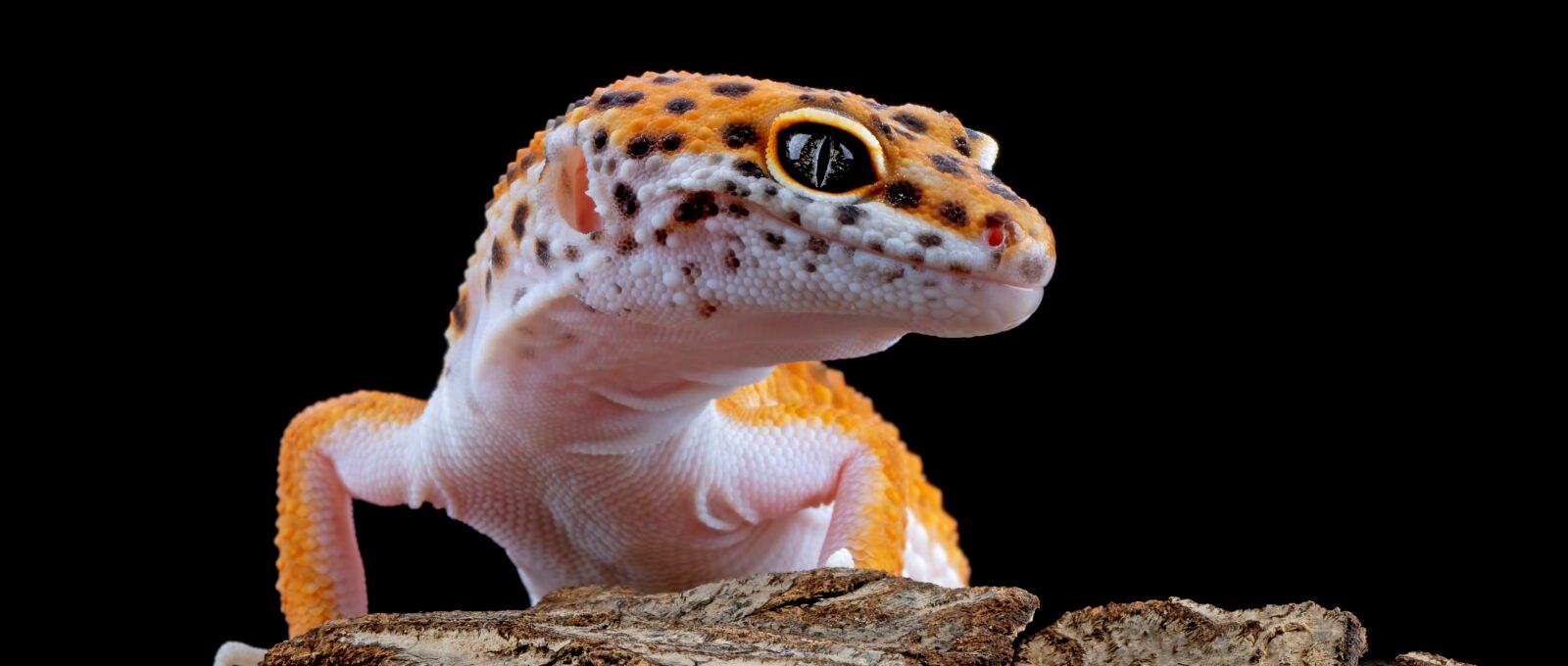

Understanding the Gecko: A Brief Introduction
Before diving into what geckos eat, let’s take a moment to appreciate just how remarkable these little creatures are. Geckos belong to the infraorder Gekkota and are found on every continent except Antarctica, thriving in warm, tropical, and subtropical environments worldwide. There are over 1,500 known gecko species, ranging from the tiny dwarf gecko measuring barely an inch to the impressive Tokay gecko stretching over a foot long. Their diversity is staggering — and so is their diet. Think of geckos as the ultimate opportunistic diners of the reptile world, adapting their eating habits to whatever their habitat has to offer.
What makes understanding gecko nutrition so fascinating — and so important — is that not all geckos eat the same things. Different gecko species have different nutritional requirements. For example, you should not feed fruit to a leopard gecko, which is carnivorous, whereas you should feed fruit to a day gecko. This means that if you own a gecko or are considering getting one, you can’t simply toss in a handful of any bug and call it a day. Getting the diet right is one of the single most important things you can do for your gecko’s long-term health and happiness. So let’s break it all down, step by step.
What Do Geckos Eat in the Wild?
Picture this: it’s dusk in a warm tropical forest, the air thick with humidity, and a leopard gecko is perched on a sun-warmed rock, scanning the ground with those incredible lidded eyes. Unlike many reptile species, geckos are remarkably active hunters, relying on speed, stealth, and a surprisingly sophisticated set of senses to locate and capture their prey. Their diet in the wild is the foundation for understanding exactly what you should be feeding them in captivity, and it’s far more varied and interesting than most people expect.
Wild Insect Prey
In the wild, these reptiles will eat nearly any insect they can find, and their diet will primarily depend on what insects exist in the same part of the world as their natural environment. Some of their favorite foods are crickets, spiders, moths, all types of worms, and grasshoppers. But it doesn’t stop there. Common insects that geckos eat include flies, mosquitoes, beetles, crickets, cockroaches, grasshoppers, and termites. In addition, geckos will also eat other invertebrates, including worms, snails, caterpillars, moths, and spiders. This incredible variety ensures that wild geckos receive a broad spectrum of nutrients — proteins, fats, and trace minerals — without any single food source dominating the menu. It’s essentially nature’s own version of a balanced diet, assembled one crunchy insect at a time.
Geckos are skilled hunters. They mainly eat insects like crickets and mealworms. They rely on their keen eyesight to spot their prey. When a gecko sees a moving insect, it will exercise patience until it’s close enough to strike. Most geckos use their sticky tongues to grab and hold onto their prey. This predatory behavior is deeply instinctive and explains why live prey is always preferred over dead or freeze-dried alternatives — the movement triggers that ancient hunting response, giving your gecko both a meal and meaningful mental stimulation.
Fruits, Nectar, and Plant Matter in the Wild
Not every gecko species is a strict meat-eater. Some of the most popular species in the pet trade — like crested geckos and day geckos — have evolved to take advantage of the incredible abundance of tropical fruits and flower nectar in their native habitats. Other geckos eat a more omnivorous diet, which includes fruits and berries. These geckos consume locally available fruits, including grapes, apples, apricots, pears, mangos, and more. Day geckos, particularly the stunning Phelsuma species native to Madagascar, are frequently observed lapping nectar from flowers and eating soft, ripe fruit directly off the vine. Some species, like crested geckos, eat nectar and seeds and can tolerate common vegetable matter, while day geckos also consume pollen. These omnivorous tendencies are not a dietary quirk — they’re a survival strategy refined over millions of years.
Do Wild Geckos Eat Small Animals?
Here’s where things get really interesting, and a little surprising for newcomers. Larger gecko species are fully capable of taking down prey that goes well beyond the insect world. They may even eat small rodents if insects are scarce. In the wild, geckos have a varied diet that can include insects, small reptiles, and fruit. The rule of thumb in nature is simple and ruthless: if it fits in the gecko’s mouth and moves, it’s fair game. This opportunistic approach to feeding is one of the reasons geckos have thrived in so many diverse ecosystems around the world, from rainforests to desert scrublands to urban environments.
What Do Geckos Eat in Captivity?
Replicating a gecko’s wild diet in captivity is both an art and a science. You’re essentially trying to recreate the nutritional variety of an entire ecosystem inside a glass terrarium, using commercially available insects and supplements. The good news is that modern reptile keeping has come a long way, and there are now excellent options available for gecko owners that make it easier than ever to provide a complete, balanced diet. The key is variety, preparation, and consistency — three pillars of good gecko nutrition that we’ll explore in detail.
Crickets: The Gold Standard of Gecko Food
If there’s one food that sits at the very heart of captive gecko nutrition, it’s the humble cricket. Live insects form the bulk of most geckos’ diets. Common options include crickets, mealworms, dubia roaches, and superworms. These insects are rich in protein, fiber, and fats, making them an excellent food source for geckos. Crickets in particular are widely celebrated as the best all-around staple feeder insect because they’re nutritionally well-rounded, easily gut-loaded, and widely available at virtually every pet store. Adult geckos should be fed 5–10 crickets every other day, while baby geckos can require as many as 20 small crickets per day. The size of the cricket matters enormously here — a cricket that’s too large can cause choking or digestive blockage, so always select insects that are appropriately sized for your specific gecko.
One critical piece of advice that every gecko owner needs to hear: don’t leave uneaten crickets loose in the enclosure overnight. Insects can bite geckos, especially while the gecko sleeps, and cause health issues. It is best only to feed what a gecko can eat within 15 minutes, which is usually four to six food items. Think of it this way — your gecko is essentially having dinner, and you wouldn’t want your dinner suddenly turning around and biting you. Remove any uneaten insects promptly after feeding sessions to protect your gecko from harm.
Mealworms and Superworms
Mealworms are another staple of the captive gecko diet, beloved by keepers for their long shelf life and easy availability. They’re the larvae of the darkling beetle, and they pack a solid punch of protein and fat that makes them a great secondary food source. However, mealworms have a harder outer shell (called chitin) that some geckos — particularly younger or smaller ones — may struggle to digest efficiently. Mealworms are great for adding variety but should be fed in moderation. Superworms are essentially the bigger, beefier cousin of the mealworm, offering more bulk and protein for larger gecko species that need a more substantial meal. Both can be stored easily and have a slow movement pattern that some geckos — particularly those that prefer a more relaxed hunt — seem to enjoy. Think of mealworms as the side dish to crickets’ main course: valuable, tasty, but not something you’d want to eat at every single meal.
Dubia Roaches: The Nutritional Powerhouse
If you’re serious about gecko nutrition and don’t mind keeping a small colony of cockroaches (it sounds worse than it is, we promise), Dubia roaches are arguably the best feeder insect available for captive geckos. Dubia roaches are a nutritious and clean alternative to crickets. Compared to crickets, Dubia roaches have a higher protein content, a better calcium-to-phosphorus ratio, a lower fat content, and they’re quieter, less smelly, and don’t jump. They’re also harder for geckos to ignore, as their slow, deliberate movement triggers the hunting instinct beautifully. The backbone of any carnivorous pet gecko’s diet will include crickets and Dubia roaches. In addition to being cheap and readily available, these insects also pack a lot of nutrition. Many experienced reptile keepers rotate between crickets and Dubia roaches to ensure nutritional variety while keeping their geckos engaged and stimulated.
Waxworms: The Occasional Treat
Waxworms are to geckos what candy is to children — absolutely irresistible, loaded with energy, and definitely not something you want them eating every day. Geckos can occasionally be fed waxworms as treats, which can be nutritionally beneficial due to their high fat content. The problem is that waxworms are so high in fat and so palatable that geckos can quickly develop a preference for them and start refusing other, more nutritionally balanced foods. Avoid feeding waxworms to your insectivorous gecko as a sole food item, as it could become sick and fatigued, which could eventually lead to more complications. Use waxworms strategically — as an occasional reward, a tool for encouraging a reluctant feeder, or as extra calories for a gecko that needs to gain weight. Keep them firmly in the “treat” category, and you’ll be fine.
Diet Differences by Species
One of the most common mistakes new gecko owners make is assuming that all geckos eat the same thing. The reality is that gecko species vary enormously in their dietary needs, and feeding the wrong diet to the wrong species can lead to serious health consequences. Here’s a breakdown of the three most popular gecko species kept as pets and what each one needs to thrive.
Leopard Gecko Diet
Leopard geckos are strict insectivores — full stop. Don’t let anyone tell you otherwise. An appropriate diet may consist of commercially raised crickets with smaller numbers of silkworms, Dubia roaches, mealworms, superworms, waxworms, and other live insects. Juveniles should be fed every 1–2 days, and adults 2–3 times per week. Leopard geckos should never be fed fruit, vegetables, or any plant-based material, as their digestive systems simply aren’t equipped to process it. Insects should be lightly dusted with a phosphorus-free calcium powder before they are fed to the gecko. Larger adult leopard geckos can occasionally benefit from a pinky mouse, which provides a concentrated burst of protein and calcium, though this should be an infrequent addition rather than a dietary staple.
Crested Gecko Diet
Crested geckos are a completely different story — they’re omnivores with a strong preference for fruit, and they’re one of the few gecko species that can thrive on a commercially produced powdered diet. One of the simplest and most convenient ways to feed your crested gecko is with a commercially available crested gecko diet (CGD). These specially formulated foods come in powder form, which you mix with water to create a creamy texture. The best part about CGD is that it’s designed to meet all of your gecko’s nutritional needs, including vitamins, minerals, and protein. Alongside their CGD, crested geckos enjoy a variety of fresh fruits like papaya, mango, and blueberries, as well as occasional insects for protein. Not all foods are safe for crested geckos — citrus fruits and avocado should be avoided, as should insects caught in the wild, which may carry pesticides or parasites.
Day Gecko Diet
Day geckos — particularly the spectacular giant day gecko (Phelsuma grandis) — occupy a fascinating middle ground between strict insectivore and frugivore. These brightly colored, diurnal lizards eat a combination of insects, soft fruits, flower nectar, and even pollen in the wild. In captivity, they do well on a diet of live insects supplemented with fruit purees or commercially available powdered fruit-based diets. Some types of geckos enjoy eating fruit in addition to insects. The most common frugivorous varieties include crested, gargoyle, chahoua, day, and mourning geckos. Day geckos are also uniquely dependent on UVB lighting to properly metabolize calcium from their food, making proper lighting setup as important as the diet itself.
The Art of Gut-Loading: Why It Matters
Here’s a concept that separates average gecko keepers from truly excellent ones: gut-loading. If you’ve never heard the term before, gut-loading refers to the practice of feeding your feeder insects a highly nutritious diet before offering them to your gecko, so that the nutrients pass directly to your reptile. Think of it as a nutritional relay race — the insect eats well, and then your gecko eats the insect and absorbs all those good nutrients. It’s an elegant solution to one of the core challenges of captive reptile nutrition.
Gut loading is the process of feeding the insects a high-quality meal of fruits and vegetables for at least 24 hours before feeding them to your pet. This process allows your pet to get most of the vitamins and minerals consumed by the insects. You can gut-load insects with a variety of fresh produce, including leafy greens, carrots, sweet potatoes, broccoli, and collard greens. Commercial cricket diets are available, but fresh greens can also be fed to crickets and mealworms — such as turnip greens, collard greens, parsley, carrot tops/slices, broccoli, and cauliflower — to improve their nutritional value when they are fed to your gecko. Commercial gut-load products are also widely available and take much of the guesswork out of the process. If you’re buying feeder insects from a pet store and feeding them directly to your gecko without gut-loading first, you’re essentially feeding your gecko empty calories.
Calcium and Vitamin Supplements for Geckos
No matter how well you gut-load your insects, captive geckos almost universally need additional supplementation to stay healthy. The most critical supplement is calcium — specifically, calcium paired with Vitamin D3, which is required for proper calcium absorption. Without adequate calcium, geckos develop a devastating condition called Metabolic Bone Disease, which causes softening and deformity of the bones and can be fatal if left untreated.
Preventing Metabolic Bone Disease
Your gecko will also need to take a calcium supplement to help prevent metabolic bone disease (MBD), a serious condition that occurs when your captive reptile doesn’t get enough calcium. The standard practice among experienced keepers is to dust feeder insects lightly with calcium powder just before each feeding — a process often described as “dusting.” Dusting your insects with calcium powder enhances your gecko’s diet with important vitamins and minerals. Beyond calcium, a broad-spectrum reptile multivitamin should be used every one to two weeks to cover any nutritional gaps. Products like Repashy Calcium Plus have become widely popular because they combine calcium, D3, and multivitamins in a single convenient formula, reducing the number of supplements owners need to manage. Think of the supplement regimen like taking your daily vitamins — it’s a small habit with enormous long-term health benefits.
Foods Geckos Should Never Eat
Just as important as knowing what geckos should eat is knowing what they should never, ever be fed. Some foods are simply dangerous or toxic to geckos, and even well-meaning owners can accidentally cause harm by offering inappropriate items.
Some insects, such as fireflies, can harm your gecko and should never be offered as food. Fireflies (lightning bugs) contain a toxic compound called lucibufagins that is lethal to geckos even in small amounts. Wild-caught insects in general should be avoided, as they may carry pesticides, parasites, or other contaminants that could make your gecko seriously ill. Dairy products should never be fed to geckos, as they are lactose intolerant, and processed or sugary human foods are not suitable and can harm your gecko’s health. For frugivorous species, citrus fruits like oranges, lemons, and limes should be avoided due to their high acidity, which can disrupt the digestive system. Avocado is another major red flag — it contains persin, a compound that is toxic to many animals, including reptiles. The rule of thumb is simple: if it didn’t exist in your gecko’s natural wild environment, think twice before offering it.
How Often Should You Feed Your Gecko?
Feeding frequency is one of those topics where gecko owners often have strong opinions, and honestly, the right answer depends significantly on your gecko’s age, species, and individual metabolism. One thing is universal, though: overfeeding is just as dangerous as underfeeding, and obesity is a real health concern in captive geckos — particularly those that are housed in small enclosures without adequate opportunity for exercise.
Juvenile geckos should be fed daily. Adult geckos should be fed 3–4 times per week. For leopard geckos specifically, VCA Animal Hospitals — one of the most trusted authorities in veterinary care — recommends that juveniles be fed every 1–2 days and adults 2–3 times per week. Juvenile geckos generally eat more frequently — sometimes two to three times a day, while adult geckos only need to eat every day or every other day. Always observe your gecko’s body condition as the ultimate guide. A healthy adult gecko should have a well-rounded tail (geckos store fat in their tails) but no visible ribs or prominent hip bones. If your gecko looks thin, increase feeding frequency; if the tail looks overly swollen, consider cutting back.
Hydration: Water Needs of Geckos
Water might not be the first thing that comes to mind when you think about gecko nutrition, but hydration is essential to your gecko’s health and proper digestion. Dehydration in geckos can cause a cascade of health problems, including difficulty shedding, organ stress, and impaired immune function. Getting hydration right is simpler than you might think, but it does require consistent daily attention.
Clean, fresh water should be provided in a shallow container and changed daily. The container should be shallow enough that your gecko can access the water easily without any risk of drowning — a bottle cap or very shallow dish works perfectly for smaller species. Beyond the water dish, many gecko species — particularly crested geckos — prefer to drink water droplets from the surfaces of leaves and tank walls. Some species, like crested geckos, may prefer to lick water droplets from the leaves or tank walls, so light misting can also be beneficial. Fresh water should always be available to geckos, especially after feeding. Lightly misting the enclosure once or twice daily not only helps meet hydration needs but also maintains appropriate humidity levels, which is critical for healthy skin and successful shedding.
Quick Comparison: Diet by Gecko Species
| Species | Primary Diet | Fruits? | Supplements Needed | Feeding Frequency (Adult) |
|---|---|---|---|---|
| Leopard Gecko | Insects (crickets, mealworms, Dubia roaches) | No | Calcium + D3, Multivitamin | Every other day |
| Crested Gecko | CGD powder + soft fruits + insects | Yes | Calcium + D3 | Daily (CGD) / 2–3x per week (insects) |
| Day Gecko | Insects + fruit puree + nectar | Yes | Calcium + D3 | Daily |
| African Fat-Tailed Gecko | Insects (crickets, mealworms) | No | Calcium + D3 | Every other day |
| Tokay Gecko | Insects + occasional pinky mice | Rarely | Calcium + D3 | Every other day |
| Gargoyle Gecko | CGD powder + soft fruits + insects | Yes | Calcium + D3 | Daily (CGD) / 2–3x per week (insects) |
Conclusion
Understanding what geckos eat is one of the most rewarding investments you can make as a gecko owner. When you get the diet right — the right insects, the right supplements, the right feeding schedule, and the right hydration — you’re giving your gecko the foundation for a long, healthy, and genuinely happy life. These remarkable animals deserve nothing less than our best effort to replicate the richness of their wild diet in the controlled environment of captivity. From gut-loading your crickets to dusting them with calcium, every small habit adds up to a dramatically healthier gecko.
The key takeaways are clear: most geckos are insectivores at heart, some species enjoy fruit and plant matter, all captive geckos need calcium supplementation, gut-loading is non-negotiable, and live insects are almost always superior to dried or processed alternatives. Know your species, feed consistently, and always consult a reptile-savvy veterinarian when you’re unsure. Your gecko’s bright eyes, active behavior, and healthy, plump tail will be all the thanks you need.
Frequently Asked Questions (FAQs)
1. Can geckos eat vegetables? Most insectivorous geckos, like leopard geckos, cannot and should not eat vegetables, as their digestive systems aren’t designed to process plant matter. However, some omnivorous species like crested geckos can tolerate small amounts of leafy greens like collard greens and mustard greens as part of a varied diet. Always research your specific species before introducing any new food item.
2. How long can a gecko go without eating? A healthy adult gecko can typically go 1–2 weeks without eating, as they store fat reserves in their tails. However, this should never be considered normal — prolonged refusal to eat can indicate stress, illness, environmental problems like incorrect temperature, or the onset of breeding behavior. If your gecko hasn’t eaten for more than two weeks, consult a veterinarian.
3. Can I feed my gecko fruit from my kitchen? For frugivorous species like crested or day geckos, yes — but with important caveats. Fruit should always be pesticide-free, cut into appropriately small pieces or pureed, and should never include citrus fruits or avocado. Offer fruit as a supplement to a complete diet, not as a primary food source. Insects and commercial gecko diets should still make up the bulk of the menu.
4. Why is my gecko not eating? Geckos can stop eating for a variety of reasons, including temperatures that are too low, stress from a new environment, the presence of a new animal or person, upcoming shedding, or breeding season. Check that your enclosure temperature and humidity are within the correct range for your species. If environmental factors seem fine and the fasting continues for more than two weeks, consult a reptile vet.
5. Is it okay to feed my gecko dead insects? While geckos can occasionally accept freshly killed insects, live prey is strongly preferred and far more beneficial. Live insects trigger your gecko’s natural hunting instinct, providing essential mental stimulation and physical activity. Dead or freeze-dried insects lack the moisture and some of the nutritional content of live prey, and many geckos will simply refuse to eat them. Stick with live feeders for the healthiest, most enriched feeding experience.




Leave a Comment