

Here is one of the most valuable pieces of information any dog owner can internalize: the vast majority of the health problems that shorten dog lives, reduce dog quality of life, and generate eye-watering veterinary bills are either entirely preventable or dramatically improvable with early intervention. Not some of them. Most of them. Dental disease, obesity, parasite-related illness, vaccine-preventable infections, joint degeneration, certain cancers — all of these respond to the kind of consistent, attentive, proactive care that costs far less in money, stress, and heartbreak than treating an advanced disease ever will.
Preventative care isn’t just about avoiding sickness — it’s about optimizing your pet’s overall health, happiness, and quality of life. By taking proactive steps, you can catch potential issues early, prevent serious health problems, and spend more precious years with your cherished companion. That’s the promise of preventive dog care, and it’s one that the veterinary community backs with decades of evidence and genuine conviction. Staying vigilant and proactive about your dog’s health may even reduce the total number of veterinary visits your dog needs over the entire course of life.
This guide covers 15 vet-approved, evidence-based tips to prevent your dog from developing health problems — built on the most current veterinary guidance and organized to give you a complete, practical picture of what proactive dog health care actually looks like in daily life. This isn’t a list of abstract principles. These are real, actionable habits that compound powerfully over your dog’s lifetime, and every one of them is within reach of any committed dog owner.
Why Prevention Is the Most Powerful Tool in Your Dog Care Arsenal
Before we get into the specific tips, let’s be clear about why prevention isn’t just a nice idea — it’s the single most impactful thing you can do for your dog’s health outcomes. Preventive care is crucial because it helps reduce the likelihood of some chronic illnesses developing and it provides the opportunity to avoid some forms of infectious disease. It’s not always easy to tell when your pup isn’t feeling well or in pain, but catching any illnesses early usually makes the situation easier to treat.
Since dogs age faster than humans, an annual veterinary exam with diagnostic testing is equivalent to a human visiting the doctor every four to five years. Dogs’ rapid aging process makes preventive health care even more important. Think about that for a moment — when you skip a year’s wellness exam for your dog, you’re not skipping one year’s worth of human health oversight. You’re skipping the equivalent of four to five years of medical attention. Conditions that would have been detectable and manageable at a routine exam in January can be advanced, complicated, and expensive to treat by January of the following year. The arithmetic of dog aging makes prevention not just worthwhile but genuinely urgent.
The True Cost of Reactive vs. Preventive Dog Care
The financial case for preventive care is as compelling as the health case. Vaccination is a cost-effective way of approaching preventive health care. When it comes to treating the infectious diseases vaccines prevent, the cost of the vaccine is much less expensive than treating a dog once they have been infected, if treatment is possible at all.
This principle — that prevention is economically superior to treatment — applies across virtually every category of dog health. The cost of regular dental cleanings is a fraction of the cost of treating advanced periodontal disease and the heart or kidney damage it can cause. The cost of monthly parasite prevention is a fraction of treating heartworm disease. The cost of weight management through diet and exercise is a fraction of treating the obesity-related diabetes, arthritis, and heart disease that excess weight causes. Every dollar spent on prevention buys back multiple dollars of future treatment costs — and more importantly, it buys back quality of life that money genuinely cannot replace.
15 Vet-Approved Tips to Prevent Dog Health Problems
1. Schedule Regular Veterinary Wellness Exams — Every Single Year
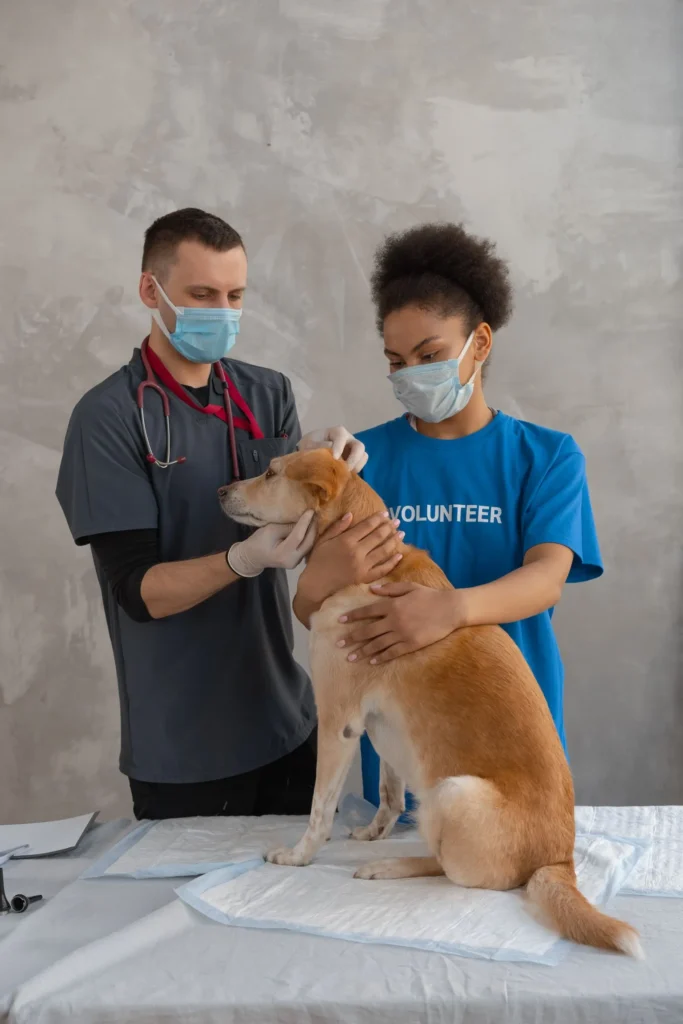
Healthy adult dogs should have annual wellness exams. Puppies and senior animals should see the vet more frequently. Wellness exams are an opportunity for the veterinarian to check everything from their lungs and heart to stance, gait, and weight. During a complete physical exam, the veterinarian covers every inch of your pet, looking, listening, and feeling for abnormalities.
The wellness exam is the cornerstone of every prevention strategy, and everything else on this list is built on its foundation. During these annual visits, the vet will thoroughly examine your pet. They’ll listen to their heart and lungs, check their teeth, skin, and ears, and palpate their abdomen to check for any abnormalities. The vet will also ask about your pet’s behavior, eating habits, and exercise routines. Conditions like dental disease, heart problems, or abnormal growths can be identified early — making them easier to manage or treat.
Even healthy dogs should be examined by a veterinarian at least once a year, and preferably twice a year. If your dog is older or has a pre-existing health problem, more frequent visits may be necessary. Physical exams can detect enlarged lymph nodes, skin tumors, heart murmurs or skipped heartbeats, and abdominal tumors. They will identify enlarged or shrunken kidneys, liver, or spleen that may indicate systemic disease. The exam also gives your vet a longitudinal picture of your dog’s health — a baseline against which to measure future changes. That longitudinal awareness is one of the most powerful diagnostic tools in preventive medicine. Don’t skip it, not even when your dog “seems fine.” The whole point of a wellness exam is to find what isn’t visible from the outside.
2. Keep Vaccinations Up to Date for Life
Vaccines help protect your dog from serious diseases. Core vaccines recommended by nearly all veterinarians prevent illnesses like distemper, parvovirus, and rabies. Vaccination is one of the most straightforward and definitively effective preventive health tools available — it has eliminated or dramatically reduced the prevalence of diseases that once killed enormous numbers of dogs, and its benefits extend beyond the individual animal to the broader dog community.
All dogs considered stable and healthy to vaccinate should be immunized against rabies, distemper, canine parvovirus, canine adenovirus-2 (hepatitis) (usually offered as a combined DAP vaccination), and leptospirosis. Vaccination for kennel cough, Lyme disease, and canine influenza may be recommended for dogs with potential exposure to these diseases. The specific vaccines your pet needs will depend on its species, age, lifestyle, and geographic location. Your veterinarian will create a personalized vaccination schedule to protect your pet against common and dangerous illnesses. Staying up-to-date on vaccinations is crucial for your pet’s health and helps prevent the spread of diseases to other animals in your community.
Rules and recommendations regarding vaccinations change over time, so follow your veterinarian’s advice. Widespread use of vaccinations keeps pet populations healthier. This last point matters — your dog’s vaccination status protects not just them but every dog they come into contact with, including vulnerable puppies and immunocompromised animals who cannot be vaccinated themselves. Keeping vaccinations current is both a personal health decision and a community responsibility.
3. Feed a High-Quality, Appropriately Portioned Diet
Nutrition is genuinely the foundation of health — not just a contributing factor but the literal raw material from which your dog’s body builds itself, repairs itself, and maintains its defenses. Nutrition plays a pivotal role in your dog’s overall health. Ideal nutritional composition of a dog’s diet should include Protein (18–25%), Fat (8–15%), Carbohydrates (30–60%), Fiber (2–5%), Vitamins and Minerals (1–2%). Consult your veterinarian for personalized dietary recommendations tailored to your pet based on age, breed, activity level, and pre-existing health conditions.
Just like humans, pets need a balanced diet to stay healthy and active. Feeding your pets appropriate food that complements their age, size, and health condition is crucial in ensuring they live a long and happy life. Picking the right food is much simpler if you consult with your vet. A vet can offer specialized advice tailored to your pet’s individual needs. The shift from puppy to adult to senior food as your dog ages is not a marketing strategy — it reflects genuine changes in nutritional requirements across life stages. Puppies need higher protein and calcium for growth; senior dogs benefit from joint-supporting nutrients and reduced phosphorus to protect aging kidneys. Getting these transitions right is part of truly proactive nutritional care.
Provide healthy treats. Treats are great for training and rewarding your pet, but be mindful of how many you give. Opt for healthy, low-calorie treats to avoid overloading them with unnecessary calories. Treats are often the silent contributor to canine obesity — a handful of “small” treats throughout the day can add up to a significant percentage of a dog’s daily caloric requirement, and most owners significantly underestimate this effect.
4. Maintain a Healthy Weight — It’s More Critical Than You Think
Research shows that leaner dogs live longer and have fewer health problems. This finding from the veterinary research literature is one of the most consistently replicated and most practically significant facts in all of dog health science. A dog at a healthy weight lives longer, experiences less disease, moves more comfortably, and recovers more effectively from illness than an overweight dog — across virtually every breed and age category studied.
Obesity is one of the most common yet preventable health issues in dogs. Excess weight can lead to joint problems, heart disease, and diabetes. Feeding pets too much can be just as harmful as feeding them too little. Obesity is a common issue among pets, which can lead to serious health problems such as diabetes, arthritis, and heart disease. Make sure to control portion sizes by following the guidelines provided on the pet food labels or consult with your vet on appropriate feeding amounts based on your pet’s specific needs.
The veterinary body condition score — a scale from 1 to 9 where 4–5 is ideal — is the most reliable tool for assessing your dog’s weight status. At an ideal body condition, you should be able to feel your dog’s ribs without pressing hard, see a visible waist when viewed from above, and see an abdominal tuck when viewed from the side. If you can’t feel the ribs without significant pressure, or if the waist and tuck have disappeared, your dog is overweight and deserves the dignity of a weight management plan discussed with your veterinarian.
5. Exercise Your Dog Daily — Body and Mind
Exercise isn’t just about keeping your dog fit — it’s crucial for mental enrichment and well-being. Regular activity can prevent obesity and behavioral problems like anxiety. Dogs need at least 30 minutes to 2 hours of exercise daily, depending on the breed. Mental stimulation with puzzle toys or scent games can keep their minds sharp.
The range of exercise requirement across dog breeds is genuinely enormous — a Siberian Husky or Border Collie needs dramatically more daily physical and mental engagement than a Basset Hound or French Bulldog. But the principle that regular appropriate exercise is essential for health applies universally. Dogs who get adequate daily exercise maintain healthy weight, cardiovascular condition, joint function, and behavioral stability throughout their lives. Dogs who don’t tend to develop obesity, anxiety, destructive behaviors, and the cascade of health problems those conditions produce.
Dogs, for example, benefit from daily walks, playtime, or fetch sessions. The mental component of exercise deserves equal attention. Nose work, puzzle feeders, training sessions, and novel environments all provide the cognitive stimulation that keeps dog brains sharp and stress hormones low. A dog who is physically tired and mentally satisfied is a dog who moves through life with significantly better health outcomes than one who is bored and under-stimulated. Mental exercise isn’t a luxury — it’s part of the complete health picture.
6. Prioritize Dental Hygiene — The Silent Health Threat Most Owners Ignore
Dental disease is a silent killer in dogs, with 80% showing signs of oral issues by age three. Regular brushing and professional cleanings are essential. Eighty percent. By age three. That statistic is one of the most shocking in veterinary medicine and one of the least acted upon by dog owners — which is why dental disease is consistently among the top three conditions diagnosed in dogs at veterinary clinics worldwide.
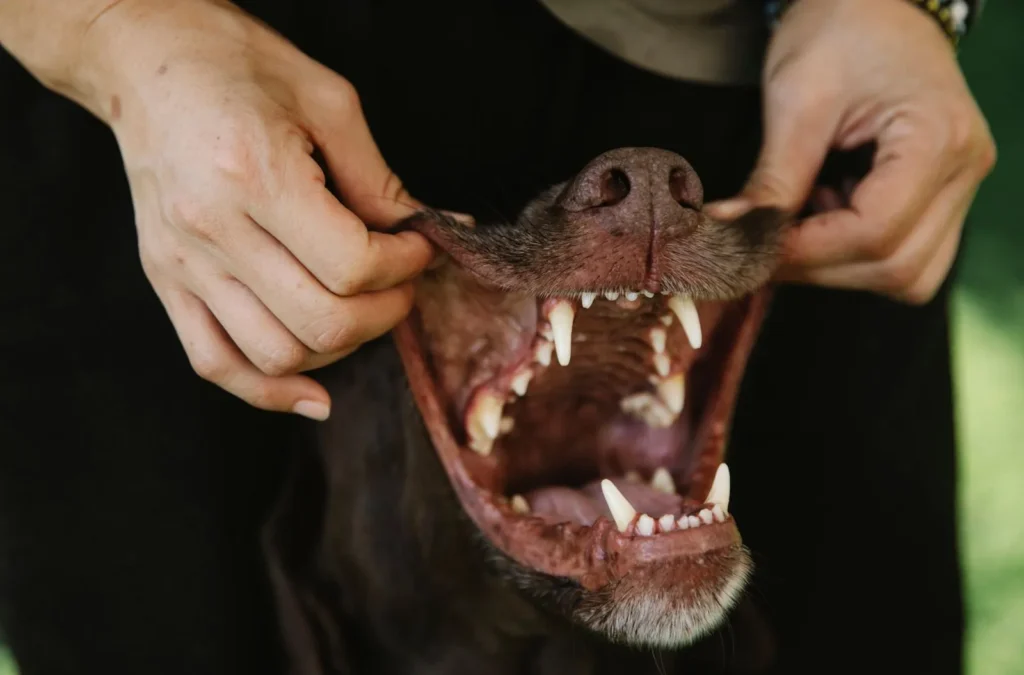
Dental health is often overlooked but crucial to your pet’s well-being. Poor oral hygiene can lead to tartar buildup, gum disease, tooth loss, and even systemic infections affecting the heart, liver, and kidneys. Regular tooth brushing with pet-specific toothpaste, dental chews, and professional cleanings when recommended by your veterinarian are vital for maintaining your pet’s oral health. The systemic consequences of dental disease are the part that most surprises dog owners when they first learn about it. The bacteria from infected gums don’t stay in the mouth — they enter the bloodstream and travel to the heart, kidneys, and liver, causing inflammatory damage over time that shortens life and reduces quality of it. Good dental hygiene isn’t cosmetic. It’s organ protection.
Schedule professional cleanings: Your vet can clean below the gum line, where toothbrushes can’t reach. Check for warning signs: Dropping food, pawing at the mouth, or refusing to eat could point to dental pain. At-home brushing three to four times per week with veterinary-approved toothpaste, supplemented by dental chews and annual professional cleanings, is the standard of care that gives your dog the best possible dental health outcomes.
7. Implement Year-Round Parasite Prevention
Fleas, ticks, heartworms, and intestinal parasites can cause significant discomfort and serious health problems for your pet. Implementing year-round parasite prevention is essential. Discuss the best options for your pet with your veterinarian, as various safe and effective treatments are available, including topical medications, oral chews, and collars. Consistent parasite prevention safeguards your pet’s well-being and protects your household from potential infestations.
Heartworm disease deserves particular emphasis because it is both preventable and, once established, genuinely dangerous and expensive to treat. Heartworm: This serious parasite is spread by mosquito bites and lives in your dog’s heart and bloodstream. Dogs should be tested for heartworm every year and should receive heartworm prevention medicine year-round. Many heartworm medicines also help prevent intestinal parasites. Many heartworm preventives also provide coverage for intestinal parasites, making them a genuinely efficient investment — one monthly administration covering multiple parasitic threats simultaneously.
Dogs should be given medication to prevent heartworms all year long in endemic areas. Many heartworm medications also prevent or treat intestinal parasites, and some may also treat fleas and ticks. Your veterinarian can provide these medications and tailor a parasite prevention protocol to your dog. The geography of parasite risk varies — your veterinarian knows the specific parasites prevalent in your region and can tailor a prevention protocol to your dog’s actual exposure risk. One size does not fit all here, but year-round coverage is the standard recommendation in most of the world.
8. Keep Your Dog Hydrated With Clean, Fresh Water
Water is so fundamental to health that it’s easy to take for granted — but its role in virtually every physiological process means that consistent, adequate hydration is one of the most basic and most impactful preventive health measures available. Ensuring access to fresh water is equally important. Dehydration can lead to serious health issues in pets, so it’s vital to make sure they always have access to clean drinking water.
Prevent dehydration: Always provide clean, fresh water, especially after exercise or on hot days. Urinary tract infections, kidney disease, bladder crystals, and constipation are all conditions that adequate hydration helps prevent or manage. Clean water — changed daily and in a clean bowl — is the standard; many dogs who refuse to drink enough from stagnant bowls will drink more readily from running-water fountains designed for pets, making this a worthwhile investment for dogs prone to urinary tract issues or kidney concerns.
Monitor your dog’s water intake; excessive drinking could signal health issues like diabetes or kidney problems. This tip works in both directions — not just ensuring your dog drinks enough, but noticing when they’re drinking dramatically more than usual. Polydipsia (excessive thirst) is one of the earliest and most reliable clinical signs of diabetes, kidney disease, and Cushing’s disease. Knowing your dog’s normal water intake gives you the baseline to recognize when something has changed.
9. Groom Regularly — It’s Health Care, Not Just Beauty Care
Regular grooming is one of the most consistently underestimated preventive health tools available to dog owners — because it’s commonly thought of as aesthetic maintenance when it is, in reality, a comprehensive health surveillance system. Regular grooming: Brushing helps remove dirt and loose fur while keeping the coat free of tangles. Partnering with a dog grooming company can also help identify early signs of dryness, dandruff, or irritation before they become serious.
Regular grooming isn’t just for aesthetics — it helps identify skin issues early and keeps your dog comfortable. Brush your dog regularly to reduce shedding and prevent matting. Check for ticks, fleas, and rashes during grooming sessions. Every grooming session is an opportunity to run your hands over your dog’s entire body — checking for new lumps or bumps, areas of heat or swelling, skin redness or irritation, coat changes, ear odor, and eye discharge. Many of the conditions that become serious and expensive to treat are detectable in their early stages through attentive physical examination, and regular grooming is when that examination happens most naturally and most completely.
Nail trimming is part of the grooming health picture too — overgrown nails alter gait, stress joints, and can curve and grow into the paw pad if neglected. Ear cleaning prevents the moisture and debris buildup that creates the environment for chronic ear infections. Regular bathing removes allergens and parasites from the coat. Together, these grooming activities represent a genuine preventive health investment that pays dividends throughout your dog’s life.
10. Consider Spaying or Neutering
Spaying and neutering not only prevent unwanted litters but also reduce the risk of certain cancers and behavioral issues in pets. For female pets, spaying eliminates the risk of uterine infections and mammary tumors, which are malignant or cancerous in about 50% of dogs and over 90% of cats.
You can also prevent some cancers and other diseases by spaying or neutering your dog. The health benefits of spaying female dogs include the complete elimination of pyometra — a life-threatening uterine infection that affects unspayed females with significant frequency — and a dramatic reduction in the risk of mammary cancer, particularly when spaying is performed before the first heat cycle. Neutering male dogs eliminates the risk of testicular cancer and significantly reduces the risk of certain prostate conditions. Spaying or neutering can have numerous health and behavior benefits. These procedures help to prevent infections and some types of cancer. Your veterinarian will discuss these benefits and the timing of the surgery for your dog. The timing of these procedures is a nuanced conversation worth having with your veterinarian, as recommendations have evolved to consider breed-specific timing for optimal health outcomes.
11. Microchip Your Dog and Keep the Information Updated
Microchipping is another tool in the preventive health toolkit, as it can help bring your dog home safely if you get separated. Microchipping may not prevent your dog from getting sick, but it prevents them from getting permanently lost — which is itself a health emergency. A lost dog is a dog at risk of injury from traffic, exposure to weather, starvation, and encounters with other animals. The microchip is a permanent, inexpensive, painless form of identification that reunites lost dogs with their owners every single day across the world.
The most important and most frequently overlooked step in microchipping is registering the chip and keeping the registration information current. An unregistered microchip or a chip registered to an old address or phone number is far less valuable than one whose information is accurate. Make updating your microchip registration part of your annual check-in whenever your contact information changes — a five-minute action that ensures a permanent piece of your dog’s identification is always functional.
12. Create a Safe Home and Yard Environment
Prevention extends beyond your dog’s body to their physical environment — and many of the most preventable dog health emergencies originate in the home and yard. Keep the trash secure: Dogs are experts at finding trouble in the garbage, and spoiled food can cause serious illness. Beyond the trash, common household hazards include toxic plants (lilies, sago palm, and many others), cleaning products, medications, xylitol-containing foods, grapes, onions, chocolate, and rat poison.
Fencing your yard adequately to prevent escape, checking for and removing toxic plants from the garden, securing household chemicals and medications in locked cabinets, and being aware of environmental hazards during seasonal changes — road salt in winter, hot pavement in summer, lawn chemicals in spring — are all part of the environmental prevention picture. Many emergency veterinary visits are for accidental ingestion or injury that attentive environmental management could have prevented entirely.
13. Manage Your Dog’s Stress and Mental Wellbeing
Just like humans, dogs experience stress, anxiety, and depression. Understanding their emotional needs is critical. Create a calming environment and invest time in play and bonding. The connection between chronic stress and physical health in dogs is not metaphorical — sustained high cortisol levels directly impair immune function, contribute to gastrointestinal problems, worsen skin conditions, and accelerate aging processes.
Essential pet wellness tips to enhance health include providing high-quality food, regular exercise, mental stimulation, and preventive veterinary care. Recognizing the sources of stress in your dog’s life and addressing them proactively — whether that means counter-conditioning work with a fearful dog, environmental management for an anxious dog, or simply ensuring that your dog’s daily routine provides adequate security, predictability, and positive engagement — is a genuine preventive health intervention. A calm dog is a healthier dog, and the investment in their emotional wellbeing pays dividends in their physical health throughout their life.
14. Know Your Breed’s Specific Health Vulnerabilities
Breed-specific health awareness is one of the most powerful preventive tools available to dog owners — because it allows you to monitor proactively for the conditions most likely to affect your specific dog, catching them at the earliest and most treatable stage. A German Shepherd owner who knows about degenerative myelopathy can recognize its early signs and begin supportive management promptly. A Cavalier King Charles Spaniel owner who knows about mitral valve disease can ensure their dog receives regular cardiac monitoring. A Labrador owner who knows about hip dysplasia can make dietary and exercise choices that minimize joint stress from puppyhood.
Your veterinarian is a great source of information about what you can expect for your pet depending on their age, lifestyle, weight, and genetics. Research your breed’s known health predispositions, discuss them with your veterinarian, and build them into your preventive health monitoring plan. This is not about expecting the worst — it’s about being prepared to act quickly if early signs appear, and about making daily care choices that minimize the risk of those conditions developing in the first place.
15. Trust Your Instincts and Act Early on Warning Signs
Dogs have innate survival instincts that allow them to hide pain and illness well (so as not to seem vulnerable to predators). Since a veterinarian cannot simply ask your dog how she is feeling or see what is going on inside his body, they must use other means. This is one of the most important realities of dog health to internalize — dogs are stoic in ways that make illness invisible until it’s often quite advanced. By the time a dog is clearly showing signs of significant discomfort, the underlying condition has typically been developing for some time.
You know your dog’s normal baseline better than anyone. You know how they usually eat, how they move, how they greet you, how they sleep, how much they drink. When something shifts — even subtly, even in ways you can’t quite articulate — that shift deserves attention. If your dog shows any of these signs for more than a day or two, it’s a good idea to schedule a vet visit. The veterinary refrain that “early detection is always better than late detection” is not just a principle — it’s the difference between a manageable medical situation and a heartbreaking one. Your instincts about your dog are one of the most valuable diagnostic tools in their healthcare system. Trust them, and act on them promptly.
Common Preventable Dog Health Problems and How to Avoid Them
Obesity, Dental Disease, Parasites, and Joint Problems
These four conditions collectively represent an enormous proportion of canine suffering and veterinary expense — and all four are substantially preventable or manageable with the consistent application of the tips in this guide. Weight maintenance research shows that leaner dogs live longer and have fewer health problems. Dental disease affects the majority of dogs over three years old and directly damages heart, kidney, and liver function. Parasite-related illness — from heartworm to tick-borne diseases to intestinal parasites — is almost entirely preventable with year-round prevention protocols. Joint problems like hip dysplasia and osteoarthritis respond dramatically better to early intervention and weight management than to treatment after significant deterioration has occurred.
Digestive Issues and Skin Conditions
Feed a consistent diet: Sudden food switches can upset your dog’s stomach. Transition slowly when changing foods. Watch for food intolerances: Some dogs react poorly to rich or fatty foods. Keep track of what they eat and how they respond. Digestive health is maintained primarily through consistency — consistent diet, consistent feeding schedule, and careful management of what your dog eats outside their regular meals.
A little scratching is normal, but if your dog seems to be constantly biting, licking, or rubbing against furniture, it might be more than just an itch. Skin allergies are one of the most frequent reasons for vet visits. Regular grooming: Brushing helps remove dirt and loose fur while keeping the coat free of tangles and can also help identify early signs of dryness, dandruff, or irritation before they become serious. Flea control: Even a single flea bite can trigger an allergic reaction in sensitive dogs, so consistent prevention is key. Skin conditions, while sometimes genetically driven, are frequently preventable or manageable through attentive grooming, consistent parasite prevention, appropriate nutrition, and early veterinary intervention when issues first appear.
Building a Preventive Health Calendar for Your Dog
The most effective way to implement the 15 tips in this guide is to organize them into a structured, recurring calendar that turns good intentions into consistent habits. Here’s a practical framework:
Daily: Fresh water, appropriate nutrition with controlled portions, physical exercise, brief physical check during interaction, oral hygiene (brushing or dental chews), mental stimulation.
Weekly: Thorough brushing and coat inspection, nail check, ear check, weight assessment (feel ribs and assess body condition), behavior and energy level monitoring.
Monthly: Parasite prevention administration (heartworm, flea, tick), full physical inspection including skin, teeth, and lymph nodes, review of any behavioral changes or new symptoms.
Annually: Veterinary wellness exam with bloodwork and urinalysis, vaccination updates as recommended, professional dental examination and cleaning if indicated, heartworm test, fecal parasite screen, weight and body condition reassessment, and discussion of any age or breed-specific screening appropriate for your dog’s profile.
Adult dogs: At least once a year for a full checkup. Puppies: Every 3 to 4 weeks until 4 months old. Senior dogs (over 7–8 years old): Twice a year or more. Because older dogs are more likely to get sick, they need to see the vet more often. Your vet might suggest blood tests or x-rays to catch health issues early. Organizing preventive care into this kind of structured calendar transforms it from a collection of abstract good intentions into a concrete, manageable system — one that makes excellent dog health care a natural rhythm of daily life rather than a crisis-driven reaction to problems that could have been prevented.
Conclusion
Keeping your dog healthy is the greatest gift you can give them — not just in terms of years added to their life but in the quality of every one of those years. A dog who is lean, fit, pain-free, parasite-free, mentally stimulated, and regularly checked by a veterinarian who knows their health history doesn’t just live longer. They feel better every single day. They move with more ease, play with more enthusiasm, sleep more peacefully, and experience the world with more capacity for joy.
Ultimately, prioritizing preventative care is an act of love and commitment to your animal companion. By actively engaging in these key areas, you’re not just preventing illness but investing in their long-term health, happiness, and the precious bond you share. Remember, you are your pet’s most prominent advocate, and taking these proactive steps will allow you to enjoy many more joyful years together. Don’t hesitate to partner closely with your veterinarian — they are your trusted resource for personalized advice and guidance on keeping your beloved pet thriving.
Start today. Pick one tip from this list that you’re not currently doing and implement it this week. Then another the week after. Preventive health care doesn’t require perfection — it requires consistency. And consistency, maintained over a lifetime, produces results that no amount of reactive treatment can replicate. Your dog gives you everything they have, every day, without reservation. The very least you can do is give them the preventive care that keeps them able to do that for as long as possible.

Frequently Asked Questions
1. How often should I take my dog to the vet for preventive care? Healthy adult dogs should have a full veterinary wellness exam at least once per year. Puppies need veterinary visits every 3–4 weeks until they are four months old for vaccinations and development monitoring. Senior dogs — generally those over 7–8 years old, though this varies by breed size — benefit from twice-yearly exams because age-related conditions can develop and progress rapidly. Dogs with pre-existing health conditions may need even more frequent monitoring as directed by their veterinarian.
2. What is the single most important thing I can do to prevent health problems in my dog? If forced to choose one, most veterinarians point to weight management — maintaining a lean, healthy body condition throughout your dog’s life — as the single most impactful preventive health measure. Research consistently shows that lean dogs live longer and develop fewer chronic diseases across virtually every health category measured. Combined with annual wellness exams to catch anything that weight management can’t prevent, these two habits form the most powerful core of any preventive health strategy.
3. Can dental disease in dogs really affect their heart and kidneys? Yes — this is one of the most important and least appreciated facts in dog health. The bacteria from periodontal disease enter the bloodstream through inflamed gum tissue and can deposit on heart valves (causing endocarditis), damage kidney tubules, and cause inflammatory liver changes. Dogs with severe, untreated dental disease consistently show higher rates of cardiac and kidney disease than well-maintained dogs. Regular dental care is not cosmetic — it is organ protection.
4. Do dogs need parasite prevention in winter, or just summer? Year-round parasite prevention is the recommendation for most dogs in most geographic regions. While fleas and ticks are more active in warm months, they can survive and cause problems throughout the year in many climates — particularly in temperate regions. Heartworm prevention must be administered year-round because stopping and restarting can create gaps in coverage and because heartworm can be transmitted in mild weather that triggers mosquito activity. Discuss your specific region’s parasite risk profile with your veterinarian to optimize your prevention protocol.
5. How can I tell if my dog is overweight? The most reliable home assessment is the body condition score. At an ideal weight, you should be able to feel your dog’s ribs easily without pressing hard, but they should not be visibly protruding. Viewed from above, your dog should have a visible waist behind the rib cage. Viewed from the side, there should be an abdominal tuck — the belly should rise from the chest toward the hindquarters rather than hanging level or lower. If the ribs are difficult to feel, the waist has disappeared, or the belly hangs without an upward tuck, your dog is likely overweight and deserves a weight management discussion with your veterinarian.





Leave a Comment