

There is something that happens when a dog settles beside a senior person on a quiet afternoon — a warmth that fills the room, a purpose that fills the day, a connection that fills a silence that might otherwise feel too large. If you’re in your golden years and considering bringing a dog into your life, or if you’re helping a loved one make that decision, this isn’t just a lifestyle choice you’re contemplating. It’s one of the most genuinely beneficial things a person can do for their health, their happiness, and their sense of belonging in the world.
But not every dog is the right dog for every senior — and getting this choice right matters enormously. Choosing the right dog breed goes beyond looks and popularity. Seniors need a pet that is affectionate, easy to train, and relatively low-maintenance. Additionally, factors such as exercise needs, grooming requirements, and temperament play an important role. By selecting the right breed, retirees can enjoy the benefits of pet ownership without overwhelming challenges.
This comprehensive guide covers the 20 best dog breeds for seniors — organized with the detail, honesty, and practical focus that this genuinely important decision deserves. Whether you’re looking for the perfect lap dog, a gentle walking companion, a hypoallergenic option for sensitive lungs, or a larger, more active breed for the retirement years filled with outdoor adventures, you’ll find your perfect match somewhere in these pages.
Why Dogs Are One of the Best Things That Can Happen to You in Retirement
Let’s start with the why — because the case for senior dog ownership is so compelling, so well-researched, and so genuinely moving that it deserves to be stated clearly before we get into the breeds themselves. Whether we’re young or old, dogs are great company. Our canine companions decrease feelings of loneliness — keeping us company when we’re at home and helping us meet other people when we take them out. In a study of adults 60 years or older, pet owners were 36 percent less likely to consider themselves lonely than non-pet owners. Dog ownership can also reduce our stress levels and blood pressure, and lower our risk of death due to heart disease. Taking care of a dog helps us stick to a healthy routine and exercise daily.
Spending time with a pup can help lower blood pressure and cholesterol levels while raising serotonin — “feel-good” chemicals in the brain, according to Harvard Health Publishing. A retired pet parent has its perks for the dog, too! Many seniors are home much of the day or simply have a more flexible schedule, meaning more time to devote to their best friend. The relationship between a senior and their dog is one of genuine mutual benefit — the senior provides stability, presence, and love; the dog provides purpose, routine, physical activity, and the daily, unconditional affection that research consistently identifies as one of the most powerful forces for human wellbeing.
Caring for a dog can provide a sense of purpose and a source of joy for older adults. Whether you live alone or in a senior living community, your canine friend can keep you company throughout the day, helping you ward off loneliness, stress, anxiety, and depression. They also can motivate you to stay active and exercise frequently, which benefits your physical and emotional well-being. The right dog, chosen thoughtfully and matched to your specific lifestyle and abilities, is not a burden in retirement — it’s one of its greatest gifts.
What to Look for in a Dog Breed as a Senior: The Essential Checklist
Size, Energy Level, and Temperament
When considering the best dogs for seniors, it’s a good idea to keep these factors in mind: Energy Level — Dogs can have different energy levels, and it’s important to find one that matches your own activity level. If you enjoy the outdoors frequently, or love staying active, you might want a dog that enjoys the same. Size — For most seniors, a smaller dog is generally easier to keep, especially when it comes to daily tasks, like walking or grooming them. If you live in a small home or apartment, a dog that doesn’t need much space can be a good choice for you. While larger dogs are just as lovable, they may require more room and might be harder to control during walks.
Temperament is perhaps the most critical factor of all. A calm, gentle, affectionate dog who is easy to live with brings joy. A high-strung, reactive, or demanding dog brings stress — and stress is precisely what dog ownership should be reducing, not creating. A dog with a calm temperament is generally easier to care for compared to more aggressive breeds. The breeds on this list have all been chosen with these considerations at the center.
Grooming, Health, and Practical Considerations
Grooming Needs — Certain dog breeds may need regular grooming to keep their coat healthy, which can get overwhelming for some seniors. If you want to keep things simple, you might prefer a dog with a short coat that requires minimal grooming. Health and Age — Some breeds are more likely to develop certain health problems, which might mean extra trips to the vet. Before choosing a dog, think about how much care you’re able to provide.
Financial reality matters too. The important consideration when deciding whether to add a dog to your life isn’t age as much as lifestyle and physical ability to take care of a dog. The financial requirements of dog supplies, veterinarian costs, food, pet sitter, obedience classes, and your travel expectations are all factors worth considering. A breed with known expensive health issues, or one requiring frequent professional grooming, may not be the most practical choice depending on budget and mobility. The good news is that the best senior-friendly breeds tend to also be among the most manageable from a care and cost perspective.
The 20 Best Dog Breeds for Seniors
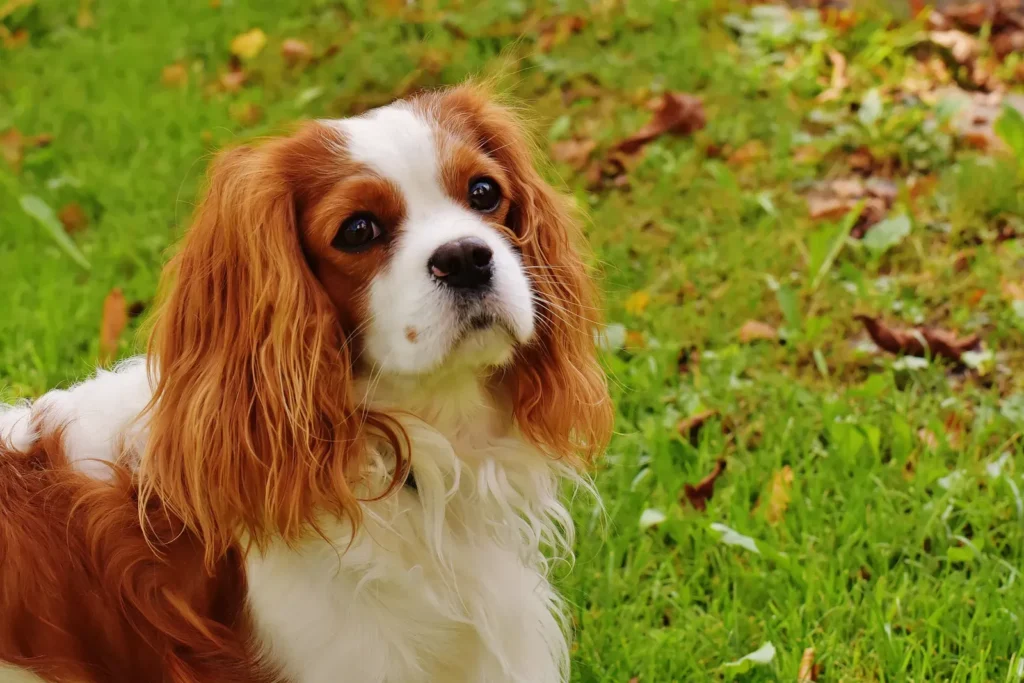
1. Cavalier King Charles Spaniel — The Perfect Lap Dog and Loyal Companion
If you could design the ideal senior companion dog from scratch — gentle, affectionate, adaptable, beautiful, and deeply devoted — you would end up with something very close to the Cavalier King Charles Spaniel. The Cavalier King Charles Spaniel is one of the best small dogs for older adults. These dogs are gentle, affectionate, and love spending time with their owners. While they enjoy walks and playtime, they do not have high exercise requirements, making them suitable to individuals who cannot commit to long periods of activity. Though their coat requires regular brushing, they are generally low-maintenance dogs.
Known for their sweet nature and affectionate personality, Cavalier King Charles Spaniels are perfect lap dogs. They thrive on companionship and love being close to their owners. Energy level: Moderate, with daily walks and playtime. Size: Small and manageable, usually under 20 pounds. Best for: Seniors who prefer a relaxed, affectionate dog. The Cavalier’s silky, feathered coat and those enormous, soulful eyes make them one of the most beautiful small breeds in existence — and their temperament matches their appearance perfectly. They are gentle with grandchildren, compatible with other pets, and content whether in a small apartment or a house with a garden. The Cavalier is, quite simply, one of the finest senior dogs that has ever existed.
2. Shih Tzu — The Ancient Lapdog Built for Companionship
The Shih Tzu has been a companion dog to royalty for over a thousand years, and their qualifications for that role haven’t diminished in the slightest. The elegant Shih Tzu prospers with plenty of love and attention. This outgoing breed is also great with kids, making them a perfect playtime buddy when the grandchildren visit! The Shih Tzu is an affectionate dog who enjoys spending time with their pet parent — whether it’s cuddling or accompanying them throughout the house. Plus, this breed is amiable and welcoming to other people and pets. The Shih Tzu is up for a daily walk if its pet parent is, and this lapdog is more than happy to enjoy down time for the rest of the day.
A solid little dog weighing up to 16 pounds, the Shih Tzu requires minimal exercise and is content living in apartments, so long as you’re there, too. Shih Tzu owners say the breed is “happy, even-tempered, and eager to please,” and they get along well with other dogs and with children. If the silky coat is kept long, it requires daily brushing. A groomer can also give the Shih Tzu a “puppy trim” that’s much easier to look after. That puppy trim is one of the most practical tips for senior Shih Tzu owners — it maintains the breed’s adorable appearance while reducing the grooming time commitment to something genuinely manageable. A Shih Tzu in a short cut is a joy on every level.
3. Bichon Frise — The Cheerful Hypoallergenic Bundle of Joy
The Bichon Frise is one of the most reliably joyful dogs in existence — their default emotional setting appears to be delighted, their energy is moderate and easily satisfied with light daily activity, and their hypoallergenic coat makes them an outstanding choice for seniors with allergies or respiratory sensitivities. The Bichon Frise is a friendly, playful breed that thrives on companionship. These dogs are small and easy to manage, making them a good choice for older individuals. While they enjoy playtime and light activity, they can adjust to the energy level of their owners. In addition, the Bichon Frise is hypoallergenic, which makes them an excellent choice for seniors with allergies.
The Bichon Frise is cheerful, adaptable, and hypoallergenic. Their playful demeanor keeps spirits high, while their small size makes them easy to manage. They thrive on human interaction and quickly become part of the family. Energy level: Moderate, with short daily walks. Coat care: Requires grooming but is low-shedding. Best for: Seniors seeking a happy, low-shedding companion. The Bichon’s cottony white coat does require regular professional grooming every 6–8 weeks to stay at its fluffy best, but between appointments, their low-shedding coat is genuinely easy to live with — no fur on the sofa, no fur on the cardigan, just that irresistible cloud of white fluff following you happily from room to room.
4. Poodle — The Smartest, Most Versatile Senior Dog of All
The Poodle deserves special recognition on this list because they serve the entire spectrum of senior needs in a single breed — available in three sizes (Toy, Miniature, and Standard), uniformly intelligent, trainable, hypoallergenic, and deeply devoted. Poodles are an excellent choice for older adults with allergies or respiratory issues when looking for a four-legged friend. Though they need to be regularly groomed by a professional, their dander has a low probability of causing allergic reactions. They come in a range of sizes, from tiny toy poodles (5 to 9 pounds) to larger standard poodles (45 to 70 pounds). Poodles are fast learners, easy to train, and loyal and affectionate.
Poodle dog mixes such as the Cockapoo and Labradoodle make great furry friends as well. The Poodle is low-shedding and hypoallergenic. However, this breed’s long, stylish hair needs regular brushing and professional grooming every month or so. For the active senior who wants a slightly larger dog with more presence, a Standard Poodle is one of the most elegant and intelligent large dogs available. For the apartment-dweller or someone who prefers a dog they can lift comfortably, the Toy or Miniature Poodle delivers all the same qualities in a much smaller, easier-to-manage package. Their intelligence means they are easy to train and adapt readily to their owner’s routine — including when mobility or lifestyle changes over time.
5. Maltese — Gentle, Loving, and Beautifully Low-Key
The Maltese is one of the oldest companion breeds in the world, and their dedication to the role shows in every aspect of their personality and temperament. The Maltese is a small, affectionate dog that thrives on attention. Their compact size makes them easy to carry and manage. Despite their long, silky coats, they are relatively easy to groom with routine care. Energy level: Low, perfect for relaxed households. Temperament: Loving, gentle, and devoted. Best for: Seniors who enjoy close companionship.
The Maltese’s pure white, non-shedding coat makes them a practical choice for seniors with allergies or for those who simply don’t want dog fur on their furniture and clothing. Their gentle, quiet nature makes them suitable for apartment living without the constant barking that some small breeds are prone to. And their small size — typically under seven pounds — means they are completely manageable physically, can travel in a carrier, and are entirely comfortable in a lap for hours at a time. The Maltese doesn’t demand much from life — just your presence, your affection, and the occasional gentle walk. And they give back an enormous amount in return.
6. French Bulldog — Low Energy, High Personality
The French Bulldog has become one of the most popular dog breeds in the world, and for senior owners specifically, their combination of compact size, low exercise requirements, affectionate temperament, and enormous personality makes them an outstanding choice. Also called the “Frenchie,” the joyful French Bulldog is easy to care for (and please!), making them a great fur pal for an elderly individual.
The Frenchie’s exercise requirements are genuinely modest — they are not built for long runs or vigorous activity, and they actually prefer it that way. Short daily walks and indoor play sessions are entirely sufficient to keep a French Bulldog healthy and satisfied. Their flat-faced anatomy does require some management — avoiding extreme heat and humidity, monitoring for breathing difficulties — but their personality more than compensates for these considerations. A French Bulldog’s capacity for making their person feel adored, entertained, and completely beloved is one of the most remarkable qualities in small dog breeds.
7. Pomeranian — Tiny Package, Enormous Heart
The Pomeranian is one of those breeds where the gap between physical size and emotional impact is almost comically large — a dog of 3–6 pounds who occupies the center of any room they enter by sheer force of personality. If a tiny dog is up your alley, the Pomeranian may be the right fit for you. Weighing roughly 3 to 6 pounds, Pomeranians are affectionate, good-natured dogs that are easy to handle. They enjoy attention from their owner and playing with toys, and you can feed off their energy to keep yourself upbeat! However, they do have a long, thick coat that requires regular brushing to avoid matting.
The Pomeranian is a small, spirited breed that is a good fit for pet parents who want a small dog with a confident, outgoing personality. They enjoy short walks and playtime but don’t require intense exercise. Their double coat requires regular brushing — typically daily or every other day — to prevent matting, and professional grooming every few months keeps them looking their magnificent best. Many senior Pomeranian owners opt for a shorter “teddy bear” trim that maintains their adorable appearance while significantly reducing the brushing commitment. At any coat length, the Pomeranian’s cheerfulness and devotion make them outstanding senior companions.
8. Havanese — Cuba’s Gift to Dog Lovers
The Havanese is one of the most underappreciated senior-friendly breeds in the entire dog world, and that underappreciation is genuinely undeserved given their extraordinary qualifications. The only breed native to Cuba, the Havanese is a cheerful, quiet little dog described as “happy, loving, intelligent, social, and accommodating” by the breed club. They’re content to stay inside and snuggle with their humans and will play patiently with children. Havanese don’t require much exercise but are happy to take occasional short walks.
Havanese are one of the most charming dogs. They are sociable, friendly, and highly trainable. Their miniature size and moderate exercise needs make them perfect for older people. The Havanese’s lifespan of 14–16 years means a senior who adopts one can reasonably expect many years of devoted companionship — one of the longest-lived toy breeds in existence. They adapt seamlessly to apartment life, travel well, and have a genuine gift for making their person feel that they are the most interesting and beloved individual in the world. Cuba’s greatest export to the dog world is a truly remarkable senior companion.
9. Yorkshire Terrier — The Loyal Little Lap Dog With a Big Spirit
The Yorkshire Terrier’s reputation as a spirited, sometimes feisty small dog is well-earned — but what often gets less attention is how profoundly loving and devoted Yorkies are to their people. Yorkies are the quintessential lap dog — they love being around their “person” just as much as they’ll love a daily tennis ball toss. You can expect a Yorkie to remain under 10 pounds, making them easy for seniors to pick up, walk on a leash, and hold in their lap. Yorkies have a reputation for having a “voice” but are intelligent, eager to please, and highly motivated by treats, making them easy to train.
The Yorkie’s small size makes them completely manageable physically — light enough to carry anywhere, content in a lap, comfortable in small living spaces. Their silky coat is available in a short cut that dramatically reduces grooming demands, and their intelligence makes them responsive to training even in senior owners who may be new to the process. For a senior who wants a loyal, devoted, perpetually present companion with a personality large enough to fill a room, the Yorkshire Terrier is a wonderful choice.
10. Pug — Comically Charming and Completely Devoted
The Pug is one of the dog world’s most accomplished comedians — a breed whose physical appearance, behavioral quirks, and utterly sincere devotion to their person creates a daily experience of delight that is unlike anything else in dog ownership. The short-haired, muscular, 14-to-18-pound dogs were bred to be companions with even temperaments. Pugs tend to shed a lot, but are easily trained, playful with children, loving with their owners, and charming with strangers.
Brief strolls and short indoor or outdoor play sessions are sufficient for the laid-back Pug. The Pug does shed more than most breeds on this list, which is worth factoring in, and their flat-faced anatomy requires the same heat management considerations as the French Bulldog. Their facial folds need regular cleaning to prevent skin infections. But in exchange for this modest additional care, you get a dog of extraordinary character — snoring, snuffling, rolling in your direction, and looking at you with those enormous round eyes as if you are, without question, the most wonderful person they have ever had the privilege of knowing.
11. Cocker Spaniel — The Gentle, Affectionate Medium-Breed Option
For seniors who want something slightly larger than a toy breed — a dog with a bit more physical presence and the gentle, warm energy of a sporting breed — the Cocker Spaniel is one of the finest choices available. Cocker Spaniel is one of the best breeds for seniors because of several qualities. First, these dogs are easy to care for because they have a low-to-moderate shedding rate. Second, they are well-suited for various living arrangements, including apartments, thanks to their moderate size and relatively quiet demeanor.
Cocker Spaniels are known for forming deep, loving connections with their owners. If you’re seeking a loyal and affectionate companion, this breed might be just the right choice for you. Like most dogs, Cocker Spaniels enjoy regular walks and playtime. Although they need a bit more exercise than some smaller breeds, their moderate energy levels are generally easy to manage. It’s worth noting that Cocker Spaniels may require occasional visits to a groomer due to their beautiful, long coat. Those long, silky ears and warm, expressive eyes make the Cocker Spaniel one of the most beautiful medium breeds in existence — and their gentle, deeply affectionate temperament makes them as wonderful to live with as they are to look at.
12. Beagle — The Friendly Explorer for Active Seniors
The Beagle earns its place on this list for the senior who is more physically active, enjoys regular outdoor walks, and wants a cheerful, sociable companion who is always up for an adventure. The Beagle is an excellent choice if you’re looking for a friendly and active dog. Their medium size makes them a good fit for seniors who have a bit more space. Beagles typically have gentle, playful personalities, and are usually eager to explore and join in on family activities. While Beagles may have more energy than some smaller breeds, their exercise needs are manageable with just a few walks each day.
Beagles are affectionate and loyal, so they can provide good companionship to older adults. In addition, their short coat makes them low maintenance and their moderate size makes them suitable for various living situations, including apartments or homes with limited space. The Beagle’s short, easy-care coat is one of their most practical senior-friendly qualities — no professional grooming required, just regular brushing and the occasional bath. And their cheerful, sociable nature makes them wonderful magnets for social interaction on walks — a Beagle with those spectacular ears and that friendly face tends to attract admirers wherever they go, turning daily walks into genuinely social experiences.
13. Pembroke Welsh Corgi — For Seniors Who Love a Little Adventure
The Corgi is one of those breeds that manages to be simultaneously practical and magical — a small-to-medium sized dog with an enormous, warm personality and just enough energy to keep an active senior genuinely engaged without being overwhelming. For more active seniors who enjoy outdoor exploration such as walking on nature trails, the lively and adventurous Pembroke Welsh Corgi is a great match. With their cute little legs and sparkly eyes, Corgis win over the hearts of children, adults, and elder folks alike. The sociable Corgi wants to be included in every occasion, and its animated and fun-loving personality makes this dog shine.
Corgis are known for their long but low-to-the-ground bodies, perky ears, and spirited personalities. Intelligent and affectionate, they make great companions for anyone who enjoys a bit of spunk. Corgis are also relatively low-maintenance dogs, although they do tend to require more daily exercise than other senior-friendly breeds. The Corgi’s moderate exercise needs make them best suited to seniors who genuinely enjoy regular daily walks rather than those who prefer minimal outdoor activity. In the right household, a Corgi is a source of daily delight — those ears, that characteristic corgi sploot, and the perpetual sense that this dog finds everything about life enormously entertaining.
14. Greyhound — The Surprisingly Low-Maintenance Large Dog
This one consistently surprises people — because the assumption about Greyhounds is that their athletic, racing heritage must mean high exercise demands. The reality is almost exactly the opposite. Surprisingly, Greyhounds are among the most low-maintenance large breeds. Greyhounds are sprint athletes, not endurance athletes — they run at extraordinary speed for short bursts and then spend the vast majority of their time in a state of magnificent, contented relaxation.
Greyhounds need a daily walk and the occasional opportunity to run in a secure area, but between those sessions, they are among the most peaceful, calm, and sofa-compatible large dogs imaginable. Their short, close-lying coat requires virtually zero grooming beyond regular bathing. Their gentle, quiet temperament — more sensitive and reserved than boisterous — makes them wonderful apartment dogs despite their size. Many retired racing Greyhounds are available through dedicated rescue organizations, and adopting one of these beautiful, grateful animals is one of the most rewarding experiences available to a senior dog lover.
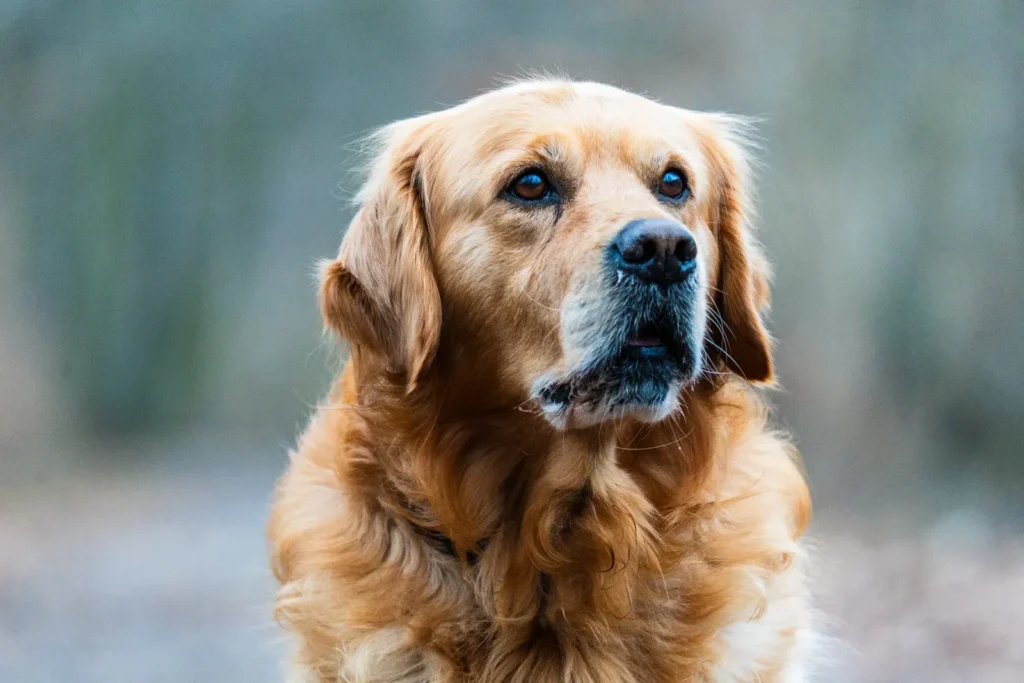
15. Golden Retriever — For Seniors Who Want a Bigger, More Active Companion
For the senior who is active, mobile, has outdoor space, and wants the experience of a larger, deeply family-oriented dog, the Golden Retriever remains one of the finest choices in the dog world. Golden Retrievers need regular exercise to stay healthy, making them better suited for seniors who enjoy daily walks and outdoor activities. Their playful and energetic nature means they’ll appreciate the opportunity to run and play, so having a backyard or nearby park can be a bonus.
The Golden’s warm, perpetually optimistic temperament makes every day feel a little bit better — they are genuinely enthusiastic about everything from walks to training to simply sitting beside you in the evening. They require more exercise, more grooming, and more space than most breeds on this list, which makes them a realistic choice only for physically capable, active seniors with the right living situation. But for those seniors — the ones who want a large, warm-hearted companion for hiking, walks, and an active retirement — a Golden Retriever is one of life’s greatest companions.
16. Coton de Tulear — The Long-Lived, Low-Shed Tropical Companion
Originally from Madagascar, the Coton de Tulear, with its long, white, cottony coat, doesn’t shed much. This hardy breed will enjoy all types of weather but is an indoor dog that thrives on human companionship. Coton can live 15 to 19 years, are easy to train, and get along with everyone including other dogs. They’re good travelers and require moderate exercise, enjoying daily walks with you.
The Coton de Tulear’s extraordinary lifespan — potentially 19 years — means that a senior who adopts one in their early 60s can realistically expect a companion who will be with them well into their 80s. That continuity of companionship is an extraordinary gift. Their cheerful, adaptable, and deeply people-oriented personality, combined with their minimal shedding and easy trainability, makes the Coton one of the most comprehensively ideal senior dog breeds available. They are simply not as well-known as they deserve to be.
17. Miniature Schnauzer — The Alert and Adaptable Senior Companion
Miniature Schnauzer is one of the best dog breeds for seniors. These dogs have a low shedding rate and do not require excessive grooming, making them easier to care for compared to higher-maintenance breeds. In addition, their compact stature makes them easier to handle and transport, while also allowing them to thrive in apartments without taking up too much space.
As their distinguished beards and bristling eyebrows suggest, Schnauzers are intelligent, alert, and protective dogs. All Schnauzers, regardless of size, tend to be pretty playful and energetic, so they’re probably best suited to more active seniors. Their wiry coats will also require some regular grooming to keep neat. The Miniature Schnauzer’s distinctive appearance — that serious, bearded face that always looks like they’ve just had an important thought — gives them extraordinary character, and their alert, watchful nature makes seniors who live alone feel quietly protected. They are best suited to seniors with moderate activity levels who can provide the daily walks and mental engagement this intelligent breed genuinely needs.
18. Maltipoo — The Gentle Hybrid That Wins Hearts at Every Age
The Maltipoo — a cross between the Maltese and the Toy or Miniature Poodle — combines the best qualities of both parent breeds into a small, gentle, hypoallergenic package that is genuinely outstanding for senior owners. Maltipoo is one of the best dog breeds for seniors. It is a small dog weighing 10 to 20 pounds and has moderate exercise needs. While these dogs do need to be brushed daily with a wire slicker brush, they can be given a “puppy cut” to reduce maintenance. Maltipoo are sensitive to their environments and thrive in homes where they are doted upon and rarely left alone for long periods, making them suitable for older people.
The Maltipoo’s sensitivity — their attunement to their owner’s emotional state, their preference for calm, loving environments — makes them particularly well-suited to the quieter rhythms of retirement life. They are not dogs who thrive in chaotic, high-traffic households; they are dogs who bloom in the kind of focused, devoted companionship that a senior living at home all day can provide in abundance. The result is a mutually enriching relationship of exceptional quality.
19. Chihuahua — Maximum Loyalty in Minimum Size
Like the Yorkie, the Chihuahua is a tiny dog with a big personality. Chihuahuas are fiercely loyal and make excellent companions for anyone in need of a devoted lap dog. Grooming needs are pretty minimal for short-haired varieties, although longer-haired Chihuahuas may require more regular brushing.
The Chihuahua’s practicality for senior owners is extraordinary: they are the lightest and smallest dog available, making them completely manageable physically; their short-haired variety requires almost no grooming; their exercise needs are minimal; and their lifespan of up to 20 years means genuine long-term companionship. The Chihuahua’s fierce loyalty — their tendency to bond with one person with an intensity that borders on devotion — is exactly what many seniors who live alone are looking for in a companion. That small body contains a heart that gives everything it has to the person it chooses, and it does it for a very long time.
20. Goldendoodle — The Hypoallergenic Teddy Bear for Active Retirees
These curly-haired cuties can vary in size, which makes them ideal for choosing a Doodle that best suits seniors’ lifestyles. They are a blend of all the best traits from Golden Retrievers — loyal, affectionate, playful — and Poodles — quick learners, easy to train, and a low-shed coat. In addition, energy levels in Doodles are average, meaning they enjoy equal parts walk time and relaxation time.
The Goldendoodle’s size flexibility is one of its greatest practical advantages for senior owners — a miniature Goldendoodle at 15–30 pounds has all the teddy bear appearance and warm Golden personality in a much more physically manageable package than a standard-sized one. Their intelligence from the Poodle side makes training genuinely easy, and their warm, joyful personality from the Golden side makes every day feel like a good one. For the active senior who wants a hypoallergenic companion with a gentle giant soul, the Goldendoodle is one of the most compelling options available.
Best Dog Breeds for Seniors: Quick Comparison
| Breed | Size | Energy Level | Grooming | Best For |
|---|---|---|---|---|
| Cavalier King Charles Spaniel | Small | Low-Moderate | Moderate | Any senior lifestyle |
| Shih Tzu | Small | Low | Moderate | Apartment living |
| Bichon Frise | Small | Moderate | Moderate | Allergy sufferers |
| Poodle (all sizes) | Varies | Moderate | High (professional) | Any lifestyle |
| Maltese | Tiny | Low | Low-Moderate | Close companionship |
| French Bulldog | Small | Low | Low | Laid-back seniors |
| Pomeranian | Tiny | Moderate | Moderate | Cheerful companionship |
| Havanese | Small | Low-Moderate | Moderate | Social seniors |
| Yorkshire Terrier | Tiny | Moderate | Low (puppy cut) | Devoted companionship |
| Pug | Small | Low | Low | Apartment living |
| Cocker Spaniel | Medium | Moderate | Moderate-High | Active apartment |
| Beagle | Medium | Moderate | Low | Active seniors |
| Pembroke Welsh Corgi | Small-Medium | Moderate-High | Moderate | Active seniors |
| Greyhound | Large | Low-Moderate | Very Low | Gentle active seniors |
| Golden Retriever | Large | High | Moderate | Very active seniors |
| Coton de Tulear | Small | Moderate | Moderate | Any senior lifestyle |
| Miniature Schnauzer | Small | Moderate | Moderate | Alert seniors |
| Maltipoo | Small | Low-Moderate | Moderate | Homebound seniors |
| Chihuahua | Tiny | Low | Very Low | Close companionship |
| Goldendoodle | Varies | Moderate | Moderate | Active allergy sufferers |

Should Seniors Adopt a Puppy or an Adult Dog?
This is one of the most practical and important questions in senior dog ownership planning, and the honest answer is that for most seniors, an adult dog is the significantly more sensible choice. When considering dog ownership, older adults should look into adopting an adult dog rather than a puppy. Puppies require a lot of energy, training, and patience, which may not be ideal for older adults. Adult dogs are often calmer and already trained, making them easier to manage.
Adult dogs — typically 2 years and older — come with enormous practical advantages for senior owners: they are house-trained, they have settled temperaments, they sleep through the night, and they don’t require the intensive supervision and management that puppies demand around the clock. Their personalities are fully formed, which means you can choose a dog whose character is a known quantity rather than a genetic lottery. And adult dogs — particularly those in shelters who may have been waiting a long time for their second chance — often form remarkably deep, grateful bonds with the senior owners who give them a home. In general, low-maintenance dogs — and not puppies — are a good way to go.
The Health Benefits of Dog Ownership for Seniors — What the Research Shows
The evidence for the health benefits of pet ownership in seniors is extensive, well-replicated, and genuinely compelling. Dog ownership can reduce stress levels and blood pressure, and lower the risk of death due to heart disease. Taking care of a dog helps seniors stick to a healthy routine and exercise daily. The act of walking a dog — even brief, gentle walks — produces measurable cardiovascular benefits that compound over time. The social interactions that dog ownership facilitates — conversations with neighbors, connections with other dog owners in parks and on walks — combat the social isolation that is one of the most significant health risks for elderly adults.
In a study of adults 60 years or older, pet owners were 36 percent less likely to consider themselves lonely than non-pet owners. Loneliness in seniors has been compared, in terms of health impact, to smoking 15 cigarettes per day. A dog who greets you every morning with tail wagging, who lies beside you in the evening, who gives you a reason to get up, get dressed, and get outside every single day is not just a pleasant addition to retirement life — they are, in a very real sense, a health intervention.
Conclusion
Choosing the right dog breed in your senior years is one of the most personally meaningful decisions you can make — because the right dog doesn’t just fill a home with warmth and noise and fur. They give shape to the days, purpose to the mornings, and company through the evenings. They bring you the specific gift of being known by a creature who couldn’t possibly care about your career history, your social standing, or anything other than the simple fact of your presence.
Dogs are wonderful companions for people of all ages — and they’re especially great for those in their golden years! In addition to providing unmatched friendship, raising a dog can even help boost a senior’s physical and mental health. The 20 breeds in this guide represent the finest options available for senior dog ownership — matched to the full range of senior lifestyles from the most active to the most relaxed. Take your time choosing. Talk to responsible breeders, visit local rescue organizations, consider an adult dog. And when you find the one that feels right — the one who looks at you with those eyes and makes your heart do the thing that hearts do — trust that feeling completely. The joy of pet companionship in retirement lies in finding a dog that balances affection, activity, and ease of care. No matter which breed you choose, the right dog will enhance your golden years in ways you can’t entirely anticipate until you’re living them. For practical tips on keeping your companion healthy and comfortable through their senior years, see our senior dog care guide.
Frequently Asked Questions
1. What is the absolute best dog breed for a senior who lives alone in an apartment? The Cavalier King Charles Spaniel, Shih Tzu, and Maltese are consistently cited as the top options for seniors living alone in apartments. All three are small, low-energy, deeply affectionate, and genuinely content with the quiet, close companionship of apartment living. The Cavalier and Maltese are both hypoallergenic advantages, while the Shih Tzu’s “puppy trim” option makes it among the most practically manageable of the three. For a complete roundup of apartment-friendly options, see our guide to the best dog breeds for apartments.
2. What is the best dog breed for a senior with allergies? The Poodle (in any size), Bichon Frise, Maltese, Havanese, Maltipoo, and Goldendoodle are all excellent choices for seniors with pet allergies or respiratory sensitivities. These breeds produce minimal dander and shed very little, making them significantly less likely to trigger allergic reactions. The Miniature Poodle is often considered the gold standard in this category — combining the hypoallergenic coat with exceptional intelligence, trainability, and a lifespan of up to 18 years.
3. Should seniors get a puppy or an adult dog? For most seniors, an adult dog is the more practical and manageable choice. Adult dogs are house-trained, have settled temperaments, don’t require the intensive 24-hour supervision of puppies, and allow you to choose a dog whose character is already a known quantity. A dog aged 2–5 years from a rescue or shelter combines the benefits of settled behavior with enough life ahead to provide many years of companionship.
4. What large dog breeds are good for seniors? The Greyhound and Golden Retriever are the most commonly recommended large breeds for seniors. The Greyhound is ideal for seniors who want a larger dog with surprisingly low energy and grooming demands. The Golden Retriever suits active seniors who enjoy daily outdoor exercise and want a warm, family-oriented companion. Both require careful consideration of the senior’s physical ability to manage a larger dog on leash.
5. How do I know if I’m physically and financially ready for a dog as a senior? Honestly assess your daily mobility and energy level, the physical demands of the specific breed you’re considering, your housing situation and whether it accommodates a dog, your financial capacity to cover veterinary care, food, grooming, and pet-sitting, and whether you have support from family or friends who could assist with care if needed. If you answer those questions honestly and the balance favors ownership, the evidence strongly suggests that getting a dog will be one of the best decisions of your retirement.

4 Comments