

15 Things You Should Never Do to Your Dog (Most Owners Are Guilty of #7)
We love our dogs. There’s no question about that. We buy them beds softer than our own, photograph them more than our children, and talk to them like they understand every word we say (and honestly, they probably understand more than we give them credit for). But here’s the uncomfortable truth — even the most devoted dog owners make mistakes. Not out of cruelty, but out of habit, ignorance, or simply not knowing better. The problem is that some of those well-intentioned habits can silently chip away at your dog’s physical health, emotional wellbeing, and trust in you.
This isn’t an article designed to shame anyone. It’s a guide to help you become the dog owner your pup already thinks you are. Because the things you should never do to your dog are sometimes the exact things that seem completely normal or even loving on the surface. Letting your dog eat table scraps, keeping them in a crate when they misbehave, giving them a light tap on the nose — these all fall into gray areas that millions of pet owners navigate every day without realizing the harm they can cause. So let’s break it down, section by section, and give you a complete picture of what to stop — and what to do instead.

Why Knowing What NOT to Do Is Just as Important as Knowing What to Do
Most dog care content focuses on the positive — what to feed, how much to walk, which toys to buy. And that’s great. But there’s a significant blind spot in how we talk about dog ownership: the harmful habits hiding in plain sight. Most people know the things that you should always do for your dog. You should walk them daily, feed them, and give them love and attention. But there are also plenty of things that you should never do to your dog in order to improve their safety, well-being, and mental health. Avoiding these pitfalls can help your dog live a longer and healthier life.
Think of it like driving a car. You learn to steer, accelerate, and use your signals — but if nobody teaches you that you shouldn’t drive the wrong way down a one-way street, the knowledge of how to drive doesn’t protect you or anyone else. Dogs can’t speak up when something bothers them the way humans can. They communicate through body language, behavior changes, and sometimes — unfortunately — through snapping or biting. The more you understand what harms them, the better equipped you are to build a safe, trusting, and genuinely healthy relationship with your companion. So let’s get into it.
Physical Mistakes That Hurt Your Dog More Than You Realize
When we talk about physically harming a dog, most people immediately picture extreme abuse. But the reality is that many physical mistakes happen on a spectrum — and the subtler ones are often the most insidious because they’re repeated daily without anyone realizing the damage they’re doing.
Never Hit or Physically Punish Your Dog
This one needs to be stated plainly, no sugarcoating: hitting your dog is never acceptable. Not a tap on the nose, not a swat on the rear, not a firm pop on the snout. None of it. Putting your hand(s) on a dog as a form of punishment is wrong. It will harm your relationship with your dog and prevent proper training. And the science on this is very clear — physical punishment doesn’t teach your dog what you want them to do. It only teaches them to fear you, and fear-based behavior tends to escalate rather than diminish over time.
Hitting or physically abusing your dog can cause fear and aggression in them. This can lead to long-term behavior problems, such as biting and other forms of aggression. Dogs who are physically abused may develop trust issues with their owners. This can make it difficult to train them and form a strong bond with them. Beyond the behavioral consequences, physical punishment can cause genuine psychological trauma. Dogs who are hit often become anxious, reactive, or shut down emotionally — and rebuilding that trust, once broken, takes a tremendous amount of time and patience. The alternative — positive reinforcement training — is not only kinder but has been proven repeatedly to produce better and more lasting behavioral results.
Never Yank or Jerk the Leash Aggressively
Leash walking is one of the most common areas where well-meaning dog owners accidentally cause physical harm. Gently pulling the leash to direct your dog is generally acceptable, but aggressively yanking or jerking the leash is NOT. When the yanking or jerking of the leash utilizes a certain degree of force, you are HURTING your dog. The neck and throat area contains the trachea, vertebrae, nerves, and major blood vessels — none of which should be subjected to repeated sharp jerking motions. Over time, this can lead to tracheal damage, cervical injuries, and chronic neck pain, especially in small breeds and puppies.
If your dog is a puller, the solution isn’t to jerk back harder — it’s to invest in a proper no-pull harness and consistent loose-leash training. A harness distributes pressure across the chest and back rather than concentrating it on the throat, which makes walks physically safer for your dog. Training takes patience and consistency, but it produces a dog who genuinely enjoys walking beside you rather than one who has learned to tolerate discomfort on every outing.
Never Force Your Dog Into Uncomfortable Social Situations
You’ve probably seen it: a dog that’s clearly frightened, cowering, ears flattened, tail tucked — and an owner who keeps pushing them toward a stranger saying, “It’s okay, he won’t bite, he’s friendly!” The dog being described isn’t always the one being aggressive. Avoid surprising them by touching them without warning or asking permission first. For example, if you want to pet them or give them a treat, ask first before touching them so that they don’t feel threatened by your actions.
Forcing a fearful or anxious dog into social situations they’re not ready for doesn’t desensitize them — it overwhelms them and can actually deepen their anxiety or trigger defensive aggression. It is never a good idea to leave your dog unsupervised with children. Dogs can end up hurting kids, and kids can end up hurting dogs if they are unsupervised. A dog that ends up biting a child can end up being euthanized, even if it wasn’t necessarily the dog’s fault. Proper socialization should be gradual, voluntary, and always guided by your dog’s comfort level — not your own social ambitions.
Dangerous Everyday Habits Dog Owners Overlook
Some of the most dangerous things you can do to your dog aren’t dramatic — they’re mundane. They’re decisions made without thinking twice, often because “everyone does it.” But frequency doesn’t equal safety.
Never Leave Your Dog Alone in a Car
This is one of those warnings that gets repeated so often it starts to feel like background noise — until something goes wrong. Leaving your dog in a hot car can be extremely dangerous and even life-threatening. Dogs are highly susceptible to heatstroke, which can occur when their body temperature rises above 104°F (40°C). In a hot car, the temperature can quickly rise to dangerous levels, leading to heatstroke and other heat-related illnesses. But beyond the heat danger, there’s another angle most people miss entirely.
Most people know not to leave their dog unattended in a hot car, but you should not leave your dog unattended in any car. Cars can heat up very quickly and get much hotter than people think, even if it feels comfortable outside. Dogs left in cars can also knock the gear-stick and even mess with the car’s systems. No matter the weather or season, a dog alone in a car is a target for thieves. That last point deserves repeating — dogs get stolen from unattended cars more often than most owners realize. No errand is worth that risk.
Never Skip Regular Vet Visits
There’s a tempting logic that goes: “My dog seems fine, so there’s no reason to go to the vet.” The flaw in that thinking is that many of the most serious health conditions in dogs — dental disease, heart problems, kidney disease, early-stage cancer — are invisible to the naked eye and barely symptomatic in their early stages. There is a time and a place for online research or to look up additional medical information for a beloved pet. But if a dog acts out of the ordinary or there are any symptoms of poor health, seeking veterinary care is of utmost importance. Never take medical matters into your own hands.
Annual wellness exams give your vet the chance to catch problems early — when they’re cheapest to treat and when your dog has the best odds of recovery. Skipping the vet because “nothing seems wrong” is a little like skipping your annual physical because you don’t feel sick. By the time symptoms are obvious, the condition has often progressed significantly.
Never Feed Your Dog These Common Toxic Foods
Sharing food with your dog is one of life’s small joys, but it carries genuine risks that many pet owners underestimate. Onion and Garlic — Allium family vegetables, which includes all onions, leeks, chives, shallots, and garlic are toxic to dogs. These foods contain compounds called disulfides and thiosulfates, which cause damage to a dog’s red blood cells when ingested. Grapes and Raisins — while grapes and raisins don’t affect all dogs, kidney failure in some has been attributed to ingestion of these fruits.
Chocolate products should be kept away from your dog. Caffeine raises blood pressure and causes cardiac arrhythmias. Thankfully, a lick or two of coffee or tea won’t poison your dog, but if they eat coffee grounds or the contents of a tea bag, you should contact your vet immediately. Xylitol — this artificial sweetener is often found in low-carb baked goods, sugar-free gum, and candy, and can also be found in household items like toothpaste, mouthwash, and cough drops. Xylitol is particularly insidious because it’s found in so many common products and causes rapid, life-threatening drops in blood sugar. Always check labels before giving your dog anything that wasn’t specifically made for them.
Training and Behavioral Mistakes to Stop Immediately
How you train your dog shapes not just their behavior, but their entire personality and emotional landscape. The training methods you choose send a constant message to your dog about whether the world is safe, whether you’re trustworthy, and whether learning is something to look forward to or dread.
Never Use the Crate as Punishment
The dog crate, when introduced properly, is one of the most useful tools in a pet owner’s kit. Dogs are naturally den animals, and a crate can become a genuine safe haven — a place your dog retreats to voluntarily when they need rest or feel overwhelmed. But that entire dynamic collapses the moment you start using it as a punishment. Unlike children, time outs don’t work for dogs. If a dog is misbehaving, putting him in a dog kennel is the wrong response. When you use the dog crate as a form of punishment, you are teaching your dog that the kennel is a bad place instead of a safe haven. You want being crated to be a positive experience for your dog, so never use it to scold or punish him.
Once a dog associates their crate with negative emotions, they’ll resist going in, become anxious when crated, and lose the one space that should always feel completely safe. The solution is simple: never use the crate as a consequence for misbehavior. If your dog does something wrong, redirect and correct the behavior in the moment, and keep the crate strictly associated with rest, calm, and positive experiences.
Never Yell at Your Dog
Raising your voice at your dog might feel like a natural response to frustration, but it achieves very little beyond frightening your pet. Yelling at your pet or around them is never a good idea. It can cause them to feel anxious and stressed out. If they misbehave, try using positive reinforcement instead — like giving them treats or petting them — so they learn what behavior you want from them instead of punishing them when they do something wrong.
Dogs respond to tone and consistency, not volume. A firm, calm “no” communicates disapproval far more effectively than shouting, and it doesn’t leave your dog trembling or confused. Chronic exposure to yelling creates a chronically stressed dog — one who may appear “submissive” but is actually suffering from ongoing anxiety. The science of animal behavior is absolutely clear on this: calm, consistent, reward-based guidance outperforms punishment every single time.
Never Ignore Your Dog’s Body Language
Dogs communicate constantly — through tail position, ear set, body posture, eye contact, and vocalizations. When we fail to read those signals, we set both ourselves and our dogs up for failure. I’d never make my dog uncomfortable for a laugh. Social media has put this impulse on steroids. It only takes a quick scroll for anybody with any knowledge of dog body language to feel devastated by these “funny” videos.
When a dog growls, it’s not being bad — it’s communicating. Punishing a dog for growling doesn’t remove the discomfort that triggered the growl; it just removes their warning system. A dog that has been punished for growling learns to skip straight to biting. Understanding signals like lip licking, yawning, whale eye (showing whites of the eyes), and stiff body posture can help you intervene before a situation escalates.

Lifestyle Neglect That Quietly Damages Your Dog’s Health
Not all harm looks dramatic. Some of the most damaging things we do to dogs happen slowly, quietly, through accumulated neglect of basic needs that are easy to forget about in the rush of daily life.
Never Skip Exercise or Mental Stimulation
A bored dog is not a happy dog, and it’s rarely a well-behaved one either. Dogs need both physical exercise and mental stimulation to thrive, and the right balance depends on breed, age, and individual temperament. Take your dog’s age, size, and physical condition into consideration. Exercise could be anywhere between a boisterous indoors play session to a romp in the park. It should be a fun and rewarding experience for everyone.
When dogs don’t get enough exercise and mental engagement, they find their own outlets — destructive chewing, excessive barking, digging, or anxious behaviors like pacing and compulsive licking. Many of the “problem behaviors” that lead to dogs being rehomed are actually symptoms of an unmet need for stimulation. Before attributing bad behavior to personality, ask yourself honestly: is my dog getting enough physical and mental exercise every single day?
Never Neglect Dental Care
Here’s a statistic that should alarm every dog owner: the American Veterinary Medical Association’s president has stated that although daily tooth brushing is advised for dogs and cats, only 2 percent of dog owners follow through. In addition, 65 percent of dogs with stage one periodontal disease often go untreated. That is a staggering number, and it has real consequences. Periodontal disease in dogs doesn’t just cause bad breath and tooth loss — the bacteria from infected gums can enter the bloodstream and cause damage to the heart, kidneys, and liver.
The good news is that dental care doesn’t have to mean a daily battle with a toothbrush. A child’s toothbrush is best for newcomers and dogs with smaller mouths. A fingertip toothbrush is also acceptable for starters. Never use human toothpaste on a dog. They can’t spit, and there are ingredients in many human toothpastes that can make a dog sick. Dental chews, water additives, and regular professional cleanings can all supplement at-home brushing and keep your dog’s mouth in far better shape than doing nothing at all.
Never Leave Your Dog Chained Outside for Long Periods
Keeping a dog chained outside as a permanent or regular living arrangement is something that many people still consider normal, but it is genuinely harmful to a dog’s physical and psychological wellbeing. Dogs need human interaction and stimulation, to be part of a family, and a measure of freedom. Being left out on a chain while the rest of your family is together indoors is simply cruel.
Dogs are pack animals, so they would prefer to spend time with their human family. If you leave them chained outside the house for a long time, you are separating them from their pack — this could lead to anxiety and depression. Dogs on chains also have no way to escape threats — other animals, aggressive people, or even extreme weather — which puts them in a state of chronic hypervigilance and stress. If outdoor space is limited, a securely fenced yard with supervised time is always a far better option.
Emotional and Psychological Harm You Might Not Know You’re Causing
Dogs have emotional lives that are far richer and more complex than many people used to believe. Modern research in animal behavior has confirmed that dogs experience fear, joy, grief, anxiety, and attachment. Which means they can be psychologically hurt in ways that leave invisible but lasting scars.
Never Tease or Scare Your Dog for Laughs
Social media has made this one particularly visible — the viral videos of owners pretending to throw a ball, putting tape on their dog’s face, or staging “pranks” that clearly distress the animal for the sake of audience reactions. I’d never make my dog uncomfortable for a laugh. I cringe whenever I see a dog-themed TikTok start to trend, because all sorts of folks will jump onto the bandwagon, like “Scare your dog to see what they do.” To us, it might look like a harmless moment of silliness. To the dog, it’s a genuine moment of fear or confusion experienced at the hands of the one person they trust most in the world.
Repeatedly teasing or startling a dog erodes their sense of security with you. Dogs who experience this kind of treatment develop a baseline anxiety around their owners — always slightly on edge, never fully relaxed. The damage to trust accumulates quietly over time, and by the time behavioral problems emerge, most owners have no idea they were the ones who caused them.
Never Use Shock Collars or Aversive Training Tools
This is a topic that still sparks debate in some dog training circles, but the science has become increasingly one-sided. Most of the things I would never do with my dog involve the use of force, pain, or fear. For example, I would never use a shock collar. There is no reason to shock your dog — not even the euphemistic low-level “stim” that shock-collar trainers try to convince you is not aversive. Studies confirm the position that force-free trainers have long held: coercive methods are likely to lead to significant behavioral issues, especially aggression.
Prong collars, choke chains, shock collars, and spray-aversive devices may suppress a behavior in the short term, but they do so through pain and fear — and they don’t address the underlying cause of the behavior. A dog trained through aversive methods doesn’t understand why a behavior is wrong; they only know that performing it results in discomfort. That’s a very different — and far less stable — foundation than training built on trust and clear communication.
One More Big One — Never Assume Your Dog Is “Fine”
Dogs are stoic by nature. Thousands of years of evolution have conditioned them to hide pain and weakness — behaviors that would make them vulnerable in the wild. This means that by the time your dog shows obvious signs of illness or injury, the condition has often been developing for a while. Would you forget to take your child or yourself to the doctor? The same logic applies to your dog.
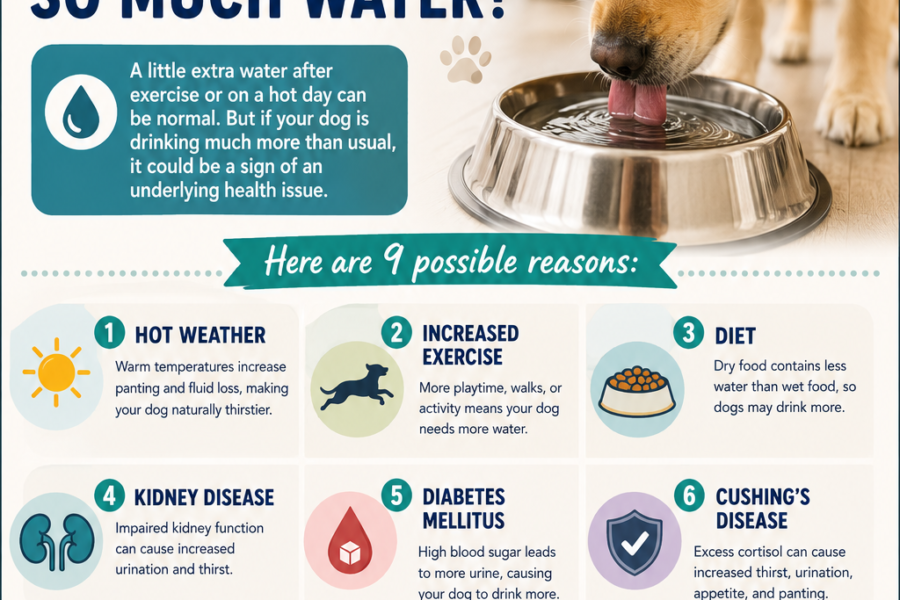
Pay attention to subtle changes: a slight decrease in appetite, less enthusiasm for walks, changes in sleep patterns, new lumps or bumps, increased drinking or urination. These “small” things are your dog’s way of telling you something isn’t right. Early signs such as frequent licking, chewing, or favoring one area are often overlooked but can indicate discomfort or injury. Discoloration, swelling, or a sudden change in behavior should prompt closer inspection. The owners who catch health problems early aren’t the ones who wait for dramatic symptoms — they’re the ones who know their dog’s baseline and notice when something shifts.

Conclusion
Loving your dog and being good for your dog are not always the same thing. That gap — between intention and impact — is exactly where the mistakes on this list live. None of the things we’ve covered require extraordinary effort to avoid. They require awareness, a willingness to learn, and a commitment to putting your dog’s genuine wellbeing above convenience, habit, or entertainment.
Stop hitting, yelling, and yanking. Stop leaving your dog in the car, skipping the vet, and feeding them off your plate without checking what’s on it. Stop using the crate as a punishment, ignoring their body language, and laughing at their discomfort. These aren’t high bars to clear — they’re the baseline of responsible, caring ownership. Your dog gives you their entire world every single day. The very least we can do is make sure we’re not inadvertently making theirs a little worse.
Frequently Asked Questions
1. Is it ever okay to physically correct my dog? No. Physical corrections — including taps, swats, or leash jerks intended to cause pain or discomfort — are not recommended by modern veterinary or behavioral science. They damage trust, can trigger fear-based aggression, and are consistently outperformed by positive reinforcement methods. If you’re struggling with a behavioral issue, consult a certified professional dog trainer (CPDT-KA) who uses force-free methods.
2. What foods should I absolutely never give my dog? The most dangerous common foods include chocolate, grapes and raisins, onions and garlic, xylitol (found in many sugar-free products), avocado, raw bread dough, macadamia nuts, and caffeine in any form. When in doubt, don’t share human food until you’ve confirmed it’s safe for dogs specifically.
3. How do I know if I’m over-relying on the crate? A general rule of thumb is that adult dogs shouldn’t be crated for more than 4 to 6 hours at a time. Puppies need to get out more frequently. If your dog is spending the majority of their waking hours in a crate, that’s a sign that their exercise, socialization, and enrichment needs are not being met adequately.
4. What should I do if my dog is showing signs of anxiety or fear? Start by identifying and removing the trigger when possible. Consult with your veterinarian to rule out any underlying medical causes for anxious behavior. Work with a force-free trainer or a veterinary behaviorist to develop a desensitization and counter-conditioning plan. Never punish fear-based behavior, as it worsens the anxiety rather than resolving it.
5. Are shock collars legal? The legality of shock collars varies by country. They are banned outright in several countries including Wales, Scotland, and parts of Germany, and are heavily restricted in others. Regardless of legality where you live, the consensus among veterinary behaviorists is that they should not be used due to the physical and psychological harm they can cause.




Leave a Comment