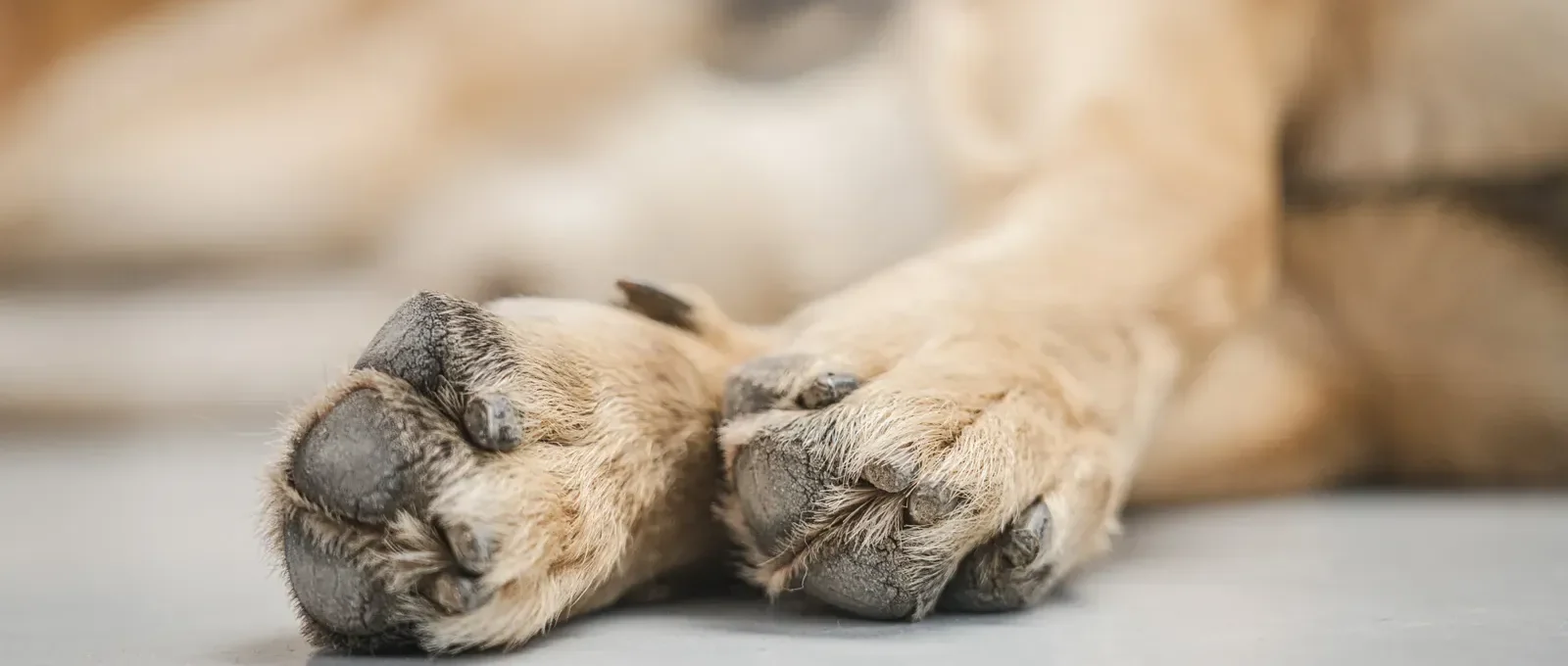

Have you ever watched your dog sprint across the backyard, leap off the porch, or skid across the kitchen floor chasing a toy — and wondered how those four little feet handle all of that? Most dog owners spend a lot of time thinking about feeding schedules, vaccinations, and grooming coats, but dog paw care often gets pushed to the back burner. And honestly, that’s a mistake that could cost your furry friend a lot of comfort. Your dog’s paws are their primary contact with the world. Every surface they touch — hot asphalt, frozen sidewalks, rough gravel, soft grass — runs through those pads first. Taking care of them isn’t just about aesthetics; it’s about your dog’s overall health, mobility, and happiness.
The good news? Proper dog paw care doesn’t require a degree in veterinary science or an expensive salon visit every week. With a few consistent habits, the right products, and a little patience, you can keep your pup’s paws in peak condition all year long. Whether you’re a first-time dog owner or a seasoned pet parent looking to level up your routine, this comprehensive guide covers everything you need to know — from daily inspections to seasonal protection and recognizing signs that something’s seriously wrong.
Why Dog Paw Care Matters More Than You Think
Let’s be real — dog paws often get noticed only when something goes wrong. Your dog starts limping, or you spot them chewing obsessively at their feet, and suddenly those little pads are front and center. But proactive paw care is far better than reactive treatment, and the sooner you build it into your routine, the better off your dog will be.
Dogs rely on their paws for everything — running, walking, jumping, and exploring. However, these active routines can take a toll on their paws, leading to dryness, cracking, or even injuries. Think of paws as the tires on a car. You wouldn’t wait for a blowout to check your tread, right? The same logic applies here. Dog paws are made up of skin, bones, tendons, connective tissue, and blood vessels. The pads, which are made up of fats and elastic fibers, help cushion your dog’s joints and bones from shock, protect tissues within their paw, and allow your dog to move around comfortably. That’s a lot of work being done by something the size of your palm.
The Anatomy of a Dog’s Paw
Understanding what makes up a dog’s paw helps you appreciate why regular maintenance is so important. Pads also help dogs tell what kind of surface they are walking on and to regulate their body temperature. So those squishy little toe beans? They’re actually multi-functional marvels of biological engineering. Paw pads are natural shock absorbers that cushion every step, especially on hard sidewalks and rough trails. They help your pooch grip the ground, support healthy posture, and protect the small bones and tendons of the feet.
Each paw also has a set of nails, hair between the toes (especially in longer-coated breeds), and the dewclaw — a vestigial fifth “toe” found higher up on the leg. Dog paws play a crucial role in your pup’s daily life, supporting their entire body weight and enduring constant pressure during activities like walking, running, and standing. They’re also essential for temperature regulation and help dogs sense the surfaces they step on, whether it’s rough gravel, slippery tile, or soft grass. In short, a healthy paw is a complex structure that deserves your attention.
What Happens When Paws Are Neglected
Neglecting your dog’s paws can lead to a cascade of health problems that go way beyond a few sore feet. When pads are injured or the nails are too long, the body must compensate, and dogs may shorten their stride, twist their legs, or avoid certain surfaces. Over time, this compensation can lead to joint stress, muscle imbalances, and even arthritis — especially in older dogs. Proper paw care, including nail trimming, protects against altered gait and weight distribution, which can lead to joint issues and even arthritis.
Beyond structural concerns, neglected paws are also vulnerable to infections. Cracked pads, trapped debris, excessive moisture from licking, and foreign objects lodged between the toes can all create entry points for bacteria and yeast. Without proper care, minor dog paw issues can escalate to chronic pain and mobility loss. The good news is that most of these problems are entirely preventable with a simple, consistent care routine.
Daily Habits That Make a Big Difference
You don’t need to spend hours every day on your dog’s paws, but a few minutes of attention each day can prevent weeks of veterinary treatment down the line. Think of it like brushing your teeth — quick, simple, but absolutely essential. Building daily paw care habits into your dog’s routine doesn’t just protect their health; it also gets them comfortable with having their feet handled, which makes vet visits and grooming sessions a whole lot easier.
How to Inspect Your Dog’s Paws the Right Way
Regular inspection is the cornerstone of good paw care. You should inspect your dog’s paws after every walk or outdoor activity. Frequent checks help identify cuts, debris, or signs of irritation early, which can prevent infection and other complications. This doesn’t have to be a big production. Simply sit with your dog after your walk and gently examine each paw, paying close attention to the pads, the space between the toes, and the nails.
Owners should look for several key indicators: cuts, scrapes, or abrasions; signs of infection like redness or swelling; and foreign objects like thorns or glass. It’s also essential to check for ticks, insect bites, and signs of irritation between the pads and toes. Early detection of small issues — a tiny splinter, a small cut, a bit of redness — can stop them from spiraling into something far more painful and costly. Early signs such as frequent licking, chewing, or favoring one paw are often overlooked but can indicate discomfort or injury. Discoloration of pads or nails, swelling, or a sudden change in texture should prompt closer inspection.
Cleaning Paws After Every Walk
Cleaning your dog’s paws after outdoor time is one of the simplest and most effective things you can do for their health. Clean the paws thoroughly after every walk, especially in muddy, snowy, or wet environments. Wipe them with a damp cloth or pet-safe wipe, being sure to clean between the toes and pads. Dry the paws completely, as moisture can lead to irritation. That last point about drying thoroughly is one many dog owners overlook — damp paws left unattended create the perfect environment for bacterial and yeast growth.
Another thing to be aware of is the fact that dogs can easily pick up traces of dust, pollen, and chemicals on their paws. They can then ingest these dangerous substances just by licking their feet. You may want to get into the habit of wiping your canine buddy’s paws down before you bring him in. A quick wipe-down station by the door — a basket with pet wipes and a small towel — makes this habit incredibly easy to maintain. Dog wipes or other moist wipes labeled safe for pet use can help clean muddy, sandy, or salty paws quickly, and are convenient to carry in a bag if you’re traveling.
Nail Trimming — The Most Overlooked Paw Care Task
If there’s one aspect of dog paw care that most pet owners dread, it’s nail trimming. Between the squirming, the whining, and the fear of cutting too deep, it’s no wonder so many people just… skip it. But letting your dog’s nails grow too long is one of the most common and easily preventable sources of canine discomfort. If you can hear your dog’s nails clicking on the floor as they walk, they’re already overdue for a trim.
How Often Should You Trim Dog Nails?
The frequency of nail trims depends on your dog’s lifestyle, breed, and how quickly their nails grow. Nail trims play a vital role in dog paw care, going beyond simple grooming. Overgrown nails can disrupt the natural angle of a dog’s toes against the ground, affecting their posture, movement, and balance. This imbalance adds strain to bones and joints, potentially worsening conditions like arthritis over time. Additionally, long nails heighten the risk of slips and falls, putting your canine friend at further risk of injury. As a general rule, nails should be trimmed every 3 to 4 weeks for most dogs, though active dogs who walk on concrete may naturally wear them down faster.
When a dog’s nails grow too long, it can lead to discomfort and health issues. Long nails alter a dog’s gait, putting undue stress on their joints and bones, possibly resulting in arthritis or other joint problems. Additionally, overgrown nails are prone to snagging and tearing, risking painful injuries and potential infections. A simple test: if your dog is standing normally and their nails touch the ground, it’s time for a trim.
Step-by-Step Guide to Safe Nail Trimming at Home
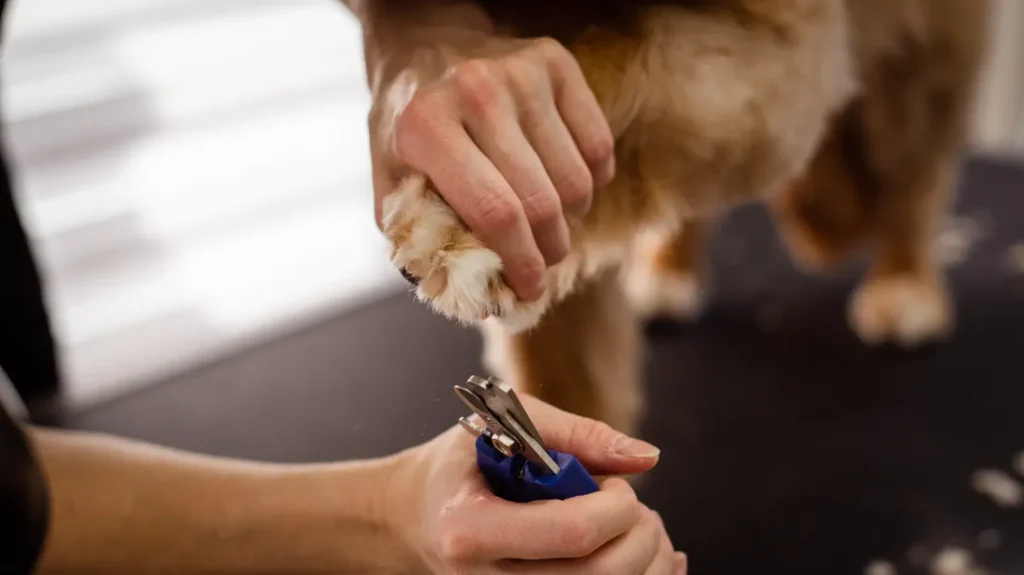
Trimming your dog’s nails at home can feel intimidating at first, but with the right approach, it becomes second nature. Getting your dog to cooperate will take some time, patience, gentle persuasion, and perhaps a few treats as incentives. Begin by gently massaging your pup’s paws. Reward him with a delicious treat when you do this. The goal is to create a positive association with the entire process long before clippers ever enter the picture. Introduce the clippers slowly — let your dog sniff them, hear the clicking sound, and get comfortable with the sight of them before you attempt any cutting.
When you are ready to trim, take a tiny slice from the tip and examine the center of the nail before taking another. In light-colored nails you will see the quick as a pale oval and should stop before you reach it, while in dark nails you can look for a small chalky center to guide safe stopping points. Take it slow, do a little at a time, and always reward your dog generously after a session. Gently extend the nail by pressing the pad and skin above it, then clip only the tip to avoid cutting the quick — this minimizes the risk of pain or bleeding.
What to Do If You Cut the Quick
Accidents happen, even to experienced groomers. If you nick the quick — the blood vessel inside the nail — don’t panic. If the quick is nicked, stay calm, apply gentle pressure with a clean cloth, and let us know so we can check for splits and teach you how to prevent future issues. Styptic powder (available at any pet store) can also stop bleeding quickly. The key is to stay calm for your dog’s sake — they read your energy, and if you panic, they will too. One small nick doesn’t undo all the positive work you’ve done building their trust around nail care.
Moisturizing and Protecting Dog Paw Pads
Think of your dog’s paw pads like the heels of your feet. Walk barefoot on rough pavement every day and your skin gets cracked, dry, and sore. The same thing happens to your dog, especially during extreme weather or high-activity periods. Moisturizing paw pads is an often-skipped step that makes a world of difference in comfort and long-term pad health.
When and How to Apply Paw Balm
Paw balm is a pet-safe moisturizer specifically formulated for dog pads, and it’s one of the most useful products in any dog care toolkit. Apply a dog-safe balm to the paw pads to prevent them from becoming dry or cracked. However, avoid over-moisturizing, as overly soft pads can become prone to cuts or tears on rough surfaces. The sweet spot is well-moisturized pads that are supple but still durable. Most vets and groomers recommend applying balm two to three times per week, or more frequently during harsh weather seasons. Always apply after cleaning and drying the paws to lock in moisture effectively.
Regular use of paw wax helps keep paw pads moisturized, reducing the risk of cracking and chafing. Many paw waxes also create a thin protective barrier that shields the pads from hot pavement, road salts, and other irritants during walks. Just be sure to choose a product that is non-toxic if ingested — because if there’s one thing dogs are guaranteed to do after you apply anything to their paws, it’s lick them.
Trimming the Fur Between the Pads
For fluffy breeds and dogs with longer coats, trimming the hair between paw pads is just as important as moisturizing. Excess fur between a dog’s toes can cause several issues if not appropriately managed. This excess fur can collect debris, dirt, and even harmful substances like gum or tar, leading to discomfort and potential skin irritations. It can retain moisture in wet conditions, creating a breeding ground for infections.
Keep the fur between the paw pads short to give better traction and to prevent debris from matting into the hair. Use grooming scissors to gently trim these areas while your dog is calm. If you’re not comfortable doing this yourself, a professional groomer can handle it during a regular grooming session. Pro Tip: Preventing mats is much better than having to shave and trim them out! The easiest way to prevent matting is to keep their coat thoroughly brushed. If you have a breed or breed mix whose coat is prone to matting and tangling, make sure to brush out their legs, feet, and between their toes frequently — especially after getting wet!
Seasonal Dog Paw Care Tips
Your dog’s paws face different threats depending on the time of year. A solid seasonal paw care strategy means you’re always one step ahead of potential problems, rather than scrambling to treat them after the fact. Think of it as switching from summer to winter tires — the same car, but different conditions require different protection.
Summer Paw Care — Protecting From Hot Pavement
Summer is beautiful for outdoor activities, but it can be brutal on dog paws. Asphalt absorbs heat at an alarming rate, and on a hot day, the pavement temperature can be 40–60°F higher than the air temperature. Protecting a dog’s paws from heat in hot climates is vital because surfaces like asphalt or concrete can become scorchingly hot. These hot surfaces can cause burns, blisters, and discomfort to a dog’s sensitive paw pads. Just as humans need shoes to protect their feet from heat, dogs need similar protection.
The golden rule for summer walks is simple: if it’s too hot for the back of your hand to rest on the pavement for 5 seconds, it’s too hot for your dog’s paws. Try to walk your dog in the morning or evening when it’s hot outside. If possible, walk on the grass. If your dog’s paws get burnt, see your veterinarian. Meanwhile, cool their paws under running water and bandage them. Paw wax can also provide some heat protection, though dog boots offer the most reliable barrier against hot surfaces.
Winter Paw Care — Ice, Salt, and Cold Weather
Winter brings its own set of paw care challenges. Ice, snow, road salts, and chemical de-icers can all wreak havoc on unprotected paw pads. Dry and cold winter air can result in cracked paws. The exposed skin on paw pads is also at risk of frostbite. Dog booties may look a bit silly, but they’re great for protecting paws from ice, snow, salt, and de-icing chemicals. Many common de-icing products use calcium chloride and sodium chloride which can hurt paws, causing blisters and sores.
Snow can also form uncomfortable ice balls between your dog’s toes. Instead of pulling the ice balls out yourself, soak a towel in warm water and massage the icy pad gently to melt and loosen the ice. After every winter walk, make thorough paw washing a non-negotiable habit to remove salt and chemical residue. Rinse paws after swimming in chlorinated pools or brackish water to prevent irritation and to remove residue that can dry the skin. Finishing up with a moisturizing balm application helps counteract the drying effects of cold air and de-icers.
Common Dog Paw Problems and How to Handle Them
Even with the best dog paw care routine, problems can still arise. Knowing what to look for — and how to respond — can prevent a minor issue from becoming a major health crisis. Consider this your field guide to the most common paw problems dog owners encounter.
Cracked and Dry Paw Pads
Cracked paw pads are one of the most common complaints, especially in dogs that spend a lot of time outdoors. Paw pads may become rough due to various factors, including exposure to rough surfaces like pavement or gravel, which wears them down over time. Dry climates can also sap moisture from the pads, leading to roughness and cracking. Mild cracking can usually be managed at home with regular paw balm application and reducing exposure to harsh surfaces. However, deep cracks that bleed or show signs of infection — redness, swelling, discharge — need veterinary attention right away.
Prevention is the best medicine here. Using protective measures such as paw wax can help maintain pad smoothness by providing a moisture barrier that prevents drying and chafing, ensuring the pads stay hydrated and healthy. Pair that with seasonal adjustments in your walking routine, and most dogs will rarely suffer from seriously cracked pads.
Excessive Licking and What It Means
If your dog is constantly licking or chewing at their paws, don’t dismiss it as a quirky habit. If the licking is intense and constant, there might be underlying health issues. These include injuries and pain, allergies, dermatitis, or parasites like lice or fleas. Some dogs may even lick their paws when the pain is in a different part of their body. Sometimes the licking could be a behavioral issue like anxiety or obsessive compulsive behavior.
Consistent licking could signal pain, an irritant, or an infection. Moisture from constant licking may lead to bacterial or yeast infections, making it essential to address any unusual licking promptly. Start by thoroughly examining the paws for visible injuries or debris. If you don’t find a clear cause, a vet visit is warranted. Allergies. Some dogs may have contact allergies to certain types of grass. Dogs can also have seasonal allergies to pollen and trees, which can lead to swollen paws. Keeping their paws clean will help to prevent this.
Dog Boots and Protective Gear — Do They Really Work?
Dog boots have gone from novelty item to serious paw protection tool, and the range of options available in 2025 is impressive. But do they actually work? The short answer: yes — if you choose the right type and introduce them properly. In 2025, more owners are recognizing the value of specialized boots and protective aids, not just for harsh weather, but as part of everyday wellness. Lightweight boots are ideal for daily walks in urban areas, shielding your dog paw from hot pavement, sharp debris, or road chemicals.
The key challenge with dog boots is the introduction process. Most dogs don’t take kindly to having things strapped to their feet at first, and you’ll likely be treated to a very dramatic high-step walk the first time you try them out. Patience, positive reinforcement, and short trial periods are essential. Many senior dogs wear these boots for extra traction around the home. To allow for airflow around the paw pad, simply use a hole puncher to punch one or two holes in the bottom of the bootie. While this does take away the waterproof feature of the boots, it allows for longer indoor wear without stinky or sweaty paws. Once your dog is comfortable wearing them, boots can be genuinely life-changing for paw protection in extreme conditions. Combine boots with a high-quality paw balm for layered protection that keeps pads safe in virtually any environment.
When to Call the Vet About Your Dog’s Paws
Knowing when to handle paw issues at home and when to escalate to a veterinarian is a critical skill for every dog owner. Minor cuts, surface-level dryness, and small amounts of debris are generally manageable at home with basic first aid and care. But there are specific signs that should send you straight to the vet without delay.
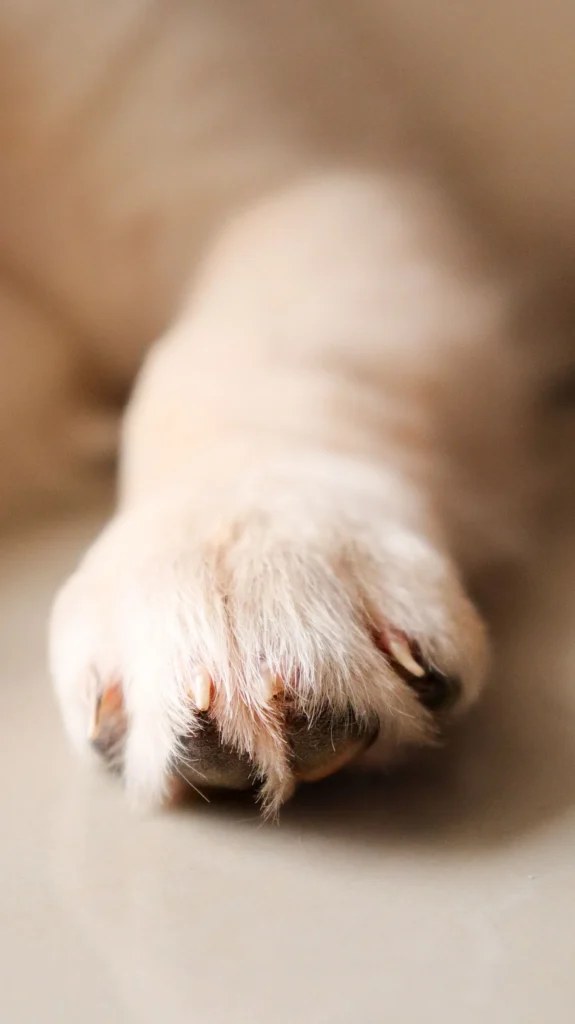
Watch for signs like bleeding, limping, or discoloration on your dog’s paws. Reluctance to walk or excessive licking can also indicate an issue. Injuries may result from sharp debris, hot pavement, or chemicals. Deep lacerations, puncture wounds, or injuries that don’t stop bleeding after a few minutes of pressure need professional care. Signs of infection — swelling, warmth, foul odor, pus — also require veterinary treatment, as infections can spread rapidly. Paw pads may require moisturizing care if they appear cracked or dry. Any abnormalities, especially those causing discomfort or not healing quickly, should be evaluated by a veterinarian.
If your dog has suddenly started limping with no visible cause, or if they’re extremely sensitive to having a specific paw touched, there may be an internal injury — a fractured toe, a torn nail, or deeper tissue damage — that isn’t visible from the outside. Trust your instincts as a pet owner. You know your dog’s baseline behavior better than anyone, and a significant change in how they walk, stand, or interact with their paws is always worth investigating with a professional.
Conclusion
Dog paw care might not be the most glamorous aspect of pet ownership, but it’s one of the most impactful things you can do for your dog’s comfort, mobility, and long-term health. Think about it from your dog’s perspective — they walk on these four little platforms every single day, navigating every surface, temperature, and terrain you throw at them without complaint. The least we can do is return the favor with a little consistent attention.
Start small if you’re new to all of this. Build the habit of a quick daily inspection and post-walk wipe-down. Establish a nail-trimming routine and make it a positive experience with plenty of treats and patience. Apply a good paw balm a few times a week, trim the inter-pad fur when it gets shaggy, and swap in protective boots during harsh seasonal conditions. These aren’t dramatic changes — they’re small, sustainable habits that compound into a lifetime of healthier, happier paws for your dog.
Your dog gives you unconditional love every day. A few minutes of paw care is a pretty small price to pay for keeping them comfortable enough to keep doing it.
Frequently Asked Questions
1. How often should I moisturize my dog’s paw pads? Most veterinarians recommend applying a dog-safe paw balm two to three times per week under normal conditions. During harsh winter or summer months, you may want to apply it daily or after every walk to combat the drying effects of cold air, road salt, or hot pavement.
2. Is it safe to use human lotion on dog paws? No — human lotions often contain fragrances, preservatives, and active ingredients like lanolin or alpha hydroxy acids that can be harmful if ingested by your dog. Always use products specifically formulated for dog paw care, and confirm they are non-toxic in case your pup licks their paws.
3. How do I know if my dog’s nails are too long? The clearest sign is an audible click-click sound when your dog walks on hard floors. Visually, if the nails extend past the tip of the toe and appear to touch the ground when your dog is standing normally, they need to be trimmed. Overgrown nails can alter gait and contribute to joint issues over time.
4. Can I walk my dog on hot pavement in the summer? You should avoid walking your dog on asphalt or concrete during peak heat hours (typically 10 a.m. to 4 p.m.) in summer. Use the 5-second hand test — press the back of your hand against the pavement for 5 seconds. If it’s too hot for your hand, it’s too hot for paws. Opt for early morning or evening walks, grassy areas, or use protective dog boots.
5. What does it mean when my dog constantly licks their paws? Occasional paw licking is normal grooming behavior, but constant or intense licking is a red flag. It can indicate allergies (environmental or food-related), a foreign object lodged in the paw, a fungal or bacterial infection, skin irritation, pain from an injury, or even anxiety. If the licking is persistent, consult your veterinarian to identify and treat the underlying cause.


Leave a Comment