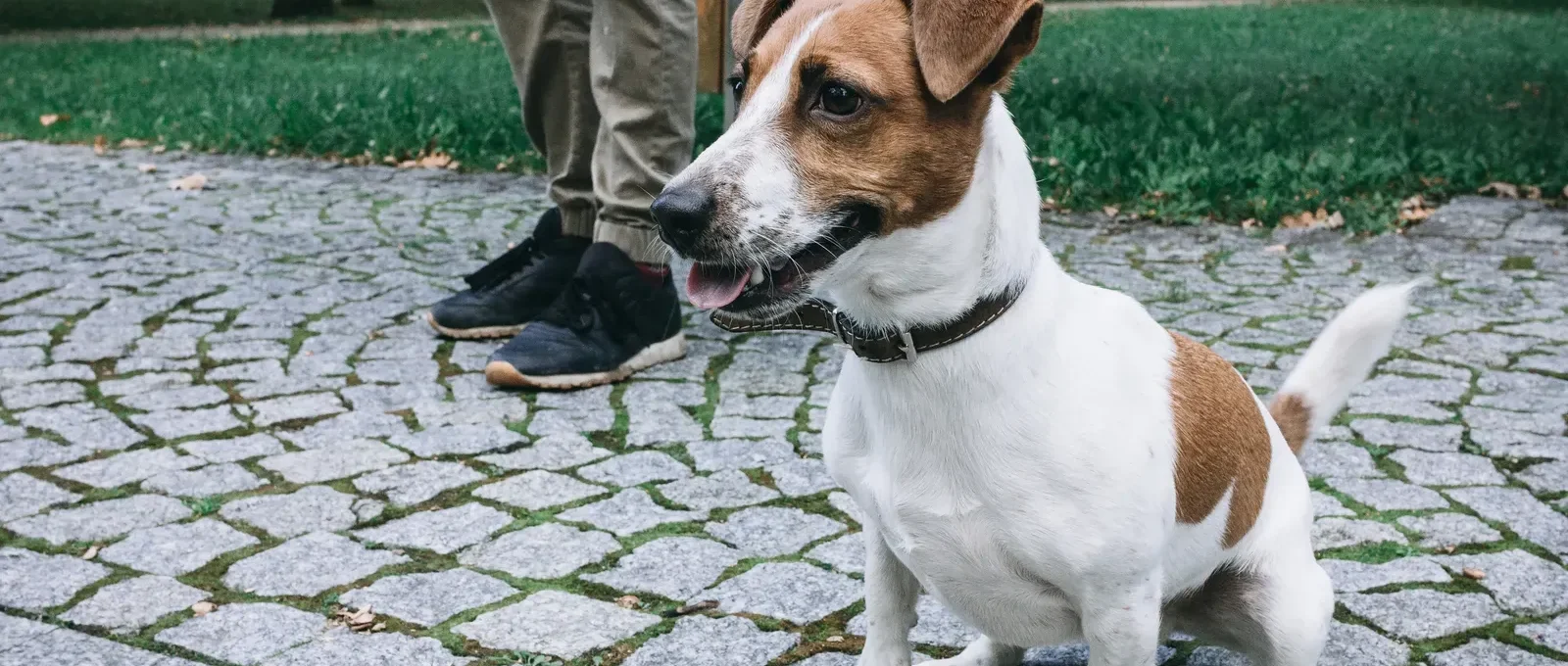

Your Dog’s Shadow: Adorable Devotion or Something More?
You stand up from the sofa — your dog stands up. You walk to the kitchen — your dog trots behind you. You head to the bathroom — your dog is right there at the door, possibly trying to squeeze through before you close it. You’ve tried to remember the last time you walked from one room to another in your own home without a four-legged escort, and you honestly can’t. Sound familiar? If you share your home with a dog who is your constant, devoted, occasionally inconvenient shadow, you’ve stumbled onto one of the most common — and most endearing — questions in all of dog ownership: why does my dog follow me everywhere?
Your dog follows you everywhere because you are the center of their social world. Dogs are pack animals hardwired for companionship, and after thousands of years of domestication, they’ve evolved to see their human as their primary source of safety, food, and emotional connection. That shadow trailing you from room to room isn’t a behavioral flaw — it’s one of the deepest expressions of the human-canine bond. But as comforting as that explanation is, it’s also incomplete — because the reasons dogs follow their owners vary dramatically from individual to individual, breed to breed, and life stage to life stage. Some following behavior is pure, uncomplicated love. Some is habit. Some is boredom. Some is anxiety. And some is a genuine health signal that deserves veterinary attention.
This comprehensive guide unpacks every dimension of the question — the evolutionary science, the specific psychological and behavioral reasons, the important distinction between healthy attachment and problematic separation anxiety, and practical strategies for managing following behavior that has become overwhelming. By the end, you’ll understand your canine shadow more completely than you ever have before.
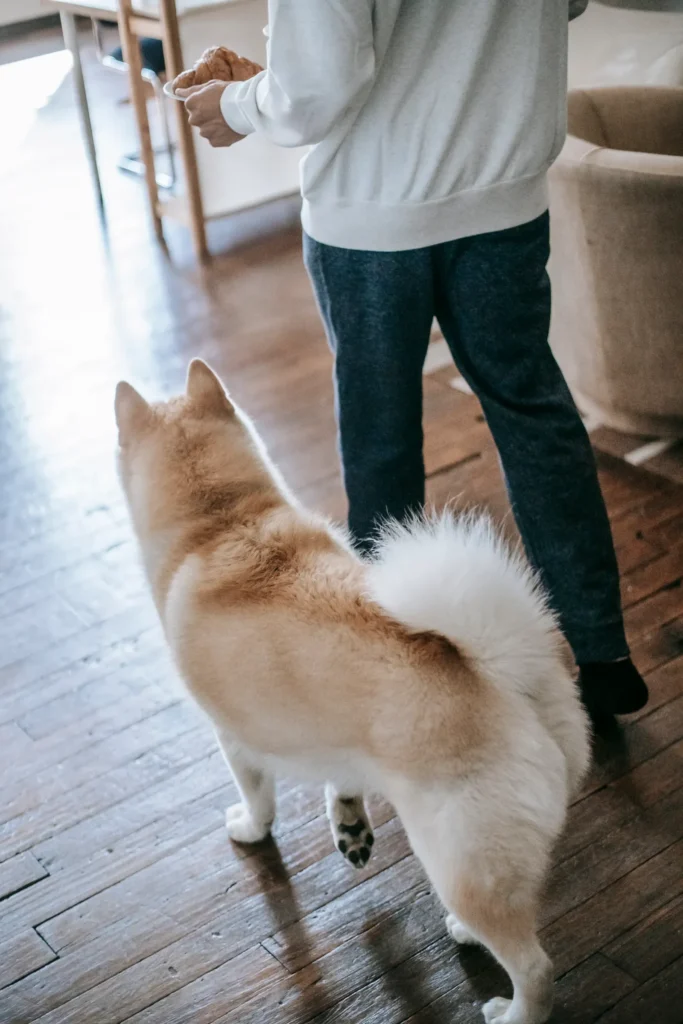
The Evolutionary Science Behind Why Dogs Follow Their Humans
Understanding why your dog follows you begins not in your living room but in the prehistoric past — in the gradual, remarkable evolutionary process that transformed a wild predator into the world’s most devoted companion animal. This story is one of the most fascinating in all of evolutionary biology, and it explains everything about the behavior you observe every day.
From Wolf Pack to Human Shadow: The Genetic Story
Dogs were first domesticated at least 15,000 years ago. They went from being wolves living in packs to dogs living in packs with humans. The story of velcro dogs begins roughly 15,000 to 40,000 years ago, when wolves first started associating with human camps. Dogs didn’t just learn to tolerate humans — they evolved a genetic predisposition to actively seek us out. Over thousands of generations of selective breeding and co-evolution, the dogs that were most attuned to human presence, most responsive to human cues, and most motivated to maintain proximity to their human companions were the ones that thrived. The behavior you experience as your dog following you to the kitchen is the living expression of tens of thousands of years of evolutionary pressure selecting for exactly that tendency.
Dogs acting like a shadow is a canine behavioural instinct backed by science and genetics. Following around the ‘alpha’ dog is a key survival instinct that comes from wolves travelling in packs. Your dog staying close to you means in their eyes, you are the leader. You can’t be a pack animal without a degree of sociability, so no wonder your dog wants to roam with you from room to room — it’s in their genes. This isn’t a behavior you accidentally created or inadvertently reinforced — it’s a hardwired evolutionary inheritance that domestication deepened and human breeding selection amplified further over the centuries.
The Oxytocin Bond: Why Being Near You Feels Good
Beyond the evolutionary story, there’s a compelling neurochemical reason why your dog follows you — and it involves the same hormone responsible for human bonding, love, and trust. Being close to their owner boosts a dog’s mood. Cuddling, sitting up against you, licking and looking into your eyes actually releases oxytocin, the bonding hormone that increases trust — for the human, too! Oxytocin — sometimes called the “love hormone” or “bonding hormone” — is released in dogs during positive social contact with their humans, creating a neurochemical reward loop: being near you feels biochemically good, which motivates your dog to stay near you, which releases more oxytocin, which reinforces the proximity-seeking behavior. It’s one of nature’s most elegant bonding mechanisms, and it operates continuously in your relationship with your dog.
According to fear-free certified dog trainer Kim Wegel, dogs derive security from being around their owners — not just because we offer good things, but because we provide cues about what to do and how to respond. This is a nuanced and important insight: your dog isn’t just following you for food, attention, and cuddles — they’re also following you for information. You’re their primary source of guidance about how to interpret and respond to the world around them. When you’re calm, they can be calm. When you react to something, they watch your reaction to calibrate their own. You are their emotional anchor and their behavioral compass simultaneously.
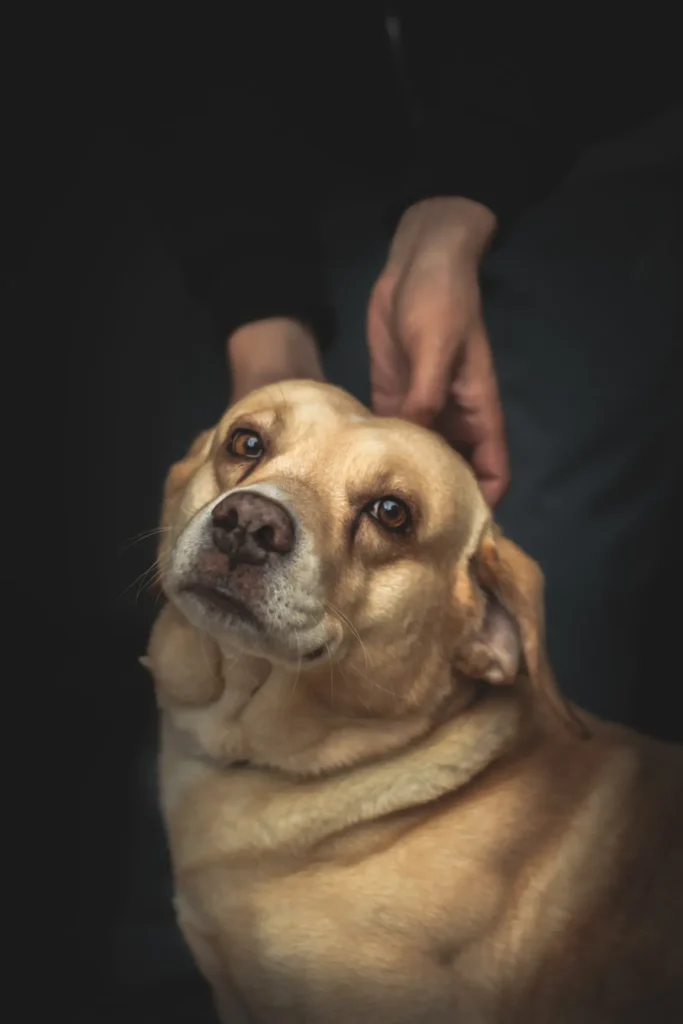
10 Specific Reasons Your Dog Follows You Everywhere
With the evolutionary and neurochemical foundations established, let’s get specific. There are at least 10 distinct reasons your dog might be shadowing your every move — and understanding which one (or which combination) applies to your dog is the key to responding appropriately.
1. Pure Love and Attachment
Let’s start with the most wholesome reason, because sometimes the simplest explanation is the right one: your dog follows you because they genuinely love you and want to be near you. One of the biggest reasons that humans bred dogs was for companionship. For this reason it is easy to see why your dog might follow you everywhere. The human-dog relationship is one of the most profound inter-species bonds on Earth, and for many dogs, that bond expresses itself most naturally through physical proximity. When your dog chooses your company over every other option available to them — the comfortable bed in the corner, the sunny patch by the window, the interesting smells in the garden — they’re making a deliberate choice that you are the most appealing thing in their environment. That’s love, expressed in the language of a social animal whose deepest instinct is to be near the beings who matter most to them.
2. You Are Their Pack Leader and Security Source
Dogs derive security from being around their owners — not just because we offer good things, but because we provide cues about what to do and how to respond. In your dog’s world, you are the reliable, consistent, trustworthy presence that makes everything else make sense. When the environment presents something unfamiliar, potentially threatening, or simply ambiguous, your dog looks to you for guidance on how to interpret and respond to it. Staying close to you means staying close to the information source, the decision-maker, and the protector. Many dogs are scared of certain noises, like fireworks or thunderstorms, and may cling to their pet parents during these times. Our dogs see us as their protectors and staying near to us helps to calm them and make them feel safe. In this sense, your dog following you is deeply functional — not just emotionally satisfying but practically adaptive, providing them with real-time access to the guidance they rely on.
3. Positive Reinforcement: You Rewarded the Behavior
Here’s the reason that surprises most owners — and the one that puts the most responsibility squarely in your hands. A dog often follows his humans around because he received attention or some other form of reward in return for this behavior. If following their pet parent around leads to treats, play time, or pets, dogs will remember and perform the behavior more frequently. You may have been inadvertently training your dog to follow you for years without realizing it. Every time your dog appeared at your side and you pet them, spoke to them, offered a treat, or simply acknowledged their presence with a smile — you reinforced the following behavior. Dogs are exquisitely good at identifying patterns. Dogs are excellent at identifying patterns. If every trip to the kitchen includes a snack for them, guess where they’ll always be?
“If every time you are with your dog, he gets affection or treats, he’s likely to follow you around more often,” says Dr. Rachel Barrack, a licensed veterinarian. If you’re flattered by this affection, and reward your dog for being clingy, you’re sending them a message that the behavior is welcome. This doesn’t make the following behavior bad or the reward wrong — it simply means that if you want to modify the intensity of the following, you’ll need to shift when and how you deliver attention and rewards.
4. Puppy Imprinting
“Young puppies anywhere from birth to 6 months of age can often imprint on their owners and look to them as they would their mother,” says Dr. Rachel Barrack, a licensed veterinarian certified in veterinary acupuncture. The imprinting process — where young animals form deep, lasting bonds with their primary caregivers during critical early developmental periods — produces some of the most intensely following-prone dogs because the attachment formed during those first weeks and months is neurologically deep and extraordinarily durable. If you raised your dog from puppyhood, the following behavior you see in them as adults is in part the expression of an imprinted bond formed when they were most neurologically impressionable. The reasons for velcro-like behavior vary, from instinct, especially if you raised your dog from their puppy years, to looking for guidance.
5. They’re Bored and You’re the Entertainment
Dogs can get bored if they’re not given enough mental and physical exercise. Since they’re looking for something to do they’ll leap up and follow you around wherever you go. You’re their main source of entertainment, so if your dog gets excited when following you around it may be a sign that he’s bored and looking for something to do. A dog without adequate mental stimulation and physical exercise has surplus energy and attention that needs somewhere to go — and you, with your constant movement, interesting activities, and reliable capacity to produce food, attention, and play opportunities, are the most stimulating thing in their environment. This boredom-driven following is distinguishable from attachment-driven following by the quality of your dog’s engagement: a bored follower tends to be alert, bright-eyed, and hopeful; an attachment follower tends to be calm and simply content to be near you regardless of whether anything interesting is happening.
6. They Think Food Is Coming
Does your dog seem especially glued to your side around breakfast or dinner time? They might just be using their internal clock and nose to remind you that food time is near. Dogs can learn that certain sounds — like opening a cabinet or rustling a bag — mean treats are coming. Dogs have an extraordinary capacity to learn associations between specific sounds, movements, and outcomes — and they are particularly motivated to monitor and follow the person who controls access to food. The shuffle toward the kitchen at mealtimes, the particular way you reach for certain cabinet handles, even the specific shoes you put on before going to the store where you might buy treats — your dog has catalogued an extraordinary number of behavioral cues associated with the possibility of food, and they follow you partly to position themselves optimally when those cues appear.
7. Fear or Anxiety
Dr. Denenberg believes anxiety and the need to feel supported by their owner is the No. 1 reason dogs follow their humans. Your dog may be staying close to you as a coping mechanism to ease their nerves. This is a critically important distinction: not all following behavior is joyful and attachment-driven. For some dogs, following is a stress management strategy — proximity to their trusted human reduces their anxiety by providing the reassurance and security they need to feel comfortable. A dog who is generally anxious, environmentally fearful, or who has had a stressful recent experience may increase their following behavior dramatically as a coping response. Many dogs are scared of certain noises, like fireworks or thunderstorms, and may cling to their pet parents during these times.
8. Health Changes or Aging
Older dogs may follow their owners purely out of familiarity and habit. However, if this is a new behavior, it may also indicate that things are changing for your dog. Perhaps your dog is starting to lose their hearing or vision. Or they have started to have joint problems, so they are less independent than they were. Other dogs experience a mental decline — much like Alzheimer’s in people — that makes them become clingy. This is one of the most important and most frequently overlooked causes of suddenly increased following behavior. “A dog that suddenly becomes very clingy may be suffering from a physical ailment and keeping you in reach for comfort. A checkup by the veterinarian is a good idea if this happens,” says Dr. Jerry Klein, Chief Veterinary Officer for the AKC. If your dog has been reliably independent for years and suddenly begins following you more intensely, resist the temptation to chalk it up to affection and schedule a veterinary check instead.
9. Breed Instinct
Wegel says some breeds are naturally inclined to stick close to their humans. Breeding history has an enormous influence on following tendency. Dogs bred for close partnership with humans — hunting dogs, herding dogs, companion breeds, livestock guardian dogs — have centuries of selective pressure for attentiveness to human presence built into their genetics. Some dogs, such as lap dogs and working breeds, may be more prone to clingy behaviors. Companion type breeds such as Terriers, Chihuahuas, Labs, and Golden Retrievers are also known to be quite clingy. For these breeds, following is not a behavioral problem or a sign of anxiety — it’s a fundamental expression of the traits they were bred for over generations.
10. Rescue Background and Past Insecurity
Some dogs’ clinginess might stem from rough pasts. Dogs who experienced neglect, abandonment, or inconsistent care in the past might become clingy as they learn to trust and feel secure. Rescued or rehomed dogs, for example, might be prone to forming strong bonds of affection with their new family members. A rescue dog who has experienced instability, abandonment, or neglect may follow their new owner with particular intensity because consistent, reliable human presence is the thing they were most deprived of. The following behavior in these dogs often reflects both genuine gratitude and attachment alongside underlying insecurity — a need to confirm repeatedly that this safe, warm situation is real and lasting. With time, consistency, and appropriate training, most rescue dogs gradually develop the confidence to tolerate greater independence.
Velcro Dogs: Understanding the Clingy Dog Phenomenon
The term “velcro dog” has entered mainstream pet culture as the affectionate descriptor for dogs whose attachment to their humans reaches particularly intense levels of proximity-seeking. Understanding the velcro dog phenomenon — what defines it, which breeds are most prone to it, and what it means for life with your dog — provides important context for all the following behavior discussed in this guide.
What Is a Velcro Dog?
A “Velcro dog” is a clingy dog who wants to be where you are, no matter what and no matter where. Many of these dogs follow their owners from room to room, even into the bathroom. Velcro dog breeds typically exhibit several distinctive behaviors: shadow behavior — following their owners everywhere including to the bathroom; physical contact — constantly seeking to be touching their human companions; distress when separated; intense greeting rituals — acting as if you’ve been gone for years, even if it’s just been minutes; constant attention-seeking; and vigilant monitoring of their owners’ movements at all times.
The key characteristic of a true velcro dog is the consistency and intensity of the proximity-seeking — it’s not a sometimes behavior triggered by specific circumstances, but an all-the-time orientation toward maximum closeness with their person.
Dog Breeds Most Likely to Follow You Everywhere
The Vizsla is widely considered the most Velcro dog breed due to its intense need for human companionship. Hungarian Vizslas have earned the nickname “velcro dogs” within the hunting dog community due to their exceptional attachment to their owners. Historically bred to work in close cooperation with hunters, Vizslas were selected for their attentiveness and desire to remain near their handlers. Beyond Vizslas, other notably velcro breeds include French Bulldogs, Papillons, Chihuahuas, Doberman Pinschers, Maltese, Shetland Sheepdogs, Dachshunds, Italian Greyhounds, and Yorkshire Terriers. You’ll also find Boxers, Bichon Frises, Cavalier King Charles Spaniels, Poodles, Cocker Spaniels, and Mini Australian Shepherds on lists of clingy breeds.
Some of the most common dog breeds associated with being overly attached to their owners are Chihuahuas, Vizslas, Doodle mixes, Pugs, Shih Tzus, and Bulldogs. Golden Retrievers, Yorkies, Boston Terriers, and German Shepherds also often come up on lists of clingy pups. However, this doesn’t mean if you have one of these breeds they’re automatically a Velcro dog. Breed tendency is a predisposition, not a guarantee — individual personality, upbringing, training history, and life experience all shape the actual following behavior of any specific dog.
The Critical Distinction: Normal Following vs. Separation Anxiety
This is the most important distinction in the entire guide — the difference between a healthy, well-adjusted dog who loves your company and a dog who is experiencing genuine psychological distress in the form of separation anxiety. Getting this distinction right determines whether your response is simply appreciating a devoted companion or seeking professional behavioral help for a dog in genuine distress.
Signs of Healthy Velcro Behavior
When you leave your home, a healthy Velcro/clingy dog quietly waits for his owner to return. If he destroys the home and/or injures himself when you’re not in his sight, it’s a problem. The main difference between velcro dogs and dogs with separation anxiety is the anxiety itself. Velcro dogs want to be close to their owner, while dogs that suffer from separation anxiety panic when they’re away from their owner. A healthy velcro dog follows you because they prefer your company — not because they cannot emotionally function without it. They may look out the window when you leave, settle on their bed, and wait contentedly for your return. They can be left alone without it becoming a crisis event.
Whether your own dog’s following behavior is cause for concern comes down to a simple distinction: Does your dog prefer to be with you or are they unable to be without you? This question cuts through all the complexity and gets to the behavioral heart of the matter. Preference is healthy and normal. Inability is a clinical concern that deserves professional attention.
Warning Signs of Separation Anxiety
“While lots of dogs follow their owners from room to room and show preference for one human vs. another, there are a few signs that we consider to be indicative of a larger attachment disorder, like clinical separation anxiety,” explains Wegel. Separation anxiety is a panic disorder where dogs experience intense stress and panic when left alone. Signs that your dog’s following has crossed from healthy attachment into separation anxiety include destructive behavior specifically occurring when left alone (chewing, digging, destroying items near doors or windows); vocalization such as barking, howling, or whining that begins when you prepare to leave and continues during your absence; indoor elimination despite being fully house-trained — occurring only when alone; self-injurious behavior such as excessive licking or chewing that causes wounds; frantic greeting behavior that takes many minutes to settle after your return; and visible distress signals (panting, drooling, trembling) that begin before you leave when they detect your departure preparation.
If your dog gets anxious when they’re unable to follow you around, they have separation anxiety, not just velcro dog syndrome. If you notice any of these signs occurring consistently, Wegel advises you to seek professional help from a veterinarian, veterinary behaviorist, or certified canine behavior consultant. Separation anxiety is a genuine anxiety disorder — not a training failure or a discipline problem — and it responds best to a combination of behavioral modification, environmental management, and sometimes anti-anxiety medication prescribed by a veterinarian.
Why Does My Dog Follow Me to the Bathroom? (Yes, That Too)
Let’s address the specific scenario that makes virtually every dog owner laugh, roll their eyes, or both: the bathroom follower. Your dog’s insistence on accompanying you to the one room where human social convention most firmly establishes a reasonable expectation of privacy is both universally reported and genuinely bewildering to most owners. Why on earth does your dog need to be present for this particular activity?
The answer is entirely consistent with everything we’ve explored in this guide — there is nothing special or strange about the bathroom from your dog’s perspective. It’s simply another room you’re going into, and the same impulse that drives them to follow you to the kitchen, the bedroom, and the garden drives them to follow you there. It’s in a dog’s nature to follow their favourite person around everywhere, from the lounge to the bedroom, and even to the toilet. Your dog experiences no cultural awkwardness about this room. They have no concept of privacy as a social norm. From their perspective, you’re simply moving to another location, and their preferred orientation — close to you — applies equally everywhere.
There’s also a practical component to consider: Sometimes the reason is simple: your dog loves you and wants your attention! If following you has earned them pets, treats, or conversation in the past, they’ve learned that sticking by your side equals reward. Many dogs receive particular attention in the bathroom — owners talk to them, pet them, or at least acknowledge them while otherwise occupied — which reinforces the bathroom-following behavior specifically.
When Should You Be Concerned About Your Dog Following You?
If your dog has always been a confident, independent dog and has suddenly become clingy, there’s a good chance they are trying to tell you something. Sudden, unexplained changes in following behavior in a previously independent dog are the most important flag to take seriously. “A dog that suddenly becomes very clingy may be suffering from a physical ailment and keeping you in reach for comfort. A checkup by the veterinarian is a good idea if this happens,” says Dr. Jerry Klein, Chief Veterinary Officer for the AKC.
Older dogs may follow their owners purely out of familiarity and habit. However, if this is a new behavior, it may indicate that things are changing for your dog. Perhaps your dog is starting to lose their hearing or vision. Or they have started to have joint problems. Other dogs experience a mental decline — much like Alzheimer’s in people — that makes them become clingy. If you notice that your senior dog has suddenly started to follow you around, schedule a veterinary visit to look for the underlying problem. Concern is also warranted when the following behavior reaches a level that causes safety issues — a dog who is constantly underfoot while you’re cooking, climbing stairs, or carrying heavy items creates genuine fall and injury risk for both of you. And when the following tips into the anxiety territory described above — destruction, vocalization, elimination, and distress during your absence — professional behavioral intervention is clearly indicated.
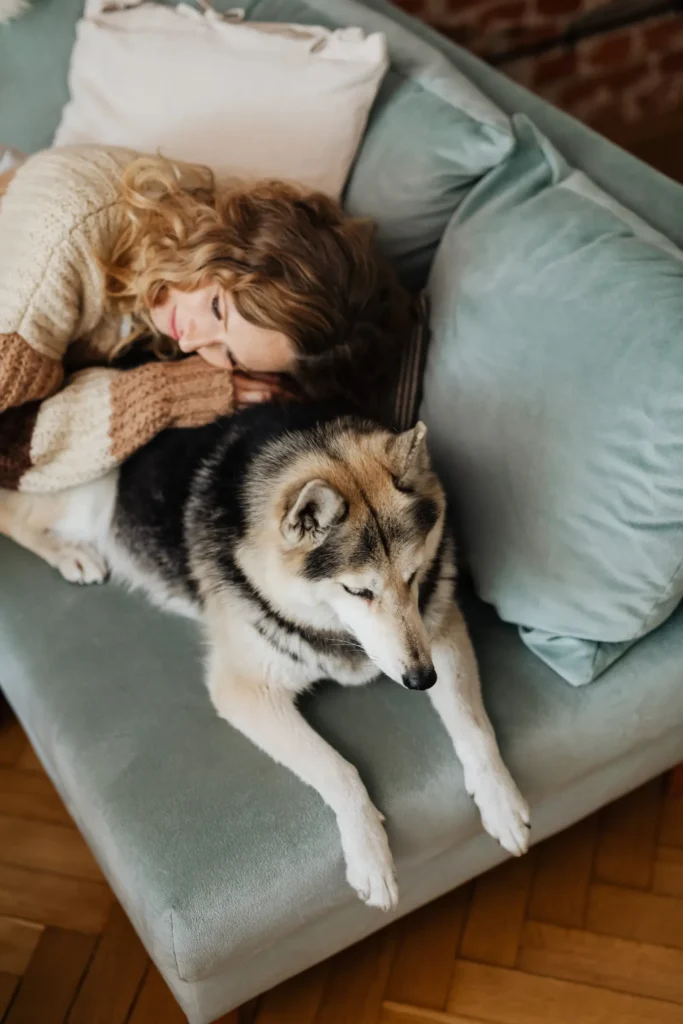
How to Encourage Healthy Independence in a Velcro Dog
If your dog’s following behavior has become overwhelming, inconvenient, or has tipped toward anxiety-driven territory, there are well-established strategies for building their independence and confidence without damaging the bond between you. The goal is not to reject your dog’s love but to expand their emotional range so they can be happy both with you and without you.
Reward independence: When your dog settles on their own bed or chews a toy without being next to you, praise them or toss a treat. Reinforce the behavior you want to see more of. Use puzzle feeders and enrichment toys: Kongs, snuffle mats, and lick mats give your dog a reason to stay occupied somewhere that isn’t your shadow. Establish a “place” command: Teach your dog to go to a specific bed or mat and stay there — this gives them a job and a sense of security tied to a location, not a person. Avoid dramatic departures and arrivals: Keep your exits and returns low-key. Big emotional goodbyes teach your dog that leaving is a big deal. Ensure adequate exercise: A tired dog is a calmer dog.
Don’t make a big deal about leaving. Don’t make a big deal about returning home. Give the dog breaks throughout the day so it’s away from you, advises Jennifer, head dog trainer at Top Paw K9 Academy. Gradually teaching your dog to tolerate and eventually feel comfortable with increasing degrees of separation — starting with just a few feet, then another room, then brief alone time — builds the emotional capacity for independence through graduated, positive exposure rather than abrupt or forced separation. If you notice any of these signs occurring consistently, seek professional help from a veterinarian, veterinary behaviorist, or certified canine behavior consultant.
Quick Reference: Reasons Dogs Follow and What to Do
| Reason | Signs | What to Do |
|---|---|---|
| Pure love and attachment | Calm, content following; happy to be near | Enjoy it — this is healthy bonding |
| Pack/security instinct | Increased following in new situations | Normal; provide reassurance |
| Positive reinforcement | Following intensifies when treats appear | Shift rewards toward independent behavior |
| Puppy imprinting | Consistent following from young age | Normal; gradually build independence |
| Boredom | Alert, hopeful following; easily redirected | Increase exercise and mental stimulation |
| Food anticipation | Follows most intensely at mealtimes | Consistent feeding schedule; ignore following |
| Fear or anxiety | Trembling, panting, stress signals while following | Identify triggers; consult vet or trainer |
| Health changes | Sudden new following in previously independent dog | Veterinary examination promptly |
| Breed instinct | Natural velcro breed behavior | Accept and manage; build independence gradually |
| Rescue insecurity | Intense following in newly adopted dog | Patience, consistency, gradual independence building |
| Separation anxiety | Destruction, vocalization, elimination when alone | Professional behavioral help required |
Conclusion
The next time your dog appears at your feet within three seconds of you standing up, tails it down the hallway behind you, or gazes up at you with those adoring eyes as you attempt to close the bathroom door — you’ll understand, with remarkable completeness, what’s actually driving that behavior. That shadow trailing you from room to room isn’t a behavioral flaw — it’s one of the deepest expressions of the human-canine bond. Tens of thousands of years of evolution, neurochemistry, selective breeding, learned associations, and genuine emotional attachment have conspired to make your dog the most devoted companion you could possibly imagine — one whose greatest desire, in most cases, is simply to be near the person who is their entire world.
The responsibility that comes with this devotion is twofold: appreciate and honor it for the extraordinary thing it is, and stay attuned enough to recognize when it shifts from healthy attachment into anxiety-driven distress. Whether your own dog’s following behavior is cause for concern comes down to a simple distinction: Does your dog prefer to be with you or are they unable to be without you? Preference is love. Inability is suffering. Know the difference, respond appropriately to each, and you’ll have both a deeply bonded dog who follows you joyfully and the informed awareness to catch and address any following behavior that signals they need more support than your company alone can provide.
Frequently Asked Questions (FAQs)
1. Is it normal for my dog to follow me everywhere all day long? Yes, for most dogs, following their primary person through much of the day is completely normal behavior rooted in evolutionary pack instincts, genuine affection, positive reinforcement history, and the neurochemical rewards of proximity. The behavior only becomes concerning when it shifts from preference-based following to anxiety-driven following characterized by distress when the dog cannot follow — expressed as destruction, vocalization, self-harm, or elimination when left alone.
2. Why does my dog follow me specifically and not other family members? Dogs typically form a primary attachment to one specific person — usually the person who provides the most consistent care (feeding, walking, training), the most positive interaction, or the person the dog imprinted on during early development. This doesn’t mean your dog doesn’t love other family members — it simply reflects that dogs, like humans, form hierarchical attachment bonds with specific individuals as primary figures. The presence or absence of a primary attachment figure affects dogs differently than the presence of secondary attachment figures.
3. My dog has suddenly started following me much more than before. Should I be worried? Yes — sudden, unexplained changes in following behavior that weren’t previously characteristic of your dog deserve veterinary attention, particularly in senior dogs. Possible causes include pain or physical discomfort (following to stay near their comfort source), vision or hearing loss (following to compensate for reduced environmental awareness), cognitive dysfunction syndrome (canine equivalent of dementia), or other health changes that make your dog feel less confident and independent. Rule out medical causes before attributing the change to behavioral factors.
4. How do I stop my dog from following me everywhere without hurting our bond? The most effective approach is to redirect rather than reject: instead of pushing your dog away when they follow you, invest in building their comfort with independence by rewarding settling behavior away from you. Puzzle toys, enrichment feeders, and a designated “place” mat with positive associations give your dog engaging, rewarding alternatives to following you. Keep your departures and arrivals calm rather than emotionally loaded. Gradually increase the duration and distance of independent time through positive, low-pressure exposure. The goal is to expand your dog’s emotional range, not restrict their love for you.
5. What’s the difference between a velcro dog and a dog with separation anxiety, and how can I tell which one I have? The defining distinction is what happens when your dog cannot follow you. A velcro dog who prefers your company but doesn’t experience genuine distress when separated will settle quietly, entertain themselves, and wait contentedly for your return — perhaps looking out the window, napping, or chewing a toy. A dog with separation anxiety experiences a genuine panic response: destructive behavior near exits, sustained vocalization, indoor accidents despite house-training, physical symptoms of distress (drooling, panting, trembling), and prolonged inability to settle. If you’re uncertain, video-recording your dog for 20–30 minutes after you leave will reveal clearly which category they fall into. Separation anxiety requires professional behavioral and potentially medical intervention — it is not something that resolves on its own or responds to punishment.
Leave a Comment