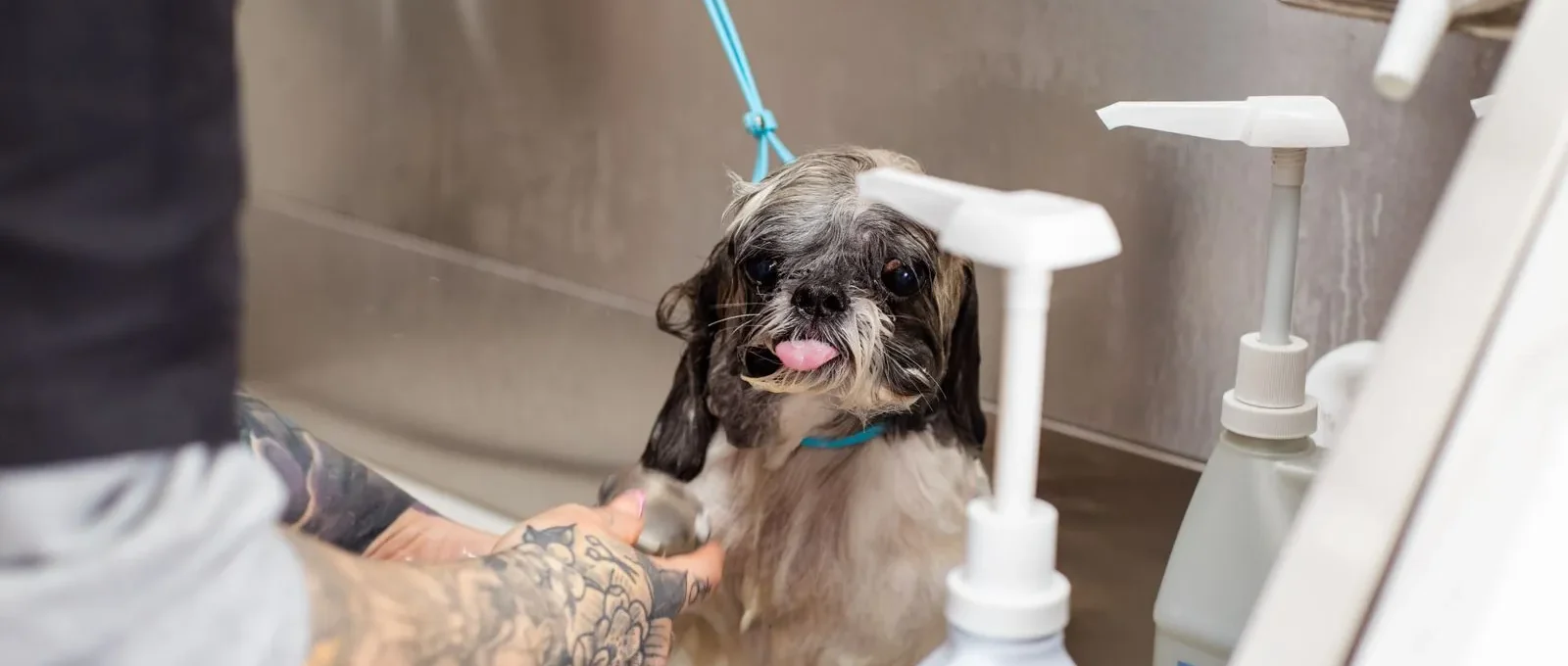

The Truth About Dog Smell — And Why It’s More Fixable Than You Think
Let’s be honest — there’s something almost universal about the experience of walking into your own home after a few days away and noticing, for the first time without acclimatization blunting your senses, that your house smells like dog. It’s one of those experiences that ranges from mildly embarrassing when guests arrive to genuinely affecting your daily enjoyment of your living space. And for most dog owners, it feels like an inevitable, unfixable consequence of sharing a home with a beloved four-legged companion.
Here’s the genuinely good news: it’s not inevitable at all. Dog odor — whether it’s emanating from your dog themselves or permeating your soft furnishings — is almost always addressable, and in most cases, dramatically reducible with the right combination of grooming habits, environmental management, and medical awareness. Persistent odor in dogs may come from the skin, ears, mouth, or anal glands. Bathing your dog without addressing the source will only provide temporary relief. Regular grooming and dental hygiene are essential to control smells. Odors caused by infection or allergies need veterinary treatment. That last point is the key insight that most dog smell guides miss: throwing your dog in the tub repeatedly without understanding where the smell is actually coming from is an exercise in frustration. True, lasting freshness requires identifying the source — and then addressing it specifically.
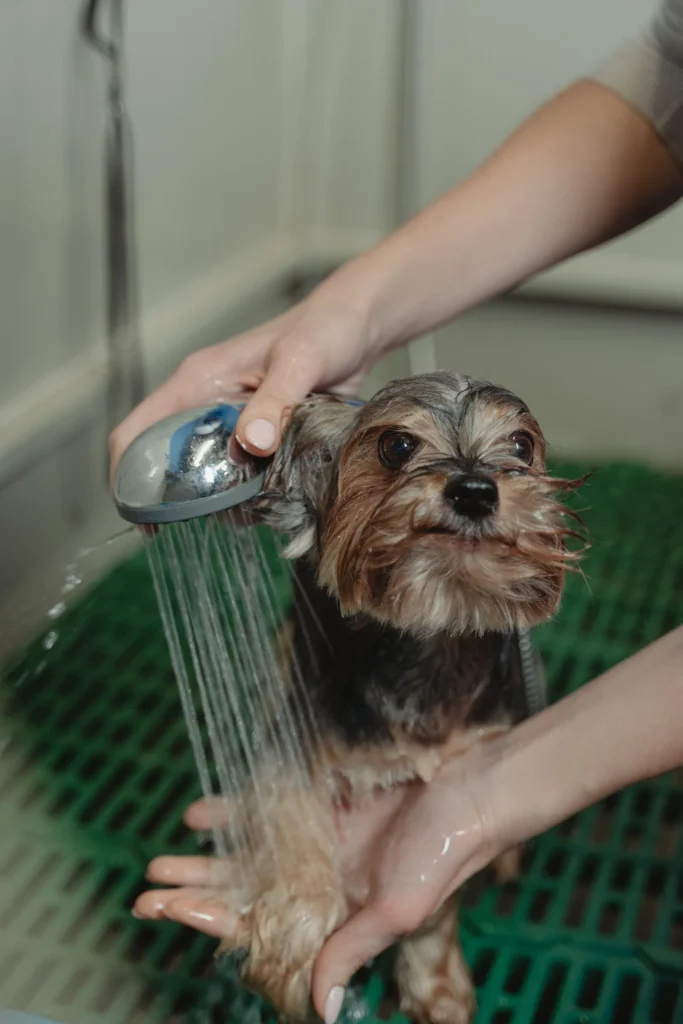
This comprehensive guide gives you everything you need: the science of where dog odor actually comes from, a complete toolkit of proven freshening strategies ranging from proper bathing technique to between-bath maintenance, dietary considerations that affect smell, and the critical knowledge of when a persistent smell is actually a medical signal that needs veterinary attention. By the end, you’ll have a clear, actionable plan for making your dog genuinely, lastingly smell amazing — not just temporarily masked.
Why Does My Dog Smell Bad? Understanding the Real Sources of Dog Odor
Before you can effectively eliminate dog odor, you need to understand its actual origins — because different odor sources require completely different interventions. Treating them all the same way is why so many dog owners find themselves locked in a frustrating cycle of bathing and re-smelling.
The Skin and Coat: The Primary Odor Source
Dogs naturally produce oils and secretions from their skin to keep their coat healthy. While these are essential for their skin’s health, they can build up and create an odor over time. Additionally, bacteria and yeast naturally found on their skin can also contribute to unpleasant smells, especially if they overgrow due to moisture or lack of grooming. Think of your dog’s skin as a living ecosystem — a carefully balanced community of microorganisms, natural oils, and skin cells that, when balanced, produces only a mild natural dog scent that most owners barely notice. When that balance tips — through infrequent grooming, excessive moisture from swimming or rain, allergies that compromise the skin barrier, or hormonal changes — bacteria and yeast proliferate and the odor escalates significantly.
Allergies, hormonal imbalances, fungal infections, external parasites, inflammation, wounds, and other skin issues can cause bacteria and yeast on the skin’s surface to take hold and produce foul odors. Secondary infections of the skin are probably the most common reason dogs smell and the number one non-routine reason they visit the vet. When normal yeast or bacteria on the skin begin to multiply to an abnormal extent, an infection can occur. Skin allergies and the itching and licking that come along with them often begin the process. Long-coated breeds face a particular challenge: long-haired dogs tend to trap odors in their coats just like fabrics absorb cooking smells, smoke, and other aromas in the air.
Anal Glands: The Sneaky Culprit
If your dog has an inexplicable fishy or musty smell that persists regardless of how frequently you bathe them, the anal glands are the most likely culprit — and they’re the source that most owners never think to investigate. A big contributor to smell in dogs is their anal glands. These anal sacs are two scent glands that communicate with the surface of the skin by ducts that open on either side of the anus. They produce a natural secretion that varies from thin and yellowish to pasty and grayish. Anal gland secretions may have a very strong musty to fishy odor.
That smell often comes from the anal glands, two tiny sacs tucked just inside your dog’s rear. Normally, these sacs empty naturally during bowel movements, but when they don’t, they can become impacted or infected. This buildup leads to that signature fishy odor along with obvious signs of discomfort like excessive licking, scooting, or struggling to sit comfortably. If your dog is scooting on the floor or excessively licking their rear end in addition to smelling fishy, this is almost certainly an anal gland issue. “Keep in mind that a groomer doesn’t empty anal glands the same way that a vet does,” says Dr. Kent. “If your dog is scooting and/or has a bad fishy smell after grooming, please have a vet check to see if there is more material or an infection in the anal glands.”
Ears: The Frequently Forgotten Odor Zone
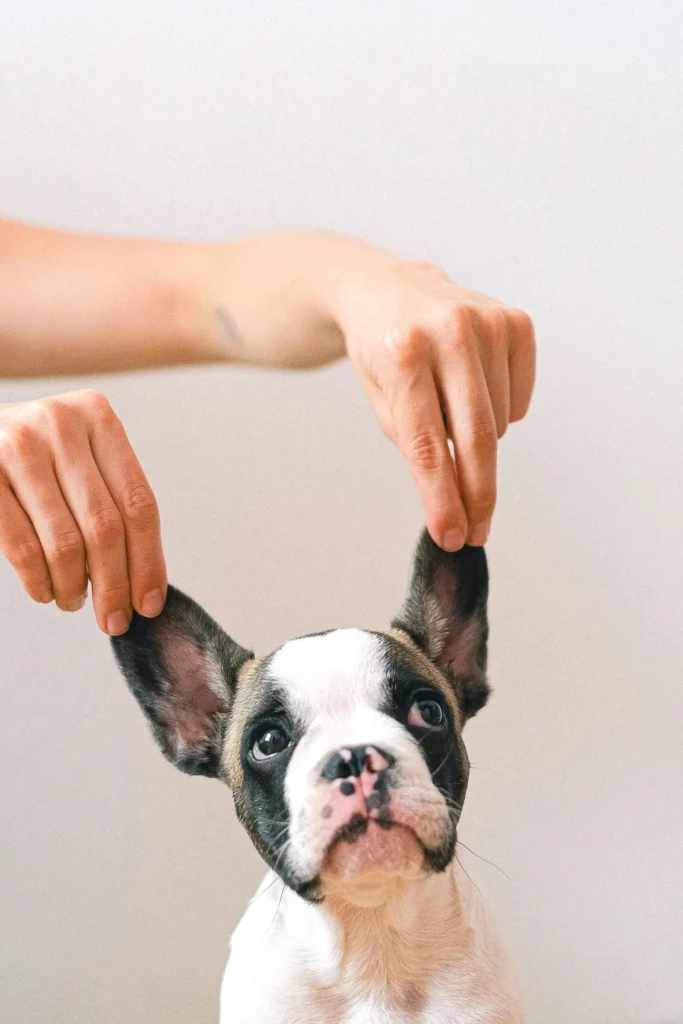
Ears are one of the most overlooked sources of dog odor, yet ear infections are extraordinarily common in dogs — particularly in breeds with floppy ears like Cocker Spaniels, Basset Hounds, and Labrador Retrievers that trap moisture and reduce airflow in the ear canal. Ear infections, or otitis, are a common source of odor in dogs. The smell can be yeasty or actually smell like sewage. A foul odor from the ears, especially combined with abnormal discharge, can indicate an ear infection.
Healthy ears should have a mild, unremarkable scent. If you notice any unusual odor when you sniff near your dog’s ear, or if you observe your dog shaking their head frequently, scratching at their ears, or holding one ear lower than the other, an ear infection is likely and requires veterinary attention — not just a cleaning. Ear infections, such as yeast and bacteria, typically require otic medications prescribed by a vet. Between-bath ear care involves gentle cleaning of the outer ear flap with a damp cloth, but never inserting anything into the ear canal without veterinary guidance.
Dental Disease and Bad Breath
Various dental diseases can cause bad breath, or halitosis. Dental calculus harbors numerous bacteria that produce odor. Dental disease can also lead to excessive drooling, causing the skin around the mouth to become infected and odiferous. Dog breath is so universally acknowledged as unpleasant that it has essentially become a cultural joke — but the reality behind chronic bad dog breath is that it’s almost always a sign of significant dental disease that is causing your dog genuine discomfort and increasing their risk of systemic health problems. A foul, decaying odor from the mouth can point to dental disease.
Bacteria in plaque and tartar buildup produce sulfur compounds — the same compounds that make human bad breath smell unpleasant — but in dogs whose teeth are rarely brushed and who receive no dental care, this buildup can become extreme. The resulting breath odor can be powerful enough to fill a room when your dog pants near you. Addressing dental disease requires professional veterinary dental cleaning in addition to ongoing home dental hygiene — brushing alone cannot reverse established periodontal disease.
Diet and Digestive Issues
What your dog eats can significantly affect how they smell. Poor-quality dog food, certain ingredients, and even food allergies can contribute to bad odors. Some dog foods based on fish meal or with added fish oil can make for fishy-smelling dogs. Flatulence — the overproduction of intestinal gas — can be a problem for some dogs and may be diet-related or a sign of gastrointestinal disease. Dogs with food allergies commonly manifest those allergies through skin and coat changes — increased oil production, skin barrier compromise, and secondary bacterial or yeast overgrowth — all of which contribute to increased body odor. Common allergens include beef, dairy, wheat, and chicken. If you suspect your dog has a food allergy, an elimination diet under the guidance of your veterinarian can help identify the culprit and improve your dog’s odor and overall health.
The Ultimate Dog Bathing Guide: How to Wash Away the Stink
Bathing is the cornerstone of dog odor management — but there’s a significant difference between a bath that actually addresses odor effectively and one that temporarily masks it. The technique, frequency, and product choices all matter enormously.
How Often Should You Bathe Your Dog?
Bathe your dog regularly — every 4–6 weeks for most dogs — but avoid overbathing, as it can dry out the skin and make the odor worse. This counterintuitive truth — that bathing too frequently actually makes your dog smellier — is one of the most important things to understand about dog odor management. The natural oils in your dog’s skin and coat serve a crucial protective and conditioning function. Strip them away too frequently with shampoo and your dog’s skin becomes dry, irritated, and prone to the very bacterial and yeast overgrowth that causes odor in the first place. The skin compensates by producing more oil — creating a cycle where the more you bathe, the faster the smell returns.
The appropriate bathing frequency varies by breed, coat type, and lifestyle. Short-coated breeds who spend most of their time indoors might need bathing only every 6–8 weeks. Long-coated, double-coated, or heavily outdoor-active breeds may benefit from every 3–4 weeks. Dogs with skin conditions may have specific veterinarian-prescribed bathing frequencies. When in doubt, your dog’s smell and coat condition between baths is the most reliable guide — if they smell pleasant and their coat looks clean a week after bathing, your current frequency is probably right.
Choosing the Right Shampoo for Smell Control
Use a specialized dog shampoo for smelly dogs, then dry well and brush your dog’s fur. It is not advised to use human shampoo on your dog as it can contain chemicals that cause irritation to a dog’s skin. This can also make them more susceptible to parasites and viruses as their natural oils will be disrupted. Human shampoos are formulated for human skin pH (approximately 5.5) while dogs’ skin pH sits around 7.0–7.5 — using the wrong product disrupts the skin’s acid mantle and creates exactly the bacterial and yeast environment that produces the worst odors.
Use a gentle, moisturizing shampoo, like an oatmeal shampoo, that does not dry out skin and make it susceptible to imbalances or infections, or kill natural microflora that helps balance your dog’s skin pH. For dogs with persistent odor issues, look for shampoos specifically formulated for odor control — often containing ingredients like baking soda, tea tree oil, or enzymatic odor neutralizers that actually break down odor molecules rather than just covering them. Wash your dog with apple cider vinegar mixed with shampoo. Use 1 tablespoon vinegar, and 1 tablespoon Dawn dish soap mixed with 1 cup water. Vinegar neutralizes smell and works as an anti-fungal. For dogs who have rolled in something truly terrible — skunks, dead animals, or particularly potent outdoor substances — enzymatic odor removers specifically formulated for this purpose are dramatically more effective than regular shampoo.
Step-by-Step Bathing Technique for Maximum Freshness
The technique of the bath matters as much as the frequency and product choice. Start by thoroughly wetting your dog’s coat — and we mean thoroughly. Water needs to penetrate through the outer coat to reach the skin and undercoat where odor-causing bacteria and oils accumulate. This can take several minutes for a double-coated breed. Apply shampoo and work it into a generous lather, massaging it thoroughly to the skin — not just through the surface of the coat. Pay particular attention to the areas that hold odor most tenaciously: under the armpits, around the base of the tail, between the skin folds (particularly important for Bulldogs, Pugs, and Basset Hounds), and around the paw pads.
Add a bit of baking soda to your dog’s bathtime. It can help neutralize bad smells. Rinse far more thoroughly than you think necessary — shampoo residue left in the coat is a common cause of post-bath odor that owners mistake for inadequate cleaning. Rinse, then rinse again, and then rinse once more. Drying is the step most owners rush — but a dog left damp or wet develops that universally recognizable wet-dog smell almost immediately. Wet dog smell is a common culprit, as moisture amplifies natural odors, especially after baths or rainy walks. Dry your dog as completely as possible — towel drying followed by low-heat blow drying is most effective, particularly for long-coated or double-coated breeds.
Between-Bath Freshness: 8 Proven Ways to Keep Your Dog Smelling Great
The gap between baths is where most dog odor management happens — or fails to happen. A comprehensive between-bath routine dramatically extends the freshness you achieve with bathing and keeps your dog and home smelling pleasant on a daily basis.
Regular Brushing
Brushing is arguably the single most impactful between-bath freshness tool available to dog owners, and it’s chronically undervalued. Brush your dog’s coat regularly to prevent unpleasant odors and manage shedding. Regular brushing removes dead skin cells, loose fur, environmental debris, and accumulated dirt and oils — all of which contribute to odor when left in the coat. It also distributes natural oils evenly through the coat, preventing the oily buildup that bacteria feast on to produce smell. The brushing frequency appropriate for your dog depends on their coat type — short-coated breeds benefit from weekly brushing, while long-coated or double-coated breeds may need daily attention, particularly during seasonal shedding periods.
The Dry Shampoo Method
Dry shampoo is one of the most underutilized tools in the dog owner’s freshness toolkit, and it’s remarkably effective for addressing between-bath odor without the time commitment of a full bath. For a simple “dry bath” to help your dog smell better, try baking soda or cornstarch. Either product can be sprinkled on your dog and worked into the coat to help absorb odors or excess oil. To remove, simply brush away the powder and the doggy smell with it! People might consider dry shampoo a “lazy bath,” but it provides instant relief from smelliness. It eliminates odor and grease from your dog’s coat and you can easily apply and remove it. Just work the appropriate dose of powder into your dog’s coat, wait for a spell, then brush it off. Be sure to look for a natural product that doesn’t contain a lot of chemicals and synthetic fragrances. Commercial dog dry shampoos are also widely available and offer the convenience of pre-formulated products specifically designed for canine skin pH.
Paw and Feet Wiping
Paws are one of the most overlooked sources of between-bath odor — and one of the most significant. Gently rinse your dog’s coat and feet after they get dirty from playing outside. Your dog walks through everything on the ground — mud, grass, puddles, other animals’ waste, and all the microbial variety of the outdoor environment — and carries it all back into your home on their paws. Establishing a consistent paw-wiping routine every time your dog comes indoors is one of the most impactful habits you can develop for both odor and cleanliness. Start by wiping them down with pet-safe wipes or a damp towel to remove dirt and oils from their fur. Keep a dedicated towel or container of pet-safe wipes near every entrance and make paw-wiping as automatic as wiping your own feet.
Dog-Safe Deodorant Sprays
Spraying your dog’s coat with a doggie deodorant when you’re brushing him is an easy way to manage odors without changing your grooming routine. Doggie deodorant can refresh your dog’s skin and coat and help him smell better immediately. After particularly smell-inducing incidents, neutralizing the odor is an effective way to stop the stink. Odor neutralizers remove odors by eliminating the scent. Dog deodorant sprays and coat refresher sprays have improved dramatically in recent years and are now widely available in formulations that genuinely neutralize odor rather than simply masking it with fragrance. Look for products containing enzymatic odor eliminators rather than pure fragrance additives — enzymes break down the organic compounds that cause odor rather than simply covering them up.
Ear Cleaning Routine
Wipe the fold and flaps of dog ears with a clean damp cloth every few weeks. Regular, gentle ear cleaning is a cornerstone of between-bath odor management that many owners neglect until an infection has already developed. The outer ear flap and the visible portion of the ear canal accumulate wax, debris, and dead skin cells that create an environment favorable to yeast and bacterial growth — and that produce a distinctive, unpleasant odor. Establishing a gentle ear-cleaning routine every two to three weeks using a veterinarian-approved ear cleaning solution helps maintain the ear environment and allows you to catch any signs of developing infection early. Never insert cotton swabs or any implement into the ear canal — clean only what you can see with a gentle wipe of the outer ear using cotton balls or gauze dampened with ear cleaning solution.
Dental Hygiene
Not all bad breath comes from your dog’s teeth, but good dental care is still a vital part of a dog’s grooming routine. Brushing your dog’s teeth is the best way to keep them healthy. Choose a toothpaste designed for dogs and brush daily if possible. Some other options for dental care include dental wipes, chews, and water additives. Daily tooth brushing is the gold standard for dog dental hygiene, but any consistent dental care is better than none. If daily brushing isn’t realistic for your lifestyle, three times per week still provides meaningful protection against the plaque and tartar accumulation that causes bad breath. Use only dog-specific toothpaste — human toothpaste contains fluoride and xylitol, both of which are toxic to dogs. Dental chews, enzymatic water additives, and dental wipes provide useful supplementary support but are not substitutes for mechanical brushing.
Freshening the Coat With Natural Remedies
Several natural remedies can freshen your dog’s coat between baths effectively and safely. You can add lavender oil to any shampoo to help make your dog smell better. Diluted apple cider vinegar — approximately one part vinegar to two parts water — can be spritzed onto the coat and left to dry as a natural odor neutralizer and mild antimicrobial. Coconut oil, when applied sparingly to the coat and worked through to the skin, moisturizes the skin barrier, reduces the dry-skin bacterial environment that promotes odor, and imparts a mild pleasant scent. Herbal rinses using chamomile or rosemary can provide mild deodorizing and coat-conditioning benefits between baths. Always research any natural remedy before application and check with your veterinarian if your dog has sensitive skin or any known skin conditions.
Regular Bedding Washing
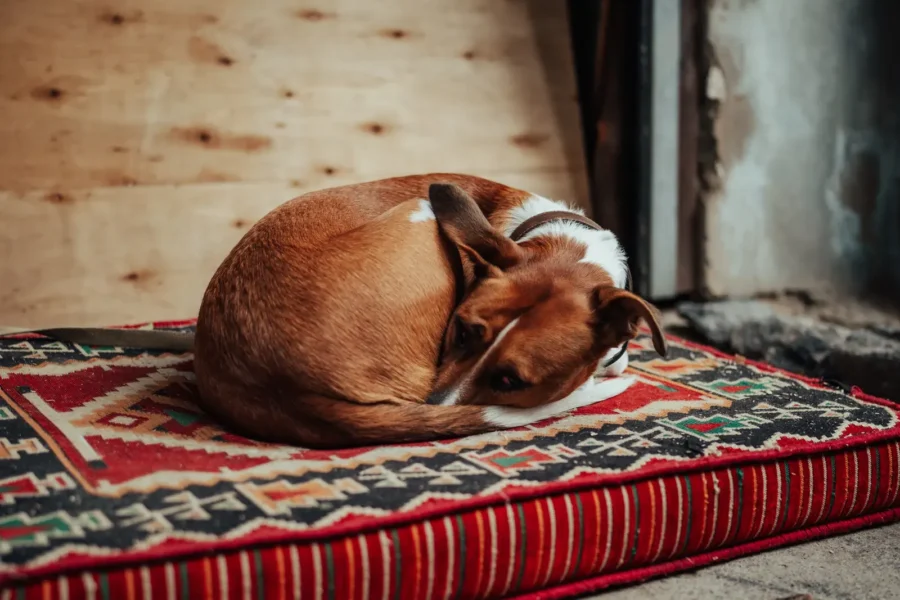
If it’s been a while since your dog’s bedding has been washed, it’s time to address that. Dog bedding is one of the most powerful and persistent sources of home dog odor — a sponge that absorbs all the oils, dander, saliva, and skin cells your dog deposits during sleep and deposits them continuously back into the environment. No matter where your dog sleeps, make sure to clean their bedding regularly to avoid odor. Wash your dog’s bedding — including covers, inserts, and any blankets or throws they regularly use — at least once per week in hot water with a pet-safe detergent. If your dog’s bedding has absorbed years of odor, a wash with an enzymatic cleaner specifically designed for pet odors before the regular hot wash cycle can dramatically improve results. Replace dog beds entirely every 12–18 months, as even thoroughly washed bedding eventually reaches a point where odor is permanently embedded in the foam or fill material.
Diet’s Role in How Your Dog Smells
The connection between what your dog eats and how they smell is more significant and more direct than most owners realize. Diet influences dog odor through multiple mechanisms simultaneously — affecting the composition of natural skin oils, the health of the gut microbiome, the tendency toward food allergies that compromise the skin barrier, and the production of intestinal gas that contributes to ambient household odor.
What your dog eats can significantly affect how they smell. Poor-quality dog food, certain ingredients, and even food allergies can contribute to bad odors. If your dog’s smell seems to be related to their diet, consult your veterinarian about switching to a high-quality, balanced diet that meets your dog’s nutritional needs. High-quality, digestible proteins are better for odor control than lower-quality protein sources — they produce fewer digestive byproducts and support a healthier gut environment. Foods high in omega-3 fatty acids — from fish oil, flaxseed, or other sources — support skin barrier function and coat quality, reducing the dry-skin conditions that promote bacterial odor. Sometimes, adding sweet potatoes into your dog’s regular diet can help improve the way he smells.
A high-fiber diet can help produce firmer stools, which naturally express the anal glands during bowel movements. Maintaining a healthy weight, addressing allergies, and ensuring regular grooming and hygiene can also reduce risk. This fiber-anal gland connection is one of the most important and least known dietary factors in dog odor management. Dogs eating low-fiber diets frequently have difficulty naturally expressing their anal glands during defecation — leading to the impaction and infection that produces that distinctive fishy smell. Switching to a higher-fiber diet can resolve mild anal gland issues without any veterinary intervention.
When Dog Smell Is a Medical Problem: Warning Signs to Watch For
This might be the most important section of this entire guide — because no amount of bathing, brushing, or freshening spray can address a smell that has a medical origin. Understanding when dog odor signals health problems is the knowledge that separates well-informed owners from those who spend months masking a symptom that actually needs treatment.
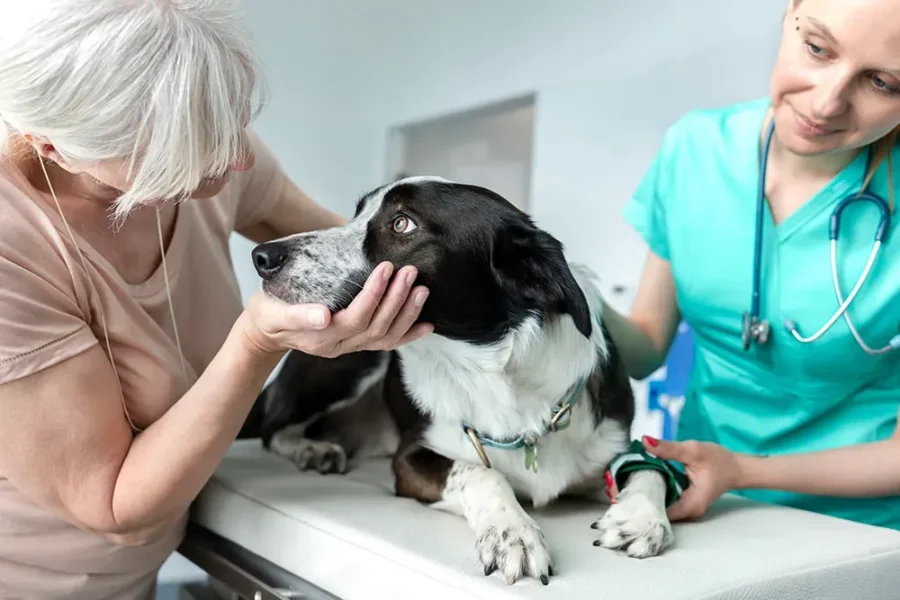
If a dog has an odor even with regular grooming and cleaning, there could be an underlying health issue causing the persistent smell, like a skin infection, dental problem, or anal gland issue. “A strong or recurring odor isn’t just a nuisance, it’s often a sign that something’s wrong,” says veterinarian Dr. Hootie. A sweet smell may suggest yeast, ear, or skin infections. A foul, decaying odor from the mouth can point to dental disease, and a foul odor from the ears (especially combined with abnormal discharge) can indicate an ear infection.
Specific odor types carry specific diagnostic signals. A fishy or musty smell most commonly indicates anal gland issues or yeast overgrowth on the skin or in the ears. A sweet or “corn chip” smell (often described as Fritos) from the paws is typically caused by naturally occurring yeast that colonizes the moist spaces between toes — usually benign but occasionally indicating a yeast overgrowth that benefits from treatment. A sewage-like smell from the ears indicates serious ear infection. A rotten or decaying smell from the mouth indicates advanced dental disease with possible tooth root abscess. Any smell that appears suddenly, intensifies rapidly, or doesn’t respond to regular grooming deserves veterinary evaluation. Dr. Murdoch recommends scheduling regular vet wellness checkups to catch and address potential issues early on.
Getting Dog Smell Out of Your Home
Even with a beautifully groomed, genuinely fresh-smelling dog, the accumulated dog odor embedded in your home’s soft furnishings, carpeting, and air can undermine your efforts. Addressing the home environment is the final piece of comprehensive dog odor management.
Dr. Murdoch offers the following tips for how to get pungent dog smells out of your home: Clean your dog’s bedding and groom them regularly to reduce shedding. Open windows and use air purifiers to ensure good ventilation. Fresh air is your best friend when it comes to banishing odors. Open your windows and doors to let the air circulate. Fans and air purifiers can help improve air quality and keep the space smelling clean. For an added boost, consider using air purifiers with HEPA filters to trap pet dander and airborne particles effectively.
For soft furnishings — sofas, cushions, curtains — enzymatic cleaners specifically formulated for pet odors are dramatically more effective than standard fabric deodorizers. These products contain enzymes that break down the organic compounds in pet odor at a molecular level, rather than simply masking them. Baking soda sprinkled liberally on carpets, left for 15–20 minutes, and then vacuumed up is an effective natural deodorizing treatment for carpet odor. Steam cleaning carpets and upholstered furniture periodically provides the deepest possible clean and effectively removes deeply embedded pet odor. Washing washable cushion covers, throws, and any fabric your dog regularly contacts on a weekly basis dramatically reduces ambient home odor between professional cleaning sessions.
Dog Smell Quick-Reference Guide
| Odor Type | Most Likely Source | Solution |
|---|---|---|
| General “dog smell” | Skin oils, bacteria buildup | Regular bathing every 4–6 weeks, brushing |
| Fishy or musty smell | Anal glands | Veterinary anal gland expression |
| Sweet or yeasty smell | Yeast infection (skin or ears) | Veterinary diagnosis and treatment |
| Sewage-like ear odor | Bacterial ear infection | Veterinary otic medication |
| Foul breath | Dental disease, periodontal infection | Professional dental cleaning + daily brushing |
| Wet dog smell | Incomplete drying after water exposure | Thorough towel and blow drying |
| “Corn chip” paw smell | Natural paw yeast (usually benign) | Regular paw cleaning; vet if excessive |
| Persistent smell after bathing | Medical condition, not grooming issue | Veterinary examination |
| Gas/flatulence odor | Diet, digestive issues | Dietary assessment, possible vet consult |
| Sudden new or strong smell | Health change requiring attention | Veterinary evaluation promptly |
Conclusion
Making your dog smell amazing isn’t a single event — it’s an ongoing, multifaceted practice that becomes easier and more effective the better you understand its foundations. The key insight that transforms everything is this: lasting freshness requires addressing the actual source of the odor, not just masking the symptom. A well-chosen bathing routine with appropriate frequency and products builds the foundation. Consistent between-bath maintenance — brushing, paw wiping, ear cleaning, dental hygiene, bedding washing — sustains that freshness daily. A high-quality, appropriate diet reduces odor from the inside out. And vigilant attention to odor changes catches the medical issues that no amount of grooming can resolve.
Your dog doesn’t need to smell like they’ve just stepped out of a doggy spa every single day — a naturally clean, mild, healthy dog smell is perfectly fine and perfectly normal. What’s achievable with consistent care is a dog whose natural scent is pleasant rather than overwhelming, whose coat feels clean and well-maintained, and whose presence in your home enriches rather than odorizes it. With the complete strategy in this guide, that goal is genuinely, sustainably within reach — for you, your dog, your home, and everyone who visits it.
Frequently Asked Questions (FAQs)
1. How often should I bathe my dog to keep them smelling fresh? Most dogs benefit from bathing every 4–6 weeks. Bathing more frequently than this can strip natural protective oils from the skin, paradoxically making your dog smellier faster by disrupting the skin’s natural balance. However, the right frequency for your specific dog depends on their coat type, activity level, and any skin conditions they have. Short-coated indoor dogs may need bathing less frequently, while long-coated or highly active outdoor dogs may need it more often. Let your dog’s smell and coat condition between baths guide you rather than adhering to a rigid schedule.
2. Why does my dog still smell bad even right after a bath? If your dog smells bad immediately or within hours of a bath, the odor source is almost certainly not on the surface of the coat — it’s coming from somewhere a bath can’t reach. The most common culprits are anal gland issues, ear infections, dental disease, or skin infections in areas the shampoo didn’t adequately reach (like skin folds or between toes). Persistent post-bath odor that doesn’t respond to improved bathing technique and product choice warrants a veterinary examination to identify and treat the underlying source.
3. Are there natural home remedies that actually work for dog odor? Several natural remedies have genuine odor-reducing properties. Baking soda sprinkled on the coat, left briefly, and brushed out effectively absorbs and neutralizes odors. Diluted apple cider vinegar (one part to two parts water) spritzed on the coat functions as a mild antimicrobial and odor neutralizer. Adding a small amount of baking soda to bath water helps deodorize during the bathing process. These remedies work well for mild, surface-level odor — they’re not effective replacements for veterinary treatment when the odor has a medical origin.
4. Can my dog’s diet really affect how they smell? Absolutely — diet is one of the most significant and most underappreciated factors in dog odor. Low-quality food with hard-to-digest proteins produces more digestive byproducts and flatulence. Food allergies cause skin inflammation and barrier compromise that leads to bacterial and yeast overgrowth. Low-fiber diets prevent natural anal gland expression during defecation, leading to impaction and fishy odor. Switching to a high-quality, digestible, appropriately fiber-rich diet frequently produces noticeable improvements in how a dog smells without any other changes.
5. When should I see a vet about my dog’s smell? See your veterinarian when: the smell is sudden or has changed significantly from your dog’s normal scent; the smell persists despite consistent regular grooming; the smell is accompanied by other symptoms like scooting, head shaking, reduced appetite, lethargy, or skin changes; the smell is coming from a specific body area like the ears, mouth, or rear end with unusual intensity; or you recognize one of the specific odor types associated with medical conditions (fishy/musty = anal glands, sweet/yeasty = infection, sewage from ears = ear infection, foul breath = dental disease). A strong or unusual odor that doesn’t respond to proper grooming is consistently a medical signal deserving professional evaluation.
Leave a Comment