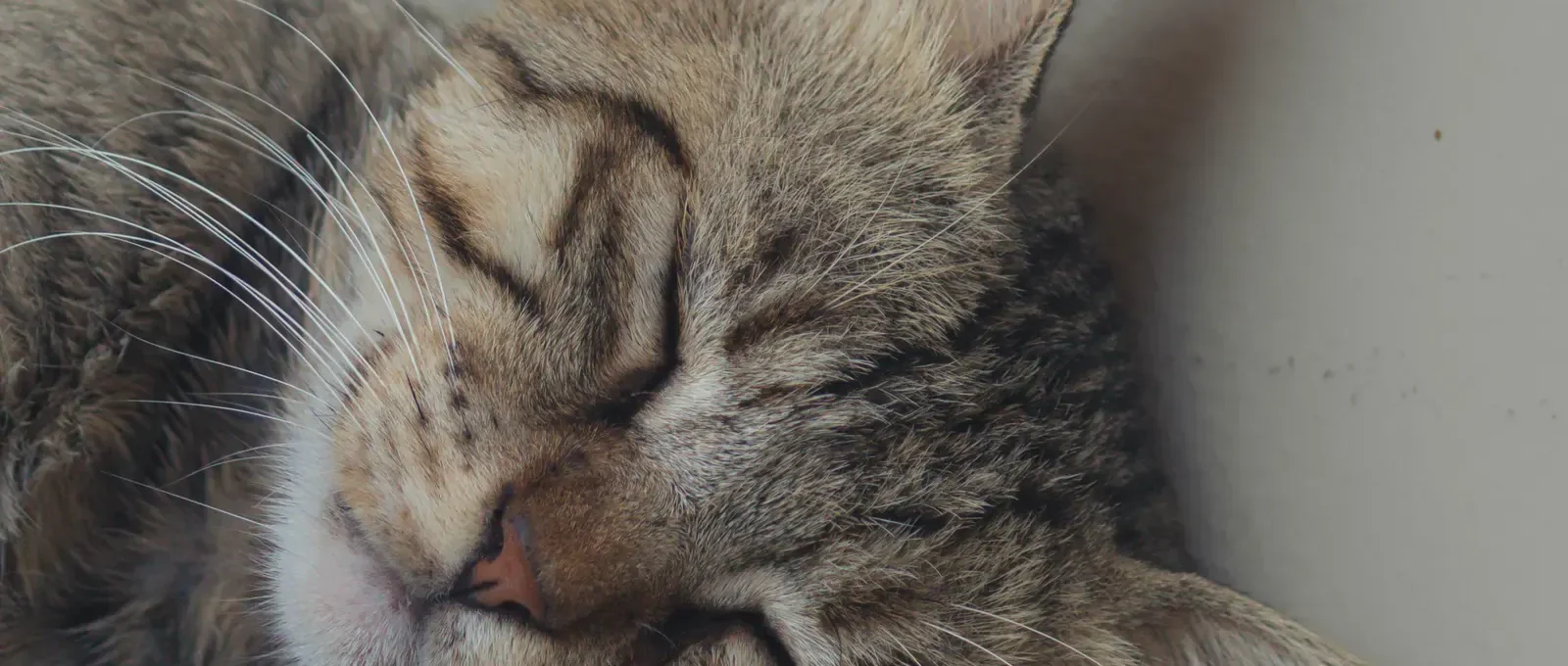

The Cat That Sleeps More Than Anything Else: An Introduction
If you’ve ever glanced at your cat curled up on the sofa for what feels like the fourteenth time today and thought, “surely that can’t be normal,” — congratulations, you’ve stumbled upon one of the most endearing and scientifically fascinating aspects of feline biology. Cats are, without question, the champion sleepers of the domestic animal world, and their relationship with rest is far more complex, intentional, and biologically sophisticated than it appears on the surface. What looks like lazy indulgence from the outside is actually a precisely calibrated evolutionary strategy written into every cell of your cat’s body.
A cat’s typical daily schedule seems to be: sleep, eat, sleep, play, nap, sleep, nap, eat, sleep, play, sleep, and repeat! This sleepy lifestyle isn’t just a domestic cat pattern, though — it’s followed by wild cats, too. From lions sprawled across sun-baked savannahs to leopards draped over tree branches to your own tabby claiming the entire couch as their personal mattress — the pattern is universal across the feline family. Sleep is not what cats do when there’s nothing else going on. Sleep is what cats are fundamentally built around. Understanding why your cat sleeps the way they do, how much is truly normal, what different positions and patterns reveal about their health and emotional state, and when changes in sleeping habits warrant a veterinary visit — this is knowledge that genuinely deepens your relationship with your cat and sharpens your ability to advocate for their wellbeing.
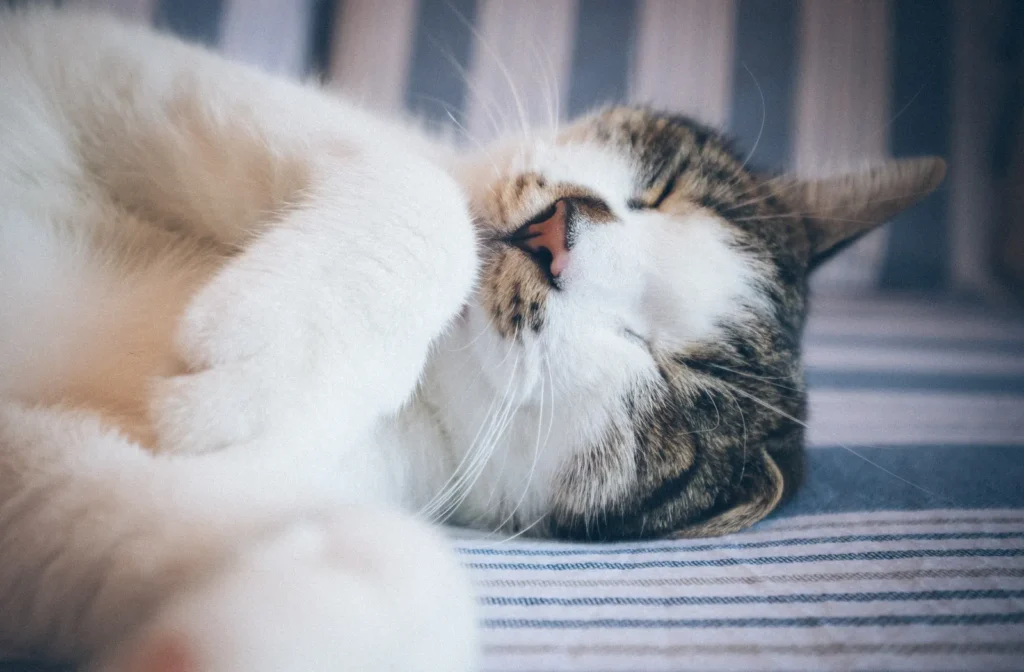
How Many Hours Do Cats Actually Sleep Per Day?
The headline number that surprises virtually every cat owner when they first encounter it: your cat is asleep — or in some state of restful inactivity — for the majority of their life. On average, cats sleep between 13 and 16 hours in a 24-hour day; that’s roughly twice the amount that their human owners require. Let that sink in for a moment. While you’re putting in a full day of work, errands, cooking, and social obligations on 7–8 hours of sleep, your cat is banking up to 16 hours of rest and still managing to look profoundly unbothered by the disparity. More than half of cats sleep between 12 and 18 hours a day, and nearly 40% of cats sleep more than 18 hours per day. These aren’t rounding errors or outliers — they’re the genuine statistical reality of feline sleep.
An extensive study on the sleep duration of animals, including the domestic cat, revealed that sleep made up 57% of a day for a typical house cat, translating to a feline sleeping for approximately 12–13 hours on average each day, with typical peak, deep slumber occurring in the early hours of the morning. The study incorporated both behavioral observations and EEG brain activity monitoring — giving it a scientific rigor that moves this beyond casual observation into a genuinely evidence-based understanding of feline sleep.
Sleep by Age: Kittens, Adults, and Seniors
The amount your cat sleeps changes meaningfully across their lifespan, and understanding these life-stage variations helps you calibrate what’s normal for your specific cat at their specific age. Adult cats typically sleep for an average of 12–16 hours a day, while the sleep time for kittens and senior cats can be as much as 20 hours per day.
Newborn kittens can sleep nearly 24 hours a day, aiding their rapid growth and development. Adult cats typically snooze for 12–16 hours per day, with their need for sleep affected by their activity levels when awake. Older cats may sleep more, up to 20 hours, possibly because of health issues or reduced mobility. Like most baby animals, younger cats need a lot of sleep — up to 20 hours a day. All that growth and development, plus rambunctious playtime during their awake periods, requires lots of rest and energy replenishment. So if your kitten is napping, hold back the urge to play with them; let the little cutie get some rest. For senior cats specifically, the increase in sleep time is a natural companion to reduced mobility and metabolic changes — but it can also mask underlying health conditions like kidney disease, hyperthyroidism, or arthritis, which is why regular veterinary monitoring becomes increasingly important as your cat ages.
What Factors Influence How Much Your Cat Sleeps?
How much cats sleep depends on their age, breed, size, personality, environment, and activity level. Energetic breeds like Bengals may sleep less, while laid-back breeds like Persians sleep more. Indoor cats, with their safe, stimulation-limited environments and predictable feeding schedules, tend to sleep more than outdoor cats who engage in genuine hunting, territorial patrol, and environmental exploration. Weather plays a surprising role — most cat owners have noticed their cats sleeping more on rainy, overcast days, and this is not imagination. Whether you have an indoor or outdoor cat, don’t be surprised if she’s yawning more and sleeping longer when the forecast calls for rain. The biological mechanisms behind weather-related sleep increases in cats are related to changes in light levels and atmospheric pressure — the same factors that make humans feel sluggish on gray days affect your cat similarly, just more dramatically.
The Science of Cat Sleep: How Feline Sleep Actually Works
Most people assume cat sleep is essentially the same as human sleep, just spread out differently through the day. The reality is considerably more fascinating — feline sleep is a sophisticated biological system with distinct stages, unique characteristics, and evolutionary origins that shape everything from what positions cats choose to how easily they can spring into action from apparently dead sleep.
Light Sleep vs. Deep Sleep in Cats
Cats experience two distinct sleep stages, much like humans: Non-REM or Deep Sleep, which restores their energy and supports immune health, and REM or Dream Sleep, during which cats process information and even dream. The proportion of time cats spend in each stage is what distinguishes them from human sleepers. Cats spend a large portion of their sleep time in light, dozing states that look like sleep but are actually a kind of heightened-awareness rest — a biological compromise between the need to recharge and the evolutionary imperative to remain alert to potential threats.
Cats are able to be partially asleep. They fall asleep enough to get rested, but still be alert enough to notice smells or sounds and be able to flee in a moment. In contrast, even when cats are awake, they’re never far away from sleep. This is the evolutionary genius of the cat’s sleep system — they can extract meaningful physiological restoration from a light dozing state, reserving deep sleep for contexts in which they feel genuinely secure. As both predators and prey, cats exhibit complex sleep behavior characterized by cycles of light dozing and periods of deep REM sleep. The brief intervals of deep sleep are when the most critical restoration occurs: immune system maintenance, cellular repair, hormone regulation, and memory consolidation.
Do Cats Dream? The Truth About REM Sleep
Here’s a question that delights virtually every cat owner: Does your cat actually dream? And if so, what are they dreaming about? The scientific answer is a qualified but genuinely exciting yes. Studies show cats spend about 25% of their sleep in REM, which supports memory formation and emotional regulation. You might notice their whiskers twitching or paws moving — it’s their way of reliving daily adventures. The whisker twitches, paw paddling, soft vocalizations, and facial movements you observe during your sleeping cat’s REM phase are the behavioral manifestations of active dreaming — their brain is processing and consolidating the experiences of their waking hours.
According to the Jouvet study, cats actually dream about 30–40% of the time they are sleeping. We can’t tell you what a cat dreams about, but there’s a good chance yours might be dreaming about you! The neurological research on REM sleep in cats has actually been foundational to our understanding of dreaming across all mammals — much of what scientists know about the relationship between REM sleep and memory consolidation in humans was first discovered in feline sleep research. Your cat’s dreaming brain has contributed more to human neuroscience than most people realize.
The Polyphasic Sleep Pattern: Why Cats Nap All Day
Cats have a polyphasic sleep pattern, which means they sleep multiple times each day rather than in one long period like humans generally sleep. These cat naps average 78 minutes in length. However, cats commonly sleep for periods of time ranging from 50 to 113 minutes. This polyphasic pattern — multiple sleep cycles distributed across the 24-hour day rather than concentrated in one long nighttime block — is the natural expression of the cat’s crepuscular biology and predator heritage. In the wild, a cat doesn’t have the luxury of committing to 8 hours of uninterrupted sleep in a vulnerable state. They sleep in installments, charging up between periods of alertness, hunting activity, and environmental monitoring. The domestic cat retains this pattern completely, which is why you’ll find your cat sleeping at 9 am, 11 am, 2 pm, 4 pm, and again by 7 pm — not out of boredom or excess, but in perfect alignment with their biological programming.
Why Cats Sleep So Much: 5 Fascinating Biological Reasons
The sheer quantity of feline sleep demands explanation beyond “cats are lazy” — and the real answers are far more interesting than that dismissive characterization suggests. There are concrete, well-understood biological reasons why cats sleep the way they do, each one rooted in evolutionary pressures that shaped feline physiology over millions of years.
The Predator Energy Model
Cats’ extended sleeping habits are tied to their predatory ancestry. In the wild, cats needed to conserve energy for short, powerful bursts of activity to hunt prey. This instinct persists in domesticated cats, even those with full bowls and cozy homes. Think of your cat’s naps as recharging their batteries — they’re preparing for those high-energy moments, whether it’s a nighttime zoomie session or stalking their favorite toy mouse. The hunting strategy of a wild cat is radically different from, say, a wolf or a wild dog. Cats are ambush predators who rely on explosive bursts of speed and power rather than sustained endurance pursuit. A lion can reach 50mph in a burst but can only maintain that pace for a few hundred meters. This sprint-based hunting model requires maximum muscular readiness at the moment of the hunt — and that readiness is built and maintained through sleep.
The main reason that cats need around 12 to 16 hours of sleep a day is to rest, recharge and conserve energy. Life for domestic cats’ ancestors was tough, as they needed to hunt their prey without becoming prey themselves. This required staying on top of their game physically and mentally, and sleep was a big part of this. Every nap your well-fed domestic cat takes is a biological echo of millions of years of wild predator programming — the same software running in a very different hardware environment.
Weather, Temperature, and Environmental Triggers
Beyond the evolutionary baseline, several immediate environmental factors modulate how much your cat sleeps on any given day. Temperature is a major one — cats are drawn to warm sleeping spots and will sleep more contentedly in warm environments than cold ones. Overcast weather demonstrably increases sleep duration, as light-sensitive systems respond to reduced daylight with increased melatonin production — the same hormone that makes humans drowsy on dark winter afternoons. Increased sleep can sometimes signal boredom, stress, illness, or injury. Cats who are understimulated — those in barren environments without adequate enrichment, play opportunities, or human interaction — frequently sleep more than cats with rich, engaging daily environments, using sleep as a passive default when nothing is compelling to be awake for.
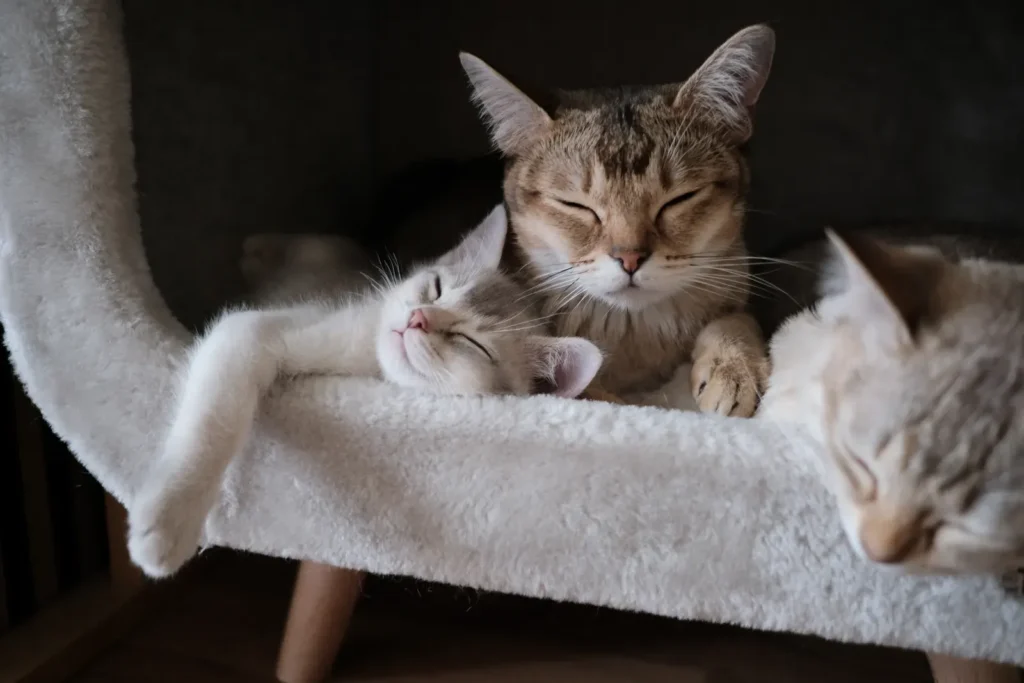
Decoding Cat Sleeping Positions: What Each One Really Means
Every cat’s sleeping position tells a story — about your cat’s emotional state, their sense of security, their temperature regulation needs, and sometimes their health. Learning to read these positions is like learning a new dimension of feline body language, one that your cat is broadcasting clearly every time they choose a spot and settle into it.
The Classic Curled Ball
Cats often sleep curled up in a ball, with nose to tail. Cats like to be warm, and this shape helps them retain body heat. This position also protects vital organs in the abdomen by surrounding them with less essential and more resilient muscle and bone. The curled ball is the most ancient and instinctive of all cat sleeping positions — a compact, defensible shape that minimizes heat loss, protects vital organs, and presents the smallest possible profile to potential predators. This position provides warmth and security for the cat. It’s an ancient instinct to protect vital organs and conserve body heat. When your cat regularly sleeps in a tight ball, they’re comfortable but maintaining a degree of alertness — content enough to sleep, not so secure that they’ve fully let their guard down.
The Cat Loaf
The cat loaf — that charming position where your cat sits with all four paws tucked neatly beneath their body, resembling a freshly baked bread roll — is one of the most recognizable and beloved feline sleep postures. In the Cat Loaf position, your furball is also conserving body heat. That’s why the Cat Loaf may become a preferred sleeping position when the weather turns cold. This position means the cat is resting, but not in a deep sleep. It is ready to move quickly if necessary. The loaf position is essentially intermediate-state rest — the cat is comfortable enough to close their eyes and partially disengage, but their tucked paws and upright posture mean they can be on their feet and moving within a fraction of a second if needed. A cat that consistently sleeps in a tight, hunched loaf with eyes partially open may be experiencing pain — an important distinction to make between the relaxed loaf of a comfortable cat and the tense, slightly hunched version that can signal discomfort.
The Belly Up Position
Few things in the domestic animal world communicate trust more eloquently than a cat sleeping on their back with their belly completely exposed. The abdomen is the most vulnerable region of a cat’s body — packed with vital organs and almost entirely unprotected by bone. Cats instinctively protect their vulnerable organs, so if a cat is sleeping with their belly exposed, it means they feel very safe and confident. A Belly Up position shows trust. When your cat rolls onto their back and exposes their soft belly to the room — and to you — they’re making a profound statement of security and comfort. They feel completely safe. They trust their environment and the people in it. This position is only ever observed in cats who are genuinely at ease, and seeing it in your home is a genuine compliment to the quality of care and security you’ve provided.
The Superman Stretch
The Superman stretch — where your cat lies flat on their stomach with all four legs extended outward like they’re mid-flight — is a joyful, relaxed position typically seen in younger, more active cats and those sleeping in warm spots. This full extension tells you your cat is comfortable enough to spread out completely, confident enough to occupy maximum space, and warm enough that there’s no need for the body-heat-conserving curling of the ball position. It’s essentially the cat version of a deep, satisfied sprawl — the sleep of an animal with zero worries in the world. When your cat achieves the Superman, it’s a reliable indicator that they feel genuinely at home and at ease in their environment.
The Side Sprawl
The side sprawl is the deepest sleep position in the feline repertoire — and the one that most reliably indicates your cat is genuinely, profoundly, completely at rest. A cat sleeping on their side with legs extended is fully committed to unconsciousness, their body as relaxed as physically possible, their heart rate and breathing slowed, their awareness of the environment temporarily suspended. A cat’s sleeping position can be indicative of their mental and overall well-being. The side sprawl is the position during which you’re most likely to observe the twitching whiskers, paddling paws, and soft vocalizations of REM dreaming — because it’s during this deeply relaxed, physically unguarded state that cats most readily enter the deepest stages of sleep. A cat that regularly achieves the side sprawl in your home is a content, secure, well-adjusted animal.
Sleeping on You
When your cat chooses you as their sleeping surface — curling up on your chest, draping themselves across your legs, or tucking themselves into the curve of your knees — they’re communicating something meaningful and specific. You are warm, you’re safe, and you smell right. Cats are drawn to their preferred humans as sleeping spots for all of these reasons: the warmth of your body, the security of your proximity, and the deeply comforting familiarity of your scent. There’s a good chance your cat might be dreaming about you! Cats who sleep on their owners have typically formed strong attachment bonds — this isn’t random comfort-seeking, it’s targeted social behavior that reflects genuine relationship quality.
Where Your Cat Chooses to Sleep: What It Tells You
The location your cat selects for sleep is as informative as the position they adopt once they’ve settled. Cats are extremely deliberate about sleep location selection — they don’t simply collapse wherever they are. They evaluate options against a sophisticated internal checklist that includes temperature, safety, elevation, proximity to valued resources, and the presence or absence of trusted people. A cat’s sleeping posture can offer valuable insights into its emotional state and overall health.
Elevated sleeping locations — the tops of wardrobes, cat trees, refrigerators, or high shelves — are preferred by cats who prioritize safety and surveillance. From a height, a cat can observe their entire environment while remaining physically inaccessible to ground-level threats. This is primal predator-prey psychology in action. Hidden, enclosed sleeping spots — the inside of closets, under beds, inside boxes or bags — reflect the same instinct from a different angle: instead of height, concealment. A cat who suddenly begins exclusively sleeping in hidden, dark spots after previously sleeping in open, comfortable locations may be signaling illness or stress — a behavioral change worth discussing with your veterinarian. Cats who sleep in the center of rooms, on beds, and on sofas typically feel completely secure in their environment and have no need for defensive positioning.
Are Cats Nocturnal? The Crepuscular Truth
One of the most persistent myths about cats is that they’re nocturnal — creatures of the night who sleep all day and roam all night. The reality is more nuanced and arguably more interesting. Contrary to popular belief, cats aren’t nocturnal; they are crepuscular, meaning they’re most active around dawn and dusk. This sleeping pattern is due to their hunting instinct, which evolved so that they would be awake when their prey is at its most active.
Cats are most active during dawn and dusk due to their crepuscular nature, a trait inherited from their wild ancestors. Small rodents and birds — the primary prey of wild cats — are most active in the low-light conditions of early morning and early evening, when darkness provides concealment but enough ambient light remains for cats’ superior night-vision eyes to function effectively. Cats’ eyes evolved specifically for this light environment — with a tapetum lucidum (the reflective layer that makes cats’ eyes glow in the dark) that dramatically amplifies available light, giving them a distinct predatory advantage over their prey in twilight conditions. A cat’s eyes are also more adapted to night vision, allowing them to observe movement more clearly in low light.
The practical implication of this crepuscular biology for cat owners is the infamous 4 am “zoomies” — explosive bursts of activity that interrupt human sleep. Your cat isn’t being malicious or attention-seeking. They’re operating on a biological schedule that predates domestic cohabitation by millions of years. Although many cats continue to stay active during the night, many cats’ sleeping habits have adapted to sleeping during the night, as their owners do. More universal, though, is their choice to wake up at dawn to demand their breakfast!
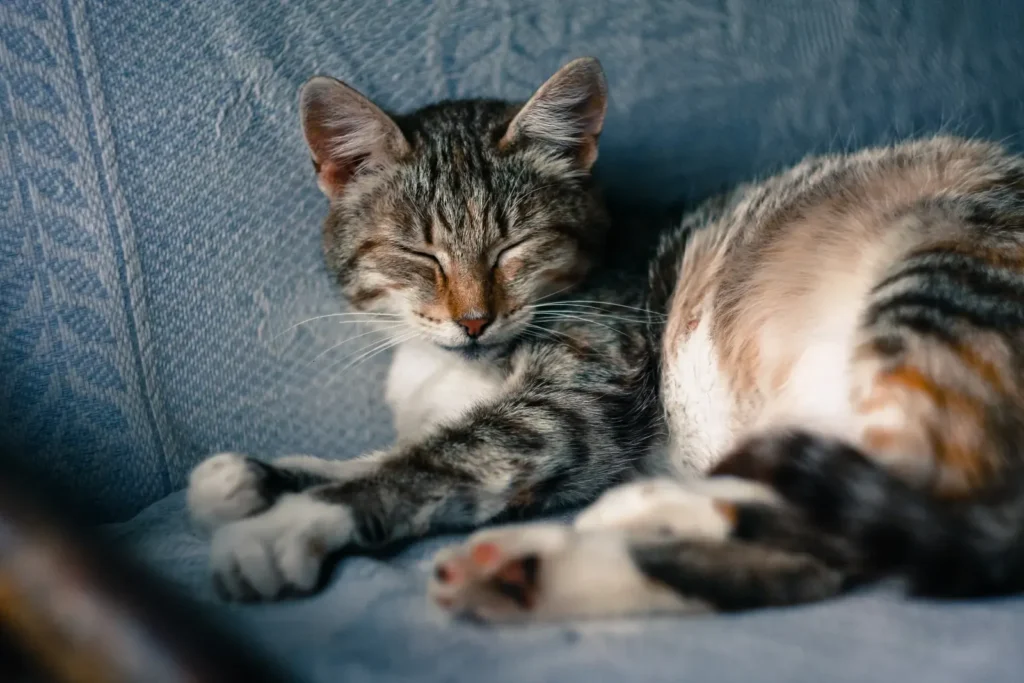
When Too Much Sleep Becomes a Health Warning Sign
Given that cats normally sleep 12–16 hours per day, distinguishing “a lot of sleep” from “concerning amounts of sleep” requires attention to change rather than absolute numbers. Increased sleep can sometimes signal boredom, stress, illness, or injury. The key question is not “is my cat sleeping a lot?” but “is my cat sleeping significantly more than their personal normal?” — because individual baseline sleep amounts vary considerably.
If your cat starts sleeping more than usual, it could indicate a problem. Conditions like kidney disease might cause your cat to sleep excessively. A typically active cat suddenly sleeping all day warrants a vet visit. If your cat is sleeping less, it might feel restless or agitated. Hyperthyroidism or lack of stimulation could be the cause. Changes in sleep patterns — whether toward excess or deficiency — that persist for more than 24–48 hours and are accompanied by other behavioral changes (reduced appetite, changes in grooming, altered litter box behavior, decreased interest in interaction) should prompt a veterinary consultation. A sudden change in sleep patterns can be a health indicator. Your familiarity with your cat’s individual normal is your most valuable early warning system for health changes — and it’s developed through exactly the kind of attentive observation that understanding cat sleep encourages.
15 Astonishing Facts About Cat Sleeping Habits
Here are 15 genuinely remarkable facts about cat sleeping habits that will deepen your appreciation for your feline companion’s relationship with rest:
1. Nearly 40% of cats sleep more than 18 hours per day — a figure that puts them among the most sleep-intensive mammals on Earth.
2. Cat naps average 78 minutes in length, but commonly range from 50 to 113 minutes.
3. Studies show cats spend about 25% of their sleep in REM — the dream stage associated with memory formation and emotional regulation.
4. Cats dream about 30–40% of the time they are sleeping, with REM episodes evidenced by whisker twitches and paw movements.
5. Cats sleep between 13 and 16 hours in a 24-hour day — roughly twice the amount that their human owners require.
6. Kittens and senior cats can sleep as much as 20 hours per day — the highest sleep quotas in the domestic feline population.
7. Cats can be partially asleep — falling asleep enough to get rested but still alert enough to notice smells or sounds and flee in a moment.
8. Cats are crepuscular, not nocturnal — most active at dawn and dusk in alignment with the activity patterns of their natural prey.
9. Sleep made up 57% of roughly a day for a typical house cat, confirmed by studies using both behavioral observation and EEG brain monitoring.
10. Cats have a polyphasic sleep pattern — sleeping in multiple installments throughout the day rather than one long continuous block.
11. Senior kitties typically sleep even more than adults, as cats are generally less active and have a slower metabolism as they age.
12. Cats sleeping belly-up are displaying profound trust — the exposed abdomen represents maximum vulnerability, and only genuinely secure cats adopt this position.
13. The Cat Loaf position conserves body heat and keeps the cat ready to move quickly — it’s intermediate rest, not deep sleep.
14. Certain sleep positions can indicate health issues — a cat that consistently sleeps in a tight, hunched loaf with eyes partially open may be experiencing pain.
15. Unlike humans, who may purposely avoid sleeping, cats sleep only when they need to — making their sleep quantity a genuine reflection of biological need rather than laziness.
How to Help Your Cat Sleep Better
While cats are generally expert self-managers of their own sleep — their biological programming handles most of the work — there are meaningful things you can do as an owner to support high-quality, restful sleep for your feline companion. A dedicated, quiet sleeping space that your cat identifies as their own sanctuary is the starting point. Cats who share sleeping space with dogs, young children, or high-traffic areas may find their sleep repeatedly disrupted, accumulating a sleep deficit that affects mood and health.
Temperature management matters — provide warm sleeping options (cat beds with raised sides or enclosed designs, blankets, heat-trapping materials) and ensure your cat can always find a comfortable temperature in their environment. Regular active play sessions — particularly in the evening, engaging your cat’s predatory instincts — help discharge the energy that might otherwise express itself as 3 am zoomies, naturally transitioning your cat toward more human-compatible sleep timing. Sleep habits vary based on age, lifestyle, and health, and monitoring your cat’s individual sleep patterns gives you a valuable baseline against which future changes can be measured. Finally, annual veterinary check-ups that include discussions of sleep patterns and any changes you’ve observed keep your cat’s health monitoring comprehensive and proactive.
Conclusion
Your cat’s sleep is not a puzzle to solve or a behavior to change — it’s a window into one of nature’s most elegant biological designs, refined across millions of years of evolutionary pressure into a system of extraordinary efficiency and adaptability. Every curled-ball nap is a heat-conserving, organ-protecting masterpiece of instinctive positioning. Every twitching whisker during REM is a dreaming brain consolidating the experiences of the day. Every crepuscular burst of activity at dawn is a predatory heritage announcing itself in a domestic setting.
Understanding cat sleeping habits — the how, the why, the what it means — transforms you from a bemused observer of apparently excessive napping into a genuinely informed cat owner who can read position-based communication, detect early health warning signs through changes in sleep patterns, and appreciate the deep biological logic behind every feline nap. Your cat sleeps so much because that’s precisely what a superbly engineered predator needs to do. And the next time you find them draped across your laptop, occupying your favourite chair, or sprawled across your pillow in perfect contentment — you’ll know exactly what they’re communicating: complete trust, perfect comfort, and the satisfaction of an animal whose needs are being beautifully met.
Frequently Asked Questions (FAQs)
1. Is it normal for my cat to sleep 16 hours a day? Absolutely — 16 hours per day falls well within the completely normal range for adult domestic cats, which typically sleep 12–16 hours daily. Individual variation is significant: some cats sleep closer to 12 hours, others closer to 18, and both can be perfectly healthy depending on the individual cat’s age, breed, activity level, and environment. The key is knowing your specific cat’s personal baseline and monitoring for significant departures from that norm rather than comparing to a universal fixed number.
2. Why does my cat sleep so much more in winter or on rainy days? This is a well-documented and entirely normal phenomenon. Reduced daylight during winter and overcast conditions trigger increased melatonin production — the same sleep-regulating hormone that makes humans feel drowsy during dark days. Changes in atmospheric pressure associated with weather systems also affect cats’ physiology in ways that encourage more rest. Your cat’s increased winter napping is a perfectly natural biological response to environmental light and pressure changes, not a sign of illness or depression.
3. Should I be concerned if my cat’s sleeping position suddenly changes? A sudden, persistent change in sleeping position — particularly a shift from open, relaxed postures (belly-up, side sprawl) to consistently tight, tense, or hunched positions — can signal discomfort or pain and warrants veterinary attention, especially when combined with other behavioral changes like reduced appetite or altered grooming. A single variation in position is unremarkable; a consistent pattern change is meaningful. Trust your familiarity with your cat’s normal behavior as your primary guide.
4. Why does my cat always sleep on me specifically? When your cat chooses you as their sleeping surface, they’re communicating attachment, trust, and comfort. You represent warmth, safety, and the deeply comforting familiarity of a known scent. Cats are not random in their choice of sleeping companions — they choose people and locations that register as genuinely safe and comfortable by their internal assessment. A cat that sleeps on you has essentially voted you the most comfortable, safest, and most trustworthy entity in their environment.
5. How can I tell if my cat is just sleeping or actually unwell? A sleeping cat that wakes normally when called or disturbed, resumes normal eating and activity during their active periods, maintains healthy grooming, and shows no other behavioral changes is almost certainly simply sleeping. Concern is warranted when a cat is difficult or impossible to rouse, refuses food for more than 24 hours, shows no interest in normal activities during their typical active periods, appears hunched or tense even when apparently resting, or shows concurrent changes in grooming, litter box behavior, or interaction with family members. When in doubt, a call to your veterinarian costs nothing and provides peace of mind.




Leave a Comment