

Why Hamsters Deserve More Credit — and Better Care — Than Most People Give Them
Walk into almost any pet store, and you’ll find hamsters housed in tiny plastic tanks barely larger than a shoebox, surrounded by a thin layer of wood shavings and a wire wheel roughly the circumference of a dinner plate. You might see them labeled as “starter pets” or “low-maintenance companions” — the ideal first pet for children who aren’t quite ready for a dog. And while hamsters do make wonderful pets, this starter-pet reputation has created a widespread culture of undercare that genuinely affects millions of small animals around the world. Hamsters deserve far better, and the good news is that getting it right is entirely within every owner’s reach.
Here’s what most people don’t know about hamsters: in the wild, a single hamster can run up to 5–10 miles in a single night. In the wild, they can run up to 10 miles at night, and it’s their most active time. They dig elaborate multi-chamber burrow systems stretching several feet underground. They’re intelligent, curious, highly sensory animals with individual personalities, preferences, and emotional lives that respond meaningfully to the quality of care they receive. Hamsters can only see in black and white, and their vision is limited to a few inches ahead. They navigate their world primarily through scent, sound, and their sensitive whiskers — which means a rich, stimulating environment is not a luxury upgrade for these animals; it’s a fundamental biological need.
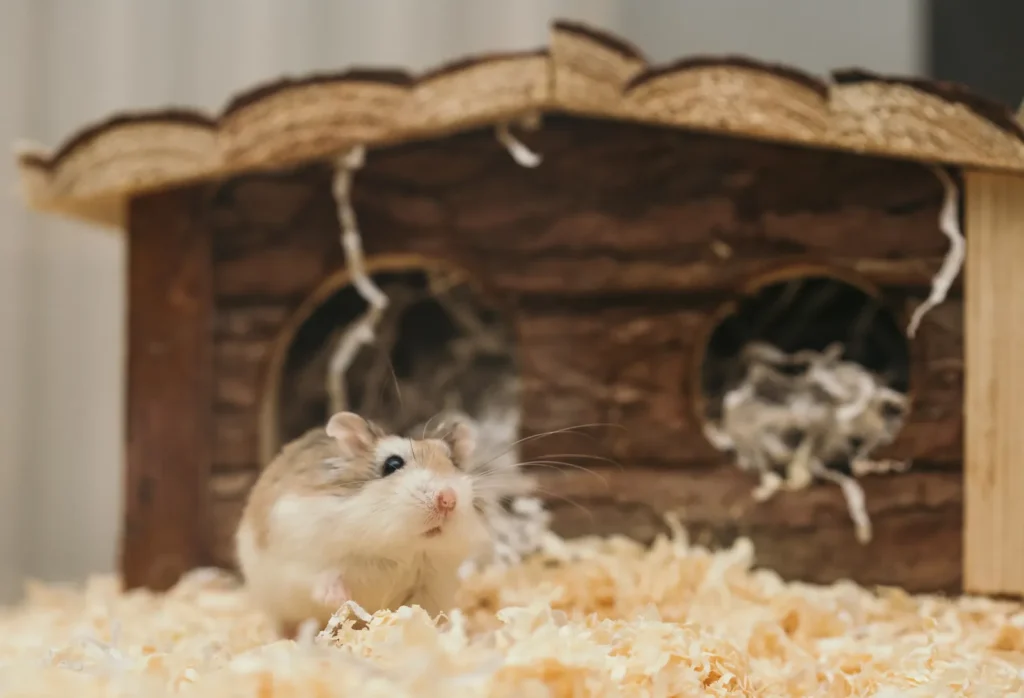
As a hamster caregiver, you’re responsible for meeting your new pet’s needs for a safe and clean habitat, a healthy diet, enrichment opportunities, and routine veterinary care. Consider your hamster’s habitat an investment in their health and happiness. This guide is built on that philosophy. Whether you’re setting up your very first hamster habitat, upgrading an inadequate current setup, or simply trying to understand your hamster’s behavior better, you’ll find everything you need here — grounded in current best practices from veterinary professionals and hamster welfare advocates.
Know Your Hamster: Popular Species and Their Unique Personalities
Before you configure the perfect habitat or settle on a feeding routine, understanding which species of hamster you have — or plan to get — is essential. Different species have genuinely different care needs, social structures, size requirements, and personality profiles. Treating all hamsters as interchangeable leads to mismatched care, and your hamster pays the price.
Syrian Hamsters
The Syrian hamster — also called the Golden Hamster or Teddy Bear Hamster — is the most widely kept pet hamster in the world, and for excellent reasons. Syrian hamsters, often affectionately called Golden Hamsters or Teddy Bear Hamsters, are among the most popular small pets in the world. With their chubby cheeks, soft fur, and inquisitive personalities, they make delightful companions for both new and experienced pet owners. Native to the arid regions of Syria, these hamsters are naturally solitary and nocturnal, meaning they’re most active at night and prefer to live alone. That solitary nature is one of the most critically important facts about Syrian hamsters — they are not social animals, they do not benefit from companionship, and housing two Syrian hamsters together is not a kindness but a genuine welfare issue that frequently leads to serious injury or death from territorial fighting. Unlike other species that may enjoy the company of their kind, Syrian hamsters are territorial and must have their own space.
Syrians are larger than dwarf species — typically 5–7 inches as adults — which means they need proportionally larger enclosures and bigger exercise wheels. Their larger size also makes them generally easier to handle, which is why they’re often recommended for first-time hamster owners who want to build a tactile relationship with their pet. Their temperament is typically curious, exploratory, and once properly socialized, tolerant of regular gentle handling.
Dwarf Hamster Species
The dwarf hamster category encompasses several distinct species, each with their own care nuances. Campbell’s Dwarf Hamsters and Winter White Dwarf Hamsters are the most commonly kept, and unlike Syrians, some individuals of these species can coexist peacefully with same-sex cagemates — though this requires careful introduction, ample space, and constant monitoring for signs of aggression. Chinese Hamsters are sometimes grouped with dwarfs but are technically a separate species with a distinctly slender, mouse-like body. All dwarf species are significantly more compact than Syrians — typically 2–4 inches — and are extraordinarily fast and agile, making them more challenging to handle and better suited for experienced hamster owners or those whose primary enjoyment comes from observing rather than interacting.
Roborovski Hamsters
Roborovski hamsters — affectionately called “Robos” by enthusiasts — are the smallest and fastest of the commonly kept pet hamsters, measuring just 1.5–2 inches as adults. Their eyesight is relatively poor, especially in low-light conditions, so they depend on olfactory cues to navigate their environment, locate food, and recognize others. Their acute sense of smell helps them identify territories and detect potential threats. Hearing is also a crucial sense for hamsters; they can detect a wide range of frequencies, including ultrasonic sounds. Robos are best described as “display pets” — fascinating, entertaining, and endlessly active to watch, but typically less tolerant of handling than Syrians or Campbells. Their speed and tiny size make secure handling genuinely challenging, which is an important consideration if handling interaction is a priority for you.
Setting Up the Perfect Hamster Habitat
This is where the gap between adequate hamster care and genuinely good hamster care is most starkly visible — and where the most important investment you’ll make in your hamster’s wellbeing happens. Getting the habitat right from day one prevents a cascade of welfare issues and behavioral problems that are much harder to address once they’ve developed.
How Big Does a Hamster Cage Really Need to Be?
Let’s address the most common hamster care mistake head-on: most commercially sold hamster cages are far too small for the animals they’re designed to house. The colorful, multi-level plastic habitats that dominate pet store shelves look entertaining and complex, but their actual floor space is typically woefully inadequate for an animal that runs miles every night. Hamsters require a spacious enclosure — minimum 450 square inches — with secure, chew-proof materials and safe, dust-free bedding for burrowing.
The research backing this minimum is compelling. A study examined the effects of cage size on golden hamsters housed in 4 different enclosure sizes. The results indicated that increasing cage size decreased basal core temperature — which has been shown to increase with stress — and increased the febrile response, meaning better resistance to infection and better mortality rate. In plain terms: bigger cage = less stress = better immune function = healthier, longer-lived hamster. The welfare implications are real and measurable, not theoretical. The most common mistake new hamster owners make is choosing a cage that’s too small. Despite their tiny size, hamsters are active creatures that love to explore, burrow, and run. The minimum recommended cage size is at least 450 square inches of unbroken floor space — but if you can go bigger, do it! A larger cage means a happier hamster.
Most hamster cages sold in stores are far too small for healthy, natural behaviour. Hamsters are active animals that run long distances, create deep tunnel systems, and reorganise their environment every night. Limited floor space or shallow bedding can disrupt natural behaviours and contribute to stress and poor sleep. A 40-gallon breeder tank (36″ × 18″, providing 648 square inches of floor space) is widely considered the gold standard entry point for Syrian hamsters. For dwarf species, the same minimum of 450 square inches applies — their smaller body size does not reduce their need for space, as their activity levels are proportionally just as high.
Choosing the Right Enclosure Type
Three main enclosure types work well for hamsters: glass aquariums or tanks with secure mesh lids, large plastic storage bins (bin cages) with ventilation cut into the lids, and appropriately sized wire cages with solid bases. Each has advantages and limitations worth understanding.
Glass tanks and aquariums provide excellent visibility, maintain humidity better than wire cages (beneficial for burrowing), and are completely escape-proof when fitted with a secure mesh top. They’re also chew-proof, unlike plastic, which persistent hamsters can gnaw through. Wire cages offer excellent ventilation and easy access, but the bar spacing must be narrow enough to prevent escapes — no more than 0.5 inches for Syrians and even narrower for dwarfs. Ventilation is critical, so an aquarium with a mesh or wire top, or a wire cage with a solid bottom, works well. Bin cages — large plastic storage bins modified with mesh ventilation panels — have become enormously popular in the hamster hobby because they offer exceptional floor space at low cost, deep sides that contain bedding, and complete customization. A 110-liter storage bin provides approximately 540+ square inches of floor space, exceeds the minimum requirement, and costs a fraction of commercial cages of equivalent size.
Bedding and Substrate: The Burrowing Imperative
Burrowing is not optional enrichment for hamsters — it is a fundamental behavioral need as essential as eating and running. In the wild, hamsters excavate intricate multi-chamber burrow systems that provide temperature regulation, predator protection, and psychological security. Denying a hamster adequate depth to burrow is the equivalent of denying them a basic instinctual outlet, and the consequence is chronic stress that manifests as bar-biting, repetitive pacing, and poor immune function. Add deep bedding: Use paper-based or aspen shavings to a depth of 6–12 inches. This allows for natural burrowing behavior.
A balanced, pelleted hamster diet with occasional fresh produce and treats supports digestive health and prevents nutritional deficiencies. Daily spot cleaning and weekly full enclosure sanitizing help maintain hygiene and prevent illness in hamsters. For bedding material, paper-based substrates (such as Carefresh or similar unscented paper bedding) are the most widely recommended because they’re absorbent, dust-free, safe to ingest in small quantities, and excellent for burrow construction. Aspen shavings are a solid alternative. Cedar and pine shavings should be strictly avoided — the aromatic compounds they release are toxic to small rodents and cause respiratory damage. Scented bedding of any kind should be avoided, as hamsters’ sensitive respiratory systems are easily irritated and damaged by artificial fragrances.
Temperature, Placement, and Environmental Safety
Since hamsters are sensitive to sound and temperature, place the cage in a quiet area, out of direct sunlight, and in a spot that stays at a stable, comfortable temperature. The ideal temperature range for most hamster species is 65–75°F (18–24°C). Below 60°F (15°C), Syrian hamsters in particular may enter torpor — a hibernation-like state that can be dangerous and even fatal if the owner isn’t aware it’s happening and mistakes it for death. Above 80°F (27°C), hamsters are at serious risk of heatstroke. Never place a hamster cage in direct sunlight, near heating vents, in drafty locations, or in areas with heavy foot traffic and noise — these are all chronic stressors that degrade health and quality of life over time.
The Hamster Exercise Wheel: A Non-Negotiable Essential
If the cage is your hamster’s world, the exercise wheel is their highway — the single most important piece of equipment in the entire habitat, and the one most frequently gotten wrong by well-intentioned owners. All hamsters need their wheels. In the wild, they can run up to 10 miles at night, and it’s their most active time. Without a wheel, hamsters will probably try and chew their way out of the cage with pent up energy and the need to be active.
Size matters enormously with exercise wheels, and the commercial pet industry’s standard wheel sizes are almost universally too small for the animals they’re sold alongside. The Veterinary Association for Animal Welfare recommends that wheels be at least 20 cm (7.9 inches) for Dwarf hamsters and at least 30 cm (12 inches) for Syrian hamsters, since wheels with smaller diameters can lead to permanent spinal damage. The critical test for wheel size is simple: when your hamster runs, their back should be completely flat — not arched upward in a curve. An arched back during wheel running indicates the wheel is too small and causes progressive spinal injury with regular use. Install a solid-surface wheel — minimum diameter 8 inches for Syrians, 6.5 inches for dwarfs. Avoid wire wheels — they can injure feet and tails.
The wheel surface must be solid — not wire mesh or bar-style rungs. Wire-surface wheels trap toes and cause serious injuries, including fractures and degloving wounds. Solid plastic or wooden wheels are the appropriate choice. The wheel should also run silently, since hamsters are most active at night and a squeaky wheel rapidly becomes a significant disruption to human sleep, which, in turn, leads to owners removing the wheel entirely, depriving their hamster of their primary exercise outlet. Invest in a quality, silent, appropriately sized solid wheel and consider it one of the most important purchases in your hamster’s entire setup.

Hamster Nutrition: What to Feed, What to Avoid, and How Much
Hamster nutrition is simpler than many people fear, but it does require more thought than simply filling a bowl with whatever seed mix is on sale at the grocery store. Hamsters are opportunistic omnivores with specific nutritional needs that vary somewhat by species, but broadly follow the same general framework across all commonly kept pet species.
The Core Hamster Diet
The daily diet of a hamster should primarily consist of commercial hamster pellets, complemented with fresh vegetables and a small quantity of fruit. Specifically, aim for 80% of the diet to be pellets, 15% fresh vegetables, and 5% fruits and treats. Commercial pellets are superior to seed mixes as a dietary staple because they prevent selective feeding — the frustrating habit hamsters have of eating only the highest-fat seeds from a mix while leaving the more nutritionally complete components. With pellets, every mouthful provides complete nutrition rather than the nutritional lottery of seed-selective feeding. Hamsters require a healthy diet, enrichment opportunities, and routine veterinary care. Fresh water should be available at all times, provided via either a sipper bottle (which stays cleaner than open bowls) or a shallow, heavy ceramic bowl that can’t be tipped over.
Safe Fresh Foods and Treats
Hamsters are naturally omnivores and need a variety of food to be truly happy and healthy. Hamsters can have a basic commercial food for their basic diet, but you will need to supplement it with fruits and veggies. Hamsters can also enjoy bits of cooked meat, eggs, crickets, mealworms, and even a bit of peanut butter. Safe vegetables include broccoli, cucumber, romaine lettuce, bell pepper, zucchini, cauliflower, and small amounts of carrots. Safe fruits — offered very sparingly due to their sugar content — include apple (no seeds), blueberries, strawberry, and pear. Fresh foods should be introduced into a hamster’s diet as a supplement to commercial food, following a rough guideline of 10% vegetables and 5% fruits of their total dietary intake. Always introduce new foods one at a time in small quantities to monitor digestive tolerance, and remove any uneaten fresh food from the enclosure within 24 hours to prevent mold and bacterial growth.
Foods That Are Dangerous for Hamsters
The list of foods to strictly avoid includes several that appear harmless but are genuinely toxic to hamsters. Onions, garlic, leeks, and chives are toxic and should never be offered. Citrus fruits cause digestive upset and should be avoided. Grapes and raisins — despite being safe for some other animals — are potentially dangerous for hamsters. Almonds contain cyanide compounds and are off-limits. Chocolate and caffeine are toxic in even small amounts. You should also exercise caution when handling seeds. Several types of seeds are hazardous to hamsters. Apple and cherry seeds contain cyanogenic compounds and should always be removed before offering any fruit. Watermelon is too watery and can cause diarrhea. Any processed human food — crackers, chips, bread — that contains salt, sugar, preservatives, or artificial flavoring should be completely avoided. When in doubt about any new food, research its specific safety for hamsters before offering it.
Enrichment and Mental Stimulation: Keeping Your Hamster Happy
Enrichment is what transforms a cage from a container into a genuinely stimulating habitat — and it’s one of the areas where hamster owners have the most creative latitude and the most direct positive impact on their pet’s daily quality of life. A hamster with adequate enrichment is busy, engaged, and behaviorally healthy. A hamster without it develops stereotypies — repetitive, purposeless behaviors like bar-biting and repetitive pacing that are the unmistakable hallmarks of chronic boredom and stress.
Hamsters are very active pets. They enjoy running, climbing, and tunneling. You can support these habits in several ways: Maintain bedding several inches thick in the enclosure for tunneling and burrowing. Include a running wheel that’s at least 8 inches in diameter for large hamsters, such as the Syrian, and 6 inches in diameter for dwarf hamsters. Beyond the wheel, essential enrichment categories include hides and nesting spaces (your hamster needs a dark, enclosed sleeping area they can fill with nesting material), foraging opportunities (scattering food through the bedding rather than always placing it in a bowl engages your hamster’s natural foraging drive and adds genuine mental stimulation), chewing materials (wooden chews, mineral blocks, and untreated wooden toys help satisfy the constant urge to gnaw that keeps their continuously growing teeth at a healthy length), and sand baths. Offering sand baths to your hamster once or twice a week is also a great option for enrichment, and it will help them clean off excessive oil in their coats. It’s important to remove the sand bath after about 15–20 minutes to prevent any eye irritation or respiratory irritation.
DIY Enrichment Ideas That Cost Almost Nothing
Some of the most effective hamster enrichment items cost nothing at all — a fact that makes genuinely good hamster care accessible at any budget. Toilet paper and paper towel tubes make excellent tunnels that hamsters love to run through, stuff with nesting material, and chew. Cardboard boxes — cereal boxes, tissue boxes, small shipping boxes — become instant hideaways and foraging puzzles when you scatter food inside them. Safe DIY options include paper bags and cardboard boxes that encourage exploration and nesting behaviors. Additionally, paper towel rolls serve as excellent tunnels that cater to a hamster’s natural burrowing instincts. When using these materials, ensure they are clean and free from ink, adhesives, or small pieces that could be ingested. Rotate enrichment items weekly rather than leaving the same setup indefinitely — novelty is itself enriching, and a hamster encountering a rearranged habitat with new items explores and investigates with a level of engaged energy that demonstrates the direct behavioral benefit of environmental variety.
Taming, Handling, and Bonding With Your Hamster
One of the most rewarding aspects of hamster ownership — and one of the most frequently rushed, with disappointing results — is the process of building genuine trust and comfort between you and your hamster. Hamsters are prey animals whose first instinct in response to unexpected handling is fear. The taming process is about systematically replacing that fear response with trust and comfort, and it requires patience, consistency, and genuine respect for your hamster’s pace and signals.
Step-by-Step Taming Process
Begin by allowing your hamster at least one full week to settle into their new environment before attempting any handling. During this settling period, speak to your hamster softly near the cage so they begin associating your voice with safety. Offer treats through the cage bars or habitat door so your scent becomes associated with positive experiences. After the settling period, begin by simply placing your hand flat inside the cage with a treat on your palm, allowing your hamster to approach, investigate, and take the treat without any attempt to pick them up. Playtime or out-of-cage time is a great way to get to know your hamster and build trust. Think of playtime as bonding with your hamster, not taming. Taming implies some hierarchy, whereas bonding implies a more equal relationship where you are both building trust.
Progress to gently cupping your hamster in your hands once they’re reliably approaching and taking treats from your palm without startling. Keep initial handling sessions very brief — just a minute or two — and conduct them close to the ground or over a soft surface in case of dropping. Gradually extend session length as your hamster’s comfort increases. Never grab or chase your hamster, never wake them abruptly from sleep to handle them (hamsters are naturally defensive when startled from sleep), and always interpret and respect body language signals — a hamster that freezes, bares their teeth, or attempts to escape is communicating clearly that they’ve reached their tolerance limit for the session.
Playtime Outside the Cage
Regular supervised out-of-cage time enriches your hamster’s life enormously and builds the bond between you in ways that in-cage interactions alone cannot replicate. Hamsters can go in their ball around 10–15 minutes at a time, a few times per week. Some hamsters prefer to free roam outside of the ball, and if they have an exercise wheel in their enclosure, this will also help them get the exercise and steps they need daily. Exercise balls are a controversial topic in the hamster community — many welfare advocates argue that the poor ventilation, disorienting movement, and inability to stop at will make them stressful for hamsters. A safer alternative that most experienced hamster owners prefer is a secure playpen — a contained, escape-proof space with enrichment items where your hamster can explore freely while you observe. Give your hamster time for exercise outside the cage each day in a secure playpen. Hamster-proof the play area thoroughly before each session — check for escape routes, electrical cords, toxic houseplants, and other hazards that a small, fast, curious animal could encounter.

Hamster Health: Signs of a Healthy Hamster and Common Issues to Watch For
Proactive health monitoring is one of the most important responsibilities of hamster ownership, particularly because hamsters are prey animals that instinctively conceal signs of illness until they’re often quite advanced. By the time a hamster looks obviously sick, they’ve typically been unwell for some time. Regular gentle observation of your hamster’s behavior, appearance, and habits is your primary early warning system.
A healthy hamster is active during their waking hours, has clear, bright eyes, eats and drinks normally, has clean, soft fur without bald patches or excessive oiliness, moves freely without limping or difficulty, and produces normal dry droppings. A hamster’s teeth grow continuously throughout their life — chewing helps hamsters keep their teeth ground down to a manageable size. Check your hamster’s teeth periodically — overgrown teeth can prevent proper eating and require veterinary attention. Common health issues in hamsters include Wet Tail (a serious bacterial diarrheal illness that is rapidly fatal if untreated, requiring immediate veterinary care), respiratory infections (evidenced by clicking breathing sounds, discharge from nose or eyes, and lethargy), dental problems, skin and coat issues related to mites or ringworm, and obesity from overfeeding high-fat treats. Though smaller and generally less expensive to keep than dogs and cats, hamsters require focused care like any other pet. Finding a small animal veterinarian in your area before your hamster has a health crisis — not during one — is a basic responsibility that too many hamster owners overlook until it’s urgent.
Hamster Care Quick-Reference Chart
| Care Category | Requirement | Key Details |
|---|---|---|
| Minimum Cage Size | 450 sq inches floor space | Minimum 8–12 inches in diameter |
| Bedding Depth | 6–12 inches | Paper-based or aspen; no cedar/pine |
| Wheel Size (Syrian) | Minimum 6.5–8 inches in diameter | Solid surface only; no wire mesh |
| Wheel Size (Dwarf) | Minimum 6.5–8 inches diameter | Silent spinner style preferred |
| Core Diet | 80% quality pellets | Supplement with 15% veg, 5% fruit/treats |
| Fresh Food Frequency | Small amounts daily | Remove uneaten food within 24 hours |
| Water | Fresh daily | Sipper bottle or heavy ceramic bowl |
| Spot Cleaning | Daily | Remove soiled bedding and old food |
| Full Clean | Every 1–2 weeks | Partial clean preserves scent familiarity |
| Temperature Range | 65–75°F (18–24°C) | Never below 60°F or above 80°F |
| Sand Bath | 1–2 times per week | Remove after 15–20 minutes |
| Out-of-Cage Time | Several times per week | Secure playpen; supervised at all times |
| Vet Check | Annually minimum | Find an exotic/small animal vet proactively |
| Syrian Housing | Always solitary | NEVER house two Syrians together |
Conclusion
The journey from picking up a hamster at a pet store to truly mastering their care is one of the most rewarding small-scale commitments in the pet world — but it requires far more knowledge, intentionality, and investment than the “starter pet” reputation suggests. A hamster living in an appropriately sized enclosure with deep burrowing substrate, a properly sized silent wheel, a varied and nutritious diet, regular enrichment rotation, gentle, respectful handling, and proactive health monitoring is a genuinely different animal from one crammed into a tiny plastic cage with a wire wheel and a bowl of seed mix. The behavioral difference is immediate and dramatic. The health difference, over months and years, is profound.
You now have everything you need to be the exceptional hamster owner your small companion deserves. From choosing the right enclosure size to calculating the correct wheel diameter, from building a balanced diet to taming with patience and respect, every element of excellent hamster care is within your reach. These are not expensive or complicated requirements — they’re thoughtful ones, built on understanding what hamsters actually are: remarkable, complex, behaviorally rich little animals who thrive when their natural needs are honored. Honor those needs, and the rewards — a curious, active, trusting hamster who genuinely flourishes in your care — are completely worth every bit of effort.
Frequently Asked Questions (FAQs)
1. How often should I clean my hamster’s cage? Spot clean daily — removing soiled bedding, leftover fresh food, and any droppings you can see — to prevent ammonia buildup and bacterial growth. A partial deep clean every 1–2 weeks works well for most setups: replace about two-thirds of the bedding while leaving some unchanged to preserve your hamster’s scent markers, which provide psychological comfort and security. A full, complete clean of the entire enclosure should happen monthly. Avoid over-cleaning — hamsters can become stressed when all their carefully arranged scent landmarks are wiped away simultaneously.
2. Can I keep two hamsters in the same cage? It depends entirely on the species. Syrian hamsters must always be housed alone — housing two Syrians together, regardless of sex or age, will result in serious injury or death from territorial fighting. Some dwarf species (particularly Winter Whites and Campbells) can sometimes coexist in same-sex pairs, but this requires careful introduction, ample space, multiple food stations and hides, and constant monitoring for signs of aggression. Roborovski hamsters are sometimes kept in pairs but can also develop aggressive conflicts. When in doubt, single housing is always the safest choice for hamster welfare.
3. My hamster sleeps all day — is this normal? Absolutely. Hamsters are naturally crepuscular to nocturnal, meaning they’re most active at dusk, through the night, and into early morning. Sleeping during daylight hours is completely normal hamster behavior, not a sign of illness or unhappiness. Avoid waking your hamster during their sleep period — being startled awake is stressful and can result in defensive biting even from an otherwise tame hamster. Schedule handling and interaction for evening hours when your hamster is naturally alert and active.
4. How long do hamsters live? Most hamster species live approximately 2–3 years, though individuals with exceptional care sometimes reach 3–4 years. Syrian hamsters average 2–3 years, Dwarf hamsters 1.5–2 years, and Roborovski hamsters — surprisingly — are the longest-lived at up to 3–3.5 years with excellent care. Their relatively short lifespan makes every element of their daily care disproportionately impactful: a year of genuinely excellent care represents a significant fraction of their entire life.
5. How do I know if my hamster is sick? Watch for these warning signs: significant weight loss or gain, changes in eating or drinking habits, discharge from eyes or nose, labored or clicking breathing, diarrhea or unusually wet fur around the tail (a serious emergency requiring immediate veterinary care), bald patches, lethargy or unusual inactivity during normally active hours, hunched posture, or difficulty walking. Hamsters are masters at concealing illness until it’s advanced, so any behavioral change that persists for more than 24 hours warrants a call to your small animal veterinarian. Always have a reptile/exotic-knowledgeable vet identified before an emergency — finding one in the middle of a crisis is significantly harder than having the relationship established in advance.





Leave a Comment