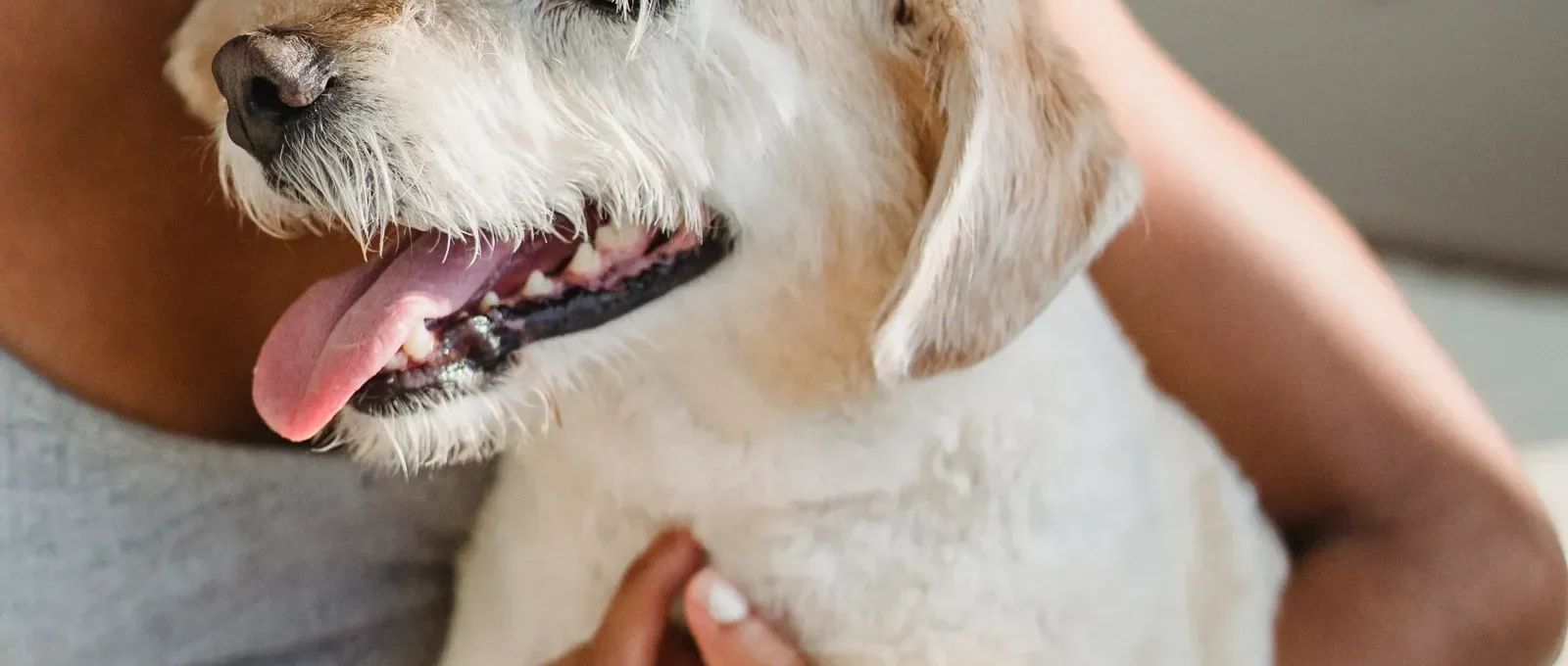

There is something that happens the moment you lock eyes with a dog who truly trusts you — a full-body stillness, a soft exhale, a warmth that settles somewhere behind your sternum and stays there. It’s not sentimental exaggeration. It’s biology. The bond between a human and their dog is one of the most well-documented, scientifically validated emotional connections in the animal kingdom, and when it’s built correctly — with patience, consistency, and genuine understanding — it transforms not just your relationship with your dog but the entire texture of your daily life.
Bonding with your dog is one of those things that sounds simple but is actually a rich, multi-layered process that takes real intentional effort. You can love a dog wholeheartedly and still not have a truly deep bond with them — because love and bonding are not the same thing. Love is what you feel when you look at them. A bond is what your dog feels when they look at you. It’s trust, security, clear communication, and the accumulated weight of a thousand small moments — the walk, the training session, the quiet evening on the couch, the time you stepped between them and something that scared them. The bond you share with a dog is a big part of why they trust you. Bonded dog-pet parent pairs experience less mutual frustration, get better training results, and are a joy to be around. A strong bond is your ticket to stress-free adventures together.
This guide covers 12 genuinely effective, science-backed ways to build and deepen the bond with your dog — whether you’ve just brought home a new puppy, adopted an adult rescue, or simply want to take a relationship that’s already good and make it extraordinary. Whatever your starting point, the path forward is here.
Why the Human-Dog Bond Is One of the Most Powerful Relationships on Earth
Before we get into the how, let’s spend a moment appreciating the why — because understanding what makes the human-dog bond so extraordinary is itself a powerful motivator for investing in it properly. This isn’t just a relationship of convenience or habit. It’s something that has been building for roughly 15,000 years and is now so deeply woven into both human and canine neurology that we genuinely change each other’s brain chemistry simply by being in each other’s presence.
Several scientific studies have documented the benefits of the human-animal bond — when we add a pet into our lives, we improve our physical and mental health. Bonding with your dog is essential for a positive long-term relationship, and it can improve mental and physical wellbeing. When you and your dog make mutual eye contact, both of your bodies release oxytocin — the same “love hormone” that floods new parents when they look at their newborn baby. Regular positive interactions between dogs and their pet parents can increase oxytocin, also known as the love hormone, which can do a lot to improve your bond. Daily rituals, such as walks and playing a favorite game, also help release oxytocin.

“The emotional connection between humans and dogs is the essence of the relationship,” said Clive Wynne, a professor of psychology and director of the Canine Science Collaboratory at Arizona State University. That connection is not incidental to dog ownership — it is dog ownership, in its most meaningful form. Everything else — training, exercise, feeding, grooming — serves it and flows from it. When the bond is strong, every other aspect of life with a dog becomes easier, more joyful, and more mutually enriching.
What Makes a Dog Bond — and What Gets in the Way
Not every dog owner has an equally strong bond with their dog, and that gap isn’t always about love or intention. Several factors influence how quickly and deeply a bond develops, and understanding them helps you approach the process with realistic expectations. It’s not always easy to bond with a dog as several factors can impact the bond-building process: your dog’s age (older dogs might have established preferences and habits that can be tougher to change); your former training methodology (pet parents who have used punitive training techniques might find their dog is less willing to experiment during the bonding process); your dog’s breed (some breeds skew more independent than others); and your dog’s personal history (adult rescue dogs who weren’t appropriately socialized or experienced neglect or trauma might be slower to warm to the bond-building process).
Bonding with your dog can take days, weeks, or months, says Nicole Kohanski, Human-Animal Bond certified by the American Veterinary Medical Association and certified dog behaviorist. Timing depends on a dog’s age and history. For example, it may take longer to bond with rescue dogs than with puppies — but the journey is worth it. The most important thing to understand is that bonding is an ongoing process, not a one-time event. You don’t “achieve” a bond and then coast. You build it, maintain it, deepen it — and it responds directly to the quality of attention you give it.
12 Science-Backed Ways to Bond With Your Dog the Right Way
1. Learn to Read Your Dog’s Body Language
The foundation of every strong bond is communication — and with dogs, that means learning to read a language that has nothing to do with words. The best way to build a strong bond with your dog is by learning to read their facial expressions and body language. Once a pet parent learns what their dog is trying to say, the door to improved understanding and communication opens. A confident and alert dog holds their ears forward, head up, and tail up. When a dog has their ears turned to the side, head lowered, avoids eye contact, and has their tail lowered or tucked between their legs, they are conveying a message of fear, anxiety, and potentially stress.
Think about what it would mean to you if someone who claimed to love you never actually listened to what you were trying to say. That’s what it feels like from a dog’s perspective when their humans consistently miss or override their communication signals. Understanding your dog’s body language is one of the most powerful ways to strengthen your bond. Dogs communicate how they feel through their posture, tail movements, ears, eyes, and overall behavior. Learn the difference between a relaxed tail wag and a stiff, alert stance. By recognizing their signs of stress, fear, or excitement, you can respond more appropriately to their needs and better manage potentially stressful situations. When your dog sees you noticing and responding to what they’re trying to tell you, something shifts in the relationship — they begin to understand that you see them, hear them, and can be trusted with their feelings. That understanding is the beating heart of genuine bonding.
2. Use Positive Reinforcement Training Every Day
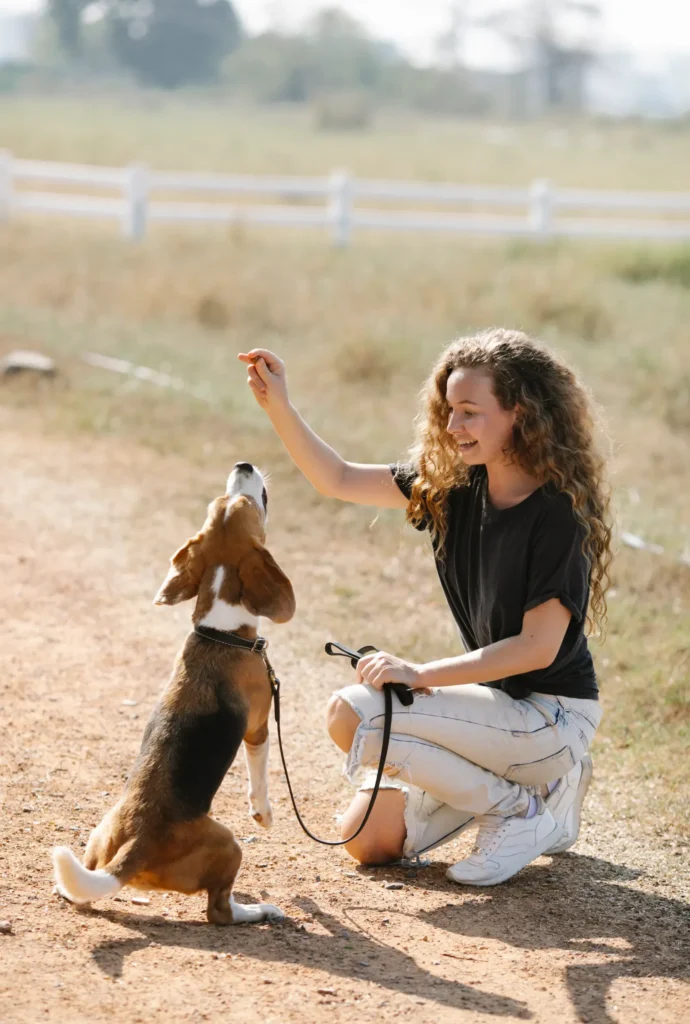
Here’s something that surprises many dog owners: training isn’t separate from bonding — it is bonding. Every positive training session is a conversation between you and your dog, a shared activity with a clear structure of communication, effort, and reward that builds trust and mutual understanding session by session. Training your dog using positive reinforcement is not only effective, but it’s also a relationship builder. Rewarding good behavior with treats, praise, or playtime reinforces your bond and creates a safe space for learning. Avoid punishment-based methods, which can damage trust and create confusion or fear. Instead, focus on consistency, patience, and celebrating progress.
Dog-friendly, positive training not only teaches your dog how to be a polite family member, it’s also a fantastic way to create a team dynamic. Positive training uses some kind of a reward to reinforce the behaviors you want. It’s creative and flexible, and the impressive results you’ll get from it are a testament to the strength of your relationship. Continuing your lessons throughout your dog’s life not only ensures that skills remain fluent, it’s also a fun way to provide important mental stimulation. Keep sessions short — five to ten minutes is often more effective than a long, exhausting session — and always end on a success. The goal isn’t just to teach commands; it’s to give your dog the repeated experience of succeeding with you by their side. That experience, accumulated over hundreds of sessions, builds a bond of remarkable depth and resilience.
3. Play Together — the Right Way
Play is not a nice-to-have add-on to bonding — it might be the single most powerful bonding tool available to dog owners, and the science behind this claim is genuinely compelling. A new study published in the journal Royal Society Open Science shows that extra playtime strengthens the emotional bond between owner and dog. Increasing the amount of play time with a dog improved the pair’s emotional bond. “This is a great result that you can only dream of! It turned out that the play group improved their emotional bond to the dog in just four weeks with a few minutes of extra play a day,” said Roth.
But here’s the crucial nuance: it’s not any play that produces this effect. It’s interactive, social play — play where you are an active, engaged participant rather than just launching a ball into the distance. “Just throwing a ball isn’t enough,” said Roth. “As we were after the social interaction between dog and human, the games we proposed in the study were for example tug-of-war, rough and tumble, chasing each other, hide-and-seek, peekaboo or teasing the dog a little with your fingers.” Ultimately, the most important thing for dog owners is to find a game that the animal responds positively to. “A few minutes every now and then seems to make a big difference.” Interactive games like fetch, tug-of-war, or hide-and-seek aren’t just fun — they’re scientifically proven to build trust and improve your dog’s confidence. Tug-of-war has been shown to enhance cooperation without increasing aggression when played fairly.
4. Build a Consistent Daily Routine
Dogs are creatures of predictability, and nothing communicates safety and trustworthiness quite like being the kind of owner whose behavior they can reliably count on. When your dog knows that walks happen at the same time every morning, that dinner appears at the same hour each evening, and that their bedtime ritual unfolds the same comfortable way night after night, the cumulative effect on their emotional security — and therefore on the depth of their bond with you — is profound. Dogs thrive on routine. Predictable mealtimes, walks, play, and rest help your dog feel safe and secure, especially if they’re new to your home. When your pup feels safe and like they can count on you to follow through with their routine, it’ll be easier for them to trust you. A consistent schedule also reduces anxiety and can make it easier to train your dog, including potty training.
Feed them at the same times daily, use consistent cues for commands, and establish calm rituals around waking, walks, and bedtime. Trust is created when your dog knows what to expect — and knows they can count on you to deliver love, care, and safety. The routine itself becomes a form of communication — a daily, wordless reassurance that you are reliable, attentive, and committed. And reliability, at its core, is what trust is made of.
5. Make Eye Contact and Talk to Your Dog
This one might seem obvious, but the intentionality with which you do it matters more than you might think. Casual glances are nice. Intentional, warm eye contact — the kind where you’re genuinely present and making a real connection — is neurochemically transformative. Research published in Science by Japanese researchers Nagasawa et al. demonstrated that mutual eye contact between dogs and their owners triggers a release of oxytocin in both species — essentially activating the same biological bonding mechanism that operates between human parents and infants. Regular positive interactions between dogs and their pet parents can increase oxytocin, also known as the love hormone, which can do a lot to improve your bond.
Talk to your dog too — not just commands, but actual conversation. Tell them about your day. Narrate what you’re doing. Ask them questions you know they can’t verbally answer but whose asking you both somehow enjoy. Research suggests that dogs process the emotional tone of human speech and respond to it meaningfully. Dogs raised in homes where owners talk to them extensively tend to be more attuned to human communication, more responsive to training, and — not coincidentally — more deeply bonded to their people. Be predictable in your communication: clear, consistent language builds understanding and trust. For example, saying “outside” every time you take your dog out helps them associate the word with the action.
6. Groom Your Dog Regularly
Grooming is one of the most underappreciated bonding activities available to dog owners — underappreciated because it looks like maintenance from the outside but feels like profound intimacy from the inside. Studies have shown that activities like brushing, petting, or cuddling your dog increase oxytocin levels (the “love hormone”) in both dogs and humans, fostering trust and emotional connection. In dog social groups, mutual grooming is a primary bonding behavior — it communicates care, trust, and connection in the most direct physical terms possible. When you groom your dog, you’re speaking that same language.
Grooming activities such as brushing and bathing are great bond builders. The physical touch, close connection, and care in these activities can help boost trust and reduce anxiety. Plus, regular grooming keeps their coat and skin healthy. Remember to pay attention to your dog’s body language during grooming for signs of disinterest or distress. Start slowly with dogs who aren’t used to being handled — short sessions, gentle touch, frequent rewards — and let the process build naturally. A dog who has learned to love grooming sessions has learned to associate your touch with safety and comfort, which is one of the most powerful foundations for deep bonding that exists.
7. Go on Adventures Together
The walk is the classic human-dog shared experience, and it’s classic for good reason — but genuine bonding thrives when you push beyond the familiar neighborhood loop and into genuinely new territory together. Studies show that participating in outdoor activities together strengthens the human-dog bond by providing quality time and physical exercise. It’s about the journey, not the destination: letting your dog sniff and explore reduces stress and fulfills their natural curiosity. Try switching up your route to make the activity more stimulating for both of you.
Taking your dog to new environments, such as a different park or a pet-friendly café, is beneficial for their mental stimulation. Research indicates that shared adventures help dogs feel secure and deepen the bond with their owner through positive experiences. There’s something specifically bonding about navigating novelty together — a new trail, an unfamiliar town, a beach neither of you has visited before. The slight uncertainty of a new environment makes your dog look to you for cues, and when you respond with calm confidence, you become the anchor that makes the unknown feel safe. That dynamic — “I’m uncertain, but you’re here, and you make it okay” — is one of the most powerful bond-deepening experiences a dog can have.
8. Hand-Feed Occasionally
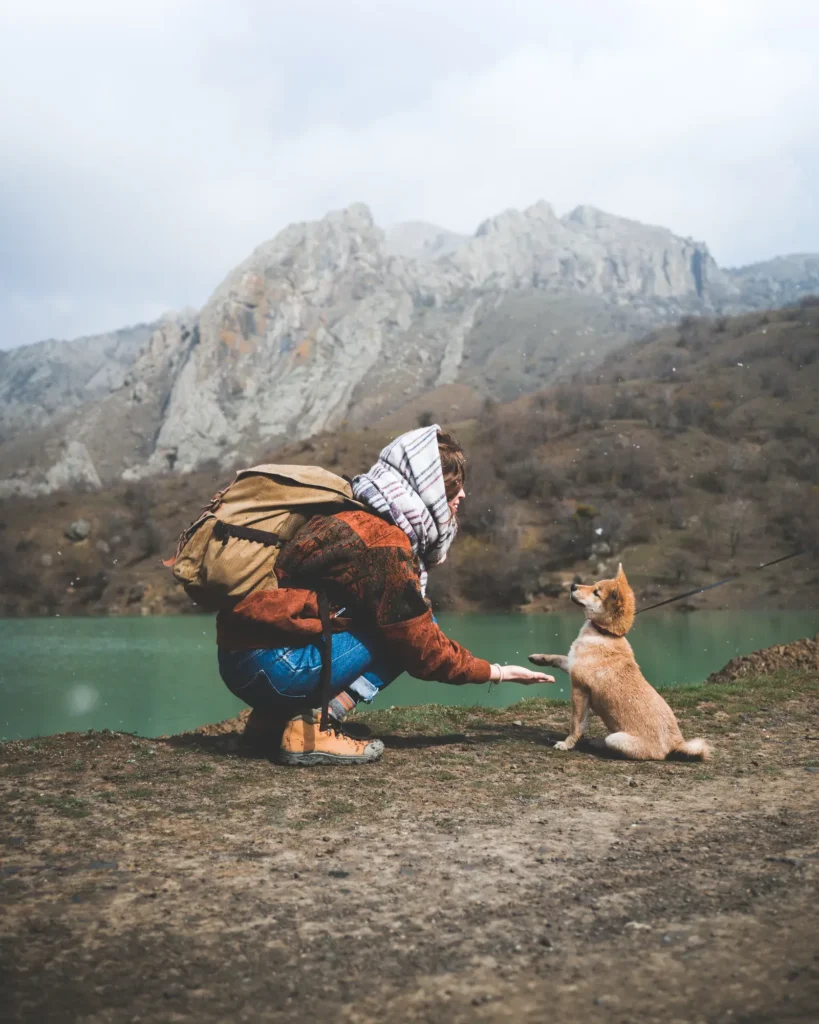
This one is simple, free, and produces results that are disproportionate to the minimal effort involved. Treats aren’t just rewards — they’re a bonding tool. High-value snacks during training build positive associations, while hand-feeding a few bites during quiet time strengthens emotional connection. When you hand-feed your dog — offering their kibble directly from your palm, letting them take treats gently from your fingers, or simply sharing a piece of dog-safe food from your hand during meal prep — you’re associating yourself with one of the most powerful positive experiences in your dog’s life.
For dogs who came from difficult backgrounds or who are naturally more cautious with humans, hand-feeding is one of the most effective trust-building tools available. It requires the dog to approach voluntarily, to make physical contact on their own terms, and to associate that contact with the deeply satisfying experience of receiving food. Over time, the mere act of reaching toward your dog can trigger a positive conditioned response — a biological “safe signal” — that gradually dissolves hesitation and builds confidence in your relationship.
9. Respect Your Dog’s Space and Boundaries
Great bonding is not about maximum physical contact or the most expressive human enthusiasm — it’s about reading what your dog actually needs in any given moment and honoring it, even when that means backing off. Advocate for your dog in new or stressful situations, and don’t force them into uncomfortable interactions with people or other animals. Pay attention to what makes your dog uneasy, and step in to protect their emotional and physical wellbeing. Example: If a stranger approaches you and your dog while on a walk and your pup appears uncomfortable, don’t be afraid to say no if they ask to pet your pup.
Creating a healthy relationship with your new dog means giving them space to learn the ropes. A new environment can be a scary place — your new dog may be feeling overwhelmed or try to test boundaries to settle into their new home. Respecting your dog’s boundaries sends a message that is more powerful than most people realize: I see you. Your comfort matters more to me than my desire to interact with you right now. Dogs who feel genuinely respected by their owners — whose signals of discomfort are consistently noticed and honored — develop a trust that goes beyond mere affection into something closer to genuine partnership.
10. Try Dog Sports or Nose Work
Once the basics of your bond are in place, structured activities that give you both something to work toward together can take the relationship to an entirely new level. Participating in dog sports, such as agility, herding, scent work, or Barn Hunt, is a great opportunity to strengthen the human-animal bond. These are great activities to work on improving physical fitness, mental enrichment, and teamwork. Dog sports allow both pet parent and dog to work on achievable goals, such as getting a title in their chosen sport.
Nose work deserves a special mention for dogs at any fitness level, including older dogs and those with physical limitations, because it leverages one of the most powerful things a dog can do — use their extraordinary sense of smell — in a game that requires them to work with you toward a shared goal. Science supports the idea that training in novel environments improves your dog’s focus and adaptability. Whether it’s a park or a quiet trail, practicing commands in new places strengthens your dog’s reliance on you while boosting their confidence. The team dynamic that develops through any structured activity — the trust, the communication, the shared victories — deposits enormous amounts of relational wealth into the account of your bond with your dog.
11. Share Quiet Time — Just Being Present
Not every bonding moment needs to be an activity. Some of the most powerful bonding experiences are the ones that look like nothing from the outside — a Sunday afternoon on the couch, a quiet evening reading while your dog sleeps across your feet, sitting together in the garden and just watching the world go by. Science has shown that dogs synchronize their stress levels with their owners. Sharing quiet moments, whether lounging on the couch or enjoying nature, promotes relaxation and strengthens your emotional bond.
Dogs are extraordinarily attuned to human presence and emotional state, and the experience of simply being near you in a state of calm, mutual relaxation communicates safety and belonging in a way that active engagement sometimes can’t replicate. From their daily walks to lounging together before bed, sometimes the little things we do with our pet by our side create the safest and longest-lasting bonds. Other small things you can do to build a bond with your dog: share mealtime — if your dog eats promptly at 6, join them, especially if they are a social eater. Presence — genuine, phone-down, distraction-free presence — is one of the rarest and most valuable gifts you can give your dog.
12. Advocate for Your Dog in Every Situation
The final and perhaps most underappreciated component of deep bonding is advocacy — being the person who consistently steps up to protect your dog’s interests, comfort, and emotional safety in every situation they encounter. If you don’t bond with the dog, then the dog will add to caregiver burden. Caring for a dog you don’t like increases stress and may foster feelings of resentment, dissatisfaction, and unhappiness. When people choose to open their hearts and home to a dog, they choose to embrace a life with a loving and loyal companion.
Advocate for your dog in new or stressful situations, and don’t force them into uncomfortable interactions with people or other animals. Pay attention to what makes your dog uneasy, and step in to protect their emotional and physical wellbeing. Say no to the well-meaning stranger who wants to rush at your nervous dog. Cut the visit short when you can see your dog is overwhelmed. Leave the dog park when the dynamic feels off. Choose the quieter route when your dog is having a hard day. Every single time you prioritize your dog’s wellbeing over social convenience or external expectation, you make a deposit into the trust account of your relationship that your dog notices, registers, and remembers.
Bonding Activities by Personality Type: Quick Reference
| Dog Personality | Best Bonding Activities | What to Avoid |
|---|---|---|
| High Energy / Athletic | Dog sports, hiking, fetch games | Long periods of confinement |
| Shy / Anxious | Quiet time, hand-feeding, gentle grooming | Forcing social interactions |
| Playful / Social | Interactive play, group training classes | Isolation or lack of stimulation |
| Independent / Aloof | Nose work, calm training, respecting space | Over-handling or forced affection |
| Senior / Low Energy | Gentle walks, quiet presence, easy training | High-impact exercise |
| Rescue / Trauma Background | Patience, routine, hand-feeding, advocacy | Rushing the bonding process |
The Science Behind the Human-Dog Bond
The neurochemistry of human-dog bonding is one of the most fascinating areas of modern animal behavior research, and what scientists have discovered in recent years has elevated our understanding of this relationship far beyond casual sentiment. The oxytocin loop — where mutual eye contact between a human and their dog triggers oxytocin release in both — is now well-established in peer-reviewed literature. But it goes even further than that. Research has shown that dogs are uniquely attuned to human emotional states, that they regulate their own stress levels in synchrony with their owners, and that the bond formed between a dog and a human activates brain regions associated with love and reward that are remarkably similar to those activated in human-to-human attachment.
Understanding your dog’s body language and using positive reinforcement techniques are important steps to building trust and communication. Routine activities like grooming, walking, and playing can strengthen your relationship with your dog. Prioritize reward-based interactions to create a safe and supportive environment for your dog. What makes all of this practically meaningful is that the bond is bidirectional and responsive — it grows stronger with positive interactions and weakens with negative ones. You are, in a very real neurological sense, shaping your dog’s brain with every interaction you have with them. That’s both a profound responsibility and an extraordinary opportunity.
How to Tell If Your Bond Is Actually Getting Stronger
It’s worth having some tangible markers for assessing whether your bonding efforts are actually working — because progress in relationship-building can be subtle and slow enough to be easy to miss. Dogs who have a strong bond with their people tend to feel more secure and understood. Here are the signs that tell you you’re moving in the right direction. Your dog checks in with you frequently on walks — voluntarily looking back at you, choosing to stay near you rather than always pulling ahead. They choose to be near you when given freedom in the home, gravitating toward whichever room you’re in rather than seeking isolation. They show excitement at your return that is specifically about you — not just the excitement of any human entering the space. They are more relaxed in situations that previously made them anxious, because your presence is a reliable source of calm. They recover more quickly from startling experiences, because they’ve learned that with you present, the world is generally okay.
The play group saw a significant boost in their emotional bond, and the owners also reported their dogs seemed to view them more positively and initiated play more often. That last indicator — your dog initiating interaction with you — is one of the most telling signs of genuine bonding. When your dog brings you a toy to play with, nudges your hand for attention, or simply comes to rest against you unprompted, they are making a choice. They’re telling you, in their language, that being near you is something they actively want. That, more than any training achievement or behavioral milestone, is the truest measure of a bond built right.
Conclusion
Bonding with your dog the right way is not a project with a completion date. It’s a living, breathing, daily commitment to showing up with patience, attentiveness, and genuine care — and it rewards that commitment in ways that compound beautifully over time. The dog who is deeply bonded to their owner is not just a better-behaved dog or an easier-to-manage dog. They are a dog who moves through the world with confidence and security, who looks at you with a trust that is one of the most genuinely moving things a person can witness, and who makes the entire experience of dog ownership something that enriches your life in ways you probably underestimated when you first brought them home.
Like most relationships, there is some work needed in order for both parties to build trust and love in each other, but the result is worth the effort. When people choose to open their hearts and home to a dog, they choose to embrace a life with a loving and loyal companion. Start with one tip from this guide. Apply it consistently for a week and watch what changes. Then add another. Build it slowly, the way all truly great things are built — one small, intentional moment at a time. Your dog is already predisposed to love you. Everything in this guide is simply about giving that predisposition the environment it needs to become something magnificent.
Frequently Asked Questions
1. How long does it take to bond with a dog? The timeline varies enormously depending on the dog’s age, history, and temperament. Some dogs bond deeply within days; others — particularly adult rescues with difficult backgrounds — may take weeks or months of consistent, patient effort. The important thing is not to rush it or measure your progress against someone else’s timeline. A bond built slowly is often deeper and more resilient than one formed quickly.
2. Can you bond with an older dog, or is it only possible with puppies? Absolutely, you can form a deep bond with a dog of any age. Adult and senior dogs are fully capable of forming profound attachments to new people — they may simply require more patience, consistency, and respect for their existing preferences. In some cases, the bond formed with an adult rescue dog becomes one of the most meaningful relationships a dog owner ever experiences.
3. What is the fastest way to bond with a new dog? Hand-feeding during the first few days, establishing a calm and consistent routine immediately, and engaging in regular positive training sessions are among the fastest trust-builders. Crucially, avoid overwhelming a new dog with too much forced interaction too soon — let them set the pace of approach and build from there.
4. How do I know if my dog is bonded to me? Key signs include: voluntarily seeking your presence and proximity, checking in with you during walks, initiating play or affection, showing calm rather than panic when you return after an absence, and recovering quickly from stressful situations when you are present. A dog who chooses to be near you when they have the freedom to go anywhere is a dog who is bonded to you.
5. Does the type of training method affect the bond? Yes, significantly. Positive reinforcement-based training strengthens the bond by building trust, communication, and positive associations with working together. Punitive or fear-based training methods consistently damage the bond — creating wariness, anxiety, and a hesitancy to engage that undermines the foundation of genuine connection. If building a deep bond is your goal, force-free training is not optional; it’s essential.


Leave a Comment