

Choosing between accident only vs comprehensive pet insurance is the single most consequential decision in the whole shopping process — more than the deductible, more than the insurer brand. It determines not just your monthly bill but which emergencies actually get paid. This guide compares the two tiers head-to-head on cost, coverage, and real claim math, so you can pick the right one for your pet and budget.
Educational only — not financial advice. Premiums below are typical market ranges; always compare live quotes for your pet’s breed, age, and ZIP code.
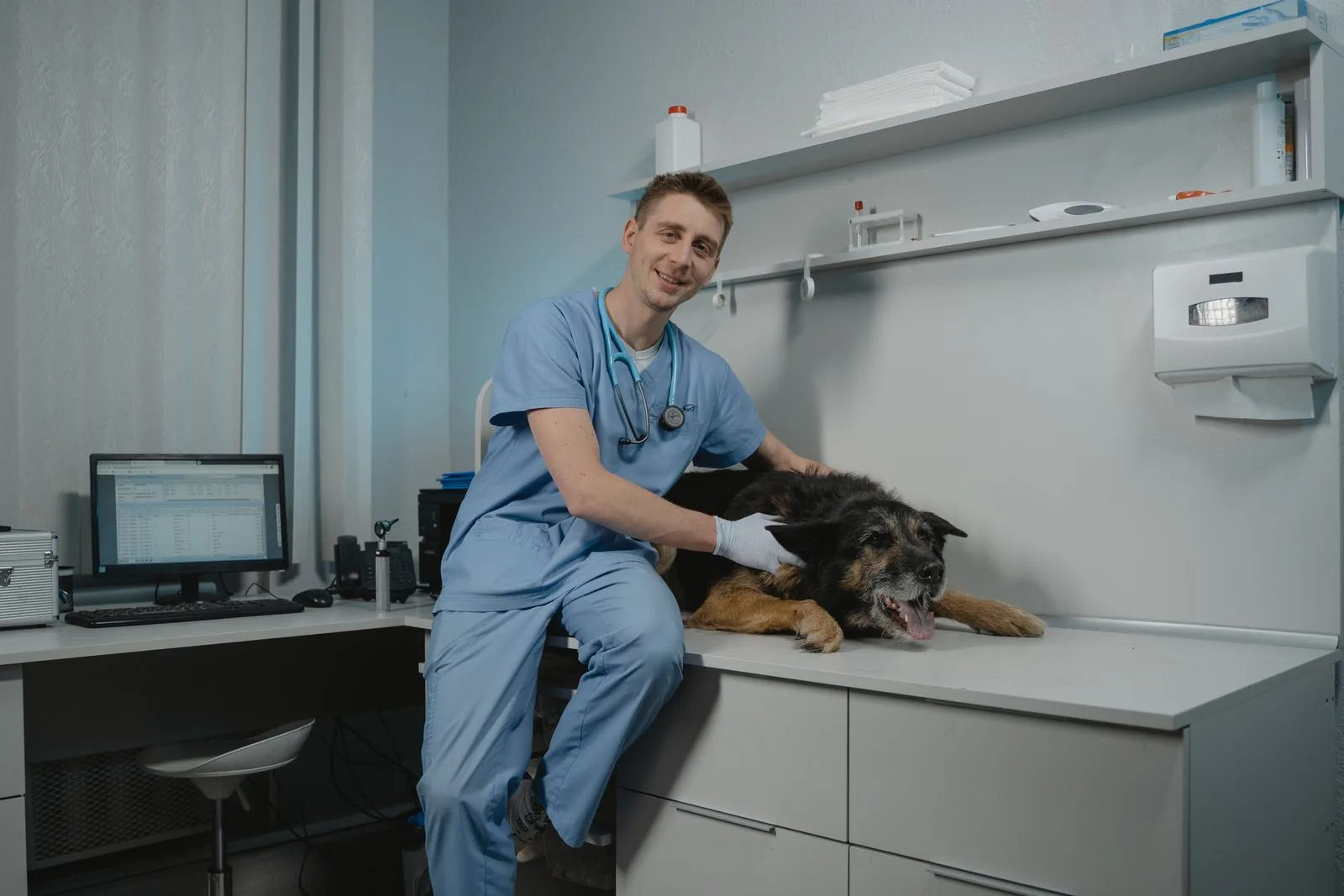
Accident Only vs Comprehensive Pet Insurance: The Core Difference
The difference is exactly what the names say — and exactly what too many buyers skim past:
Accident-only covers injuries from sudden, unexpected events: broken bones, bite wounds, swallowed objects, car accidents, lacerations, poisoning. It does not cover illness of any kind — no infections, no allergies, no cancer, no organ disease, no chronic conditions.
Comprehensive (accident + illness) covers everything accident-only covers, plus illness: infections, allergies, digestive disease, cancer, heart and kidney disease, hereditary conditions (on plans that include them), and chronic disease management.
That’s the entire structural difference. Everything below is about what that difference costs — in premiums, and in the claims you’ll actually file.
The Price Gap: What Each Tier Costs
For a young, healthy mixed-breed dog, typical 2026 premiums look roughly like this:
Accident-only: roughly $15–$25/month. It’s the cheapest way to insure a pet, because the insurer has removed the most expensive claim category (illness) from the policy entirely.
Comprehensive: roughly $30–$70+/month for the same dog — typically double to triple the accident-only price, depending on deductible, reimbursement rate, and annual limit.
The gap is the price of illness coverage. Whether that gap is worth paying depends on one question: how likely is your pet to generate a big illness claim? For most pets over a lifetime, the answer is “very.” But the honest case for accident-only exists, and we’ll get to it.
What’s Covered: Side-by-Side Comparison
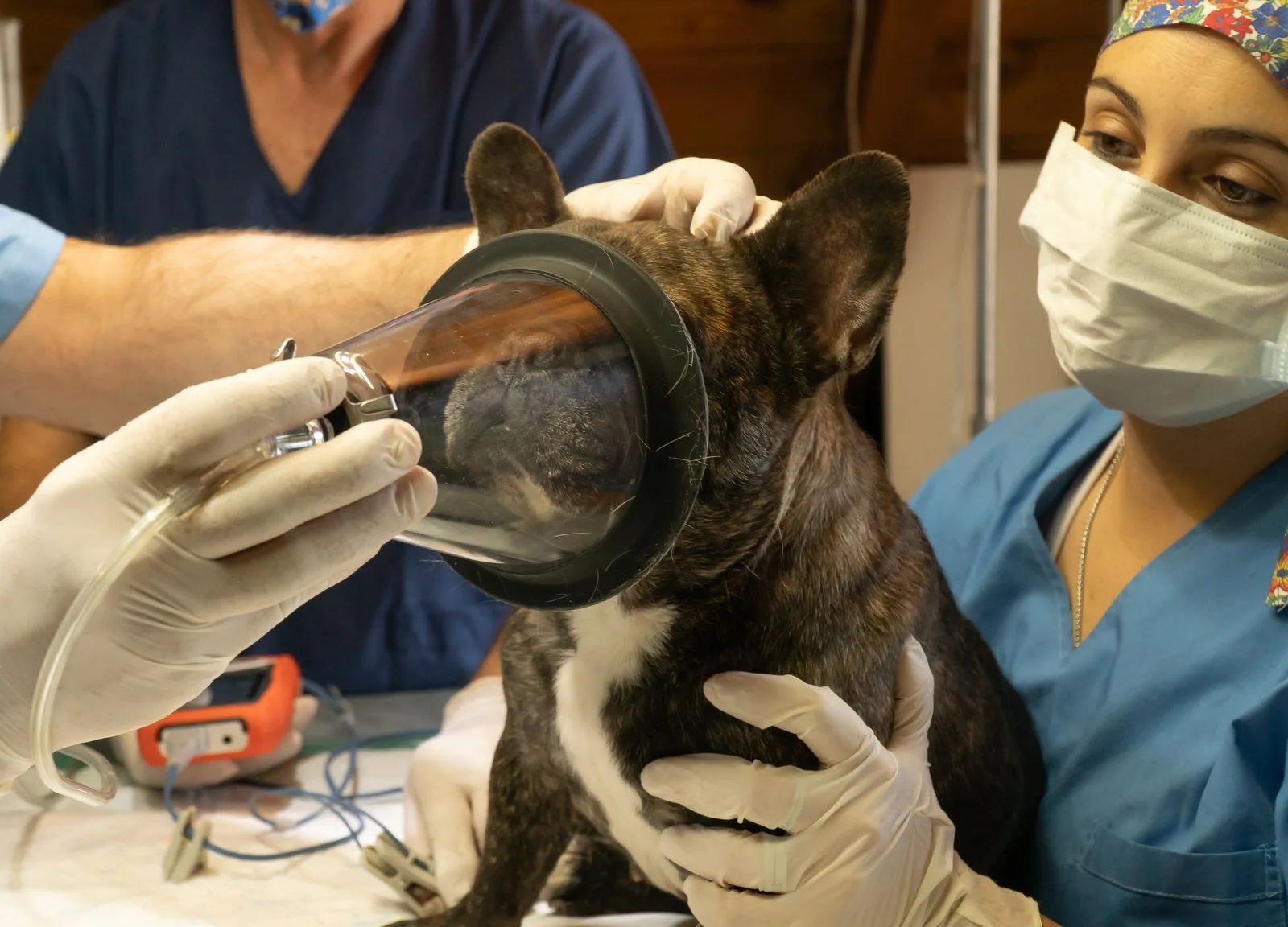
Broken leg from a fall: both cover it. This is the bread-and-butter accident claim — $1,500–$4,000 for surgical repair — and it’s exactly what accident-only was built for.
Swallowed sock (foreign-body surgery): both cover it. Ingestion is classified as an accident, and at $1,500–$4,000 per surgery, it’s one of the most common high-value claims in the industry.
Ear infection / skin allergies: comprehensive only. Allergies are among the most frequent claims vets see, and chronic allergy management means years of recurring claims — exactly the category accident-only excludes.
Cancer: comprehensive only. Treatment courses run $5,000–$15,000+, making cancer the single biggest financial argument for comprehensive coverage. Roughly half of dogs over 10 develop cancer — this isn’t a rare risk.
Urinary blockage (cats) / bloat (dogs): comprehensive only — both are medical emergencies rooted in illness physiology, not trauma. A $2,000–$5,000 blockage or a $3,000–$7,000 bloat surgery lands entirely on you with accident-only.
Chronic disease (diabetes, kidney disease, hypothyroidism): comprehensive only, and this is where lifetime value compounds. A diabetic dog can generate claims every single year for a decade.
The pattern: accident-only covers the dramatic, visible emergencies. Comprehensive covers those plus the slow, grinding, expensive illnesses that dominate lifetime vet spending.
The Honest Math: When Accident-Only Wins
Let’s steelman the budget option, because it has a real constituency. Accident-only makes sense when:
Your budget genuinely can’t stretch to comprehensive. A $20/month accident-only plan that you’d actually keep beats a $55/month comprehensive plan you’d cancel in six months. Lapsed coverage protects nothing.
Your pet is young, healthy, and low-risk for hereditary illness. A 2-year-old mixed-breed dog’s likeliest expensive events are accidents — the swallowed toy, the dog-park bite wound. Accident-only covers the modal risk at the lowest price.
You have a solid emergency fund for illness. If a surprise $5,000 vet bill wouldn’t break you, self-insuring the illness half while buying the accident half is a coherent strategy — you’re paying $180–$300/year to cap the catastrophic accident tail.
The math that favors accident-only: it saves roughly $15–$30/month versus comprehensive — $180–$360/year. Over five healthy years, that’s $900–$1,800 kept. The bet is that no illness claim exceeds those savings in that window. For young, hardy pets, it’s a defensible bet.
The Honest Math: When Comprehensive Wins
Now the other side — and for most owners, the stronger one. Run a single $4,000 illness claim (a moderate emergency, not a catastrophe):
Accident-only owner: pays the full $4,000. The plan contributes $0 — illness isn’t covered. Five years of $20/month premiums ($1,200) bought zero help in the year it mattered.
Comprehensive owner ($50/month, $500 deductible, 80% reimbursement): pays $600 in premiums that year + $500 deductible + 20% of $3,500 ($700) = $1,800 out of pocket on a $4,000 bill. The plan paid $2,200.
One illness claim flipped the entire five-year savings of accident-only into a net loss. And illness claims aren’t rare: allergies, GI disease, urinary issues, and cancer are among the most common reasons pets see vets at all. The question isn’t whether your pet will ever be sick — it’s whether you’ll be insured when it happens.
Comprehensive also wins decisively for: breeds with known hereditary risks (the illness load is predictable, not hypothetical); senior pets (illness dominates their claims); and cats, where the premium gap is small — comprehensive cat coverage at $12–$35/month makes the accident-only savings trivially small.
5 Questions to Decide Which Tier You Need

1. What’s the monthly difference for my pet? Get both quotes with identical deductible and reimbursement settings. If the gap is $15/month, the decision is easy; if it’s $45/month, it’s a real tradeoff.
2. How old is my pet? Under 3 and healthy: accident-only is defensible. Over 7: illness risk climbs steeply — comprehensive is the rational pick. Our cheapest dog insurance guide shows how age moves every number.
3. Does my breed have expensive hereditary conditions? French Bulldogs, German Shepherds, Golden Retrievers, Maine Coons — if your breed’s claim profile is illness-heavy, accident-only leaves the biggest risks uncovered.
4. Could I absorb a $5,000 illness bill tomorrow? If yes, accident-only + emergency fund is coherent. If that number makes your stomach drop, you need comprehensive — that’s precisely the risk insurance exists to move.
5. Am I comparing identical settings? Deductible ($250–$1,000 typical), reimbursement (70–90%), and annual limit ($5,000 to unlimited) move both tiers’ prices. Our deductible guide walks through the tradeoffs with worked examples.
Can You Upgrade Later? The Switching Trap
Yes, you can move from accident-only to comprehensive later — but there’s a catch that surprises people. Anything diagnosed while on the accident-only plan becomes a pre-existing condition under the new comprehensive policy. The allergies diagnosed at age 3 under accident-only are excluded forever under the comprehensive plan you buy at age 4.
This makes “start cheap, upgrade later” a weaker strategy than it looks. The upgrade only helps with future, unrelated conditions — and the conditions most likely to appear (the breed-predictable ones) are the ones most likely to already be documented. If you think you’ll want comprehensive eventually, buying it now is almost always cheaper than buying it after the first diagnosis.
For the full cost framework — premiums, plan types, and how the tiers fit into total lifetime cost — see our complete 2026 pet insurance cost guide.
Frequently Asked Questions
Is accident-only pet insurance worth it?
It can be — for young, healthy pets with owners who have an emergency fund for illness. It covers the most dramatic emergencies (fractures, foreign bodies, bite wounds) at the lowest price. It’s not worth it as a substitute for comprehensive if your pet is illness-prone.
What does accident-only pet insurance not cover?
All illness: infections, allergies, cancer, organ disease, chronic conditions, dental disease, and hereditary conditions. It also excludes wellness care (vaccines, checkups) unless a wellness add-on is purchased.
How much cheaper is accident-only than comprehensive?
Typically $15–$30/month less for a young, healthy dog — roughly half to one-third the price of comprehensive with the same deductible and reimbursement settings.
Does accident-only cover swallowed objects?
Yes — foreign-body ingestion is classified as an accident, and the $1,500–$4,000 surgery is covered under both tiers (subject to deductible and reimbursement).
Can I have accident-only for one pet and comprehensive for another?
Yes. Multi-pet policies let you mix tiers, and multi-pet discounts (typically 5–10%) usually still apply. This is a sensible split for a young healthy dog plus a senior cat, for example.
At what age should I switch from accident-only to comprehensive?
There’s no universal age, but the illness risk curve steepens noticeably from middle age onward (around 6–7 for most dogs, 8+ for cats). If you’re on accident-only, re-evaluate at every renewal once your pet passes middle age.
Petsofweb content is educational only and is not financial advice. Plan terms and premiums change frequently — compare live quotes from multiple providers before enrolling.



Leave a Comment