

You bought pet insurance so a $3,000 emergency wouldn’t wreck your budget — then the claim gets denied because of an exclusion you never knew existed. Nothing sours owners on pet insurance faster than a surprise denial, and almost every one traces back to the same thing: nobody read the exclusions list. This guide walks through the 12 most common pet insurance exclusions, what’s usually covered instead, and how to read any policy in three minutes so you’re never blindsided.

The Short Answer
A standard accident-and-illness policy covers a lot — emergency surgery, diagnostics, hospitalization, prescription medications, hereditary conditions (on most plans). But virtually every provider applies a standard exclusion list. The big ones, in order of how often they cause denied claims: pre-existing conditions, routine wellness and dental cleanings, cosmetic procedures, breeding costs, and anything that happens during the waiting period before coverage kicks in. Exclusions vary by provider, so the policy document — not the marketing page — is the source of truth. Our pet insurance costs guide covers what plans typically include; this article covers what they leave out.
What Does Pet Insurance Not Cover? The 12 Most Common Exclusions
1. Pre-existing conditions
The number-one reason claims get denied. Any illness, injury, or symptom your pet showed before the policy started — or during the waiting period — is typically excluded permanently. Some providers distinguish between curable pre-existing conditions (like an ear infection that fully resolved, which may become eligible after 6–12 symptom-free months) and incurable ones (like diabetes or hip dysplasia, excluded for life). This is why enrolling early, before the first vet issue appears on record, matters so much.
2. Dental cleanings & routine dental
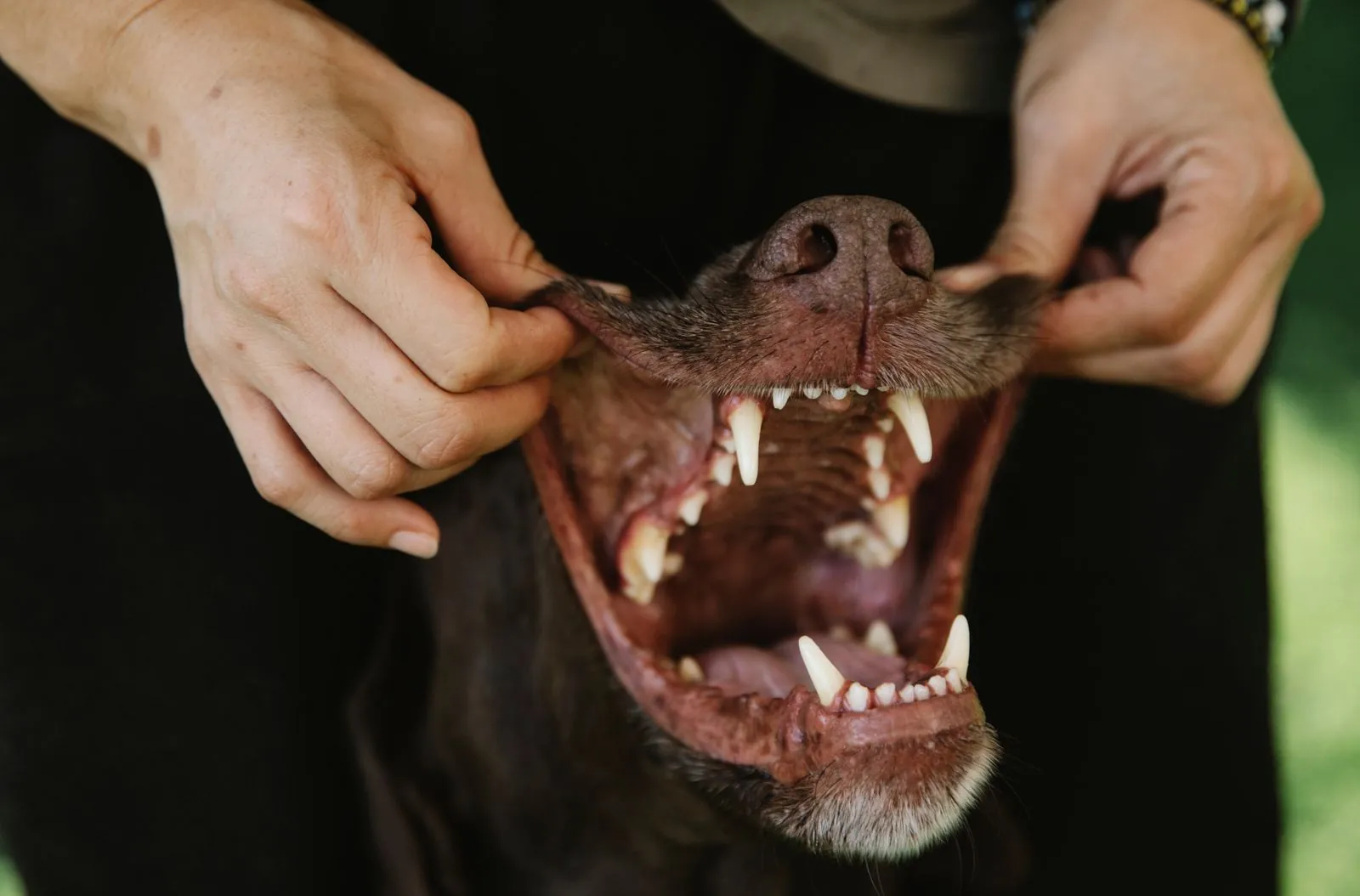
Routine dental cleanings are excluded on nearly all base policies — they’re classified as preventive care, not illness treatment. Dental disease coverage is murkier: tooth injuries are often covered, while periodontal disease may be excluded or capped depending on the provider. We’ve covered this minefield in detail: whether pet insurance covers dental disease.
3. Wellness, vaccines & flea prevention
Annual exams, vaccinations, flea/tick preventives, and heartworm medication are routine care — excluded from standard accident-and-illness plans. Most providers sell a separate wellness rider (typically around $20–$35/month) that reimburses a set annual allowance for these items. Do the math before adding one: if the rider costs $300/year and reimburses $250 in wellness benefits, you’re paying for convenience, not savings.
4. Cosmetic procedures
Ear cropping, tail docking, declawing, and other elective cosmetic procedures are excluded by virtually every provider. Even when a vet performs them, insurers classify them as non-therapeutic. (Some are restricted or discouraged by veterinary associations anyway — always discuss the medical case with your vet first.)
5. Breeding & pregnancy costs
Costs related to breeding, pregnancy, whelping, and C-sections are standard exclusions on consumer pet policies. If you breed dogs or cats, you need a specialized breeder’s policy — a standard plan won’t touch a $2,000 emergency C-section. Complications from spay/neuter surgery itself are usually covered; the breeding activity is what’s excluded.
6. Experimental treatments
Therapies still considered experimental — certain stem-cell treatments, unapproved drugs, clinical-trial procedures — are typically excluded until they’re accepted as standard veterinary practice. What’s “experimental” shifts over time (treatments that were excluded five years ago may be covered now), so check current policy language rather than old forum posts.
7. Behavioral training (without a vet diagnosis)
General obedience classes and training sessions aren’t covered. However, many providers do cover behavioral consultations and therapy when a veterinarian diagnoses a condition like separation anxiety or compulsive disorder and prescribes treatment. The dividing line is the diagnosis: “my dog pulls on the leash” isn’t covered; “my vet diagnosed generalized anxiety and prescribed behavioral modification” often is.
8. Bilateral conditions
This one catches owners off guard. If your dog tears the ACL in the left knee and it’s covered, then tears the ACL in the right knee a year later, some providers treat the second injury as a pre-existing or bilateral condition and deny it. Policies differ sharply here — some cover both sides, some exclude the mirror-image condition once one side is claimed. Always check the bilateral clause before you buy, especially for breeds prone to cruciate injuries.
9. Waiting-period incidents
Every policy has a waiting period before coverage starts — typically around 2–3 days for accidents and 14 days for illnesses (orthopedic conditions sometimes carry 6-month waits). Anything that happens during the wait isn’t covered, and worse, symptoms noted during the wait can be classified as pre-existing going forward. Enroll, then keep your pet uneventfully healthy for two weeks.
10. Age-capped enrollments
Many providers won’t issue new policies for pets past a certain age (commonly 10–14 years, varying by company). Pets already enrolled can usually stay covered for life, but premiums rise steeply. If your dog is approaching the cutoff, enrolling sooner rather than later locks in eligibility — you can’t go back and buy coverage at age 6 once your dog is 12.
11. Intentional injury or neglect
Injuries resulting from intentional harm, abuse, neglect, or organized fighting are universally excluded — and may trigger policy cancellation. This also extends to injuries from activities the policy specifically bars. It’s a standard clause, but worth knowing it exists: insurers investigate suspicious claim patterns.
12. Alternative therapies (unless you add a rider)
Acupuncture, chiropractic care, hydrotherapy, and laser therapy sit in a gray zone. Some providers include them in premium plans; most exclude them from base policies or offer them as an add-on rider. If your senior dog might benefit from rehab therapy down the road, check whether it’s bundled or buy the rider while your pet is young and healthy.
Exclusions at a Glance
| Exclusion | Usually covered instead |
|---|---|
| Pre-existing conditions | New illnesses/injuries after enrollment (enroll early) |
| Routine dental cleanings | Tooth injuries; dental illness varies by provider |
| Wellness, vaccines, flea prevention | Wellness rider (separate add-on) |
| Cosmetic procedures | Medically necessary surgery for the same area |
| Breeding & pregnancy | Spay/neuter complications (specialized breeder policies exist) |
| Experimental treatments | Standard-of-care treatments once accepted |
| General training | Vet-diagnosed behavioral conditions + prescribed therapy |
| Bilateral second-side injuries | First occurrence; check the bilateral clause |
| Waiting-period incidents | Anything after the waiting period ends |
| New enrollment past the age cap | Continuous coverage if enrolled young |
| Intentional injury/neglect | Accidental injuries |
| Alternative therapies | Often available via rider or premium plans |
How to Read a Policy in 3 Minutes
Before you buy any plan, pull up the sample policy (reputable providers publish one) and check these four things:
- Find the exclusions page. It’s usually a single section near the end. Read all of it — this is the part that determines denied claims.
- Check the waiting periods. Note the accident wait, illness wait, and any extended orthopedic wait. Mark the date your coverage actually starts.
- Read the bilateral clause. Search for “bilateral” — if the policy excludes mirror-image conditions, factor that into breed-specific risk (ACL tears, hip dysplasia).
- Read the dental section twice. It’s the most misunderstood exclusion in pet insurance. Know exactly what’s covered: injuries only, illness with conditions, or nothing.
The North American Pet Health Insurance Association (NAPHIA) publishes buyer-education resources that explain industry-standard terms — useful background before you compare quotes.
Why was my pet insurance claim denied?
The most common reasons are pre-existing conditions, waiting-period timing, and excluded categories like wellness or dental cleanings. Ask the provider for the denial in writing with the specific policy clause cited — then check whether the clause actually matches your situation. Denials based on misclassified pre-existing conditions can sometimes be appealed with vet records.
Can I get coverage for a pre-existing condition?
Standard policies won’t cover it. A few providers offer plans that cover curable pre-existing conditions after a symptom-free period (often 6–12 months), and accident-only plans sidestep illness exclusions entirely. For chronic pre-existing conditions, budgeting for the known condition plus insuring against everything else is usually the pragmatic approach.
Does pet insurance cover spaying and neutering?
The surgery itself is typically excluded as routine/elective care on base plans, though some wellness riders reimburse part of it. Complications from the surgery, however, are usually covered as illness treatment. Check whether your wellness rider’s math actually beats paying out of pocket.
Are hereditary conditions covered?
On most comprehensive plans, yes — as long as they weren’t symptomatic before enrollment. This is distinct from pre-existing: a breed predisposition isn’t a pre-existing condition until symptoms appear. Some budget plans exclude hereditary conditions entirely, so verify this specifically for predisposed breeds.
What happens if my pet gets sick during the waiting period?
The incident isn’t covered, and the condition may be recorded as pre-existing for the life of the policy. This is the harshest edge of waiting periods — which is why the two weeks after enrollment deserve boring, uneventful pet ownership.
Educational purposes only — this article is not financial advice. Exclusions, waiting periods, and age limits vary by provider and policy, and terms change over time. Always read the actual policy document before enrolling, and compare live quotes.
Want one practical pet-care tip every week — costs, health, and training, without the spam? Join the free Petsofweb newsletter and get smarter about your pet’s care in five minutes a week.
What does pet insurance not cover? The 12 exclusions above are the most common, but exclusions vary by provider — always read your specific policy.
For a complete pricing breakdown, see our guide to pet insurance costs.
Learn how pre-existing conditions affect coverage.
Understand pet insurance waiting periods.