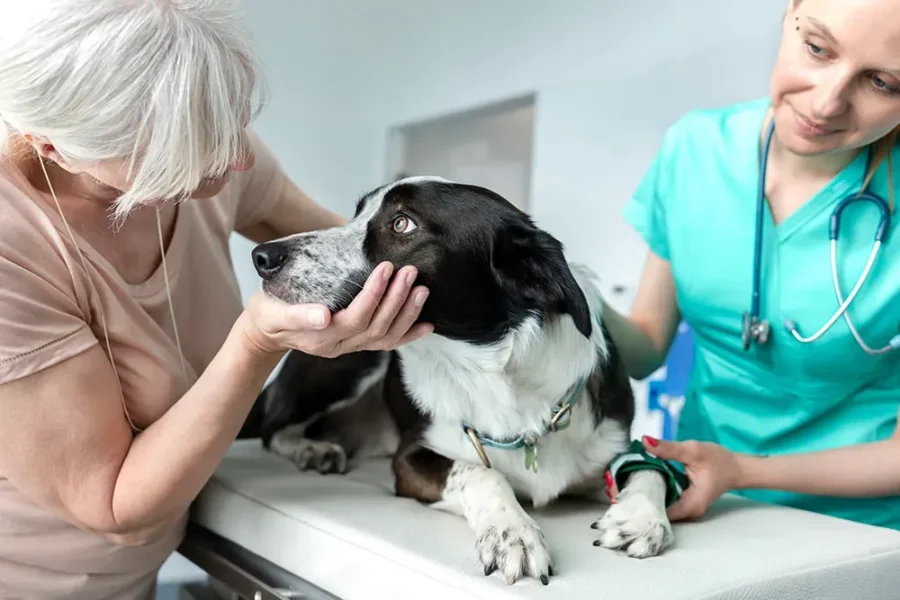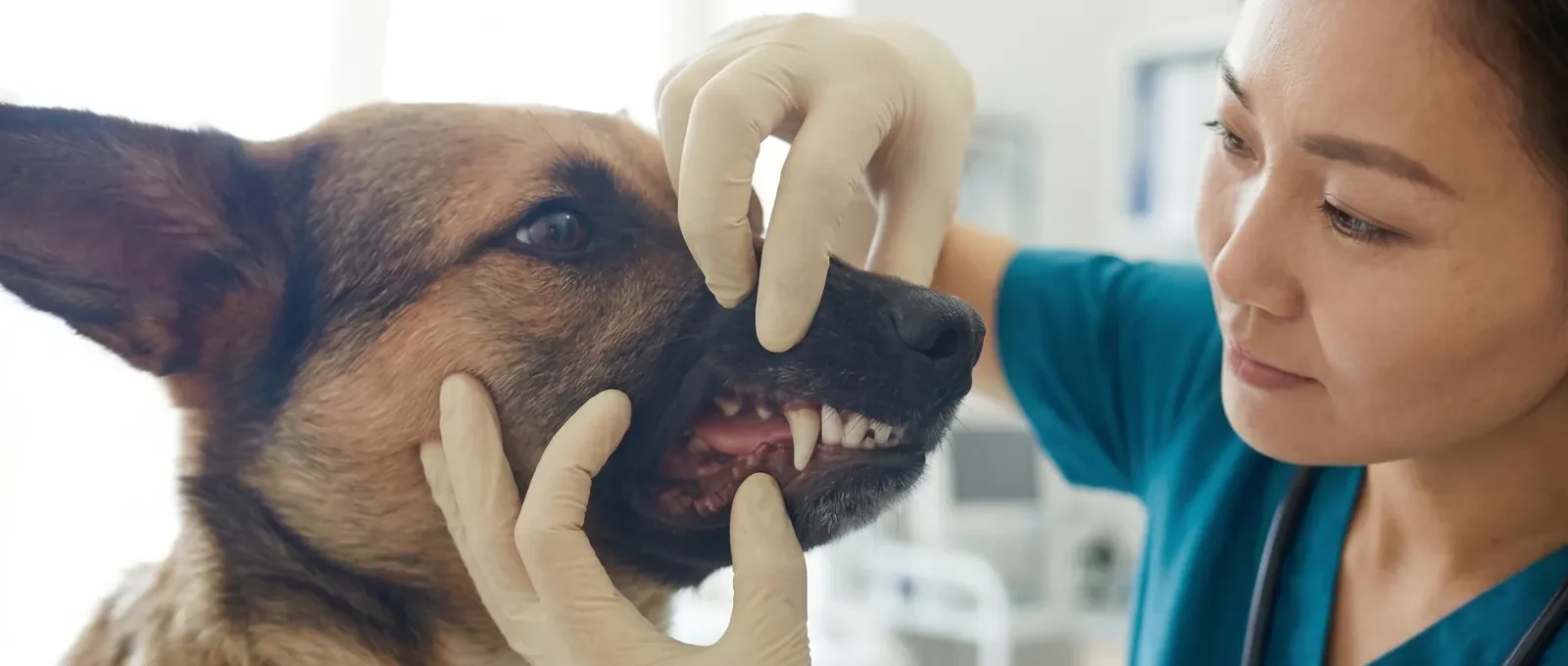

Pet dental disease is one of the most common — and most expensive — health problems dogs face, and it’s also one of the most confusing areas of pet insurance. Some plans pay out thousands for a cracked tooth while refusing to cover a routine cleaning. Here’s exactly where the line falls, what typical policies actually say, and how to avoid a denied claim.
Petsofweb is reader-supported. When you buy through links on our site, we may earn an affiliate commission.
The Short Answer
Whether pet insurance covers dental disease depends on why the dental work is needed. Most accident-and-illness policies draw a sharp line between three categories:
- Tooth injuries: often yes. A fractured tooth from chewing a bone, trauma from an accident, or a damaged tooth that needs extraction is usually covered under the accident portion of your policy, the same way a broken leg would be.
- Dental illness: sometimes. Conditions like periodontal disease, tooth resorption, or an abscessed tooth may be covered — but only if the illness wasn’t pre-existing and you can show your dog received routine dental care. Many policies limit coverage here more than owners expect.
- Routine cleaning: usually no. Annual dental cleanings (prophylaxis under anesthesia) are considered preventive care, not illness treatment. Standard accident-and-illness plans typically exclude them unless you’ve added a wellness rider.
This is general information about how policies commonly work — it is not a substitute for reading your actual policy document, because the details vary widely between providers.
What’s Typically Covered vs. Not
The table below reflects what most mainstream accident-and-illness plans commonly do. Treat every row as typical rather than universal, and confirm the specifics in your policy’s exclusions section before you need it.
| Dental situation | Typically covered? | Notes |
|---|---|---|
| Fractured or broken tooth (accident) | Often yes | Treated as an accident claim; subject to deductible and reimbursement rate |
| Tooth extraction due to disease or injury | Sometimes | Covered if the underlying condition isn’t pre-existing and dental care requirements were met |
| Gum/periodontal disease treatment | Sometimes | Many policies cover it once, then exclude it as pre-existing on renewal if it recurs |
| Routine dental cleaning (prophylaxis) | Usually no | Considered preventive; covered only under wellness add-ons |
| Cosmetic dental work | No | Braces, whitening, and purely cosmetic procedures are universally excluded |
| Oral tumors or jaw fractures | Often yes | Usually treated as illness or accident claims like any other body system |
Why Pet Insurance Dental Disease Claims Get Excluded
Dental coverage has more fine print than almost any other category. Three clauses do most of the excluding:
Pre-existing condition clauses
This is the big one. If your vet’s records show any sign of dental disease — tartar buildup, gingivitis, a “needs dental” note — before your policy’s effective date (or before the waiting period ends), insurers commonly classify all future dental illness as pre-existing and exclude it. Because dental disease develops gradually, there’s often something in the records. Enrolling a young, healthy dog is the single best way to keep dental illness insurable.
Bilateral exclusions
Some policies carry bilateral condition clauses: if a problem appears on one side of the body, the matching structure on the other side is excluded too. In dental terms, this can mean that once one tooth is treated for disease, similar treatment on other teeth faces extra scrutiny. Not every provider uses this clause for dental, but it’s worth checking yours.
Waiting periods and dental-care requirements
Many plans impose waiting periods of around 14 days for illness (accidents are often covered sooner), and some add a separate, longer waiting period specifically for dental illness or cruciate conditions. Just as important, a growing number of policies require documented annual dental care — if you skip your vet’s recommended cleaning and dental disease follows, the claim can be denied for non-compliance with preventive care requirements.

The Real Cost of Dog Dental Work
Dental work is expensive because it almost always involves general anesthesia, X-rays, and a veterinary dentist’s time. Typical estimates:
- Routine cleaning under anesthesia: typically around $500–$1,000, depending on region and your dog’s size.
- Cleaning plus extractions: typically around $800–$2,500, rising with the number of teeth removed and the complexity of the extractions.
- Advanced work (root canals, crowns, oral surgery): can run $1,500–$3,000+ per tooth in specialty practices.
These are estimates, not quotes — costs vary a lot by location and clinic. The key point for insurance math: a single major dental episode can cost more than several years of premiums, which is why understanding your dental coverage before the problem starts matters. For the full premium-versus-payout picture, see our pet insurance costs guide.
How to Keep Your Dog’s Teeth Insurable
You can’t change your policy’s fine print, but you can put yourself in the strongest possible position when a claim arises:
- Enroll early. Puppies and young dogs typically have clean dental records, which means future dental illness is far less likely to be flagged as pre-existing.
- Document annual cleanings. If your vet recommends a dental cleaning, do it and keep the records. A paper trail of compliance with preventive care recommendations is your best defense against a denial.
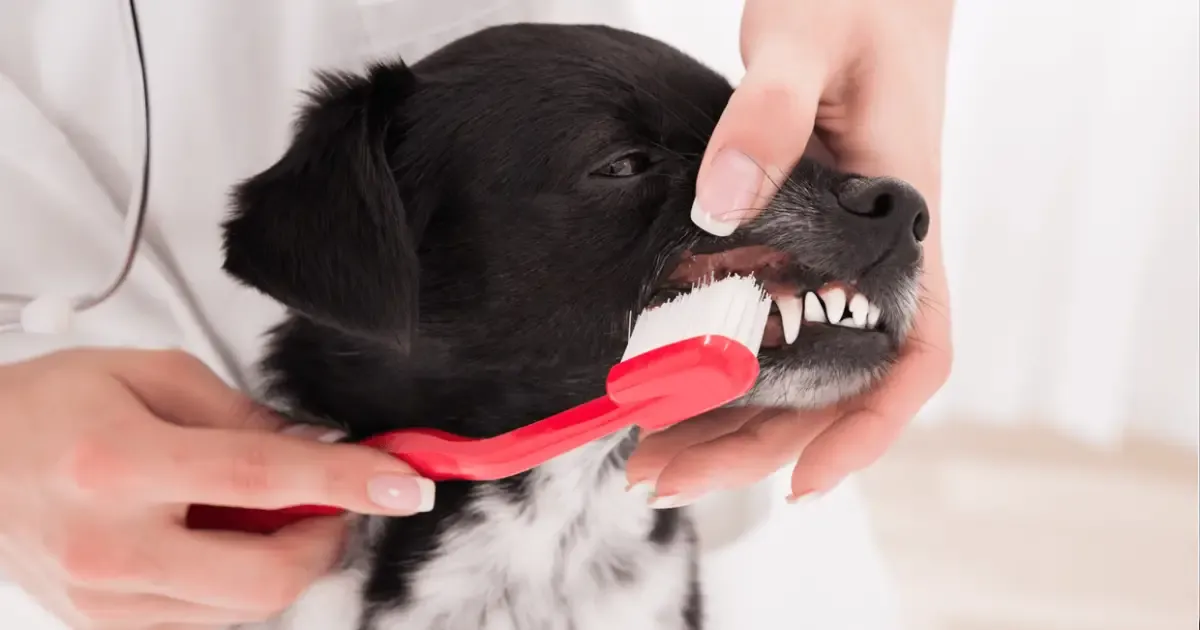
- Brush daily — or as close as you can get. Daily brushing with a dog-safe toothpaste is the single most effective home preventive — pair it with OraVet Dental Hygiene Chews between brushings — they’re VOHC-accepted, and the Medium 30-count fits dogs 25–50 lbs (size up or down for smaller or larger dogs). The AAHA dental care guidelines emphasize that home care plus professional cleanings together are what actually prevent periodontal disease.
- Use dental-friendly chews and diets. Products accepted by the Veterinary Oral Health Council (VOHC) have evidence behind their tartar-reduction claims; they’re a reasonable supplement to brushing, not a replacement.
- Don’t ignore the warning signs. Bad breath that goes beyond normal dog breath, drooling, pawing at the mouth, dropping food, or bleeding gums can signal dental pain — our pet symptoms guide covers how to tell a minor issue from one that needs a prompt vet visit. Catching disease early keeps treatment cheaper and claims cleaner.
- Ask your vet to note dental health at every checkup. A written “no dental disease noted” in the record is powerful evidence if you ever need to dispute a pre-existing classification.
Wellness Add-Ons That Help With Dental
If routine cleanings are your main concern, the answer usually isn’t a better accident-and-illness plan — it’s a wellness (preventive care) add-on. Most major insurers sell these as optional riders, typically costing around $20–$35 per month on top of your base premium. What they commonly include:
- An annual allowance (often around $100–$250) toward dental cleaning.
- Sometimes coverage for the anesthesia and X-rays that come with the cleaning.
Do the math before you buy: if the rider costs $300 a year and reimburses $150 toward a cleaning, you’re losing money unless you’re also using it for vaccines, flea prevention, and the other covered wellness items. Wellness riders are reimbursement schedules, not insurance — they pay fixed amounts regardless of your actual bill. They’re worth it when you’d buy the preventive care anyway; they’re a poor deal as a standalone dental strategy.

Frequently Asked Questions
Is teeth cleaning covered by pet insurance?
Routine teeth cleaning is typically not covered by standard accident-and-illness pet insurance, because it’s classified as preventive care rather than treatment of an illness or injury. The exception is a wellness or preventive-care add-on, which usually reimburses a fixed annual amount toward the cleaning. If a cleaning is performed as part of treating a covered illness — for example, scaling done during surgery for a covered oral tumor — the dental portion may still be carved out, so check the policy language.
Will insurance pay for a tooth extraction?
Often, yes — with conditions. An extraction needed because of an accident (a fractured tooth) is usually covered as an accident claim. An extraction due to dental disease is typically covered only if the disease wasn’t pre-existing, any waiting periods have passed, and you’ve complied with your policy’s dental-care requirements. Because extractions commonly cost around $800–$2,500 as part of a full dental procedure, they’re among the highest-value dental claims when they do get paid.
Can dental disease be considered a pre-existing condition?
Yes — and this is the most common reason dental claims are denied. Insurers generally define pre-existing as any condition that showed signs or symptoms before coverage began. Since dental disease progresses slowly, vet records often contain an early note (tartar, gingivitis, “monitor teeth”) that predates the policy. Some insurers also treat dental disease as pre-existing after a single covered episode, excluding recurrences. Enrolling young and keeping up with documented preventive care are the best protections.
How much does dog dental surgery cost without insurance?
As a rough estimate: a routine cleaning under anesthesia typically runs around $500–$1,000; a cleaning with extractions typically runs around $800–$2,500; and specialty procedures like root canals can reach $1,500–$3,000+ per tooth. Geography, your dog’s size, and the number of extractions move these numbers significantly. VCA Animal Hospitals and Cornell University College of Veterinary Medicine both publish client resources on dental health that can help you discuss expected costs with your own vet.
Do wellness plans cover dental cleanings?
Many do, up to a fixed annual allowance — but they’re add-ons, not part of base accident-and-illness coverage. Typical wellness riders reimburse around $100–$250 per year toward a dental cleaning. Compare the rider’s annual cost against the allowance plus everything else you’d claim (vaccines, bloodwork, flea prevention) to decide whether it pays for itself in your case.
Disclaimer: This article is for educational purposes only and is not financial or veterinary advice. Pet insurance coverage varies widely by provider, plan, and policy terms — what’s described here reflects common industry practice, not any specific policy. Always read your actual policy documents (especially the exclusions section) before relying on coverage, and consult your veterinarian about your dog’s dental health.
Enjoyed this guide? Join the Petsofweb newsletter for one practical pet-care tip every week — insurance explainers, cost breakdowns, and money-saving preventive care advice, with no spam. Sign up free on petsofweb.com/ and never get blindsided by a vet bill again.
Does pet insurance cover dental disease? Sometimes — it depends on whether the dental work is for an injury, illness, or routine cleaning.
For a complete pricing breakdown, see our guide to pet insurance costs.
Learn whether dental disease counts as a pre-existing condition.
Understand pet insurance waiting periods for dental care.