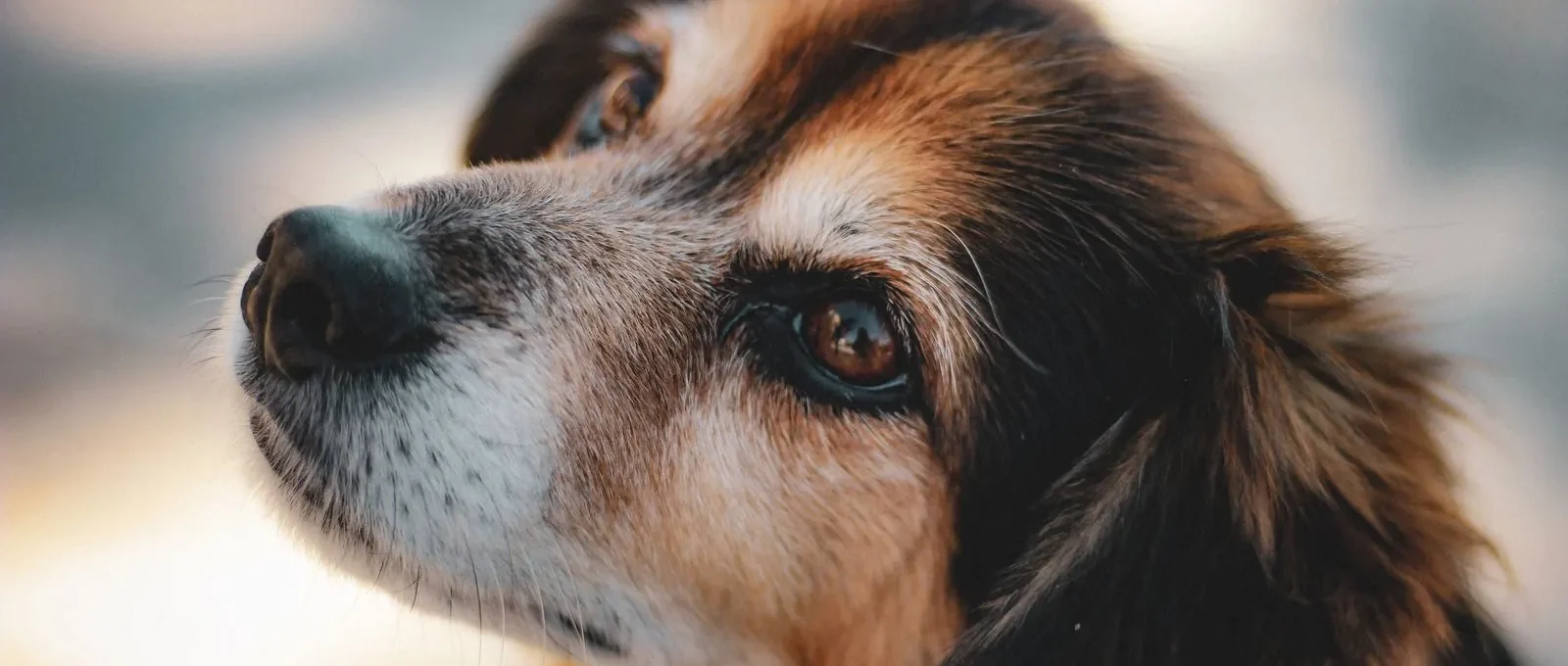

The gray muzzle sneaks up on you. One day your dog is vaulting after tennis balls; the next, they’re thinking twice about the stairs. Senior dog care isn’t about treating old age like a disease — it’s about small, smart adjustments that keep your dog comfortable, active, and happy for as many good years as possible.
When is a dog “senior”? It depends on size:
| Dog size | Considered senior at |
|---|---|
| Small (under 20 lbs) | 10–12 years |
| Medium (20–50 lbs) | 8–10 years |
| Large (50–90 lbs) | 6–8 years |
| Giant (90+ lbs) | 5–7 years |
Big dogs age faster — a Great Dane is a senior at six while a Chihuahua is barely middle-aged. Once your dog crosses that line, these 12 senior dog care tips make the biggest difference.
1. Switch to Twice-Yearly Vet Visits
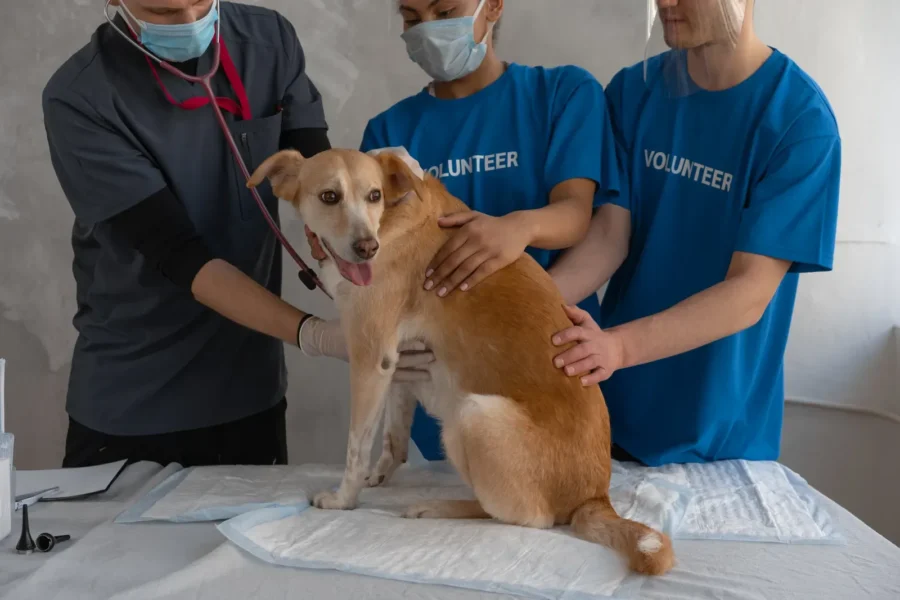
Adult dogs do fine with annual checkups. Seniors need them every six months. Why the rush? Because conditions like kidney disease, diabetes, and cancer progress fast, and catching them early changes outcomes dramatically. A senior wellness visit usually includes bloodwork, a urinalysis, blood pressure check, and a thorough orthopedic exam. Think of it as preventative maintenance — the cheapest vet bill is the one that catches something early.
2. Watch the Weight Like a Hawk
Obesity is the single most damaging — and most fixable — problem in senior dogs. Extra pounds hammer arthritic joints, strain the heart, and worsen diabetes. But here’s the tricky part: seniors also lose muscle mass, so the scale alone doesn’t tell the story. Learn to feel your dog’s ribs (you should feel them easily under a thin fat layer) and ask your vet to assess body condition at every visit.
3. Rethink the Diet — With Your Vet
Here’s something that surprises owners: veterinary nutritionists at Cornell say there’s no automatic reason to switch to a “senior” diet just because of age. What matters is the individual dog — lean body wasting, arthritis, and obesity each need different nutritional approaches. What Cornell’s experts do generally recommend: adequate (often slightly higher) protein to protect muscle mass, and long-chain omega-3 fatty acids from marine oils for joints and brain health (Cornell on senior dog nutrition).
Practical takeaway: don’t just grab a bag labeled “senior.” Talk to your vet about your dog’s body condition, kidney values, and activity level, then choose the food that fits.
4. Keep Them Moving — Gently and Consistently
The worst thing for an aging dog is stopping exercise altogether. Muscles weaken, joints stiffen, and weight piles on. The goal shifts from intensity to consistency: shorter, more frequent walks on soft surfaces. Let your senior set the pace — many older dogs love “sniff walks” where the nose leads and the legs just follow along. Swimming is gold for arthritic dogs if they enjoy water. And on high-energy days, it’s fine to give pain medication beforehand so they can participate comfortably — just like you’d take an anti-inflammatory before a big hike.
5. Make Joints a Priority
Stiffness getting up, hesitation on stairs, lagging on walks — these are the classic early signs of arthritis, and they’re incredibly common in seniors. Beyond vet-prescribed pain management:
- Add ramps for the car, couch, and bed — jumping is joint enemy #1.
- Get an orthopedic memory-foam bed (place it where the family hangs out, or they won’t use it).
- Keep nails trimmed — long nails change how a dog bears weight and worsen joint pain.
- Consider joint supplements — see our guide on joint supplements for senior dogs for what to look for.
6. Don’t Ignore the Teeth
Dental disease is rampant in older dogs and it’s not just about bad breath — oral bacteria seed the bloodstream and burden the heart and kidneys. If your vet recommends a dental cleaning, don’t let age alone scare you off; modern anesthesia in screened senior dogs is far safer than most owners fear. At home, daily brushing (or at minimum dental chews with the VOHC seal) slows the buildup between cleanings.
7. Feed the Brain, Too
Canine cognitive dysfunction — doggy dementia — affects a large share of dogs over 11. The signs: nighttime restlessness, staring at walls, getting “stuck” in corners, forgetting housetraining. Mental enrichment genuinely helps slow the slide. Cornell’s veterinary behaviorists recommend food puzzles, scent games, and even teaching old dogs new (simple) tricks — yes, they absolutely can learn (Cornell on senior dog enrichment). Antioxidant-rich diets and specific brain-support supplements are worth discussing with your vet at the first signs.
8. Senior-Proof the House
Small changes, big comfort gains:
- Non-slip rugs or yoga mats on hardwood and tile — slipping terrifies arthritic dogs and can cause injuries.
- Raised food and water bowls for large breeds with neck or back stiffness.
- Baby gates at the top of stairs if your dog still attempts them unsafely.
- Nightlights — failing vision plus dark hallways equals anxiety and accidents.
- Easy outdoor access — seniors need more frequent potty breaks; a dog door or a strict schedule prevents accidents they’d be embarrassed about.
9. Learn the Early Signs of Pain
Dogs hide pain instinctively. By the time they’re limping or crying, they’ve usually been hurting a while. Subtle signs to watch for: lagging behind on walks, difficulty rising, licking one joint obsessively, panting at rest, changes in appetite or sociability, and reluctance to be touched in certain spots. If you spot these, don’t just assume “he’s getting old” — many pain sources are very treatable, and your vet has more options than ever.
10. Keep Up With Grooming and Skin Checks
Older dogs groom themselves less, so mats, dry skin, and lumps sneak up. Make brushing a bonding ritual a few times a week — it’s also your early-warning system for new lumps, which should always be checked by a vet (most are benign fatty lipomas, but “most” isn’t “all”). Keep nails short and paw pads moisturized; seniors are prone to cracked pads.
11. Adjust Expectations With Kindness
Your senior may sleep 18 hours a day, startle at sudden touches (hearing fades), or have the occasional accident. None of this is defiance — it’s aging. Scolding a senior for age-related accidents damages trust and changes nothing. Patience, washable rugs, and more frequent potty breaks solve what frustration can’t.
12. Plan Ahead — Including the Hard Part
Senior care eventually includes end-of-life decisions, and planning while you’re calm beats deciding in a crisis. Talk to your vet early about what decline looks like for your dog’s conditions, know your options (including in-home euthanasia services in your area), and consider pet insurance or a dedicated savings buffer — senior vet bills are the steepest of a dog’s life (see our breakdown of pet insurance costs guide). Loving them well includes being ready.
If you’re still choosing a companion for the golden years, our best dog breeds for seniors roundup and the senior dog care guide hub have you covered.
Frequently Asked Questions
When is my dog considered a senior?
It depends on size: giant breeds as early as 5–6, large breeds 6–8, medium breeds 8–10, and small breeds 10–12. Your vet can confirm based on your individual dog’s health, not just the calendar.
How often should a senior dog see the vet?
Every six months for a wellness exam with bloodwork. Senior dogs develop age-related conditions quickly, and twice-yearly visits catch problems while they’re still cheap and treatable.
Should I switch my senior dog to senior food?
Not automatically. Cornell veterinary nutritionists note there’s no one-size-fits-all senior diet — the right food depends on your dog’s muscle mass, weight, kidney function, and conditions like arthritis. Discuss it with your vet rather than switching on age alone.
What are the first signs my senior dog is in pain?
Subtle ones: hesitating on stairs, lagging on walks, difficulty getting up, licking joints, panting at rest, or withdrawing socially. Dogs hide pain well, so treat behavior changes as worth a vet visit, not “just old age.”
How much exercise does a senior dog need?
Consistency beats intensity: shorter, more frequent walks on soft surfaces, adjusted to your dog’s ability. Swimming and sniff-focused walks are excellent. Stop if your dog lags, pants heavily, or seems sore afterward — and mention it to your vet.
Disclaimer: This article is for education only and isn’t veterinary advice. Every senior dog is different — always work with your veterinarian on diet, supplements, medications, and end-of-life decisions.
Sources: Cornell University College of Veterinary Medicine — senior dog nutrition and senior dog enrichment.
Enjoyed this guide? Join the Petsofweb newsletter for weekly senior-dog care tips, health guides, and honest pet advice — straight to your inbox, no spam, unsubscribe anytime.