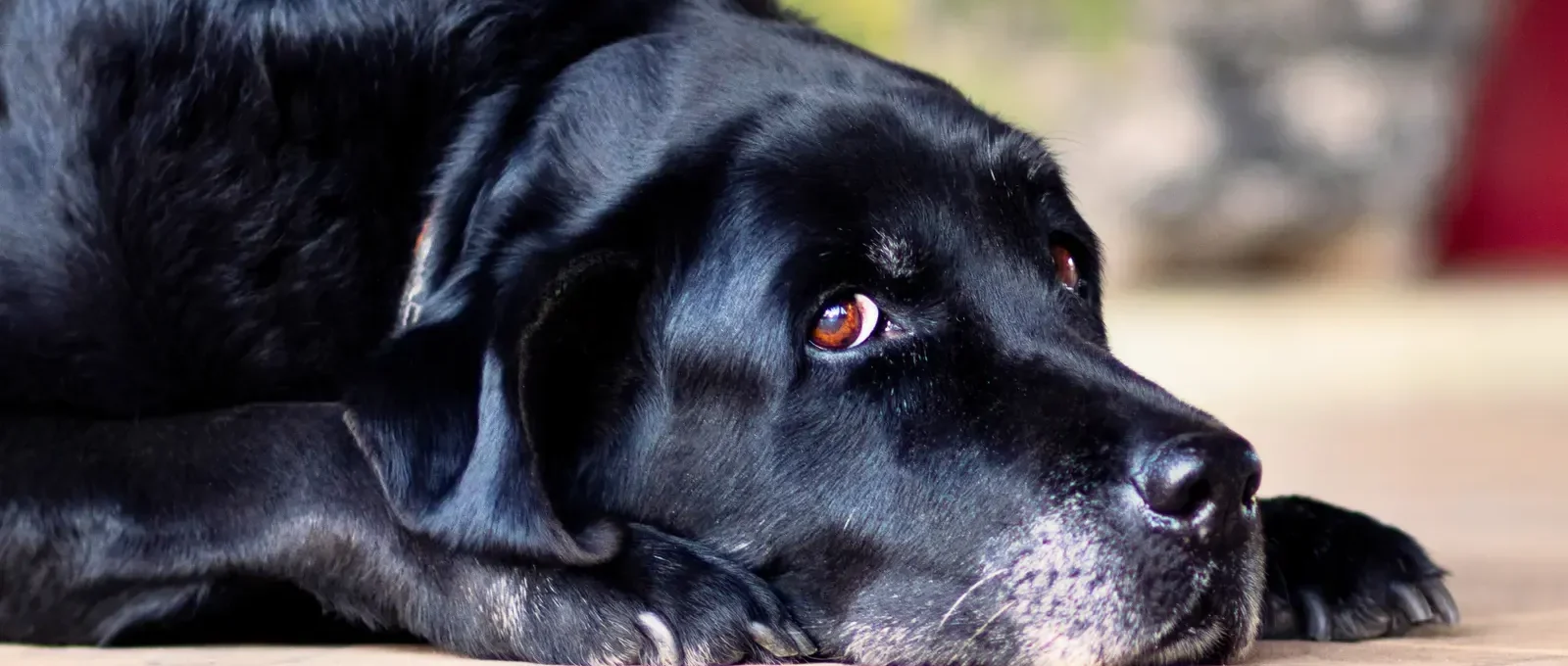

The gray muzzle sneaks up on you. One day your dog is launching off the couch; the next, they’re hesitating at the stairs. Senior dog care isn’t about winding down — it’s about adjusting. With the right tweaks to vet care, diet, exercise, and home setup, most senior dogs enjoy many comfortable, happy years.
Petsofweb is reader-supported. When you buy through links on our site, we may earn an affiliate commission.
This guide covers everything: when a dog becomes a “senior,” the signs of aging to watch for, how vet care changes, what to feed, how to keep joints and minds working, and — gently — how to plan for the end.
When Is a Dog Considered a Senior?
It depends mostly on size — big dogs age faster:
| Dog size | Senior age | Geriatric age |
|---|---|---|
| Small (under 20 lbs) | 10–12 years | 14+ |
| Medium (20–50 lbs) | 8–10 years | 12+ |
| Large (50–90 lbs) | 7–9 years | 11+ |
| Giant (90+ lbs) | 6–7 years | 9+ |
A 7-year-old Great Dane is firmly senior; a 7-year-old Dachshund is barely middle-aged. Use the table, not the calendar alone.
Signs Your Dog Is Aging
Aging is gradual, which makes it easy to miss — or to mistake for “just getting old” when something treatable is going on. Watch for:
- Slowing down: less enthusiasm for walks, longer naps, reluctance on stairs or jumping
- Weight changes: gaining (slower metabolism) or losing (dental pain, organ disease, cancer)
- Sensory decline: bumping into furniture, not responding to calls, startling when touched
- Coat and skin: graying muzzle, duller coat, new lumps and bumps
- Behavior shifts: restlessness at night, house soiling in a trained dog, clinginess or withdrawal
- Drinking/urinating more: can be normal aging — or early kidney disease, diabetes, or Cushing’s
Important: “just old age” is never a diagnosis. Many age-related changes have treatable causes — arthritis pain, dental disease, hypothyroidism. If you notice a shift, it’s worth a vet visit, not a shrug.
The Senior Vet Schedule: What Changes
Senior dogs need more proactive veterinary care because diseases are easier (and cheaper) to manage when caught early:
| Adult dog | Senior dog | |
|---|---|---|
| Checkups | Annual | Every 6 months |
| Bloodwork + urinalysis | As needed | Annual minimum (baseline, then compare) |
| Blood pressure | Rarely | Annual — hypertension is underdiagnosed |
| Dental assessment | Annual | Every 6 months — dental disease worsens with age |
| Weight check | Annual | Every visit — weight loss/gain are early warning signs |
| Vaccines | Per schedule | Per schedule, but discuss titers vs. boosters with your vet |
Money reality check: senior vet care costs more — diagnostics, dental cleanings ($500–$1,500), and chronic medications add up. This is exactly when pet insurance costs guide pays for itself if you enrolled while your dog was younger. Enrolling a senior is possible but pricier, with more exclusions.
Feeding an Older Dog
Senior metabolism slows while nutrient needs shift. Practical changes:
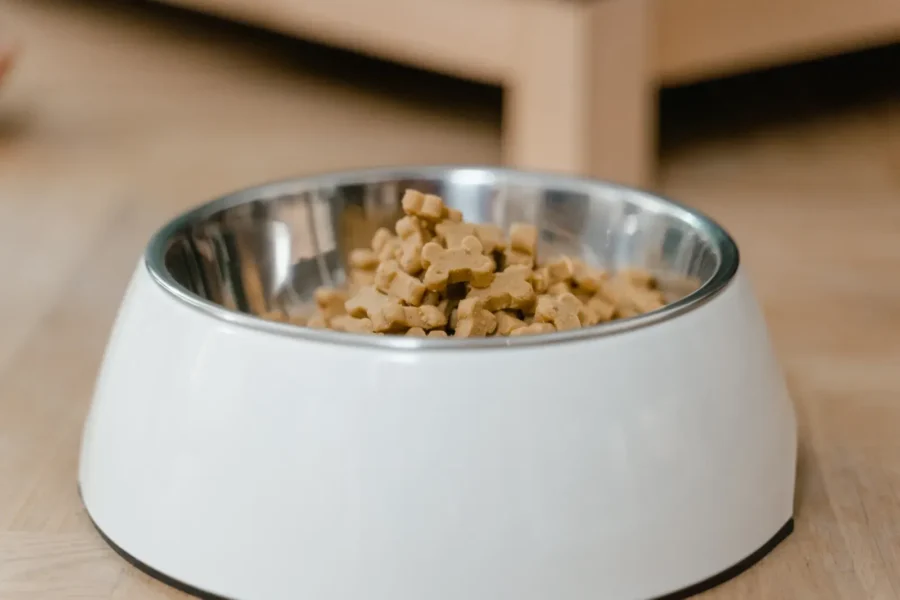
- Switch to a senior formula around the senior-age threshold for your dog’s size — they’re lower in calories, with adjusted protein and added joint support.
- Watch the waistline: obesity is the #1 aggravator of arthritis. You should feel ribs easily under a thin fat layer. The AKC’s body condition guide works at every age.
- Protein still matters: older dogs need adequate high-quality protein to maintain muscle — “low protein for seniors” is outdated advice for healthy dogs. (Kidney disease is the exception — follow your vet.)
- Soften if needed: dogs with dental issues or missing teeth do better on softened kibble or wet food.
- Supplements worth discussing with your vet: omega-3 fatty acids (joints, brain, coat), glucosamine/chondroitin, and joint-support diets.
Feed for the dog in front of you, not the number on the bag — seniors vary enormously.
Exercise: Less Intensity, Same Consistency
The goal shifts from tiring them out to keeping them moving. Regular gentle exercise preserves muscle, joint mobility, weight, and mood.
- Shorter, more frequent walks beat one long march. Two 15-minute strolls > one exhausting 45-minute hike.
- Low-impact activities: swimming (with supervision and a ramp), gentle fetch on grass, sniff walks where the dog sets the pace.
- Warm up and cool down: stiff joints need a few easy minutes before and after.
- Watch the signals: lagging behind, heavy panting, or lying down mid-walk means “enough.” Never push through — see our guide on why dogs pant at night for how seriously to take breathing changes.
- Mental exercise counts double now: puzzle feeders, snuffle mats, and short training sessions keep the brain engaged when the body slows.
Joint Care and Mobility
Arthritis affects most senior dogs to some degree. You can’t reverse it, but you can dramatically slow its impact on quality of life:
- Vet-prescribed pain relief: modern arthritis medications (NSAIDs, Librela-type monoclonal antibodies, etc.) are life-changing for many dogs. Don’t let your dog hurt in silence — and never give human painkillers.
- Weight control: every extra pound multiplies joint stress. This is the highest-leverage thing you control.
- Home setup: non-slip rugs or runners on hard floors, ramps instead of stairs, a raised food/water station, and an orthopedic bed in a warm, draft-free spot. An orthopedic bed in the family’s main living area keeps them close and comfortable.
- Gentle therapies: physical rehabilitation, hydrotherapy, laser therapy, and acupuncture help many arthritic dogs — ask your vet for a rehab referral.
- Nail trims: long nails change gait and worsen joint pain. Keep them short; seniors often need more frequent trims as activity drops.
Cognitive Decline: When Minds Age Too
Canine cognitive dysfunction (doggy dementia) affects a large share of dogs over 11. Signs, remembered by the acronym DISHA:
- Disorientation — staring at walls, getting stuck in corners
- Interaction changes — less greeting, less interest in play
- Sleep-wake cycle disruption — pacing and restlessness at night
- House soiling — forgetting training
- Activity changes — repetitive behaviors, withdrawal
What helps: consistent routines, night lights, mental enrichment, vet-prescribed diets or medications (several show real benefit), and patience. Rule out medical causes first — pain, vision loss, and urinary infections can mimic dementia.
Senior Dog Care at Home: Comfort Adjustments
Small changes make a senior dog’s daily life much easier:
- Orthopedic bed in the family’s main living area — seniors want to be near you, not isolated
- Ramps for the car, couch, and any regular stairs
- Night light near the water bowl and door for dogs with failing vision
- Sweater or coat for thin-coated seniors in cold weather — old dogs chill easily
- More frequent potty breaks — aging bladders can’t wait as long; consider a dog door or midday break
- Keep the routine predictable — seniors find comfort in sameness
- Elevate the essentials — food, water, and bed on one floor eliminates the daily stair negotiation entirely
Traveling With a Senior Dog
Old dogs can still be great travel companions with a few adjustments. Keep car rides short and bring water plus any medications. A ramp or a sturdy step saves arthritic joints at every stop, and a familiar blanket in the back seat reduces anxiety. For longer trips, plan more frequent breaks — senior bladders and stiff legs both appreciate them. And always check that your destination is senior-friendly: slippery hotel floors and steep stairs can turn a fun trip stressful. When in doubt, a trusted pet sitter and the comfort of home is the kinder choice.
End-of-Life Planning: The Gentle Conversation
This is the hardest part of loving a dog, and planning ahead is a gift to both of you. Quality of life — not the calendar — is the measure. Vets often use a quality-of-life scale (sometimes called HHHHHMM: Hurt, Hunger, Hydration, Hygiene, Happiness, Mobility, and More good days than bad). When bad days consistently outnumber good ones, it’s time for an honest conversation with your vet.
Practical things to decide before the crisis:
- Your vet’s end-of-life options: in-home euthanasia services exist in most areas and are far gentler than a clinic trip for a suffering dog. Research providers now, not at midnight.
- Aftercare preferences: cremation (private vs. communal), burial options, paw-print keepsakes.
- A budget: end-of-life care can cost $300–$1,500+. Knowing your options avoids money panic during grief.
- Support: pet loss grief is real grief. Cornell’s pet loss resources and support page lists hotlines, support groups, and counselors who specialize in exactly this.
You will doubt yourself no matter when it happens. “Better a week too early than a day too late” is what most vets — and most owners who’ve been through it — will tell you.
Frequently Asked Questions
At what age is a dog considered a senior?
It depends on size: giant breeds around 6–7, large breeds 7–9, medium breeds 8–10, and small breeds 10–12. Your vet can confirm based on your individual dog’s breed and health.
How often should a senior dog see the vet?
Every 6 months, with annual bloodwork and urinalysis at minimum. Catching kidney disease, diabetes, or arthritis early makes treatment far more effective and less expensive.
What should I feed my senior dog?
A senior-formula food matched to their size, with adequate high-quality protein, controlled calories, and joint-support nutrients. Adjust for dental issues (softer food) and any diagnosed conditions (kidney, heart) per your vet’s guidance.
How much exercise does a senior dog need?
Consistency over intensity: shorter, more frequent walks plus mental enrichment. Let the dog set the pace, watch for fatigue signals, and favor low-impact activities like swimming. A tired-but-happy senior is the goal — never exhaustion.
What are the signs of dementia in dogs?
Disorientation, changed interactions, disrupted sleep, house soiling, and altered activity levels (DISHAA). Many of these overlap with treatable conditions, so a vet check comes first — then management with routine, enrichment, and possibly medication.
How do I know when it’s time to say goodbye?
When bad days outnumber good days despite treatment — when pain can’t be managed, appetite is gone, or the things they loved no longer interest them. Use a quality-of-life scale with your vet, decide your options in advance, and be as kind to yourself as you’ve been to them.
Medical disclaimer: This guide is educational only and isn’t veterinary advice. Senior dogs vary enormously — work with your veterinarian on diet, medication, and end-of-life decisions tailored to your individual dog.
Enjoyed this guide? Join the Petsofweb newsletter for one practical pet-care tip every week — senior health checklists, seasonal care reminders, and aging-dog comfort ideas, with no spam. Sign up free on petsofweb.com/ and give your old friend the best golden years.
Comfort matters more than ever at this stage — see our guide to the best orthopedic dog beds for senior dogs for joint-friendly options that ease arthritis pain.