

Watch an old dog try to stand up from a flat, worn-out dog bed and you’ll see exactly why orthopedic dog beds matter: elbows trembling, hind legs slipping, a quiet little grunt before the first step. A good orthopedic dog bed gives aging joints a firm, level surface to push against — and for seniors with arthritis, that’s the difference between a painful morning and an easy one.
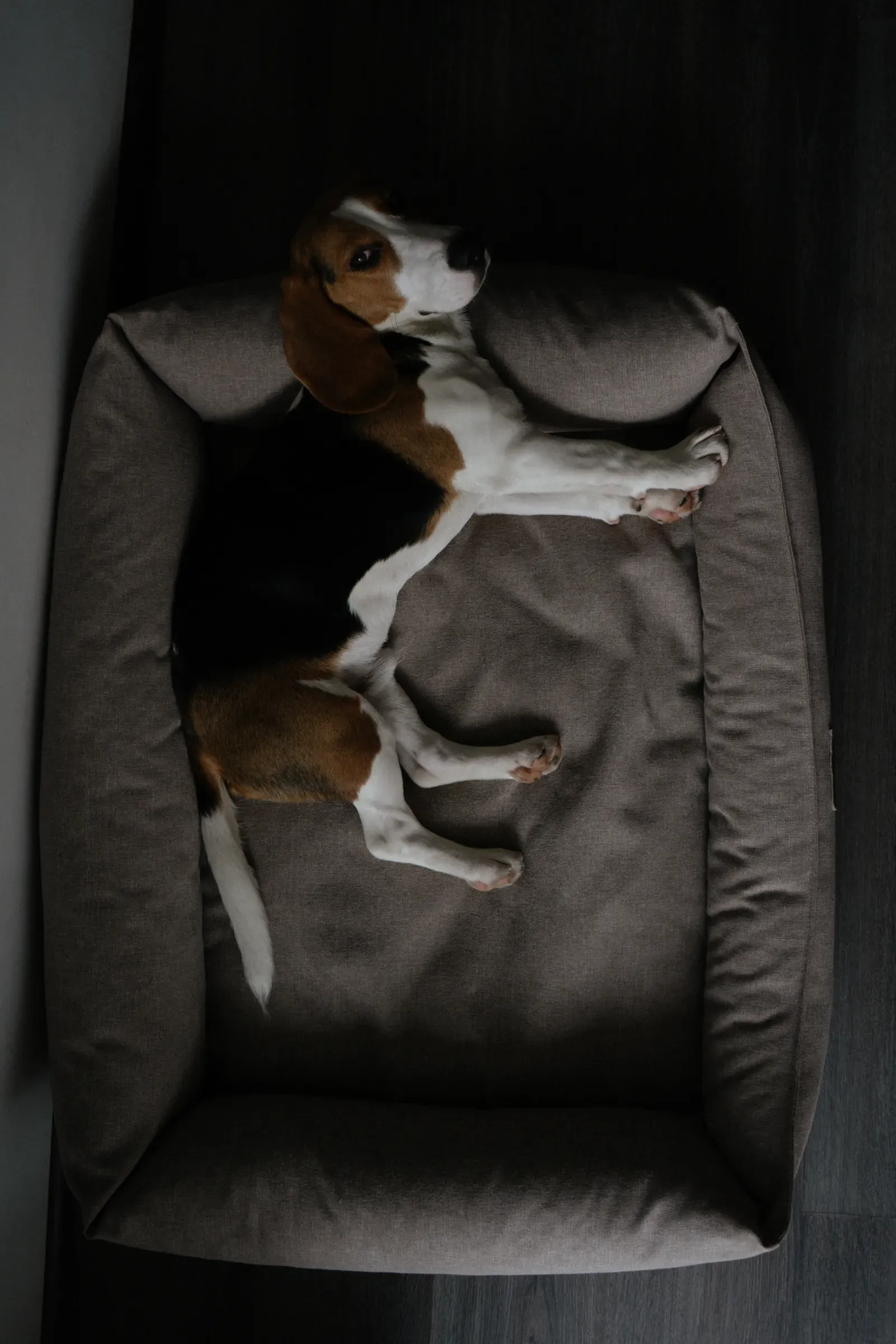
But the pet aisle is full of beds slapped with the word “orthopedic.” Here’s how to tell the real thing from marketing fluff, which five types of beds actually earn the label for senior dogs, and how to pick the right one without overpaying.
What Makes a Bed “Orthopedic”?
A true orthopedic bed supports a dog’s weight without collapsing under it. The support layer is the whole story: it’s dense memory foam (or high-density orthopedic foam), typically 3–4 inches thick or more, rather than polyester stuffing, cedar chips, or thin “egg-crate” foam that bottoms out the first week.
How to tell at a glance:
- Foam density: real orthopedic beds list foam density — look for 4 lb/ft³ or higher. If the listing doesn’t mention density at all, that’s a red flag.
- Thickness: under 3 inches of foam, a 60-pound dog will press straight through to the floor.
- Recovery: press your palm down hard for 10 seconds. Quality memory foam slowly springs back; cheap foam stays dented or crumbles.
Arthritis is one of the most common reasons seniors need this support. Our senior dog care guide covers joint-friendly home setups in more depth. The right orthopedic dog beds distribute weight evenly, giving sore joints real relief.
The 5 Picks: Best Orthopedic Dog Beds for Senior Dogs
These aren’t brand reviews — they’re the five types of orthopedic dog beds worth your money, with what to look for in each and the honest trade-offs. Prices below are typical 2026 ranges for a medium-to-large bed.
| Pick | Best for | Typical price | Watch out for |
|---|---|---|---|
| Overall memory-foam bed | Most senior dogs | $60–$150 | Thin foam marketed as “orthopedic” |
| Extra-thick large-breed bed | Dogs over 70 lbs | $100–$220 | Standard sizes that are too small |
| Budget orthopedic bed | Cost-conscious owners | $35–$70 | Lower foam density, shorter lifespan |
| Bolster bed | Dogs that rest their head/chin | $70–$160 | Bolsters that eat into sleeping space |
| Waterproof bed | Incontinence-prone seniors | $70–$170 | “Water-resistant” vs truly waterproof |
Best Overall: A True Memory-Foam Orthopedic Bed
Look for: a 4-inch (or thicker) solid memory-foam slab at 4 lb/ft³ density or higher, a removable machine-washable cover, and a non-slip bottom. This is the workhorse — the right pick for the large majority of senior dogs.
Pros: distributes weight evenly across sore joints; helps dogs stand up with less slipping; widely available in every size.
Cons: quality foam costs more; heavier to move around the house; some dogs find solid foam warm in summer.
Price band: roughly $60–$150 depending on size. Under $50, double-check the foam specs before buying.
Best for Large & Giant Breeds: Extra-Thick High-Density Bed
Look for: 5+ inches of high-density foam (or a memory-foam + support-foam sandwich), sized generously — giant breeds need XL or XXL, not “large.” Check the listed weight limit and add a margin: a 90-pound dog does best on a bed rated for 100+ pounds.
Pros: won’t bottom out under heavy dogs; gives big seniors the leverage to stand.
Cons: bulky and heavy; the most expensive category; measure your floor space before ordering.
Price band: roughly $100–$220.
Best Budget Pick: Value Orthopedic Bed
Look for: at least 3 inches of foam with a stated density (even 3 lb/ft³ is honest at this price), plus a washable cover. Budget beds can be genuinely good — they just wear out faster.
Pros: affordable; fine for lighter seniors or as a second bed for the car or office.
Cons: foam compresses sooner — plan on replacing every 12–18 months; fewer size options.
Price band: roughly $35–$70.
Best Bolster Bed: For Chin-Resters
Look for: a firm orthopedic foam base (the bolster is a bonus, not the support) with bolsters on at least two sides. Many seniors love resting their head on a raised edge — it eases neck strain.
Pros: head and neck support; dogs feel “nestled” and secure; good for anxious seniors.
Cons: bolsters shrink the flat sleeping area — size up; harder to wash the whole thing.
Price band: roughly $70–$160.
Best Waterproof: For Incontinence-Prone Seniors
Look for: a truly waterproof liner (not just “water-resistant” fabric) between the cover and the foam — plus a washable outer cover. Incontinence is common in very old dogs, and urine destroys unprotected foam fast.
Pros: protects the foam investment; easy cleanup; extends bed life dramatically.
Cons: waterproof liners can feel crinkly or warm; verify the liner itself is machine-washable.
Price band: roughly $70–$170.
How to Size an Orthopedic Bed
Too small and your senior hangs off the edge — defeating the whole point. Measure your dog from nose to base of tail while lying stretched out, then add 6 inches. That’s the minimum bed length. Most orthopedic dog beds list both dimensions and weight limits — check both before ordering.
| Dog weight | Stretched length (typical) | Bed size to buy |
|---|---|---|
| Under 25 lbs | Under 24 in | Small (30 in+) |
| 25–50 lbs | 24–36 in | Medium (36 in+) |
| 50–75 lbs | 36–44 in | Large (44 in+) |
| Over 75 lbs | 44 in+ | XL / XXL (50 in+) |
When in doubt, size up. Seniors sprawl, circle, and reposition — a roomy bed gets used; a cramped one gets ignored. Compare orthopedic dog beds by your dog’s measurements, not just the label size.
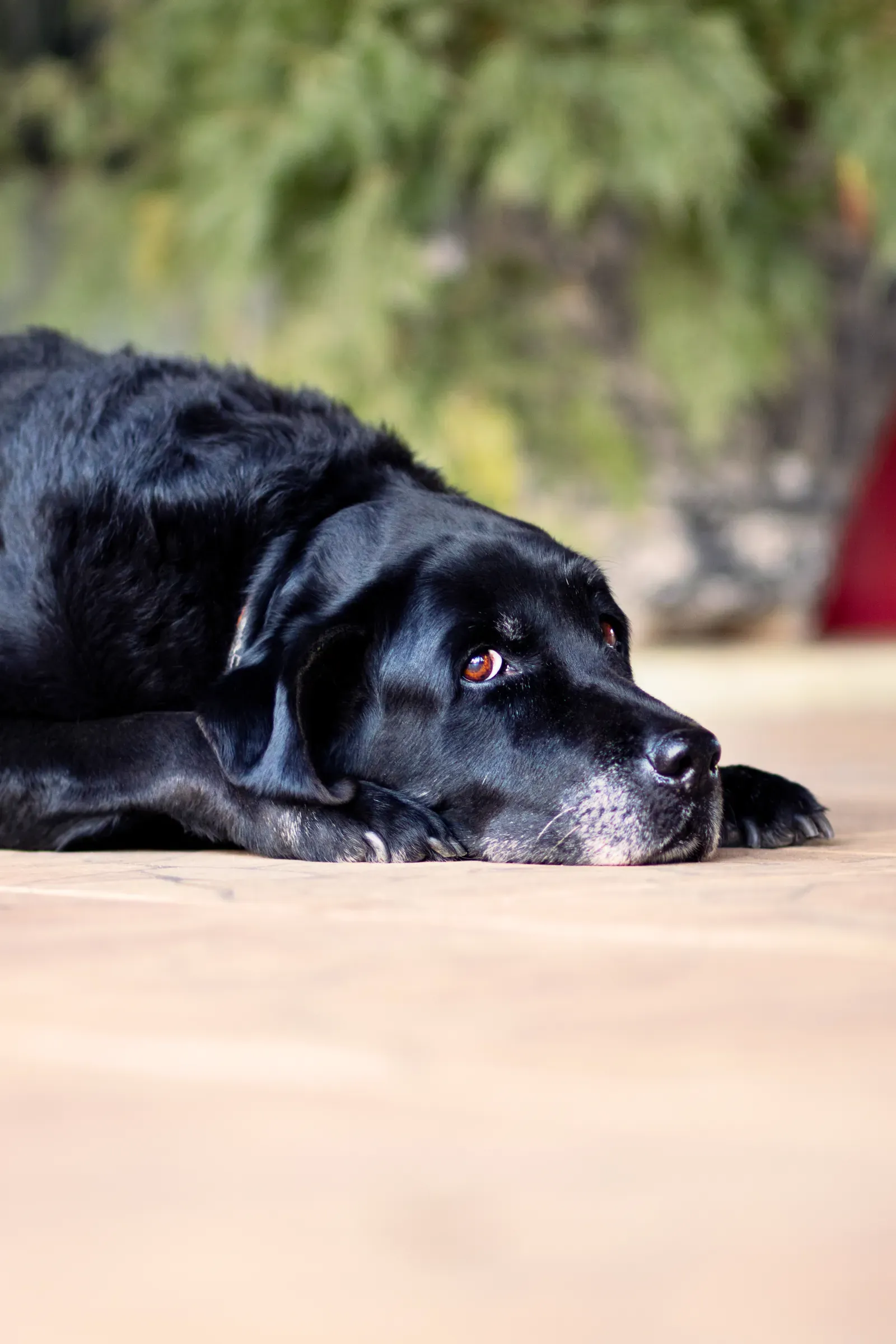
Features That Matter Most for Seniors
- Low entry edge: arthritic dogs struggle to climb over tall bolsters. Look for at least one low or open side.
- Washable cover: non-negotiable. Senior dogs drool, shed, and have accidents — if the cover doesn’t zip off and machine-wash, skip it.
- Non-slip base: a bed that slides on hardwood when a wobbly senior tries to stand is a fall hazard.
- Chew-resistant fabric: anxious or cognitively declining seniors sometimes chew bedding; tougher canvas-style covers last longer.
- Cooling top layer: optional but nice — gel-infused foam or breathable covers help dogs that run warm.
A bed is one piece of the comfort puzzle. Pair it with the right nutrition support — see our guide to joint supplements for senior dogs — and a vet-approved exercise routine.
If your senior is newly stiff or limping, see our pet symptoms guide for the warning signs to watch.
When to Replace the Bed
Even the best orthopedic dog beds wear out. Do the flattening test every few months: press your knee into the center of the bed. If you can easily feel the floor through the foam, or the foam doesn’t spring back within a minute, the support is gone and it’s time to replace.
Typical lifespans: budget beds 12–18 months, quality memory-foam beds 2–4 years, waterproof-lined beds often longer since the foam stays protected. VCA’s senior pet resources at VCA Animal Hospitals are a good reference for broader aging-dog care.

Are orthopedic dog beds worth the money for a senior dog?
For most seniors — especially arthritic, large-breed, or post-surgery dogs — yes. Firm, even support reduces pressure on sore joints and makes standing easier, which directly affects mobility and quality of life. A mid-range bed in the $80–$120 range is the sweet spot for most owners.
What’s the best foam type: memory foam or egg-crate foam?
Solid memory foam (or high-density orthopedic foam) beats egg-crate foam for seniors. Egg-crate is softer and cheaper but compresses faster and offers less even support under heavy or arthritic dogs.
How do I know what size orthopedic bed to buy?
Measure your dog nose-to-tail while stretched out and add 6 inches — that’s the minimum bed length. Then check the bed’s listed weight limit and make sure your dog is comfortably under it, not right at the edge.
How often should I replace an orthopedic dog bed?
Do the flattening test every few months: press your knee into the center — if you feel the floor or the foam stays dented, replace it. Budget beds last roughly 12–18 months; quality memory-foam beds last 2–4 years.
Can a puppy or young dog use an orthopedic bed?
Absolutely — supportive foam is fine at any age, and large-breed puppies in particular benefit during fast growth phases. Just expect more chewing wear, so a tougher cover matters.
Enjoyed this guide? Join the Petsofweb newsletter for one practical pet-care tip every week — senior care, nutrition, and money-saving vet advice, with no spam. Sign up free on petsofweb.com/.
Orthopedic beds are also the single best thing to buy on sale, so track the picks above in our Black Friday pet deals hub, where beds see their steepest discounts of the year.