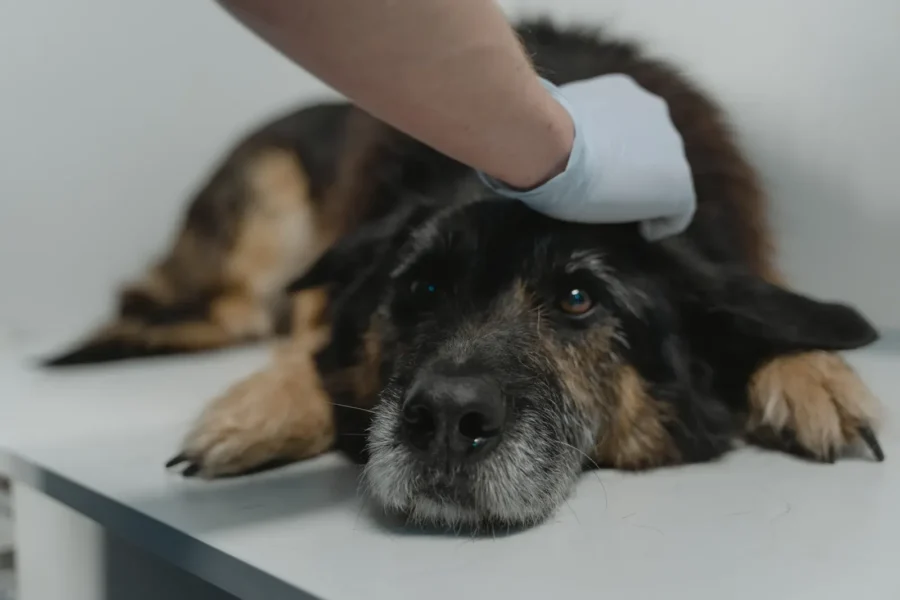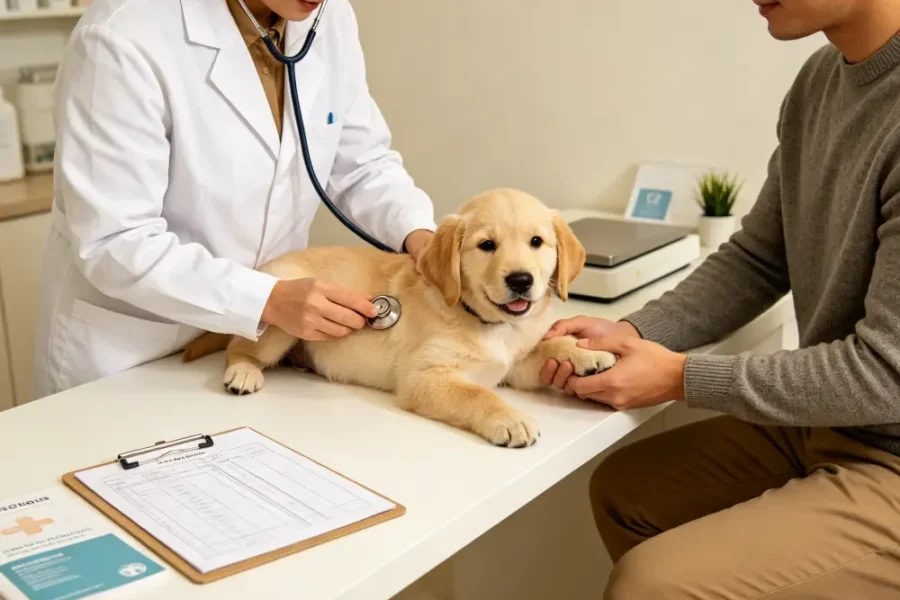

So — does pet insurance cover emergency vet visits? The short answer is yes, in most cases: accident-and-illness policies are built around exactly these sudden, expensive events, from a midnight foreign-body surgery to a hit-by-car trauma case. But “covered” comes with fine print — waiting periods, exclusions, deductibles, and reimbursement rates all decide how much of that ER bill actually comes back to you. Here’s how it works in 2026.
Petsofweb is reader-supported. When you buy through links on our site, we may earn an affiliate commission.
Does Pet Insurance Cover Emergency Vet Visits? The Short Answer
Yes. A standard accident-and-illness pet insurance policy covers emergency vet visits for new accidents and illnesses — that’s the core of what you’re buying. If your dog swallows a sock at 11 p.m. or your cat is hit by a car, the emergency exam, diagnostics, surgery, hospitalization, and medications are typically eligible expenses, subject to your deductible, reimbursement rate, and annual limit.
Two big caveats:
- Waiting periods apply. Most policies have a 2–15 day waiting period for accidents and a 14-day (sometimes longer) waiting period for illnesses. An emergency on day three of a new policy usually isn’t covered.
- Pre-existing conditions are excluded. If your pet was already showing symptoms of the condition before the policy started, related emergency care won’t be covered.
For the full picture of what plans cost and include, see our complete guide to pet insurance costs.
What’s Typically Covered in an Emergency
Emergency coverage is broad. After your waiting periods are satisfied, a standard policy typically pays for:
- Emergency exam fees — though note some insurers carve these out or cap them, so check your policy.
- Diagnostics: X-rays, ultrasound, bloodwork, urinalysis, and advanced imaging like CT scans.
- Emergency surgery: foreign-body removal, bloat (GDV) surgery, fracture repair, wound repair, and cesarean sections when medically necessary.
- Hospitalization: overnight stays, ICU-level monitoring, IV fluids, and oxygen therapy.
- Medications: drugs administered during the emergency and prescribed for recovery at home.
- Specialist and ER care: most policies let you visit any licensed veterinarian or emergency hospital — no “network” restrictions.
If you’re still on the fence about coverage in general, our breakdown of whether pet insurance is worth it walks through the math.
Real Emergency Vet Costs Without Insurance
Emergency vet care is expensive precisely because it happens after hours with specialized staff and equipment. These are widely reported typical ranges in the U.S. — your actual bill depends on your region, the hospital, and the severity:
- Emergency exam fee: typically $100–$300, on top of treatment.
- Foreign-body surgery (swallowed toy, sock, corn cob): typically $1,500–$7,000.
- Bloat / GDV surgery (a life-threatening emergency in deep-chested breeds): typically $1,500–$7,500.
- Hit by car: wildly variable — typically $2,000–$10,000+ depending on fractures, internal injuries, and ICU time.
- Poisoning treatment: typically $500–$6,000+, from decontamination and monitoring to multi-day hospitalization for toxins like xylitol or lilies.
- Fracture repair: typically $2,000–$7,000 depending on the bone and technique.
- Hospitalization: typically $500–$2,000 per day for intensive care.
- Diagnostics: X-rays typically $150–$500; ultrasound typically $300–$600; emergency bloodwork typically $100–$300.
It’s easy to see how a single bad night can top $5,000. That’s the scenario insurance exists for.
What’s Often Excluded From Emergency Coverage
Not every emergency bill gets paid. Common exclusions and limitations include:
- Pre-existing conditions — any condition with symptoms or treatment before your policy’s effective date (and its waiting periods).
- Emergencies during the waiting period — coverage hasn’t kicked in yet.
- Intentional injuries or neglect — injuries resulting from abuse or failure to provide reasonable care.
- Breeding, pregnancy, and whelping costs — excluded on most standard policies.
- Cosmetic procedures — even if performed in an ER setting.
- Experimental treatments — some policies exclude non-standard therapies.
- Bilateral condition limits — some insurers apply special rules if the same condition affects both sides of the body (e.g., both cruciate ligaments).
We keep a fuller list in our article on what pet insurance doesn’t cover — worth a read before you buy.
How Deductibles and Reimbursement Apply to Emergency Vet Visits
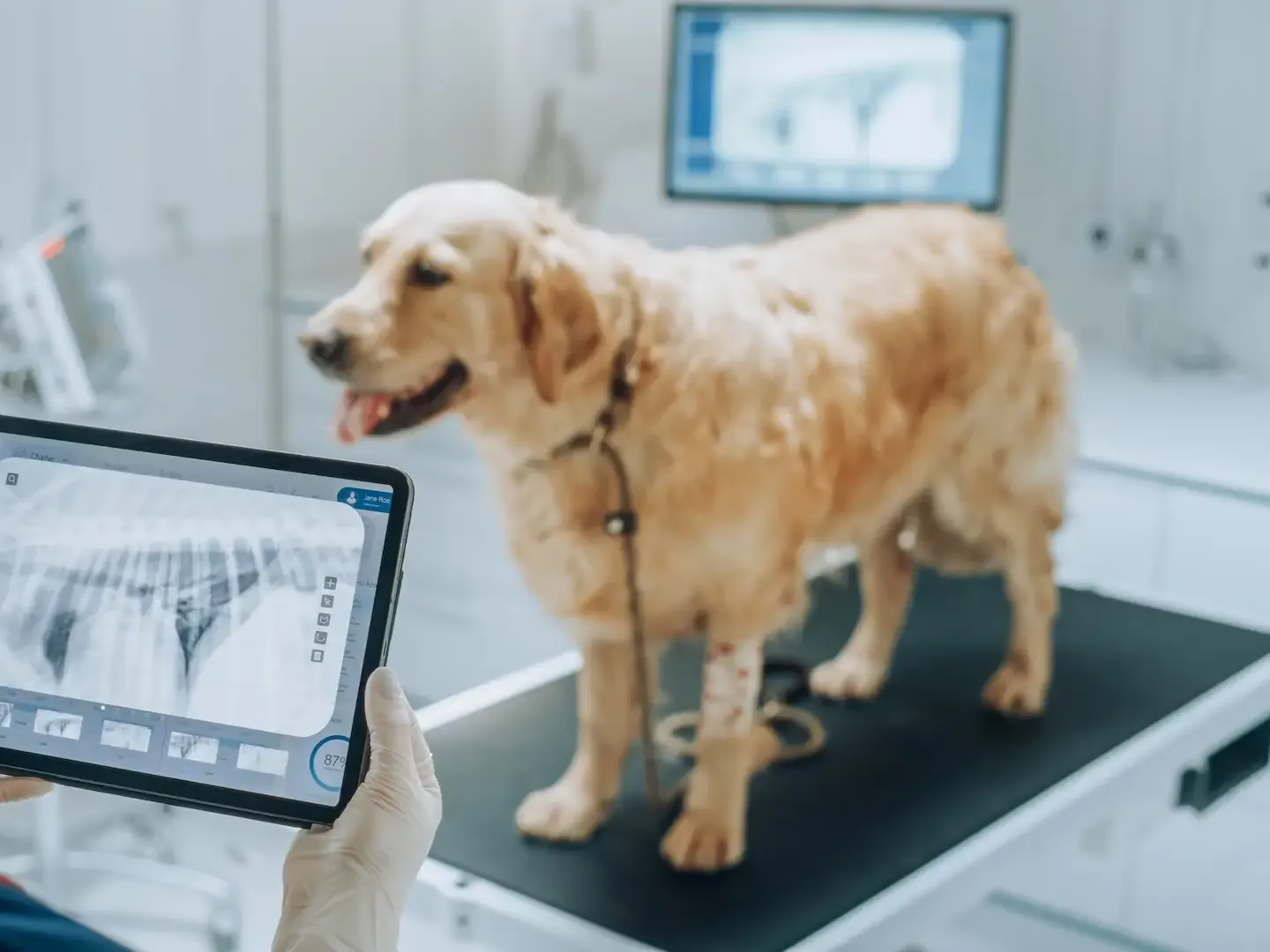
Here’s the part that surprises first-time claimants: pet insurance reimburses you — it doesn’t pay the vet directly in most cases. The typical flow:
- You pay the ER bill in full at the time of treatment (many ERs require payment upfront).
- You file a claim with your invoice and medical records.
- The insurer subtracts your deductible (commonly $250–$1,000 per year), then applies your reimbursement rate (commonly 70–90%) to the remaining eligible amount.
- You get reimbursed — typically within days to a few weeks.
Example: a $4,000 foreign-body surgery with a $500 annual deductible and 80% reimbursement. You pay $4,000 upfront. The insurer subtracts the $500 deductible ($3,500 remaining), then reimburses 80% of that — $2,800 back to you. Your net cost: $1,200.
Deductibles usually reset once a year, so one big emergency can satisfy the whole year’s deductible in a single visit. Learn the mechanics in our guide to how pet insurance deductibles work.
Important: because you pay first and get reimbursed later, you still need a way to cover the upfront bill — a credit card, CareCredit, or an emergency fund. Insurance protects your savings; it doesn’t eliminate the need for short-term liquidity.
Does Pet Insurance Cover Emergency Visits at Any Vet?
Yes — one of the best features of pet insurance versus human health insurance is the lack of networks. You can take your pet to any licensed veterinarian, emergency hospital, or specialist in the U.S., including while traveling. The claim process is identical. Some policies even cover emergency care abroad, though limits vary — check your terms if you travel internationally with your pet.
How to Prepare Financially: The Emergency Fund + Insurance Combo
The strongest financial setup isn’t insurance or savings — it’s both:
- Keep a pet emergency fund of at least $1,000–$2,000 in an accessible savings account. This covers your deductible, the upfront ER payment before reimbursement arrives, and anything below your deductible.
- Carry accident-and-illness insurance for the catastrophic bills — the $5,000–$10,000 events that would wreck a budget.
- Enroll early. Puppies and kittens are accident-prone, and enrolling young means fewer pre-existing condition exclusions later.
- Keep a pet first-aid kit at home and in the car. [AMAZON_LINK: Pet First Aid Kit] Basic supplies won’t replace an ER visit, but they buy you safe time on the way there.
- Save your vet’s and the nearest ER hospital’s number in your phone now — not at 2 a.m. during a crisis.
- Know the poisons. Xylitol (in sugar-free products), lilies (cats), grapes/raisins, and certain rodenticides are common emergency triggers. If ingestion happens, call your vet or animal poison control immediately — don’t wait for symptoms. (Talk to your vet about the right emergency protocol for your pet.)
Does pet insurance cover emergency vet visits on weekends and holidays?
Yes. Coverage applies whenever the emergency happens — nights, weekends, and holidays included. After-hours surcharges at ER hospitals are typically part of the eligible bill.
Will my claim be denied if I go to an out-of-network ER?
There are no networks in pet insurance. Any licensed vet or emergency hospital qualifies, and the claim is processed the same way.
Does pet insurance cover the emergency exam fee?
Usually, but not always — some policies exclude or cap exam fees. Check the “covered expenses” section of your policy wording.
What if my pet needs emergency care during the waiting period?
It won’t be covered. Waiting periods (typically 2–15 days for accidents, ~14 days for illnesses) are strict. This is why enrolling before you need it matters.
Can I get reimbursed the same day as the emergency?
No — you pay the vet first, then file a claim. Reimbursement typically takes several days to a few weeks depending on the insurer. Keep a credit card or emergency fund available for the upfront cost.
The Bottom Line
Pet insurance does cover emergency vet visits — that’s its main job. Enroll before an emergency happens, understand your deductible and reimbursement rate, keep a small emergency fund for the upfront bill, and you’ll turn a potential $7,000 crisis into a manageable expense. Talk to your vet about the emergency risks most relevant to your pet’s breed and lifestyle, and review your policy’s exclusions once a year so there are no surprises at 2 a.m.
For a complete pricing breakdown, see our guide to pet insurance costs.
Learn how to file a pet insurance claim after an emergency vet visit.