

Learning how to file a pet insurance claim before you need to is one of the smartest things a pet owner can do. When your dog is recovering from surgery or your cat just spent a night in the ER, the last thing you want is to be hunting through paperwork. The good news: filing is straightforward once you know the steps. In this 2026 guide, we’ll walk through exactly what documents you need, how to submit your claim, how long reimbursement takes, and what to do if your claim gets denied.
Petsofweb is reader-supported. When you buy through links on our site, we may earn an affiliate commission.
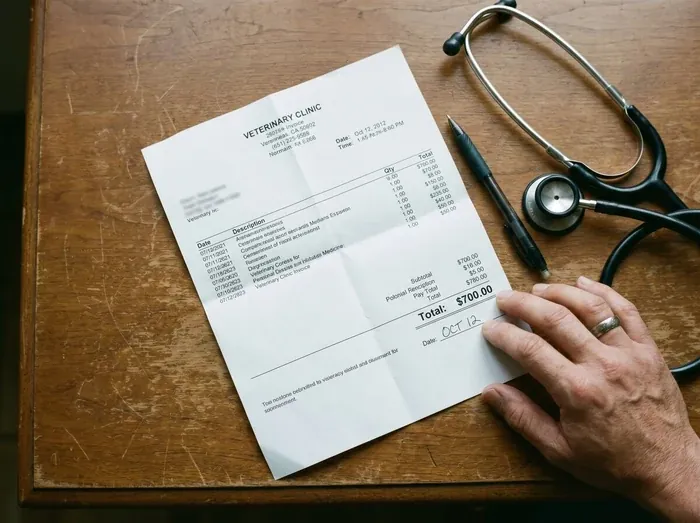
How to File a Pet Insurance Claim: The 6 Steps
Most pet insurers follow the same basic process. Here’s how it works from the vet’s office to the money landing in your account:
- Pay your vet bill in full. Unlike human health insurance, pet insurance typically works on reimbursement — you pay the veterinarian first, then get paid back. Keep every receipt.
- Gather your documents. You’ll need the itemized invoice from your vet and, for most first-time or larger claims, your pet’s medical records. (More on exactly what’s needed below.)
- Fill out the claim form. Most insurers offer an online portal or mobile app where you complete a short form: your pet’s details, the date of treatment, the condition treated, and the amount you’re claiming.
- Upload or send everything. Submit through the insurer’s app or web portal (fastest), or by email or fax if your insurer still accepts those. Keep copies of everything you send.
- Wait for processing. The insurer reviews the claim, checks it against your policy terms (deductible, exclusions, waiting periods), and calculates your reimbursement.
- Get reimbursed. Most insurers pay by direct deposit or check, typically within days to a few weeks of approval.
If you’re still shopping for a plan, our complete guide to pet insurance costs in 2026 breaks down premiums, deductibles, and what affects your price.
What Documents Do You Need to File a Pet Insurance Claim?
Having the right paperwork ready is the single biggest factor in how fast your claim gets paid. Here’s the checklist:
- Itemized invoice. Not just the total — the line-by-line breakdown of every exam fee, test, medication, and procedure. Ask your vet’s front desk for this before you leave; it’s much harder to get weeks later.
- Claim form. Your insurer’s own form, completed with the treatment date, diagnosis, and amount claimed. Most are digital now.
- Medical records / SOAP notes. For first claims and larger bills, insurers typically request your pet’s full veterinary history. This is how they verify the condition isn’t pre-existing.
- Prescription details. If you’re claiming medications, keep the prescription label and pharmacy receipt.
- Referral or specialist notes. If your regular vet referred you to a specialist or ER, include the referral documentation.
Pro tip: start a simple filing habit now — a dedicated folder (physical or digital) for every vet visit. The number-one cause of slow claims is missing paperwork, and it’s almost always avoidable.
How to Submit: App, Portal, Email, or Fax
Submission methods vary by insurer, but most now lead with digital:
- Mobile app (fastest). Many insurers let you photograph your invoice and submit in under five minutes. Some even pre-fill your pet’s details.
- Online portal. Log into your account on the insurer’s website, upload PDFs or photos of your documents, and track the claim status in real time.
- Email. Slower, but still accepted by most companies. Send to the claims address listed in your policy documents.
- Fax or mail. A few insurers still accept these, but they’re the slowest option — avoid them if you have a digital alternative.
Whichever method you use, submit as soon as possible after treatment. Most policies have a claim-filing deadline — commonly 90 days to a year from the date of treatment — and late claims can be denied outright. Check your policy’s specific window and don’t sit on paperwork.
How Your Reimbursement Is Calculated
This is the part that confuses first-time claimants. The math follows a fixed order:
- Start with the eligible vet bill. Only covered expenses count — exclusions are removed first. Our guide to what pet insurance doesn’t cover lists the usual carve-outs.
- Subtract your deductible. If you have a $500 annual deductible and haven’t met it yet, the first $500 comes off. If you’ve already met it this year, skip this step.
- Apply your reimbursement rate. The insurer pays the stated percentage — typically 70–90% — of what remains.
- Check the annual limit. If the result exceeds your plan’s yearly cap, you get the cap amount.
Worked example: a $3,000 emergency vet bill (see what emergency visits typically cost), $500 annual deductible not yet met, 80% reimbursement. $3,000 − $500 = $2,500. 80% of $2,500 = $2,000 back to you. Your net cost: $1,000.
Understanding this order matters because the deductible is the lever that changes everything — learn how pet insurance deductibles work before you compare plans.

How Long Does a Pet Insurance Claim Take?
Timelines vary by insurer and claim complexity, but these are typical ranges:
- Simple claims (routine invoice, complete paperwork, no history review needed): typically 2–5 business days.
- Standard claims (first claim, or one requiring medical-record review): typically 1–3 weeks.
- Complex claims (large bills, specialist care, questions about pre-existing conditions): typically 3–6 weeks, sometimes longer.
Direct deposit is almost always faster than a mailed check — set it up in your insurer’s portal before you ever file. And remember: the clock starts when the insurer has everything they need. A claim missing one page of records isn’t “processing” — it’s waiting on you.
Common Reasons Pet Insurance Claims Get Denied
Denials are frustrating, but most fall into a handful of predictable categories:
- Pre-existing condition. The number-one denial reason. If the condition (or its symptoms) was documented before your coverage started — including during the waiting period — it’s typically excluded. See how insurers define pre-existing conditions.
- Waiting period not yet over. Treatment during the initial waiting period (commonly ~14 days for illness) isn’t covered, and related conditions may be excluded going forward.
- Policy exclusion. Routine care, cosmetic procedures, breeding costs, and bilateral-condition limits are standard exclusions on accident-and-illness plans.
- Missing or incomplete documentation. No itemized invoice, no medical records, or a claim form with blank fields.
- Filing too late. Past your policy’s claim deadline — commonly 90 days to a year.
- Annual limit reached. You’ve already hit your plan’s yearly payout cap.
- Unrelated to a covered condition. The treatment doesn’t match a covered illness or injury under your plan type (e.g., filing an illness claim on an accident-only plan).
How to Appeal a Denied Claim
A denial isn’t always the final word. If you believe the decision was wrong, here’s how to push back:
- Read the denial letter carefully. Insurers must state the specific reason and the policy clause behind it. You can’t argue effectively until you know exactly what they’re claiming.
- Gather counter-evidence. Vet records showing the condition started after enrollment, a letter from your vet clarifying the diagnosis or timeline, or proof that the waiting period had ended.
- Ask your vet to help. A short written statement from your veterinarian — clarifying when symptoms first appeared or correcting a vague chart note — is the single most persuasive thing in an appeal.
- File a formal appeal. Follow your insurer’s appeals process (it’s in your policy documents or portal). Put it in writing, reference the claim number, and attach everything.
- Escalate if needed. If the internal appeal fails and you still believe the denial is wrong, you can file a complaint with your state’s department of insurance, which regulates pet insurers.
Keep every communication in writing, note names and dates of any phone calls, and stay polite but persistent. Many legitimate denials get reversed on appeal when the medical timeline is clarified.
7 Tips for Faster Payouts
- File immediately. Don’t let invoices pile up — submit within days of treatment.
- Use the app or portal. Digital submissions with photo uploads process fastest.
- Include everything the first time. Itemized invoice, claim form, medical records — a complete package avoids the back-and-forth that adds weeks.
- Set up direct deposit now. Don’t wait until your first claim to configure payment details.
- Keep a running vet file. Every visit, every receipt, in one place — physical folder or cloud drive.
- Know your policy cold. Deductible status, waiting periods, exclusions, and claim deadline — check them before you file, not after a denial.
- Track the claim. Most portals show real-time status. If it’s been longer than the insurer’s stated processing time, call and ask what’s missing.
Frequently Asked Questions
Can I file a pet insurance claim online?
Yes — most insurers now accept claims through a mobile app or online portal, which is also the fastest method. You’ll upload photos or PDFs of your itemized invoice and any required medical records, and you can usually track the claim status in real time.
What is the deadline for filing a pet insurance claim?
It varies by insurer, but most policies require claims within 90 days to a year of the treatment date. Check your specific policy — filing late is one of the easiest denials to avoid, and one of the hardest to appeal.
Do I need my pet’s full medical history for every claim?
Not every claim, but typically yes for your first claim and for larger bills. Insurers request full records to verify the condition isn’t pre-existing. Smaller, routine claims on an established policy often need only the itemized invoice.
Can the vet file the claim for me?
Sometimes. A growing number of vets offer direct-pay or “vet direct” arrangements with certain insurers, where the clinic submits the claim and you only pay your share. Ask your vet’s office whether they work directly with your insurer — but don’t assume; most claims are still filed by the owner.
What happens if my claim is partially paid?
Partial payments usually mean some line items were excluded or applied to your deductible. Review the explanation of benefits line by line. If an excluded item looks wrong — say, a diagnostic coded incorrectly — you can appeal that portion with supporting records from your vet.
Will filing a claim raise my premium?
Pet insurance doesn’t work like auto insurance — filing a legitimate claim typically doesn’t raise your individual premium. Premiums generally rise with your pet’s age and overall veterinary cost trends, not your claim history. That said, switching insurers after major claims can be costly, since the new insurer will treat prior conditions as pre-existing.

The Bottom Line
Filing a pet insurance claim comes down to three habits: pay the vet and keep the itemized invoice, submit promptly through the app or portal with complete paperwork, and know your deductible and policy terms before you file. Do that, and most claims pay out in days, not weeks. And if a claim is denied, don’t assume it’s final — read the reason, gather your vet’s records, and appeal. Talk to your vet if you’re unsure whether a treatment will be covered before it happens; a five-minute call can save a five-week dispute.



Leave a Comment