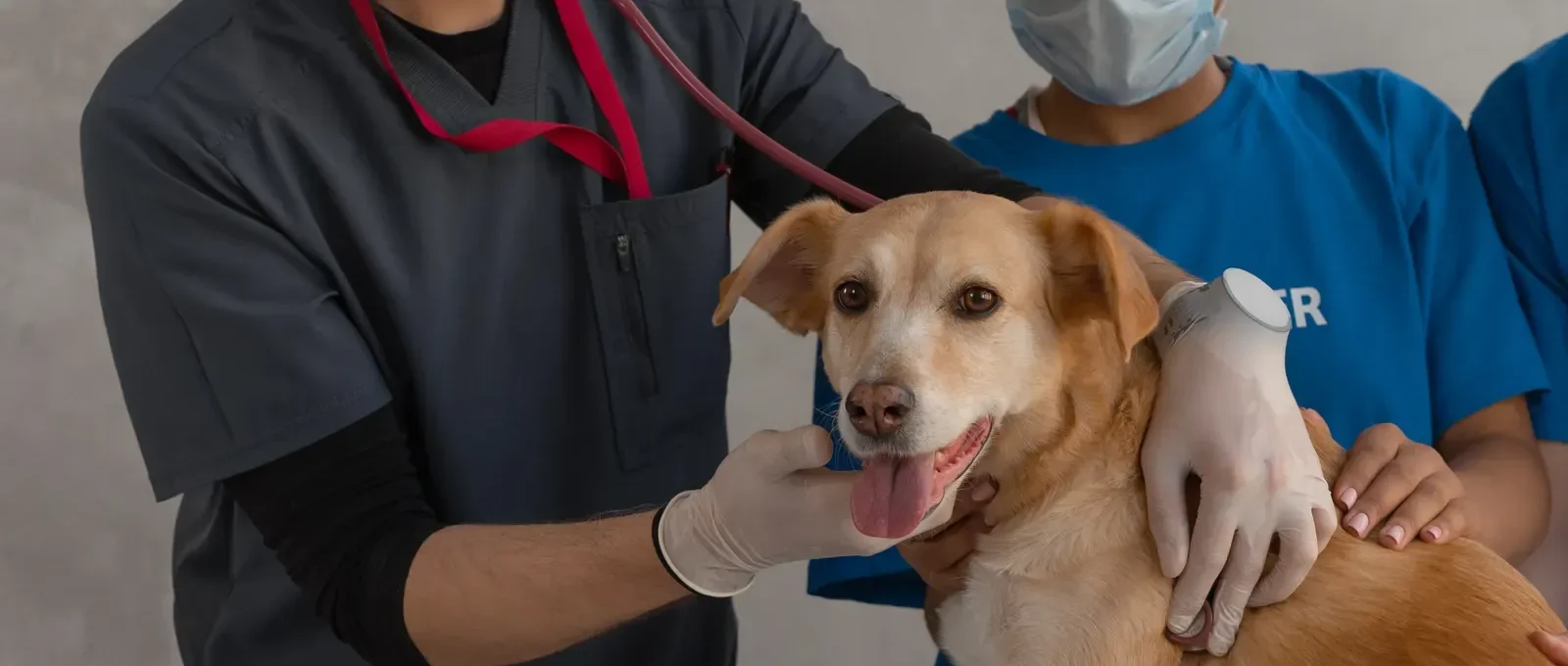

If you’re budgeting for a new puppy or kitten, one of the first big vet bills on the horizon is the spay or neuter surgery — and a natural question follows: does pet insurance cover spaying and neutering? The short answer is no, not on a standard accident-and-illness plan. But the full answer is more useful than that, because wellness add-ons, timing, and low-cost alternatives can change the math considerably. Here’s how it all works in 2026.
Petsofweb is reader-supported. When you buy through links on our site, we may earn an affiliate commission.

Does Pet Insurance Cover Spaying and Neutering? The Short Answer
No — a standard accident-and-illness pet insurance policy does not cover spaying and neutering. Insurers classify these surgeries as routine, elective, preventive care rather than treatment for an accident or illness, and routine care is excluded from base policies almost universally.
That said, “not covered by the base plan” isn’t the end of the story:
- Wellness (preventive care) add-ons often include an annual allowance — typically around $100–$250 — that can be applied toward spay/neuter surgery.
- Complications from the surgery are a different category and may be covered under your accident-and-illness plan, depending on the circumstances.
- Medically necessary procedures that happen to involve reproductive organs (like a pyometra emergency spay) are typically treated as illness claims, not routine care.
For the broader picture of what’s in and out of a standard policy, see our guide to what pet insurance doesn’t cover.
Why Spaying and Neutering Aren’t Covered by Standard Plans
Pet insurance is designed around unpredictable, expensive events — the midnight emergency surgery, the cancer diagnosis, the swallowed sock. Spaying and neutering are the opposite: planned, routine, and roughly the same cost for every pet. Insurers treat them the same way they treat vaccinations, annual exams, and flea prevention — predictable maintenance you’re expected to budget for yourself.
This is also why the surgery doesn’t count toward your deductible in a useful way. Even if you file it, a routine-care exclusion means the claim will simply be denied. Filing excluded claims doesn’t hurt you, but it wastes your time — and the denial paperwork tells you nothing new.
The logic is consistent across the industry: if it’s scheduled wellness care, the base plan won’t pay for it. If it’s an unexpected illness or injury, it typically will. Spay/neuter sits firmly in the first bucket.
Wellness Add-Ons That Cover Spaying and Neutering
If you want help with the spay/neuter bill through insurance, the mechanism is a wellness or preventive-care add-on — an optional rider you buy on top of your accident-and-illness plan, typically costing around $20–$35 extra per month.
Here’s how these add-ons usually handle spay/neuter:
- Annual allowance: most wellness plans include a set dollar amount per year — commonly $100–$250 — earmarked for spay/neuter surgery. You pay the vet, submit the receipt, and get reimbursed up to the allowance.
- Use-it-or-lose-it: the allowance resets each policy year and doesn’t roll over. Since spaying/neutering is a one-time surgery, many owners buy the wellness add-on for the first year only, then drop it.
- Do the math first: if the add-on costs $25/month ($300/year) and reimburses $150 toward the surgery, you’re paying $300 to get $150 back — unless you’re also using the add-on for vaccinations, flea prevention, and annual bloodwork in the same year. Add up everything you’d claim before deciding.
Wellness add-ons make the most sense in year one of a puppy or kitten’s life, when you’re stacking vaccinations, microchipping, and the spay/neuter surgery into the same twelve months. After that, many owners find the add-on costs more than it returns.
How Much Does Spaying or Neutering Cost in 2026?
Costs vary widely by region, clinic type, and your pet’s size and sex — females (spay) cost more than males (neuter) because the surgery is more involved, and large dogs cost more than small ones because of anesthesia and time. These are widely reported typical ranges at private veterinary practices in the U.S.:
- Cat spay: typically $100–$300
- Cat neuter: typically $50–$150
- Small dog spay (under 25 lbs): typically $200–$400
- Large dog spay (over 50 lbs): typically $400–$700+
- Dog neuter: typically $100–$350 depending on size
What’s usually included: anesthesia, the surgery itself, pain medication for recovery, and an e-collar. What’s often extra: pre-surgical bloodwork (typically $50–$150, and worth doing — it catches anesthesia risks), IV fluids, and laser therapy add-ons some clinics offer.
If you’re bringing home a new puppy, these first-year costs are exactly why it’s worth reading our breakdown of how much pet insurance costs for a puppy before the vet bills start stacking up.

Low-Cost Spay and Neuter Options
Before you pay full private-practice prices, know that low-cost options are widely available and perfectly safe — many are run by the same licensed veterinarians, just at higher volume:
- Humane society and SPCA clinics: many local humane societies run low-cost spay/neuter programs, typically charging around $25–$125 depending on the pet.
- ASPCA and nonprofit mobile clinics: mobile surgical units serve many metro areas at reduced rates; check the ASPCA’s website for programs near you.
- Veterinary schools: teaching hospitals often offer discounted surgeries performed by supervised students.
- Municipal voucher programs: some cities and counties subsidize spay/neuter for residents — your local animal control office will know.
- Breed-specific rescues: some breed rescues maintain funds or partnerships for discounted surgeries.
A $75 shelter-clinic neuter is the same surgery as a $300 private-practice one. The main tradeoff is scheduling — low-cost clinics often book weeks out, so plan ahead.
When Complications ARE Covered by Pet Insurance
Here’s where the distinction matters. The routine surgery itself isn’t covered — but if something goes wrong, your accident-and-illness plan may step in:
- Post-surgical complications: if your pet develops an infection, has a reaction to anesthesia, or needs additional treatment because of the surgery, those follow-up treatments are typically eligible as illness claims (subject to your deductible and waiting periods).
- Medically necessary spay: a pyometra (life-threatening uterine infection) requires emergency spay surgery — insurers treat this as illness treatment, not routine care, and it typically is covered.
- Cryptorchidism complications: if an undescended testicle causes medical issues beyond the standard neuter, the additional treatment may be partially covered — though the base neuter itself won’t be.
The pattern: planned, preventive procedure = excluded; unexpected medical problem = typically covered. When in doubt, the question to ask is “would this have happened without the routine surgery?”
When to Spay or Neuter: Timing Advice
Timing affects cost, health, and recovery — and the “right” age isn’t one-size-fits-all:
- Cats: most vets recommend spaying/neutering around 5–6 months, before the first heat cycle. Early spay/neuter is standard and uncontroversial for cats.
- Small dogs: typically around 6 months is the common recommendation.
- Large and giant breeds: many vets now recommend waiting until 12–18 months or later, because early neutering has been associated with increased risk of certain joint disorders and cancers in large breeds. This is an active area of veterinary research.
Talk to your vet about timing for your specific pet. Breed, size, sex, and individual health all factor in, and recommendations have shifted in recent years — what was standard advice a decade ago may not match current guidance. This is a decision worth a real conversation, not a Google search.
For recovery, most pets bounce back within 10–14 days. Keep activity restricted (no running or jumping), check the incision daily, and prevent licking.
Frequently Asked Questions
Does any pet insurance cover spaying?
No standard accident-and-illness plan covers routine spaying. The only insurance route is a wellness/preventive-care add-on, which typically provides a $100–$250 annual allowance you can apply toward the surgery.
Is it cheaper to just pay for neutering out of pocket?
Usually, yes. A typical neuter costs $50–$350 out of pocket, while a wellness add-on runs $240–$420 per year. Unless you’re using the add-on for vaccinations and preventive care too, paying directly — ideally at a low-cost clinic — is the better deal.
Will pet insurance cover complications from spay surgery?
Typically yes. Post-surgical infections, anesthesia reactions, and other unexpected complications are generally treated as illness claims under your accident-and-illness plan, subject to your deductible, reimbursement rate, and any applicable waiting period.
Does pet insurance cover spaying for a pyometra emergency?
Yes, in most cases. A pyometra spay is emergency illness treatment, not routine preventive care, so it’s typically covered like any other illness claim — though pre-existing condition rules apply if symptoms appeared before enrollment.
Should I get the wellness add-on just for the spay/neuter?
Run the numbers first. Add up the add-on’s annual cost versus everything you’d actually claim (spay/neuter allowance + vaccines + flea prevention + annual exam). If the claims don’t clearly exceed the cost, skip the add-on and pay the surgery directly.
At what age should I spay or neuter my dog?
It depends on breed and size — around 6 months is common for small dogs and cats, while many vets recommend 12–18 months for large breeds. Talk to your vet about the current evidence for your pet’s specific situation.

The Bottom Line
Pet insurance doesn’t cover spaying and neutering on a standard plan — it’s routine care, and routine care is excluded. Your realistic options are a wellness add-on (worth it mainly in year one, when you’re stacking preventive costs), a low-cost clinic (often under $125 for the same surgery), or simply budgeting the $100–$700 out of pocket. What insurance does cover is everything unexpected around the procedure — complications, infections, and genuine emergencies — which is exactly what it’s designed for. If you’re still weighing whether coverage makes sense overall, our honest breakdown of whether pet insurance is worth it and the complete 2026 cost guide will help you decide.