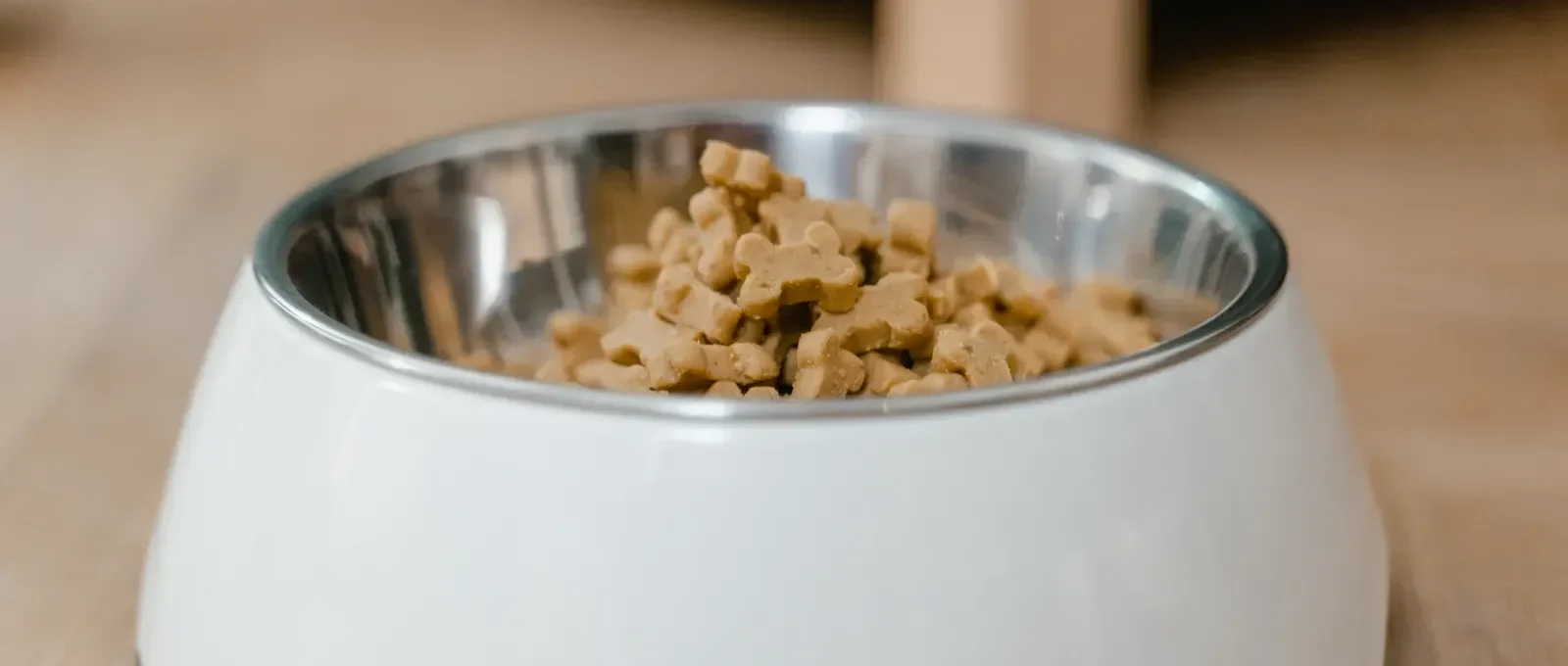

More dog owners are cooking for their dogs than ever — and for good reason. Homemade dog food lets you control every ingredient, dodge fillers and mystery “meat meals,” and tailor meals to allergies or sensitivities. But there’s a catch most cheerful recipe blogs skip: the majority of homemade dog diets found online are nutritionally incomplete.
Petsofweb is reader-supported. When you buy through links on our site, we may earn an affiliate commission.
This guide shows you how to do it right: what nutrients dogs actually need, a simple framework for balanced meals, the foods that must never go in the bowl, and how to transition safely. Done well, home cooking is one of the best things you can do for your dog. Done carelessly, it can cause real deficiencies.
Is Homemade Dog Food Safe?
Yes — with one big condition: it must be balanced over time. Dogs need around 37 essential nutrients, and studies of online homemade recipes have repeatedly found most of them lacking in key minerals like zinc, calcium, and vitamin D. That doesn’t mean you shouldn’t cook for your dog. It means you should:
- Follow a structured framework (below), not random recipes.
- Add a proper supplement or balancer — plain meat + rice + veggies is not complete.
- Check in with your vet, ideally a board-certified veterinary nutritionist, when starting out. The AKC notes that a nutrition consult is the right move when home-cooking: AKC on homemade diets and specialists.
Think of it this way: homemade is a method, not a guarantee. A balanced homemade diet beats premium kibble; an unbalanced one loses to it.
What Nutrients Dogs Need
Dogs are omnivores with specific requirements. Here’s the simplified map:
| Nutrient group | Why it matters | Good homemade sources |
|---|---|---|
| Protein (18–25%+ of calories) | Muscle, immune function, enzymes | Chicken, turkey, lean beef, eggs, fish |
| Fat (including omega-3/6) | Energy, skin/coat, brain health | Fish oil, flaxseed, chicken fat, eggs |
| Calcium + phosphorus | Bones, teeth (ratio ~1.2:1 matters) | Bone meal powder, ground eggshell, dairy in moderation |
| Fiber | Digestion, gut health | Pumpkin, sweet potato, green beans, oats |
| Vitamins A, D, E, B-complex | Vision, immunity, metabolism | Liver (vitamin A), eggs, leafy greens |
| Zinc, iron, iodine, selenium | Skin, thyroid, red blood cells | Red meat, seafood, iodized salt (tiny amounts), kelp |
| Water | Everything | Fresh water always; wet food helps |
The nutrients home cooks most often miss: calcium, zinc, vitamin D, and vitamin E. That’s exactly why a balancer supplement matters — it’s cheap insurance against the gaps.
The Simple Balanced Recipe Framework
Forget complicated formulations. For everyday feeding, use this ratio by cooked weight, then add your balancer:
- 40% lean protein — chicken breast, turkey, lean ground beef (drained), eggs, or fish
- 40% complex carbs + fiber — brown rice, sweet potato, oats, pumpkin, green beans
- 20% vegetables + healthy extras — spinach, carrots, blueberries, plus a teaspoon of fish oil per ~20 lbs of dog
- + calcium source — ~1/2 teaspoon ground eggshell per pound of food, or a commercial balancer per label
- + canine multivitamin/balancer — follow the product’s dosing for your dog’s weight
Example batch (about 4 days for a 30-lb dog):
– 2 lbs cooked chicken breast, diced
– 2 cups cooked brown rice
– 1 large sweet potato, baked and cubed
– 2 cups steamed green beans, chopped
– 1 cup blueberries
– 2 teaspoons fish oil
– Balancer + calcium per product directions
Cook everything plain — no salt, onion, garlic, butter, or seasoning. Cool completely, portion into daily containers, refrigerate up to 4 days or freeze up to 3 months.
Batch-Cooking Tips That Save Hours
The difference between owners who stick with homemade and owners who quit after two weeks is almost always process. Cook protein and carbs in big weekend batches — a sheet pan of chicken thighs and a rice cooker of brown rice take 40 minutes of mostly hands-off time. Chop vegetables while they cook, mix everything in a large bowl, and portion into daily containers before it all goes in the fridge. A kitchen scale ($12) removes all guesswork from the 40/40/20 ratio. Label containers with the date, and keep one “emergency” bag of your dog’s old kibble in the pantry — power outages and busy weeks happen, and a sudden unplanned switch is how stomach upsets start.
A Sample Day of Homemade Meals
| Meal | Example (30-lb adult dog, ~900 kcal/day) |
|---|---|
| Breakfast | 1.5 cups chicken + rice + veggie mix, 1 tsp fish oil, balancer |
| Dinner | 1.5 cups turkey + sweet potato + green bean mix, balancer |
| Treats/training | Small pieces of cooked chicken, carrot sticks, blueberries (≤10% of daily calories) |
Adjust portions to your dog’s weight and condition — you should be able to feel (not see) the ribs. The AKC’s body condition score guide shows exactly how to check at home.
Foods to Never Feed Your Dog
Keep this list on your fridge. These are toxic or dangerous — no exceptions, no “just a little”:
| Food | Why it’s dangerous |
|---|---|
| Chocolate, coffee, caffeine | Theobromine/caffeine: heart rhythm problems, seizures |
| Xylitol (birch sugar — in sugar-free gum, some peanut butters) | Rapid insulin release, liver failure — tiny amounts can kill |
| Grapes and raisins | Kidney failure; no safe dose established |
| Onions, garlic, leeks, chives | Damages red blood cells, causes anemia |
| Macadamia nuts | Weakness, vomiting, tremors |
| Alcohol and raw yeast dough | Alcohol poisoning; dough expands in the stomach |
| Cooked bones | Splinter and can puncture the digestive tract |
| High-fat scraps in large amounts | Pancreatitis risk |
Full reference: ASPCA People Foods to Avoid Feeding Your Pets. Also note: raw meat and eggs carry bacterial risks — if you go raw, that’s a separate research project with its own safety rules; this guide covers cooked food.
How to Transition Safely (The 10-Day Switch)
Switching cold turkey is the #1 cause of homemade-diet diarrhea. Go slow:
| Days | Old food | New homemade food |
|---|---|---|
| 1–3 | 75% | 25% |
| 4–6 | 50% | 50% |
| 7–9 | 25% | 75% |
| 10+ | 0% | 100% |
If stools get soft, pause at the current ratio for 2–3 extra days before moving on. Puppies, seniors, and dogs with health conditions should transition under vet guidance.
Supplements: What You Actually Need
Marketing will try to sell you fifteen powders. Most dogs on a framework diet need just two or three:
- A canine balancer/multivitamin — the non-negotiable. Look for products formulated to AAFCO standards or recommended by a veterinary nutritionist. Shop the JustFoodForDogs DIY Nutrient Blend — formulated by veterinary nutritionists for homemade recipes (their Beef & Russet Potato recipe) — to cover the vitamins and minerals that plain meat and veg leave out.
- Calcium — if your balancer doesn’t include it. Ground eggshell (bake shells at 300°F for 10 min, grind fine) is the classic DIY source: roughly 1/2 teaspoon per pound of food.
- Fish oil (omega-3) — great for skin, coat, and joints, especially for seniors. Keep refrigerated and watch for rancidity.
Skip: generic human multivitamins (wrong doses, sometimes xylitol in gummies), and “miracle” powders with no nutritional analysis.
Homemade vs. Premium Kibble: Honest Cost Comparison
| Factor | Homemade (balanced) | Premium kibble |
|---|---|---|
| Monthly cost (30-lb dog) | $60–$120 | $50–$90 |
| Ingredient control | Total | Limited |
| Time | 1–2 hrs/week batch cooking | Zero |
| Nutritional risk | Real if unbalanced | Low (formulated to AAFCO) |
| Best for | Allergies, picky eaters, owners who enjoy cooking | Busy owners, multi-dog homes |
Homemade isn’t automatically cheaper — but for dogs with food sensitivities, it can replace expensive prescription diets and endless trial-and-error.
When to Ask Your Vet (Don’t Skip This)
Talk to your vet before you start if your dog is: a puppy under 12 months (growth needs are precise), pregnant or nursing, a senior with kidney/liver disease, diabetic, or on medication. These dogs need professionally formulated recipes, not frameworks. And schedule a checkup 2–3 months after switching — weight, coat, energy, and bloodwork tell you if the diet is working. It’s also worth learning the early warning signs covered in our pet symptoms guide, since diet changes can occasionally unmask issues that were already brewing.
A quick money note: nutrition-related vet visits and prescription diets add up fast. If you’re investing this much care into your dog’s food, it’s worth understanding pet insurance costs guide too — diet prevents some problems, but it can’t prevent them all.
Frequently Asked Questions
Is homemade dog food better than kibble?
It can be — if it’s balanced. A well-formulated homemade diet with proper supplementation beats average kibble on ingredient quality. But an unbalanced homemade diet (just chicken and rice, no balancer) is worse than even budget kibble. Balance is everything.
How much homemade food should I feed my dog per day?
A rough starting point: 2–3% of body weight daily for adults (so a 30-lb dog gets roughly 0.6–0.9 lbs of cooked food, ~700–900 kcal). Adjust based on body condition — ribs should be easily felt but not seen. Puppies, active, pregnant, and senior dogs all differ, so confirm portions with your vet.
Do I need to add supplements to homemade dog food?
Yes. Meat, carbs, and vegetables alone leave gaps in calcium, zinc, iodine, and vitamins D and E. At minimum, use a canine balancer formulated to AAFCO standards plus an appropriate calcium source. This is the step most online recipes skip, and it’s the most important one.
Can puppies eat homemade dog food?
Only with a professionally formulated recipe. Puppies — especially large breeds — need precise calcium/phosphorus ratios for proper bone growth, and getting it wrong can cause permanent skeletal problems. Work with a veterinary nutritionist for any puppy under 12 months.
What’s the cheapest way to make balanced homemade dog food?
Buy protein in bulk (family packs of chicken thighs, turkey), use affordable carbs like rice and oats, add seasonal vegetables, and batch-cook weekly. A chest freezer pays for itself fast. The balancer supplement is the one place not to economize.
How long does homemade dog food last?
Refrigerated: 3–4 days in sealed containers. Frozen: up to 3 months. Thaw overnight in the fridge, never on the counter. When in doubt, sniff it — if you wouldn’t eat it, don’t serve it.
Medical disclaimer: This guide is educational and doesn’t replace veterinary nutrition advice. Every dog’s needs differ — consult your veterinarian or a board-certified veterinary nutritionist before making major diet changes, especially for puppies, seniors, or dogs with health conditions.
Enjoyed this guide? Join the Petsofweb newsletter for one practical pet-care tip every week — balanced recipe ideas, foods to watch out for, and seasonal feeding tips, with no spam. Sign up free on petsofweb.com/ and cook with confidence.
For delicate stomachs, see our guide to the best dog food for sensitive stomachs.
Ready to cook? Try our 7 balanced homemade dog food recipes.
And if you share your kitchen with a cat too, check out our guide to homemade cat food — the feline counterpart to everything you’ve just learned about cooking for dogs.