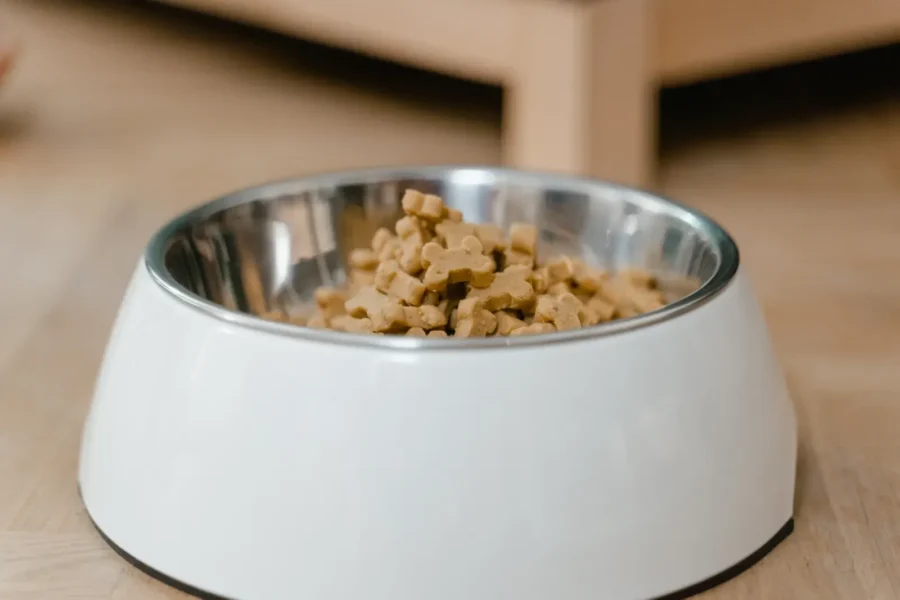

Your dog’s stomach seems to file a complaint after every meal — soft stools one day, skipped dinner the next, and a symphony of gurgling at 2 a.m. If this sounds familiar, your dog may have a sensitive stomach. The good news: the best dog food for sensitive stomachs isn’t a mystery formula or the most expensive bag on the shelf. It’s a short list of gentle, digestible ingredients — plus a few feeding habits that matter even more than what’s in the bowl.
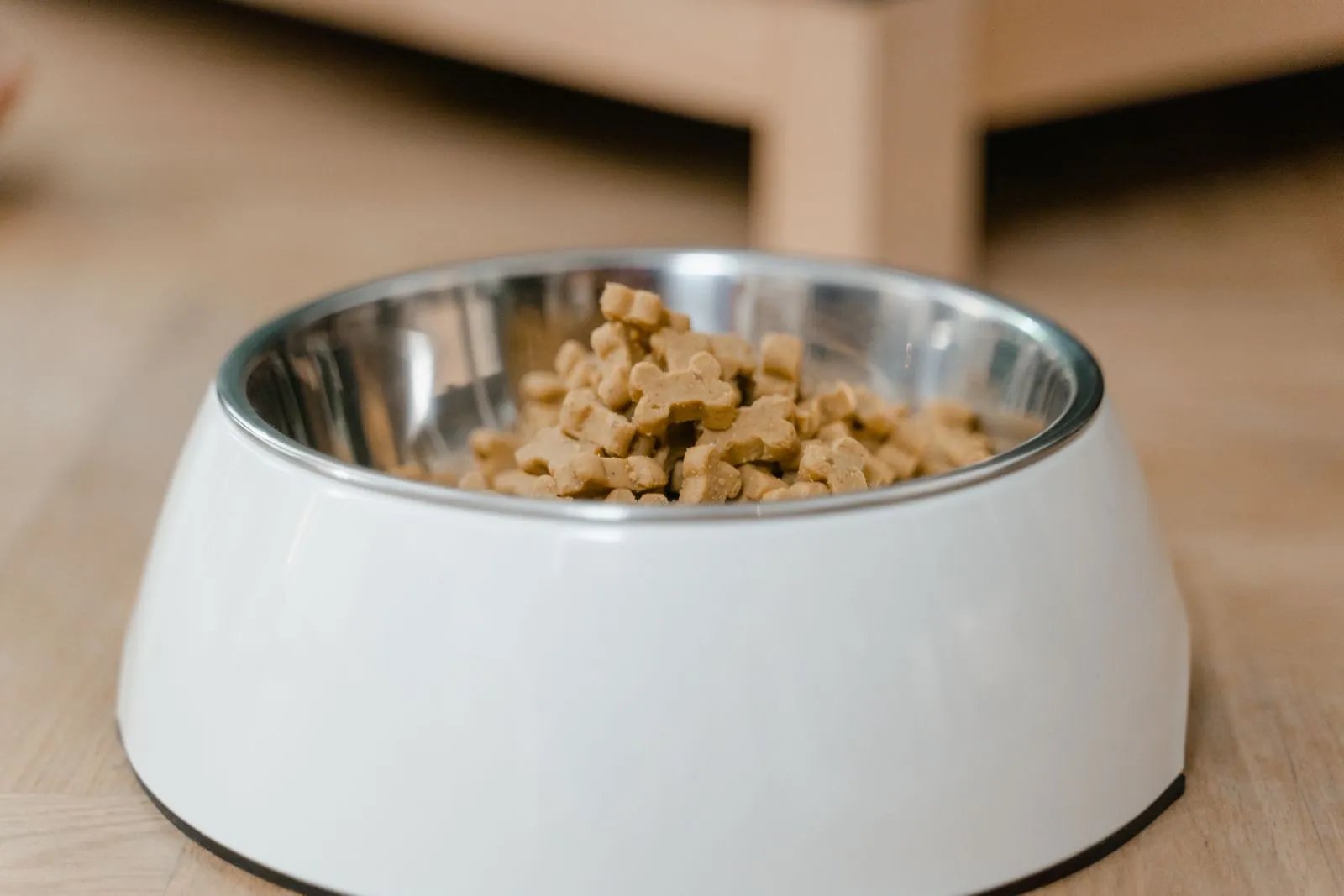
One important note: “sensitive stomach” describes a pattern of mild, recurring digestive upset — it is not a diagnosis. Persistent or severe symptoms always deserve a vet’s eyes, not a new kibble.
Signs Your Dog Has a Sensitive Stomach
A truly sensitive stomach shows up as a pattern, not a one-off bad day. Look for these recurring signs:
- Intermittent vomiting — occasional episodes, often shortly after eating, with your dog otherwise acting normal
- Soft or loose stools — not full diarrhea, but consistently mushy poop that never quite firms up
- Excessive gas — more than the occasional toot; frequent, room-clearing flatulence
- Food refusal or picky eating — turning away from meals, then acting hungry an hour later
- Stomach gurgling and grass eating — audible borborygmi (stomach rumbling) and grazing on grass to settle nausea
If these come and go for weeks, diet is a reasonable first suspect. But if any single episode is severe — or the pattern suddenly worsens — skip the food experiments and read the dog vomiting causes guide to know when it’s an emergency.
What to Look For in Dog Food for Sensitive Stomachs
When shopping for a sensitive-stomach formula, ignore the front-of-bag marketing and read the ingredient panel for these features:
- A single, novel protein — one clearly named animal protein (salmon, turkey, venison) rather than a blend of three meats. Fewer proteins means fewer suspects if something disagrees with your dog.
- Limited ingredients overall — look for limited-ingredient formulas with short, recognizable ingredient lists. Every extra ingredient is another variable.
- Prebiotics and probiotics — ingredients like chicory root, dried fermentation products, or named probiotic strains support the gut bacteria that do the actual digesting.
- Easily digestible carbohydrates — white rice, oatmeal, and sweet potato are gentler than corn, wheat, or heavy legume blends for most sensitive dogs.
- No artificial colors, flavors, or preservatives — these add nothing nutritionally and are common irritants.
- Moderate fat levels — very rich, high-fat formulas are harder to digest. For sensitive stomachs, moderate fat (not “ultra-premium rich”) usually sits better.
- An AAFCO statement — the label should say the food is formulated to meet AAFCO nutrient profiles for your dog’s life stage. This is the baseline quality check that matters more than any “holistic” claim.
Ingredients to Avoid
These are the usual suspects behind recurring tummy trouble. None is “toxic” in the poisoning sense — they’re simply hard on sensitive digestive systems:
| Trigger | Why it causes trouble | Where it hides |
|---|---|---|
| Dairy (milk, cheese, ice cream) | Most adult dogs are lactose intolerant — undigested lactose ferments in the gut | Treats, “cheesy” flavored kibble, table scraps |
| Fatty scraps and rich foods | High fat overwhelms the pancreas and slows stomach emptying | Bacon, sausage, fried foods, holiday leftovers |
| Artificial additives | Colors, flavors, and chemical preservatives can irritate the gut lining | Brightly colored treats and budget kibble |
| Sudden protein switches | The gut microbiome needs time to adapt to new proteins | Switching bags cold-turkey because the store was out |
| Rawhide and indigestible chews | Swallowed chunks can sit in the stomach and cause vomiting | Bargain-bin chews, some “long-lasting” bones |
| Spicy or heavily seasoned food | Capsaicin and strong spices irritate the stomach directly | Table scraps, flavored human snacks |

Feeding Tips That Matter More Than the Brand
Here’s the secret the pet food aisle doesn’t advertise: how you feed often matters more than what you feed. These habits fix more sensitive stomachs than any formula swap:
- Transition slowly — 7 to 10 days. Mix 25% new food with 75% old for 2–3 days, then 50/50, then 75/25. Rushing the switch causes exactly the upset you’re trying to fix.
- Smaller, more frequent meals. Two or three smaller meals are easier to digest than one big bowl. For very sensitive dogs, three meals beats two.
- Keep a ruthlessly consistent schedule. Same food, same times, same amounts. Sensitive stomachs thrive on boring predictability.
- No table scraps during the trial period. You can’t judge whether a new food is working if mystery variables keep entering the bowl. Give any diet change a full 2–3 weeks of strict consistency before evaluating.
- Measure, don’t eyeball. Overfeeding is one of the most common causes of soft stools. Use a measuring cup and follow the bag’s guidelines for your dog’s ideal weight, not their current weight.
- Slow down fast eaters. Dogs that inhale food swallow air, which means gas and regurgitation. A slow-feeder bowl is a cheap fix with outsized results.
Homemade Bland-Diet Option
When your dog’s stomach is actively upset — a day of loose stools or a skipped meal — vets commonly recommend a short bland-diet bridge before returning to regular food:
- The classic combo: plain boiled chicken breast (no skin, no seasoning) mixed with plain white rice, roughly 1 part chicken to 2–3 parts rice
- Add a spoonful of plain canned pumpkin (not pumpkin pie filling) — the soluble fiber firms stools gently
- Small portions, 3–4 times a day, for 2–3 days maximum
- Then transition back to the regular diet gradually over a few days
This is a temporary reset, not a long-term diet — plain chicken and rice is not nutritionally complete. For the full picture on cooking for your dog properly, see our homemade dog food guide, which covers the nutrients a balanced homemade diet actually needs. And if the bland diet doesn’t help within 2–3 days, that’s your signal to call the vet rather than extending it.
Wondering if chicken works as more than a bland-diet reset? See whether dogs can eat chicken every day.
When Tummy Trouble Needs a Vet
Dietary management has limits. Call your vet promptly if you see any of these:
- Blood in vomit or stool (red streaks or dark, tarry stool)
- Lethargy or pain — a dog that won’t get up, whimpers, or has a tense, bloated belly
- Symptoms lasting more than 48 hours despite a bland diet and rest
- Puppies, seniors, or small breeds showing any GI signs — they dehydrate dangerously fast
- Repeated vomiting where your dog can’t keep water down
- Weight loss over weeks even though appetite seems okay — this can signal malabsorption or something beyond a sensitive stomach
Chronic GI issues can stem from food allergies, inflammatory bowel disease, parasites, pancreatitis, or organ problems — none of which a different kibble will fix on its own. A vet visit with a stool sample and your feeding history is the fastest route to a real answer. VCA Animal Hospitals’ resources on digestive health are a solid reference for what your vet will likely check first: vcahospitals.com.

What’s the single best thing to feed a dog with a sensitive stomach?
There isn’t one universal winner — but the closest thing is a limited-ingredient formula with a single named protein, gentle carbs like rice or oatmeal, and no artificial additives, fed on a strict consistent schedule. The feeding routine matters as much as the recipe.
Should I feed grain-free for a sensitive stomach?
Not necessarily. True grain allergies are rare in dogs; most “sensitive stomach” issues respond better to limited ingredients and moderate fat than to grain removal. Some grain-free formulas substitute heavy legumes that are actually harder to digest. Focus on digestibility, not grain-free marketing.
How long does it take to see improvement after switching foods?
Give it a full 2–3 weeks of strict consistency — no scraps, no extra treats — before judging. The gut microbiome needs time to adapt. If there’s zero improvement after three weeks, the issue may not be the food at all, and a vet visit is the next step.
Can I just cook for my sensitive-stomach dog permanently?
You can, but a permanent homemade diet needs to be nutritionally complete — plain chicken and rice won’t cut it long-term. It requires added calcium, vitamins, and balanced fats, ideally formulated with a veterinary nutritionist. Our homemade dog food guide walks through what’s required.
Are probiotics worth adding?
For many dogs, yes — probiotics and prebiotic fiber support the gut bacteria that handle digestion, and they’re one of the better-evidenced supplements for mild GI upset. Choose products formulated for dogs (not human probiotics), and treat them as a complement to a good diet, not a replacement for one.
Educational disclaimer: This article is for informational purposes only and is not veterinary advice. Every dog is different, and persistent gastrointestinal signs — vomiting, diarrhea, weight loss, or blood in stool — warrant an examination by a licensed veterinarian. When in doubt, call your vet.
Want one practical pet-care tip every week? Join the free Petsofweb newsletter — feeding guides, symptom checklists, and vet-visit prep, with no spam. Sign up on petsofweb.com/ and make mealtimes drama-free.