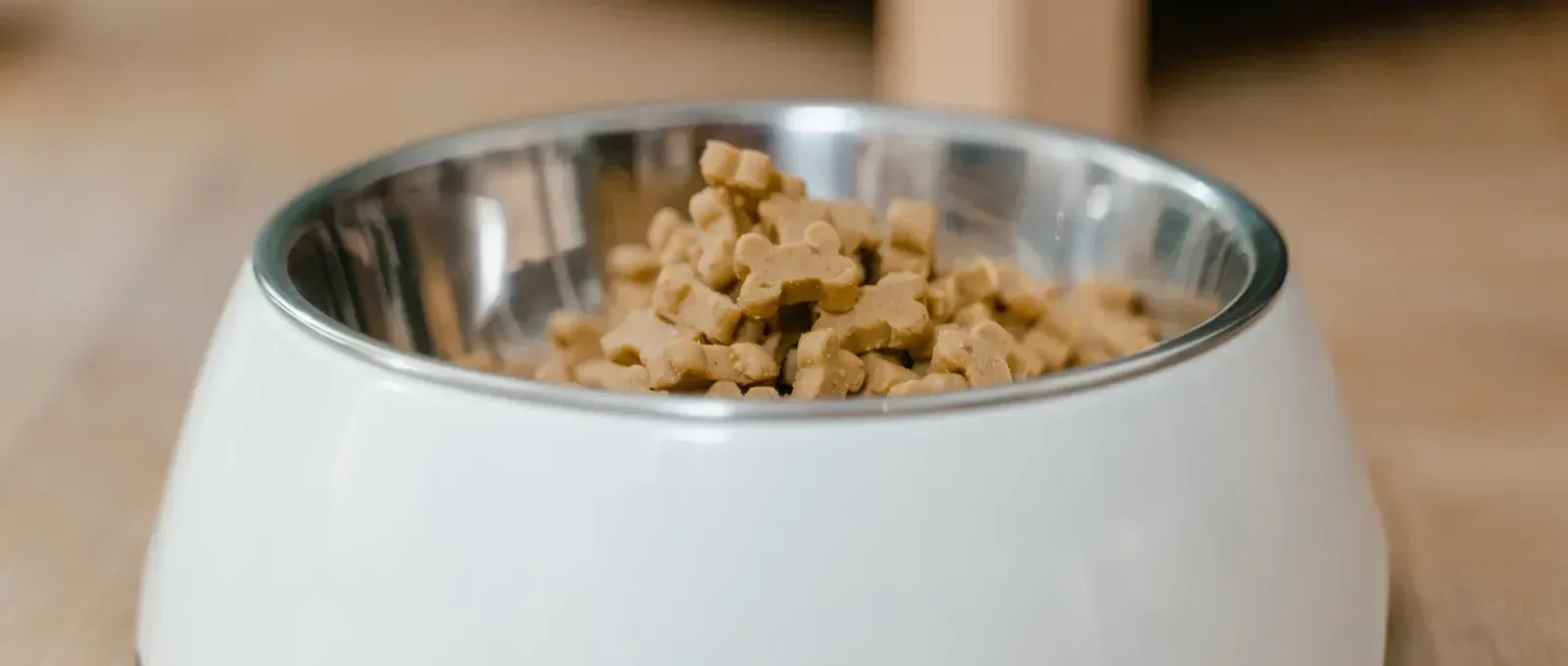

These homemade dog food recipes are healthier and cheaper than kibble — but here’s the catch most recipe blogs skip: nearly every homemade dog food recipe online is nutritionally incomplete, and feeding an unbalanced diet for months can cause real deficiencies. This guide gives you 7 genuinely balanced recipes — plus the framework that keeps them safe.
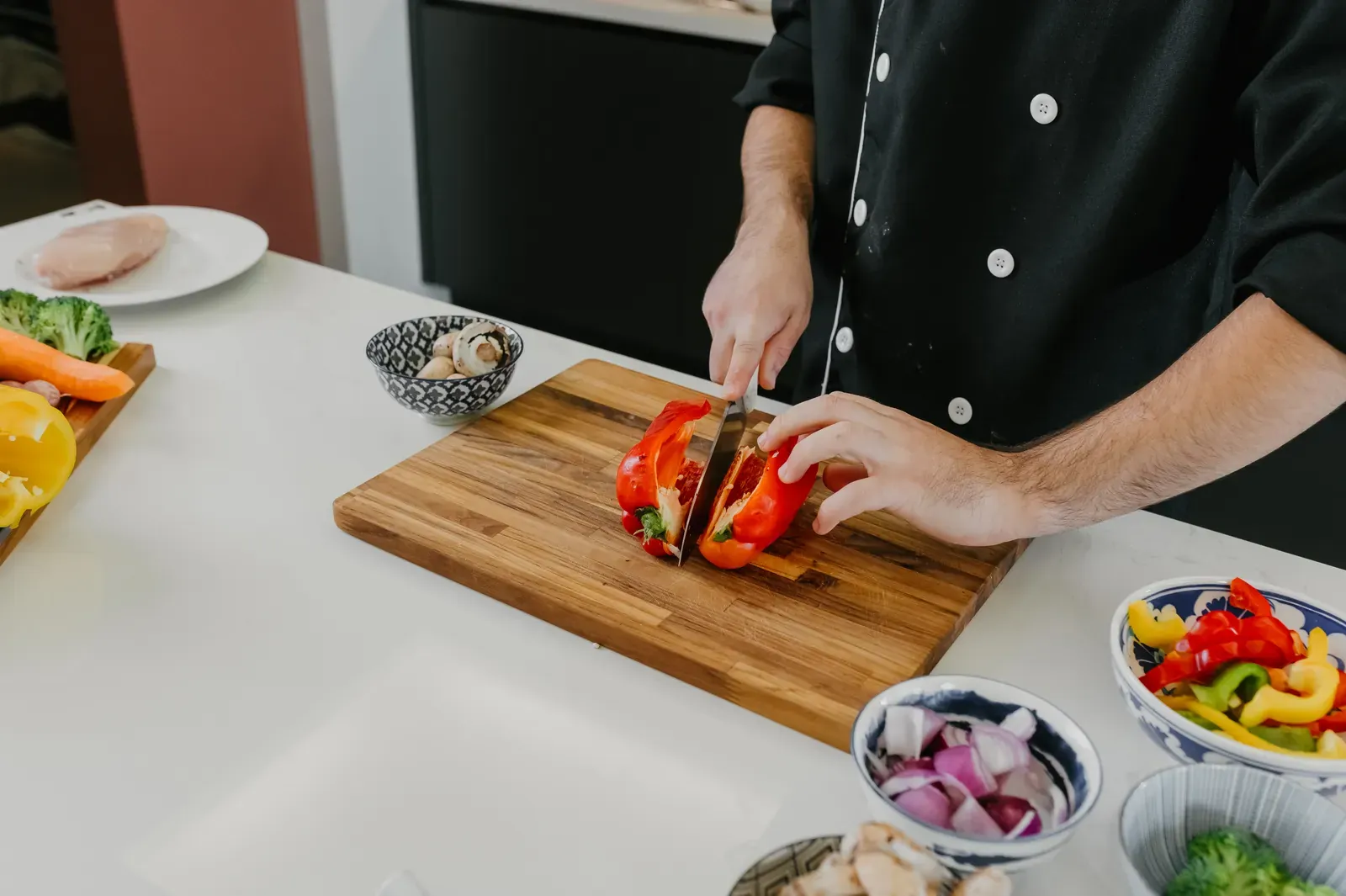
The secret isn’t any magic ingredient. It’s following a few non-negotiable balance rules with every recipe you cook. Learn the rules once, and you can cook for your dog for life.
Before You Cook: The Balance Rules
These three rules separate a balanced homemade diet from a well-meaning deficiency. Memorize them:
- Protein at 25–30% of calories: Dogs are omnivores, not pure carnivores, but protein still drives the diet. Chicken, turkey, beef, fish, eggs, and cottage cheese are all excellent sources.
- Calcium-to-phosphorus ratio near 1.2:1: Meat is rich in phosphorus but poor in calcium. Without added calcium, a homemade diet goes sideways fast — bones weaken, teeth suffer.
- A veterinary balancer supplement is non-negotiable: No combination of whole foods reliably covers zinc, vitamin E, vitamin D, iodine, and several trace minerals. A canine vitamin-mineral balancer (powder or capsule, dosed per your dog’s weight) closes those gaps. Every recipe below assumes you’re using one.
For the full nutrition science — which nutrients dogs need and why — read our homemade dog food guide first. The American Kennel Club likewise advises that homemade diets be carefully formulated rather than improvised.
The 7 Homemade Dog Food Recipes
The amounts in these homemade dog food recipes are for a 30-lb dog eating about 2 cups per day. See the portion table afterward to scale up or down. Always add your balancer supplement per the package directions, and rotate recipes across the week for variety.
1. Classic Chicken & Rice
Ingredients: 8 oz boneless skinless chicken breast, 1 cup cooked brown rice, 1/2 cup steamed carrots, 1 tsp fish oil, balancer supplement.
Boil or poach the chicken until cooked through (no seasoning), shred it, and mix with the rice and carrots. Stir in the fish oil and balancer once cooled. The gentle classic — great as your first homemade recipe and easy on most stomachs.
Reminder: rice alone doesn’t cover calcium; the balancer supplement is what makes this complete.
2. Turkey & Sweet Potato
Ingredients: 8 oz ground turkey (93% lean), 1 medium sweet potato (baked, skin removed), 1/2 cup green beans, 1 tsp flaxseed oil, balancer supplement.
Brown the turkey in a pan with a splash of water (no oil or seasoning), mash the sweet potato, chop the green beans, and combine. Sweet potato brings beta-carotene and fiber; turkey keeps fat moderate.
Reminder: add the balancer supplement — ground turkey is low in several trace minerals.
3. Beef & Veggie Medley
Ingredients: 7 oz lean ground beef (90%+), 3/4 cup cooked oatmeal, 1/2 cup mixed steamed veggies (peas, carrots, spinach), 1 tsp fish oil, balancer supplement.
Brown the beef and drain any fat. Cook the oatmeal, steam the veggies, and mix everything once cooled. Red meat adds iron and zinc, but it doesn’t replace the full mineral panel.
Reminder: stir in the balancer supplement before serving — beef is rich in iron but still short on calcium and iodine.
4. Salmon & Quinoa (Omega-3 Star)
Ingredients: 7 oz cooked salmon (boneless, skinless), 3/4 cup cooked quinoa, 1/2 cup steamed broccoli, balancer supplement.
Bake or poach the salmon, flake it while checking carefully for bones, and mix with quinoa and broccoli. This is the omega-3 powerhouse of the list — great for skin, coat, and joint support. No extra fish oil needed here.
Reminder: the balancer supplement still goes in — fish doesn’t cover every vitamin and mineral.
5. Chicken Liver Boost Bowl (10% Organ Max)
Ingredients: 2 oz chicken liver, 6 oz chicken breast, 1 cup cooked white rice, 1/2 cup steamed zucchini, 1 tsp fish oil, balancer supplement.
Sauté the liver lightly (it cooks fast), poach the chicken, and combine with rice and zucchini. Liver is a vitamin A and copper bomb — which is exactly why organ meat stays at 10% of the recipe maximum. More can cause vitamin A toxicity.
Reminder: balancer supplement as always; feed this one 2–3 times a week, not daily.
6. Egg & Cottage Cheese (Gentle Stomach)
Ingredients: 3 hard-boiled eggs (chopped), 1/2 cup low-fat cottage cheese, 3/4 cup cooked white rice, 1/2 cup steamed carrots, balancer supplement.
Chop the eggs, stir everything together, serve at room temperature. Eggs are the gold standard for protein digestibility, and this bland combo is ideal after an upset stomach or during diet transitions.
Reminder: even this simple bowl needs the balancer supplement to be complete.
7. Slow-Cooker Batch Stew
Ingredients: 1.5 lb boneless chicken thighs, 2 cups brown rice, 2 cups mixed veggies (carrots, green beans, peas), 6 cups water, balancer supplement (added at serving, not in the cooker).
Add everything except the balancer to the slow cooker; cook on low 6–7 hours. Shred the chicken, stir, and portion into 3–4 days of meals (refrigerate). Add the balancer supplement to each serving, not the batch — heat degrades some vitamins.
Reminder: batch cooking saves time, but the balancer goes in fresh at every meal.

Portion Guide by Dog Size
These homemade dog food recipes are less calorie-dense than kibble, so portions look bigger. These are daily totals for a moderately active adult dog — split into two meals. Adjust by 10–15% if your dog gains or loses weight over 2–3 weeks.
| Dog weight | Daily homemade food | Meals |
|---|---|---|
| 10 lb | 3/4 – 1 cup | 2 × ~1/2 cup |
| 30 lb | 2 – 2 1/4 cups | 2 × ~1 cup |
| 60 lb | 3 1/2 – 4 cups | 2 × ~2 cups |
| 90 lb | 5 – 5 1/2 cups | 2 × ~2 3/4 cups |
Puppies, pregnant dogs, and highly active working dogs need more — and growing large-breed puppies need carefully controlled calcium. When in doubt, ask your vet for a target calorie number and work backward.
If your dog has a delicate stomach, see our guide to the best dog food for sensitive stomachs
5 Mistakes That Make Homemade Diets Dangerous
- Skipping the balancer supplement: the #1 error. Studies of homemade recipes find the vast majority deficient in at least one essential nutrient. The supplement is the cheapest insurance in the whole recipe.
- Going all-meat: an all-meat diet causes calcium deficiency and dangerously skewed phosphorus. Dogs need carbs, fiber, and vegetables too.
- Onion and garlic: both damage red blood cells in dogs — even small amounts of onion, and concentrated garlic powder. Never season dog food like human food. Check our list of human foods safe for dogs before adding anything new.
- Cooked bones: raw bones are controversial enough; cooked bones splinter and can perforate the gut. Never include them.
- Switching abruptly: swap diets over 7–10 days (25/75, 50/50, 75/25) to avoid digestive upset. The egg & cottage cheese recipe above is perfect for transition days.
Can I feed homemade dog food exclusively, long term?
Yes — if every recipe follows the balance rules and includes a veterinary balancer supplement. Many owners feed homemade exclusively for years. The danger is only in unbalanced recipes, so have your long-term plan reviewed by your vet or a veterinary nutritionist once a year.
How much does homemade dog food cost compared to kibble?
Typically 1.5–2× the cost of mid-range kibble, depending on protein choices. Chicken-and-rice batches are the cheapest; salmon and beef cost more. Buying family packs and batch-cooking (see recipe 7) brings the price down considerably.
Do I really need the balancer supplement if I vary the recipes?
Yes. Variety helps, but no realistic rotation of whole foods reliably hits zinc, vitamin E, vitamin D, and iodine targets. The supplement is inexpensive and it’s the difference between a complete diet and a deficient one.
Can puppies eat these recipes?
Growing puppies — especially large breeds — have strict calcium and calorie requirements, and mistakes during growth can cause skeletal problems. These recipes suit adult dogs; for puppies, work directly with your vet or a veterinary nutritionist on a growth-specific plan.
How long does homemade dog food keep?
Refrigerated in sealed containers: 3–4 days. Frozen in portions: up to 3 months. Never leave fresh food out more than 2 hours (1 hour in heat), and add the balancer supplement at serving time, not before freezing.
Educational purposes only: these recipes follow general canine nutrition guidelines, but every dog is different. Have any long-term homemade feeding plan reviewed by your veterinarian or a board-certified veterinary nutritionist, especially for puppies, pregnant dogs, or dogs with medical conditions.
Want one practical pet-care tip every week — nutrition guides, seasonal hazards, and vet-visit prep? Join the free Petsofweb newsletter at petsofweb.com/ and never wonder what’s safe to feed again.