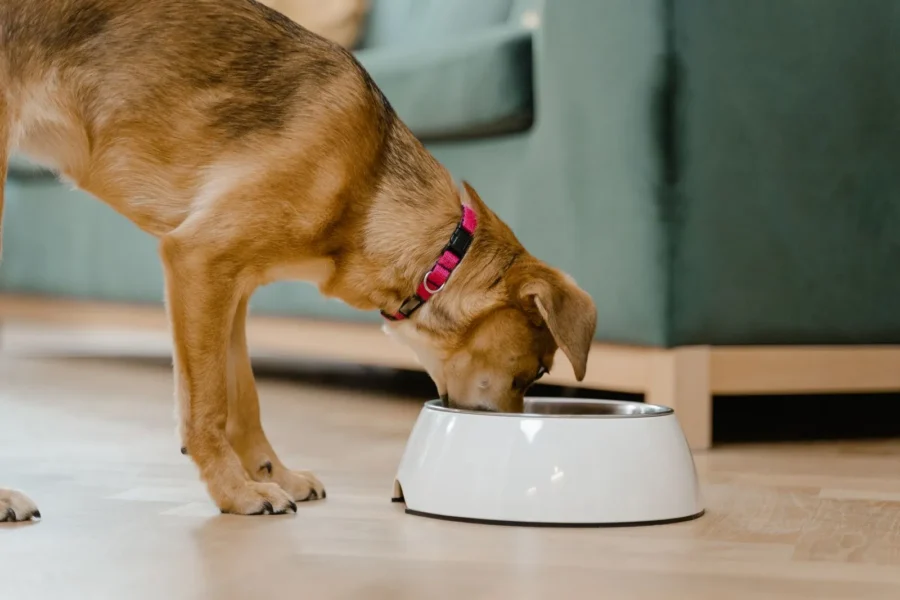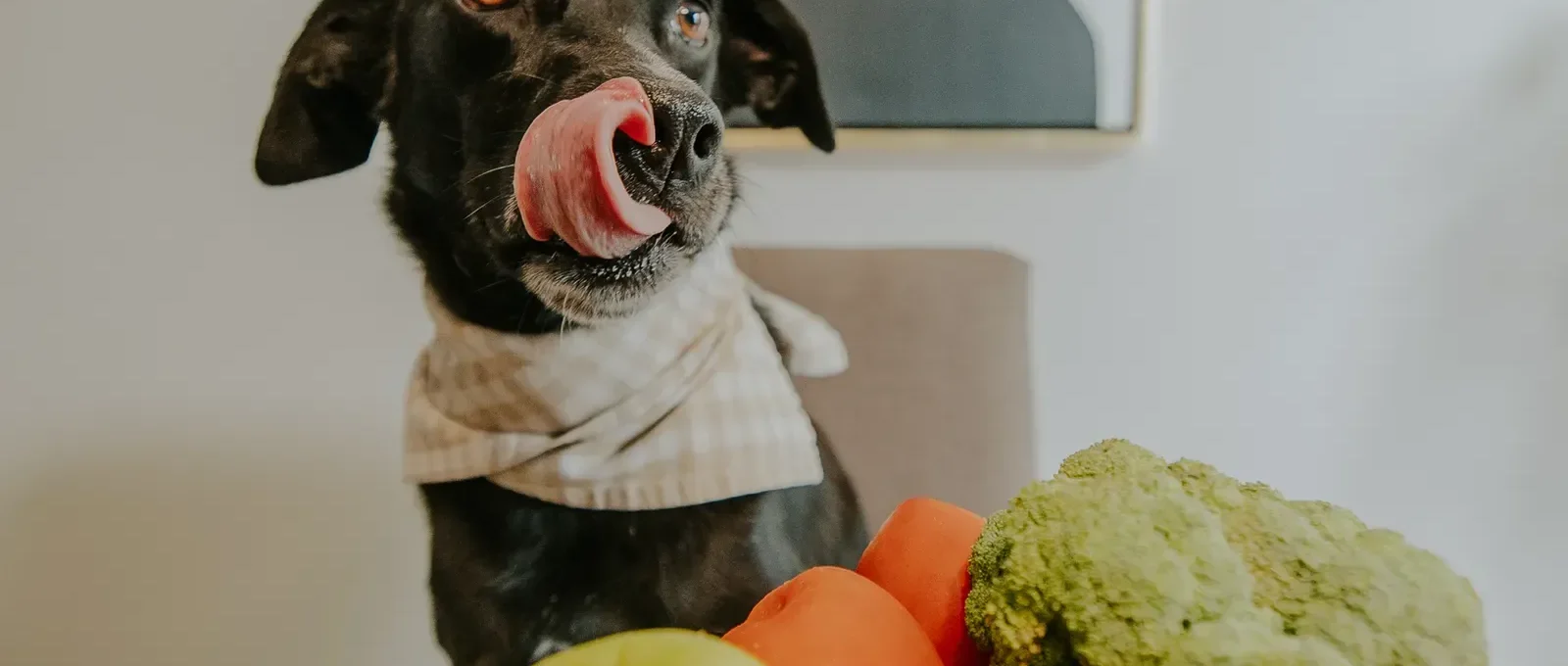

Every dog owner knows the stare. You’re eating dinner, and there it is — the unwavering gaze that says this bite was always meant to be shared. The good news: plenty of human foods are safe for dogs in moderation. The bad news: some ordinary kitchen foods can land a dog in the emergency clinic.
Here’s a clear, practical list — what’s safe, how to serve it, and the three dangerous foods to never feed, no exceptions. When in doubt about anything not on this list, the safest answer is always “not until you’ve checked with your vet.”
The 10% Treat Rule
Before the list, the golden rule of sharing food with your dog: treats and table food combined should stay under 10% of your dog’s daily calories. The other 90% should be complete, balanced dog food. Even safe foods cause weight gain and nutritional imbalance in excess. Everything below should be served plain — no salt, butter, seasoning, garlic, or onion.
10 Human Foods Safe for Dogs
| Food | Safe? | Serving Notes |
|---|---|---|
| Carrots | Yes | Raw or cooked; great low-calorie crunch. Cut large carrots for small dogs. |
| Apples | Yes | Sliced, seeds removed (seeds contain cyanide compounds). High in fiber and vitamins. |
| Plain cooked chicken | Yes | Boneless, skinless, unseasoned. See our full guide: can dogs eat chicken every day. |
| Blueberries | Yes | A perfect training treat — tiny, tasty, antioxidant-rich. |
| Plain pumpkin (canned) | Yes | NOT pumpkin pie filling. A spoonful helps mild digestive upset; high in fiber. |
| Green beans | Yes | Raw or steamed, plain. Excellent diet-friendly filler for dogs that always seem hungry. |
| Watermelon | Yes | Seedless, rind removed. Hydrating summer treat. |
| Cooked eggs | Yes | Scrambled or boiled, no oil or seasoning. Great protein boost. |
| Plain white or brown rice | Yes | The classic bland-diet base for upset stomachs. |
| Xylitol-free peanut butter | Yes | Check the label — some brands now use xylitol/birch sugar, which is deadly to dogs. |
Healthline’s medically reviewed guide to human foods dogs can and can’t eat confirms this list and adds helpful detail on portion limits — worth bookmarking alongside this article.
⚠️ Warning: 3 Dangerous Foods — Never Feed These
These three kill or seriously injure dogs every year. Memorize them:
- Chocolate — Contains theobromine, which dogs can’t metabolize. Dark and baking chocolate are the most dangerous; even milk chocolate can cause serious illness in small dogs. Symptoms: vomiting, rapid heartbeat, seizures.
- Grapes and raisins — Can cause sudden kidney failure in dogs, and nobody fully understands why — some dogs react to a single grape. There is no safe amount.
- Xylitol (birch sugar) — Found in sugar-free gum, some peanut butters, sugar-free candy, and baked goods. Causes a massive insulin release, liver failure, and death — fast. Always check peanut butter labels.
If your dog eats any of these, call your vet or animal poison control immediately — don’t wait for symptoms.
5 More Safe Foods Worth Knowing
Beyond the top 10, these are solid rotation picks:
- Oatmeal — Cooked plain, it’s gentle fiber that’s great for dogs with wheat sensitivities. Good for seniors needing digestive support.
- Sweet potato — Cooked and cubed, packed with beta-carotene and fiber. A favorite for homemade diets.
- Cucumber — Virtually calorie-free crunch. Perfect for overweight dogs who beg — they get volume without calories.
- Strawberries — Contain an enzyme that may help whiten teeth, plus vitamin C. Slice for small dogs.
- Cooked salmon — Excellent omega-3s for skin and coat. Always fully cooked (raw salmon can carry a dangerous parasite), boneless, and plain.
Portion Guide by Dog Size
“Moderation” is vague, so here’s what it actually looks like:
| Dog Size | Daily Treat Budget (~10%) | What That Looks Like |
|---|---|---|
| Small (10–20 lbs) | ~30–50 calories | A few blueberries, 2–3 baby carrots |
| Medium (20–50 lbs) | ~60–100 calories | Half an apple slice serving, 2 tbsp pumpkin |
| Large (50–90 lbs) | ~100–150 calories | A small chicken breast strip, handful of green beans |
When in doubt, smaller is safer. Treats are bonuses, not meals.
How to Introduce New Foods Safely
Even safe foods can upset a sensitive stomach if introduced carelessly:
- One new food at a time — so you can spot the culprit if there’s a reaction
- Start tiny — a single blueberry, one baby carrot — then wait 24 hours
- Watch for itching, vomiting, or loose stools — signs the food doesn’t agree with your dog (see our guide on dog itching causes — swap slug at publish)
- Know your dog’s conditions — diabetic dogs, pancreatitis-prone dogs, and dogs with kidney disease have stricter rules; check with your vet first
- Puppies under 6 months — stick mostly to puppy food; their nutritional needs are precise
For a deeper dive on building balanced meals around safe ingredients, see homemade dog food guide.
Frequently Asked Questions
Can dogs eat cheese?
In small amounts, yes — most dogs tolerate a little cheese, and it’s a high-value training treat. But many dogs are lactose-sensitive, and cheese is calorie-dense. Stick to tiny pieces, and skip it if your dog gets gassy or loose stools.
What human food can I give my dog every day?
Small amounts of plain cooked chicken, carrots, green beans, or blueberries work as daily toppers — as long as the total stays under 10% of daily calories and the base diet is complete dog food. Variety beats repetition.
Are bananas safe for dogs?
Yes, in moderation. Bananas are high in sugar, so a few thin slices are plenty — great for hiding pills. Too much too often contributes to weight gain.
What should I do if my dog ate chocolate?
Call your vet immediately with three facts ready: what kind of chocolate, how much, and when. Don’t induce vomiting unless your vet tells you to. Time matters — the sooner treatment starts, the better the outcome.
Can dogs eat popcorn?
Plain air-popped popcorn is fine in small amounts — it’s just a whole grain. But skip butter, salt, and cheese flavorings, and avoid unpopped kernels, which are a choking hazard and bad for teeth.
Are tomatoes safe for dogs?
Ripe red tomatoes are generally safe in small amounts, but green tomatoes and the plant’s leaves/stems contain tomatine, which is toxic to dogs. If you have tomato plants, keep your dog away from them.
Educational content only — not veterinary advice. If your dog has a medical condition or you’re unsure about a specific food, check with your veterinarian first.
Get the safe-foods cheat sheet in your inbox. Join the Petsofweb newsletter for weekly nutrition guides, safe-food lists, and homemade diet tips. Free, useful, no spam — just practical food knowledge for your dog.