
You love your cat, but you’re not thrilled about the idea of a surprise $3,000 vet bill — and you’ve heard pet insurance for cats is surprisingly affordable. You’re right: a healthy cat is one of the cheapest pets on earth to insure, with typical accident-and-illness plans running roughly $12–$30 per month. Here’s exactly what drives that price, when cheap coverage makes sense, and five proven ways to push your premium even lower.
The Short Answer
For a typical accident-and-illness policy on a young, healthy indoor cat, expect to pay around $12–$30 per month. Accident-only plans are even cheaper — usually about $8–$15 per month — but they skip illness coverage entirely, which is where most big cat vet bills come from.
To put that in perspective: cats generally cost 30–50% less to insure than dogs. The North American Pet Health Insurance Association has long noted that feline premiums trail canine premiums across the industry, and the reasons are baked into how cats live.
Why Cats Are Cheaper to Insure Than Dogs
Insurers price policies on risk, and cats are simply lower-risk patients than dogs in three ways that matter:
- Fewer claims overall. Cats visit the vet less often for injuries and are less prone to the expensive orthopedic surgeries (torn cruciate ligaments, hip dysplasia) that drive dog claims into the thousands.
- The indoor lifestyle. Most insured cats live indoors, which removes entire claim categories: car accidents, dog-attack trauma, swallowed toys on walks, and tick-borne disease treatment.
- Smaller drug doses and procedures. Anesthesia, medication, and imaging all scale with body weight. Treating a 10-pound cat costs the clinic less than treating an 80-pound dog — and that flows through to premiums.
None of this means cats are cheap to treat when something serious happens. Urinary blockages, kidney disease, and cancer treatment in cats can still run $2,000–$6,000. That’s precisely why even “cheap” cat insurance earns its keep — the monthly cost is low, but the financial protection is real.
What Moves the Price
Two cats can have very different premiums. Here’s what insurers actually weigh:
Age
Age is the single biggest price lever. A 1-year-old cat might cost around $15/month to insure, while the same plan for a 10-year-old cat could run $35–$50/month. Insurers know older cats develop kidney disease, hyperthyroidism, and dental problems — so premiums climb every year. The cheapest age to enroll a cat is as young as possible: most providers accept kittens from 8 weeks old, and enrolling early also means fewer pre-existing condition exclusions. For the full breakdown of how age affects pricing across species, see our pet insurance costs guide.
Indoor vs Outdoor
Many insurers ask whether your cat goes outside, and some price it in. Outdoor cats face abscesses from fights, car injuries, parasites, and infectious disease — all claim categories indoor cats mostly avoid. If your cat is strictly indoors, say so on every quote: it can shave a few dollars off the monthly premium, and more importantly it reflects your cat’s genuinely lower risk.
Breed
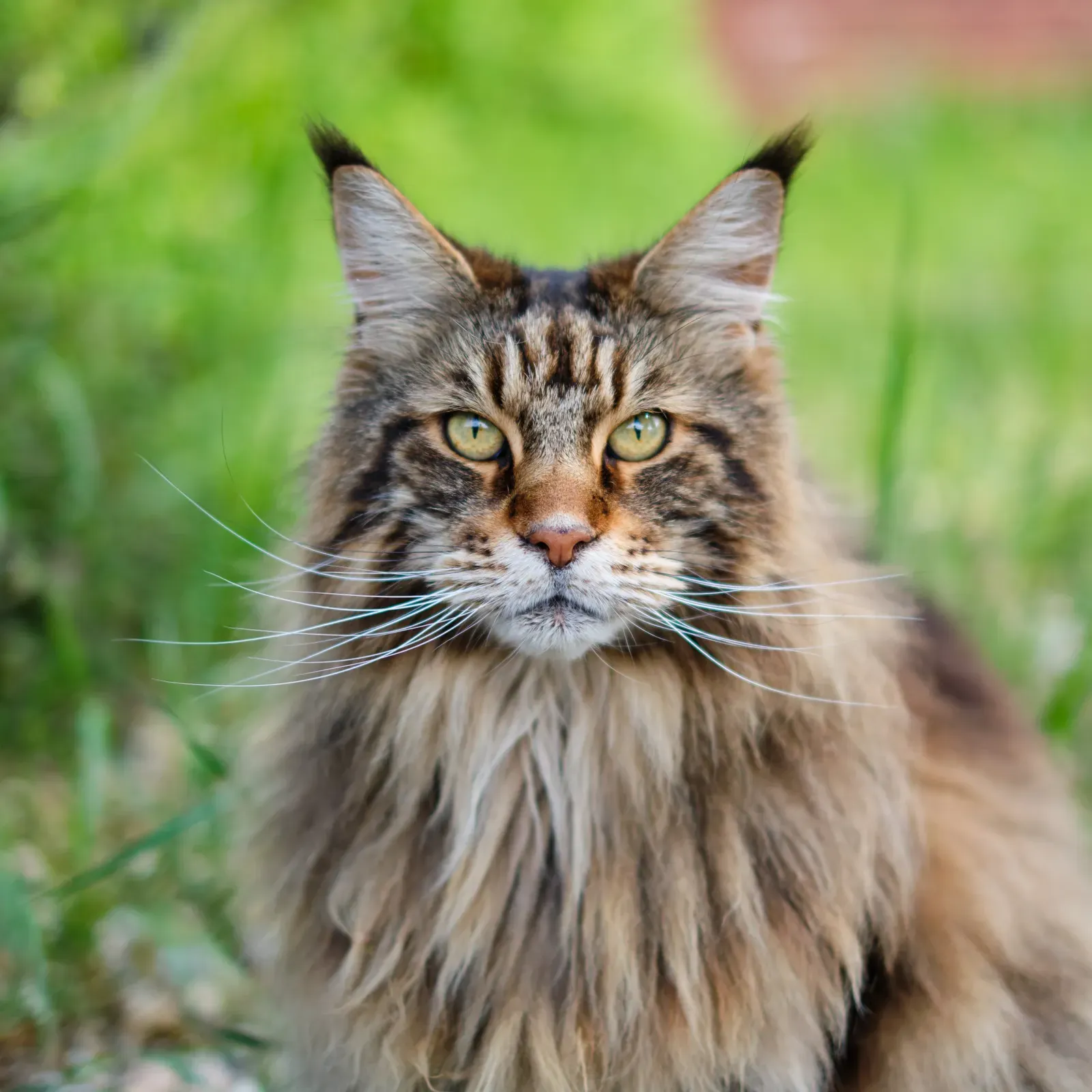
A domestic shorthair — the classic mixed-breed house cat — is typically the cheapest cat to insure, often landing at the bottom of the $12–$30 range. Purebreds cost more because of known hereditary issues: a Maine Coon, for example, is predisposed to hypertrophic cardiomyopathy (a heart condition) and hip dysplasia, so expect premiums roughly 20–40% higher than a domestic shorthair of the same age. Persians (kidney disease, breathing issues) and Sphynx (heart and skin conditions) similarly price above average.
Accident-Only vs Full Coverage for Cats
The cheapest policy isn’t always the best value. Here’s how the two main plan types compare for cats:
| Accident-Only | Accident + Illness (Full) | |
|---|---|---|
| Typical monthly cost | ~$8–$15 | ~$12–$30 |
| Broken bones, bite wounds | Covered | Covered |
| Urinary blockage | Not covered | Covered |
| Kidney disease, cancer, diabetes | Not covered | Covered |
| Dental illness | Not covered | Sometimes (varies by plan) |
| Best for | Young outdoor cats on a tight budget | Most indoor cats — illness is the bigger risk |
For most indoor cats, full coverage is the better buy: the price gap over accident-only is small (often under $10/month), but illness — urinary issues, kidney disease, hyperthyroidism — is where cats actually generate big bills. Accident-only makes sense mainly as a budget stopgap for young, healthy cats while you save for a fuller plan.
5 Ways to Get the Cheapest Pet Insurance for Cats
- 1. Raise the deductible. Moving from a $250 to a $500 annual deductible can cut premiums by 15–25%. Just make sure you could actually cover the deductible in an emergency.
- 2. Pay annually instead of monthly. Many insurers offer a 5–10% discount for annual payment — on a $20/month plan, that’s $12–$24 back per year for one extra click.
- 3. Enroll young. Insuring a kitten locks in the lowest rate and the cleanest medical history, which means almost nothing gets flagged as pre-existing later.
- 4. Ask about multi-pet discounts. Insuring two or more pets with the same company typically earns 5–10% off each policy — meaningful if you have a multi-cat household.
- 5. Compare at least three quotes. Prices for identical coverage routinely vary 30% or more between providers. Get quotes with the same deductible, reimbursement rate, and annual limit so you’re comparing apples to apples.
Frequently Asked Questions
What is the cheapest age to insure a cat?
As young as possible — typically from 8 weeks old. Kittens get the lowest premiums and the fewest pre-existing condition exclusions. Every year you wait, the premium rises and the list of excluded conditions grows.
Does an indoor cat really need insurance?
Yes — indoor cats avoid trauma claims but are fully exposed to the expensive illnesses: urinary blockages ($1,500–$3,000), kidney disease management, and cancer treatment. Since indoor-cat premiums are among the cheapest in the industry, the cost-to-protection ratio is excellent. If you’re ever unsure whether a symptom warrants a vet visit, our pet symptoms guide can help you decide.
Is accident-only coverage worth it for a cat?
It’s better than nothing and genuinely cheap (~$8–$15/month), but it leaves the biggest feline risks — urinary, kidney, thyroid, cancer — uncovered. For most owners, the small step up to full accident-and-illness coverage is worth it.
Will pre-existing conditions be covered?
Almost never. Like dog policies, cat policies exclude conditions diagnosed before enrollment or during the waiting period. This is the strongest argument for enrolling while your cat is young and healthy. Some insurers will reconsider curable pre-existing conditions (like a resolved UTI) after 12 symptom-free months — ask before you buy.
Why is my purebred cat so much more expensive to insure?
Hereditary conditions. Insurers price in the known risks of each breed — heart disease in Maine Coons and Sphynx, kidney disease in Persians. A domestic shorthair with no breed-specific predispositions will almost always be the cheapest cat to insure.
Educational purposes only — this article is not financial advice. Prices shown are estimates based on published industry data and vary by provider, location, breed, and your cat’s age and health. Always compare live quotes and read the full policy terms before enrolling.
Enjoyed this guide? Join the Petsofweb newsletter for one practical pet-care tip every week — cost breakdowns, health checklists, and money-saving vet advice, with no spam. Sign up free on petsofweb.com/.
Finding the cheapest pet insurance for cats means comparing quotes for identical coverage — prices vary 30% or more between providers.
For a complete pricing breakdown, see our guide to pet insurance costs.
Learn how choosing a higher deductible lowers your premium.
See whether pet insurance is worth it for your cat.