
If you love dogs but not the tumbleweeds of fur — or that unmistakable “dog smell” — low-shedding dog breeds might be your answer. These breeds drop very little hair around the house, and many of them stay remarkably fresh-smelling between baths. But before you fall for a curly-coated cutie, there’s one thing every future owner needs to hear: low-shed does not mean low-maintenance. Let’s get into the honest details.
What “Low-Shedding” Actually Means
Here’s the truth most listicles skip: no dog breed is 100% hypoallergenic. The American Kennel Club is clear on this — studies have found no major difference in the main dog allergen levels between homes with so-called hypoallergenic breeds and other dogs. What “low-shedding” really means is that the breed drops less loose hair into your home, which also means less dander circulating on shed fur.
And the smell factor? That famous doggy odor mostly comes from oils, yeast, and bacteria on the skin — and it varies hugely by breed. Breeds with hair-like coats (rather than fur) that get regular grooming genuinely do smell less. The AKC’s guidance for allergy-sensitive owners points to the same group of breeds you’ll meet below — Poodles, Bichon Frises, Schnauzers, and Portuguese Water Dogs among them (AKC on hypoallergenic breeds).
One more honest note: if your allergies are severe, spend time with the breed before committing, and talk to your allergist. A low-shedding coat helps, but dander and saliva proteins are the real triggers.
8 Low-Shedding Dog Breeds Worth Considering
1. Poodle (Toy, Miniature, or Standard)
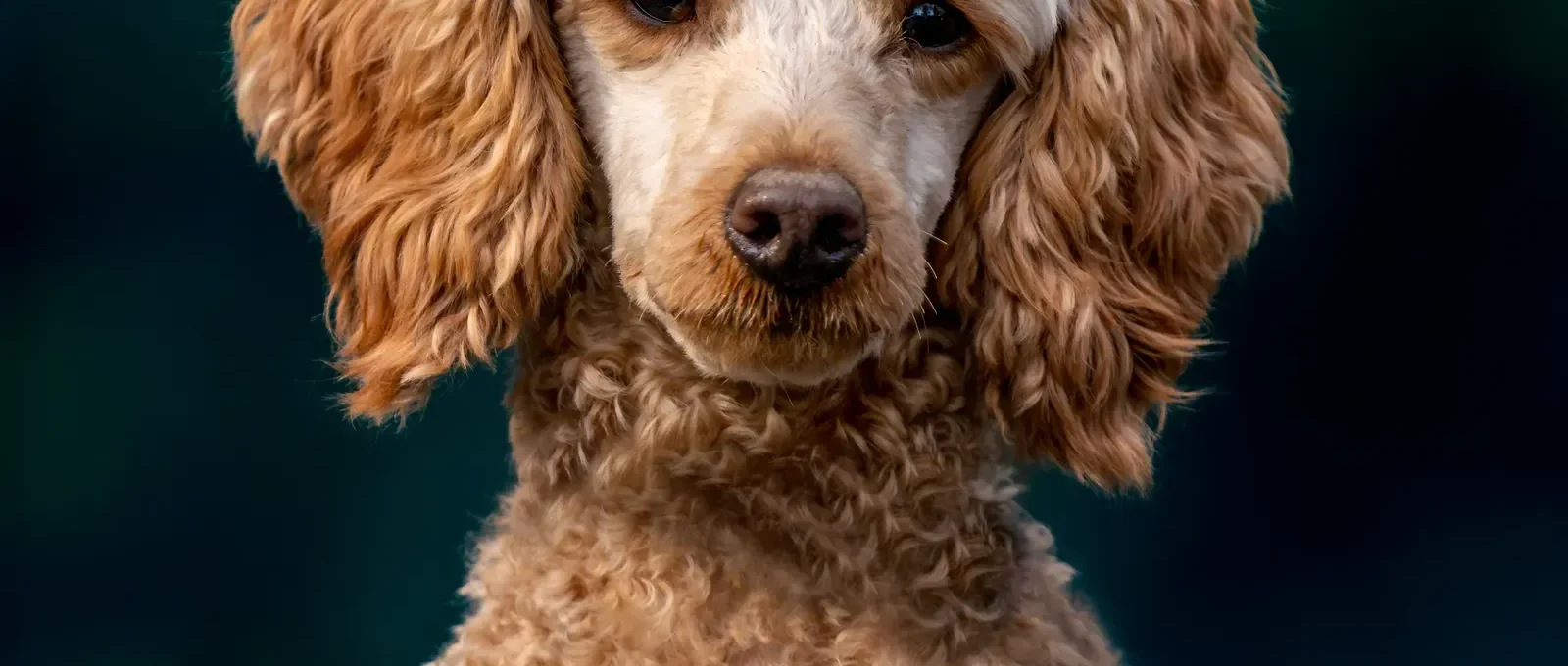
The poster dog of low-shedding breeds. Poodles have a dense, curly, single coat that traps dead hair instead of dropping it — which is exactly why you rarely find Poodle fur on the sofa. They’re also famously low-odor when groomed regularly. The trade-off: that coat mats fast. Expect professional grooming every 4–6 weeks plus brushing at home several times a week. Brilliant, athletic, and great for active owners.
2. Bichon Frise
A cloud in dog form. The Bichon’s soft, curly double coat sheds minimally and these little charmers are known for staying fresh-smelling. They’re cheerful, sturdy for their size (12–18 lbs), and excellent apartment dogs. Grooming reality: their hair grows continuously, so they need clipping every 4–6 weeks and near-daily brushing to prevent mats. Worth it for that smile.
3. Maltese
Ancient lapdogs with floor-length silky hair — and almost no shedding. Maltese have a single coat with no undercoat, which means less dander-trapping fluff and minimal odor between baths. At under 7 lbs, they’re ideal for small spaces. The catch: that gorgeous coat needs daily brushing if kept long, though many owners choose a practical “puppy cut” to slash maintenance.
4. Shih Tzu
Bred to be companions, Shih Tzus have long, flowing hair rather than fur, and they shed very little. They’re affectionate, sturdy little dogs that adapt well to apartment life — see our best dog breeds for apartments roundup for more small-space stars. Grooming is the price of admission: daily brushing for a full coat, or a short clip every 6–8 weeks. Keep the face clean and they stay sweet-smelling.
5. Portuguese Water Dog
Made famous as the Obama family dog, the “Portie” has a waterproof, curly or wavy single coat that sheds minimally and resists that wet-dog funk better than most breeds. They’re athletic, smart, and need serious exercise — this is not a couch-potato breed. Grooming: regular brushing and clipping every 6–8 weeks. A fantastic pick if you want low-shed plus adventure buddy.
6. Miniature Schnauzer
That wiry coat barely sheds at all, and Schnauzers are famously low-odor dogs. They’re spirited, clever, and compact (11–20 lbs) — great watchdogs without the noise level of some terriers. Their coat needs hand-stripping or clipping every 5–8 weeks to keep its texture, plus regular beard cleaning (that beard collects everything). The AKC lists all three Schnauzer sizes among its suggested breeds for allergy-sensitive owners (AKC allergy guidance).
7. Yorkshire Terrier
Don’t let the tiny size fool you — Yorkies have big personalities and hair-like coats that shed very little. Their fine, silky coat is closer to human hair than fur, which is why they’re a classic pick for tidy homes. Daily brushing for a show coat, or keep it in a short trim for easy care. Bonus: minimal drool, minimal odor, maximum attitude.
8. Havanese
Cuba’s national dog is a silky-coated charmer that sheds very little and has almost no doggy odor. Havanese are gentle, playful, and famously adaptable — excellent with kids and other pets. Their soft double coat needs brushing a few times a week to prevent tangles, with a clip every 6–8 weeks. If you want the Bichon vibe with a slightly more laid-back temperament, meet the Havanese.
Low-Shedding Breeds at a Glance
| Breed | Size | Shedding | Grooming effort | Best for |
|---|---|---|---|---|
| Poodle | 6–70 lbs (3 sizes) | Minimal | High — clip every 4–6 wks | Active owners, allergy-sensitive homes |
| Bichon Frise | 12–18 lbs | Minimal | High — brush near-daily | Families, apartment living |
| Maltese | Under 7 lbs | Minimal | Medium–high | Lapdog lovers, small spaces |
| Shih Tzu | 9–16 lbs | Very low | High for long coat | Calm companionship |
| Portuguese Water Dog | 35–60 lbs | Minimal | Medium–high | Active families, swimmers |
| Miniature Schnauzer | 11–20 lbs | Very low | Medium — clip 5–8 wks | Watchful, tidy households |
| Yorkshire Terrier | Under 7 lbs | Minimal | Medium–high | Small-space living |
| Havanese | 7–13 lbs | Very low | Medium | Families with kids/pets |
For more breed ideas matched to your lifestyle, browse our guide to choosing a dog breed hub — including the dog breeds that don’t shed list for even more no-shed options.
The Grooming Reality Check: Low-Shed ≠ Low-Maintenance
This is the part that surprises new owners. Breeds that don’t shed still lose hair — it just gets trapped in their coat instead of landing on your floor. That trapped hair becomes mats, and mats pull on skin, trap moisture, and cause that sour smell you’re trying to avoid.
What low-shedding ownership actually looks like:
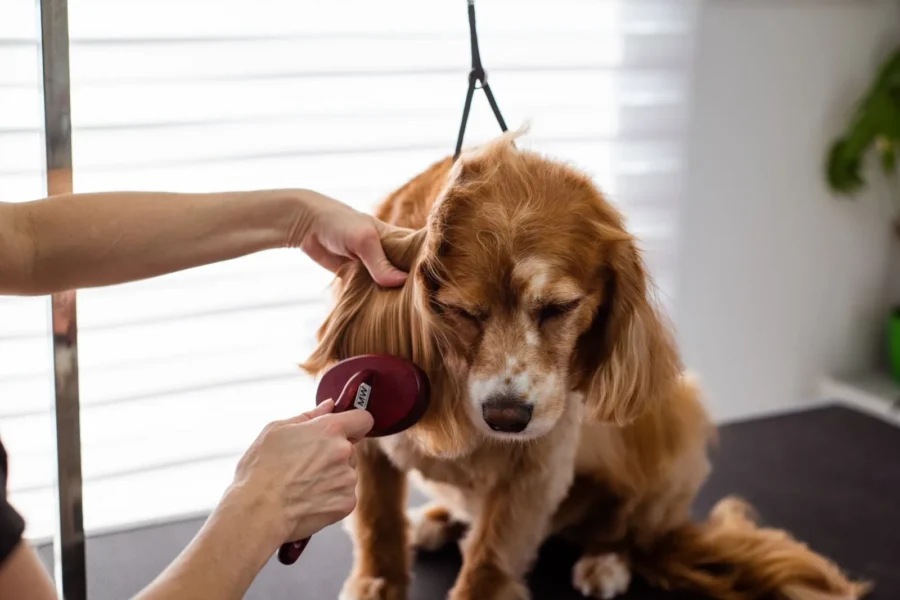
- Brushing 3–5 times a week (daily for long or curly coats) — a slicker brush plus a metal comb is the standard toolkit.
- Professional grooming every 4–8 weeks — budget $60–$120 per session depending on your area and the breed.
- Baths every 3–6 weeks with a gentle dog shampoo — over-bathing dries the skin and can actually increase odor.
- Ear checks — floppy-eared, curly-coated breeds trap moisture; clean ears as your vet or groomer shows you.
If that sounds like a lot, it is — but it’s predictable, scheduled work rather than the constant battle of de-furring a heavy shedder. Most low-shed owners happily make the trade.
Keeping Any Dog Smelling Fresh Between Baths
- Wash bedding weekly — most “dog smell” lives in the bed, not the dog.
- Brush regularly; brushing distributes skin oils and removes the debris that causes odor.
- Wipe paws and beard after walks and meals (especially for Schnauzers and Shih Tzus).
- Feed a quality diet — dull, yeasty-smelling coats are often diet-related; ask your vet if the smell persists.
- Don’t over-bathe. Stripped skin overproduces oil, which smells worse, not better.
Frequently Asked Questions
Are low-shedding dogs really hypoallergenic?
No breed is truly hypoallergenic. Low-shedding breeds release less hair-borne dander into your home, which helps many mild allergy sufferers — but dander and saliva proteins still exist. The AKC recommends spending time with a breed and consulting your allergist before committing.
Do low-shedding dogs smell less than other dogs?
Generally, yes — breeds with hair-like, single coats that are groomed regularly produce less of the oily “dog smell” than heavy-coated breeds. But grooming is doing most of the work here; a neglected Poodle smells just as doggy as anyone.
How often should I groom a low-shedding breed?
Plan on brushing 3–5 times per week and professional grooming every 4–8 weeks. Curly coats (Poodle, Bichon) need the most frequent attention; wiry coats (Schnauzer) need regular clipping or hand-stripping to keep their texture.
What’s the lowest-maintenance low-shedding dog?
The Miniature Schnauzer and the Havanese (in a short clip) are among the easier options — moderate brushing, no daily marathon sessions. But “low maintenance” is relative: every low-shed breed needs more grooming than a short-coated shedder like a Beagle.
Sources: American Kennel Club — hypoallergenic dog breeds and living with dog allergies.
Enjoyed this guide? Join the Petsofweb newsletter for weekly breed guides, grooming tips, and honest pet-care advice — straight to your inbox, no spam, unsubscribe anytime.