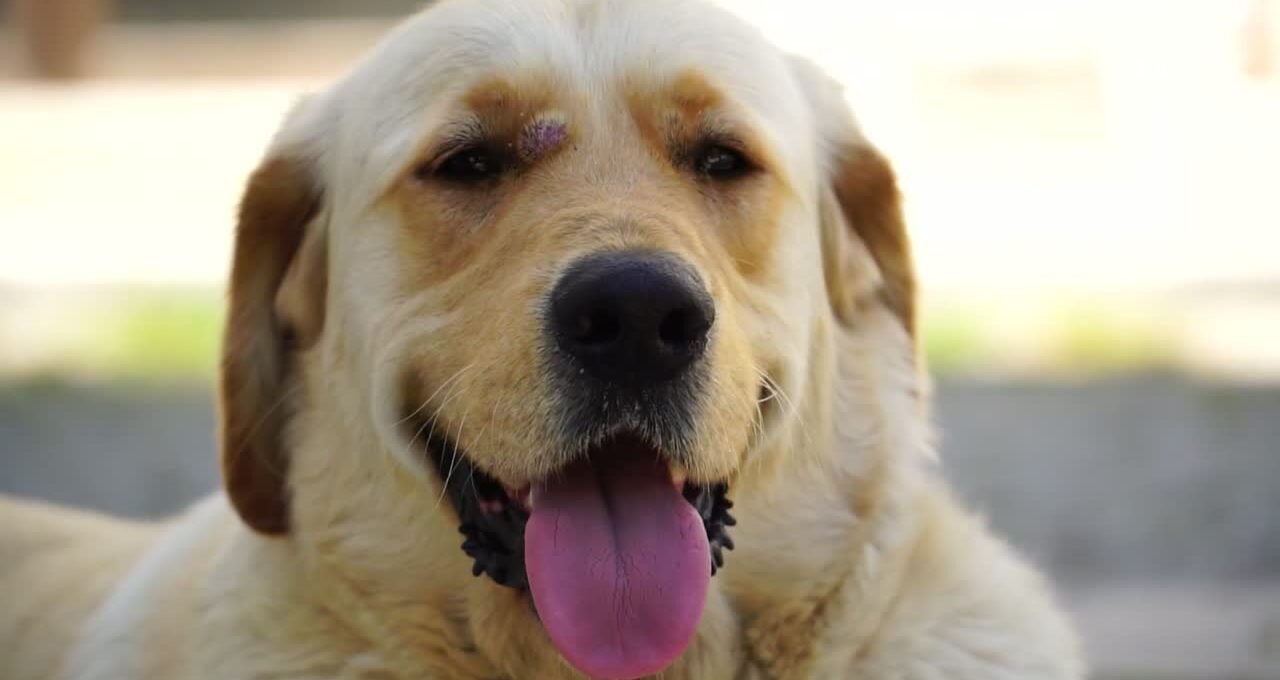

If your dog starts panting at night when the house is quiet and they haven’t been exercising, it can be worrying.
Why is your dog panting at night?
Sometimes, nighttime panting can have a simple explanation, such as warmth, recent activity, excitement, or stress. But panting that happens while your dog is resting—especially when it is new, persistent, or accompanied by other symptoms—can sometimes be a sign that something is wrong.
The key is to look at what is happening around the panting and how your dog behaves otherwise.
Here are nine possible reasons.
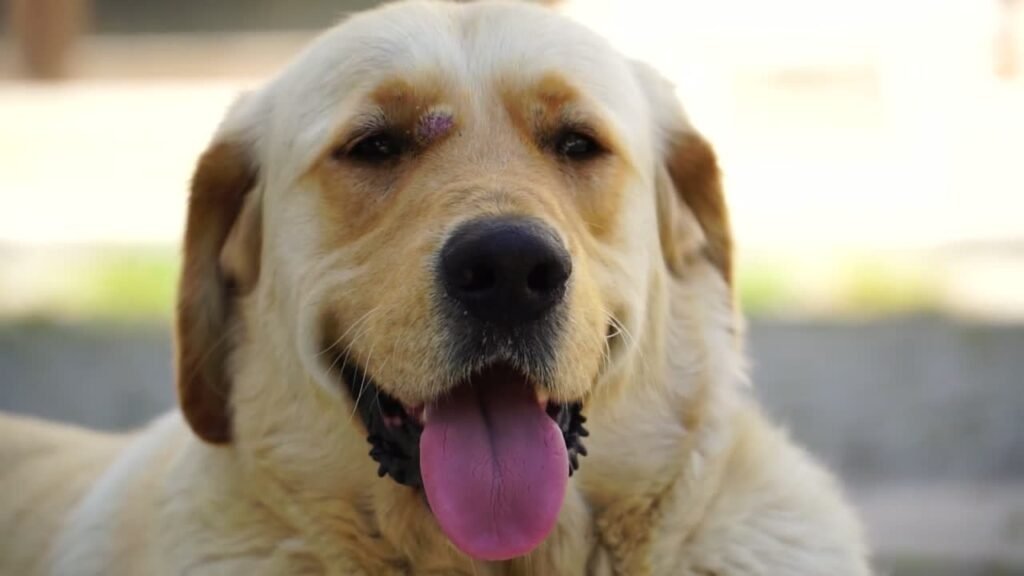
1. Your Dog May Be Too Warm and Panting at Night
Panting is a dog’s primary way of regulating body temperature.
Dogs do have sweat glands, particularly in their paw pads, but sweating plays only a small role in cooling the body. Panting allows moisture to evaporate from the mouth and respiratory passages, helping release body heat.
Your dog may pant at night if:
- The room is warm
- Their bedding is too thick
- They have a heavy coat
- The weather is hot or humid
- They were active shortly before bedtime
Make sure your dog has access to fresh water and a comfortable sleeping environment.
If the panting is unusually heavy or your dog appears distressed, however, don’t assume that temperature is the only explanation.
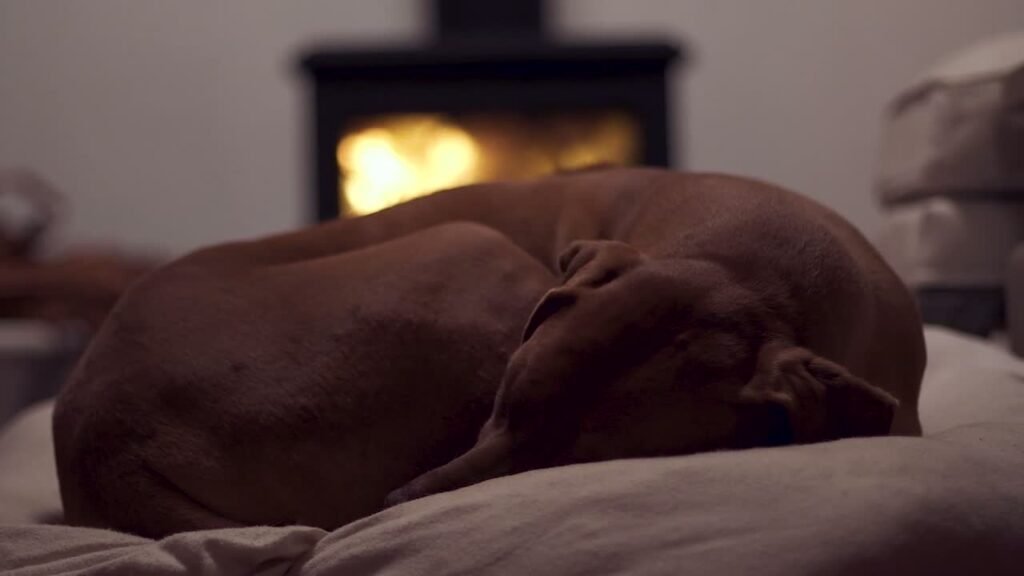
2. Your Dog Was Active Before Bed
Exercise and play can cause normal panting.
A long walk, running, playing fetch, training, or an exciting evening can temporarily increase your dog’s breathing rate. Once your dog has rested and cooled down, the panting should generally settle.
For example:
Exercise → panting → rest → gradual return to normal
If your dog continues panting heavily after they have had time to rest, especially in a cool environment, it is worth paying closer attention.
3. Stress or Anxiety Could Cause Dog Panting at Night
Dogs can pant when they are stressed, anxious, or excited. Learn to recognize the common dog anxiety symptoms in your pet.
At night, certain sounds or changes in the environment may become more noticeable. Thunderstorms, unfamiliar noises, changes in the household, or other stressful situations can contribute to panting and restlessness.
You might also notice:
- Pacing
- Whining
- Restlessness
- Looking around repeatedly
- Difficulty settling down
- Staying unusually close to you
If nighttime anxiety happens frequently, talk with your veterinarian about possible causes and appropriate management.
4. Pain or Discomfort May Cause Panting
Pain is another possible reason for excessive panting.
Dogs don’t always cry or limp when they are uncomfortable. Some dogs may instead become restless, change sleeping positions frequently, or pant more than usual. Other possible signs of pain include trembling, limping, increased breathing, or repeatedly licking an affected area.
If nighttime panting is a new behavior, particularly when your dog is resting, watch for other changes in behavior or movement.
A veterinarian can determine whether pain or another medical problem is contributing to the change.
5. Medication Could Be Affecting Your Dog
Certain medications can increase panting.
For example, PetMD notes that prednisone and other steroid medications can cause increased panting even when a dog isn’t hot, excited, or stressed.
If your dog recently started medication and you noticed increased nighttime panting, contact your veterinarian.
Don’t stop or change a prescribed medication on your own.
6. An Underlying Health Problem Could Be Involved
Panting that doesn’t match your dog’s activity, temperature, or situation can sometimes be associated with an underlying medical problem.
Possible causes include certain heart or lung problems and hormonal disorders.
You may also notice other changes, such as:
- Coughing
- Reduced energy
- Difficulty exercising
- Changes in appetite
- Increased thirst or urination
- Abnormal breathing
These signs cannot tell you exactly what condition a dog has. A veterinarian may need to examine your dog and perform appropriate tests to determine the cause.
7. Overheating: A Serious Cause of Dog Panting at Night
Heavy panting can be an early warning sign of overheating.
Other concerning signs can include excessive drooling, very red gums, weakness, vomiting, abnormal behavior, difficulty standing, or collapse. Heatstroke can become life-threatening and requires prompt veterinary attention.
Dogs with short noses, such as Pugs and Bulldogs, can be particularly vulnerable to heat-related problems because their anatomy can make cooling themselves more difficult.
If you suspect your dog is seriously overheated, contact an emergency veterinarian immediately. See the American Kennel Club’s guide to why dogs pant to learn how panting cools your dog and when heavy panting signals heatstroke.
8. Your Dog’s Breed May Affect Their Breathing
Some breeds are more prone to breathing difficulties.
Brachycephalic breeds—dogs with short, flattened facial structures—can have airway anatomy that makes breathing and cooling more difficult. Pugs and Bulldogs are common examples.
Certain other dogs can also develop breathing-related problems as they age.
Pay attention if your dog’s panting becomes:
- Louder than usual
- More frequent
- More difficult
- Accompanied by coughing
- Accompanied by obvious breathing effort
A noticeable change in breathing should be discussed with a veterinarian.
9. Your Dog May Be Unwell
Panting is a symptom, not a diagnosis.
It can happen for completely normal reasons, but excessive or unexplained panting can also occur with pain, medication effects, overheating, or certain medical conditions.
That’s why it’s useful to look at the whole picture.
Ask yourself:
- Is my dog eating normally?
- Are they drinking normally?
- Are they acting normally?
- Can they walk comfortably?
- Are they coughing?
- Do they seem restless or painful?
- Is the panting new?
- Does it happen only at night or throughout the day?
These details can help your veterinarian understand what is happening.
Why Is My Dog Panting at Night but Not During the Day?
If your dog only pants at night, think about what is different during nighttime.
The room may be warmer. Your dog may have been active before bed. There may be noises that cause anxiety. Or you may simply notice the behavior more because the house is quiet.
However, panting while resting or sleeping deserves more attention than panting immediately after exercise or excitement, especially when the behavior is new or persistent.
If it keeps happening without an obvious explanation, contact your veterinarian.
How Can You Tell If Your Dog’s Panting Is Normal?
Context matters.
Panting is more likely to be normal when:
- Your dog has recently exercised
- The environment is warm
- Your dog is excited
- Your dog has been playing
- Your dog settles after resting
- There are no other concerning symptoms
Panting is more concerning when:
- It happens while your dog is completely at rest
- It suddenly appears without an obvious reason
- It continues for an extended period
- Your dog cannot settle down
- Your dog seems painful or weak
- Your dog has difficulty breathing
- Your dog’s gums look unusually pale, blue, gray, or very red
PetMD specifically recommends paying attention when panting doesn’t match a dog’s activity level, temperature, or situation.
When Should You Call a Veterinarian?
Contact your veterinarian if your dog’s nighttime panting is new, persistent, unexplained, or accompanied by other changes.
Seek urgent veterinary care if your dog:
- Has difficulty breathing
- Is struggling to breathe
- Collapses
- Cannot stand or walk normally
- Has severe weakness
- Has abnormal gum color
- Shows signs of serious overheating
- Appears severely distressed
Breathing difficulties and suspected heatstroke can be emergencies.
When you’re unsure, contacting a veterinary professional is safer than trying to diagnose the cause at home.
What Can You Do Tonight?
If your dog is panting but otherwise seems comfortable and alert, check the obvious factors first.
1. Check the temperature
Make sure the sleeping area isn’t excessively warm.
2. Provide fresh water
Keep clean drinking water available. If your dog is drinking more water than usual, read about why dogs drink so much water.
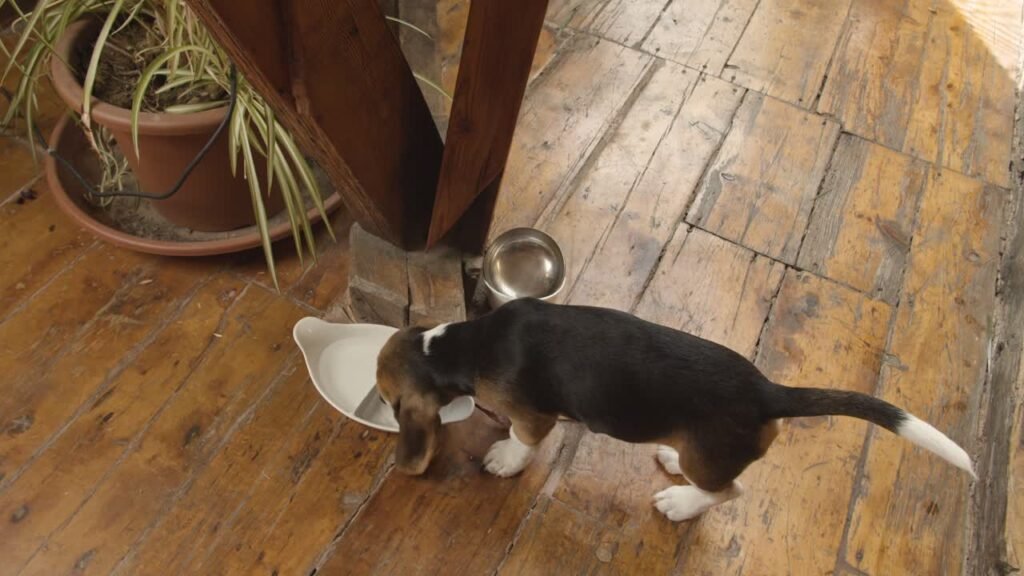
3. Think about recent activity
Did your dog have a long walk, play session, or exciting experience before bedtime?
4. Look for stress triggers
Consider unusual noises, thunderstorms, visitors, or changes in the household.
5. Watch for other symptoms
Look for coughing, vomiting, weakness, limping, unusual behavior, or difficulty breathing.
6. Keep track of the pattern
If the nighttime panting keeps happening, note when it occurs and what your dog was doing beforehand. A short video can also be useful to show your veterinarian.
Frequently Asked Questions
Why is my dog panting at night for no reason?
There may be a reason that isn’t immediately obvious. Warmth, recent activity, stress, pain, medication effects, overheating, and certain health problems can all contribute to panting. If it keeps happening without an obvious explanation, contact your veterinarian.
Why is my dog panting at night but the house isn’t hot?
Panting isn’t caused only by heat. Dogs can pant because of excitement, stress, pain, medication effects, or certain health problems.
Why is my senior dog panting at night?
Senior dogs can experience the same causes of panting as younger dogs. However, new or persistent panting should be discussed with a veterinarian, particularly if it occurs with changes in activity, behavior, or breathing.
Why is my dog panting and restless at night?
Panting combined with restlessness can occur with stress or discomfort, among other possible causes. If your dog repeatedly cannot settle down or seems uncomfortable, contact your veterinarian.
Should I worry if my dog pants while sleeping?
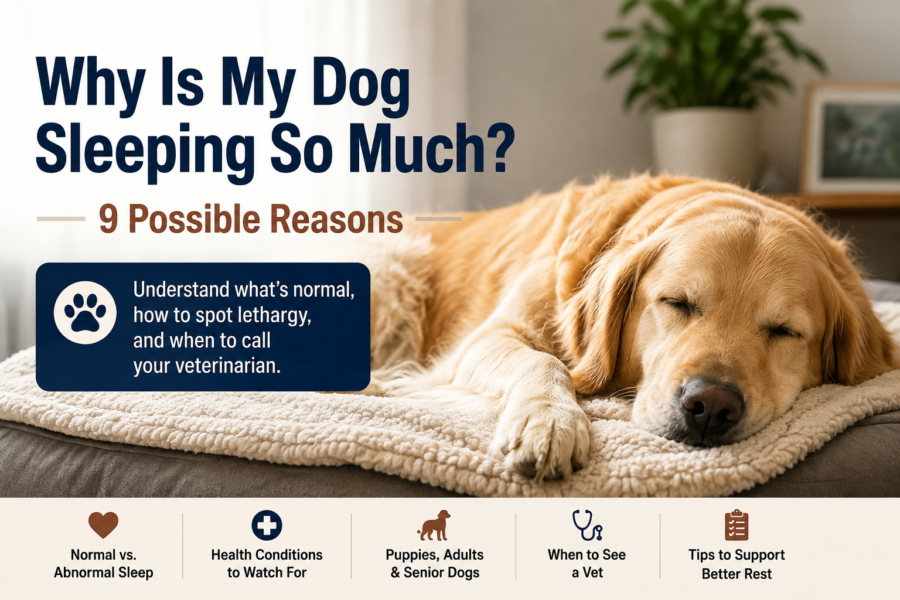
Panting during sleep or while completely at rest is worth paying attention to, particularly when it is new, persistent, or accompanied by other symptoms. If your dog also seems to be sleeping much more than usual, read about why dogs sleep so much.
Can pain make a dog pant at night?
Yes. Excessive panting can be associated with pain or discomfort. Other signs may include restlessness, trembling, limping, or changes in normal behavior.
Final Thoughts
If your dog is panting at night, don’t automatically assume something is wrong—but don’t automatically ignore it either.
Your dog may simply be warm, recovering from activity, excited, or stressed. However, unexplained panting while resting deserves attention, particularly when it is new or persistent. To learn more, see our pet symptoms guide.
Pay attention to your dog’s overall behavior, breathing, appetite, activity level, and any other symptoms.
If you’re concerned about the change, contact your veterinarian. If your dog is struggling to breathe, collapses, cannot stand normally, or shows signs of serious overheating, seek emergency veterinary care immediately.
Important: This article provides general educational information and is not a diagnosis or substitute for veterinary care. A qualified veterinarian should evaluate persistent or concerning symptoms.
Why is my dog panting at night?
Dogs may pant at night because they are too warm, recovering from evening activity, stressed, or uncomfortable. Panting is a dog’s primary way to regulate body temperature. If the panting is new, heavy, or persistent, pay attention to the surrounding context.
Is it normal for dogs to pant while sleeping?
Light panting during sleep can be normal, especially in a warm room or after an active evening, and dogs may also pant while dreaming. However, heavy or persistent panting while completely at rest deserves closer attention. Contact your veterinarian if the behavior is new or accompanied by other symptoms.
When should I worry about my dog panting at night?
Contact your veterinarian if the panting is new, persistent, or unexplained, or if your dog shows other changes such as difficulty breathing, restlessness, or weakness. Breathing difficulties and signs of heatstroke can be emergencies. When in doubt, ask your vet — it is safer than trying to diagnose the cause yourself.