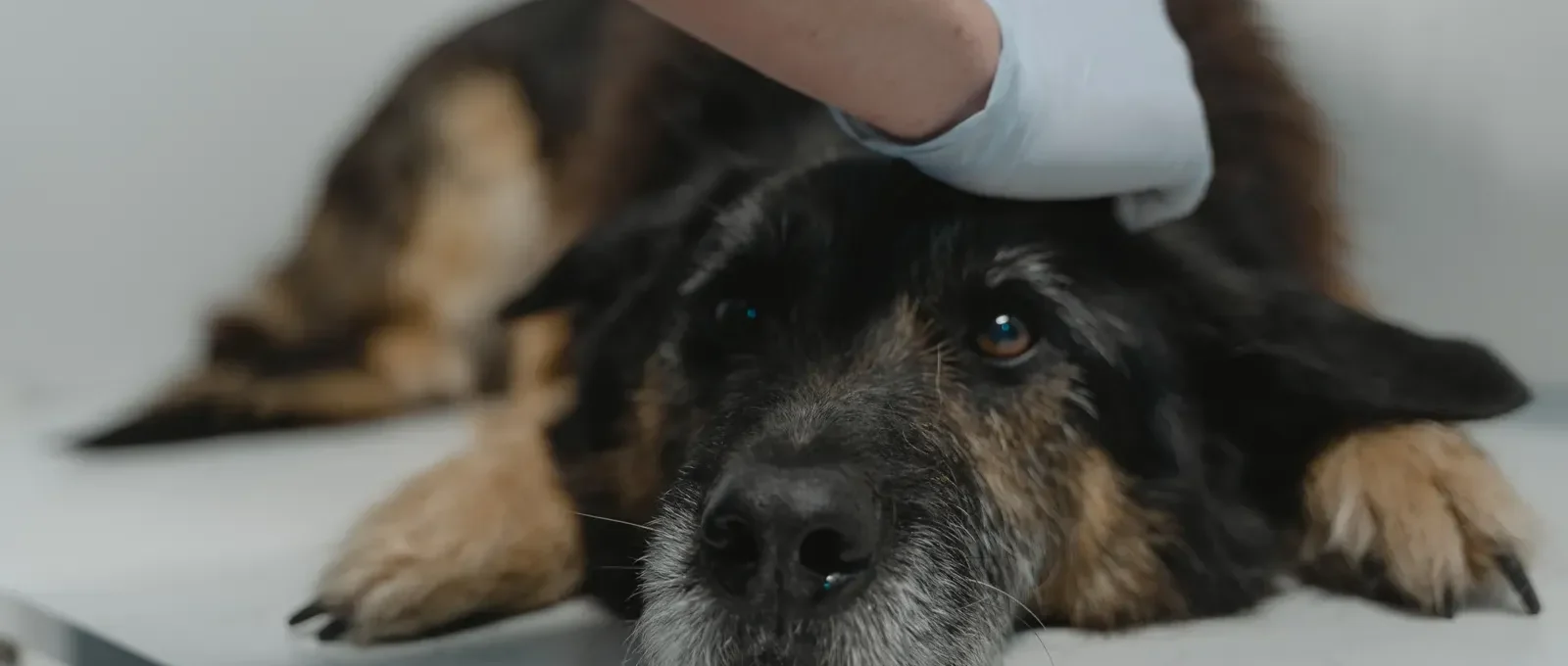

If your dog already has arthritis or your cat was diagnosed with diabetes last year, you’ve probably asked the hardest question in pet insurance: what do pet insurance pre-existing conditions rules actually exclude? It’s the number-one reason claims get denied — and the fine print varies more than most owners expect.
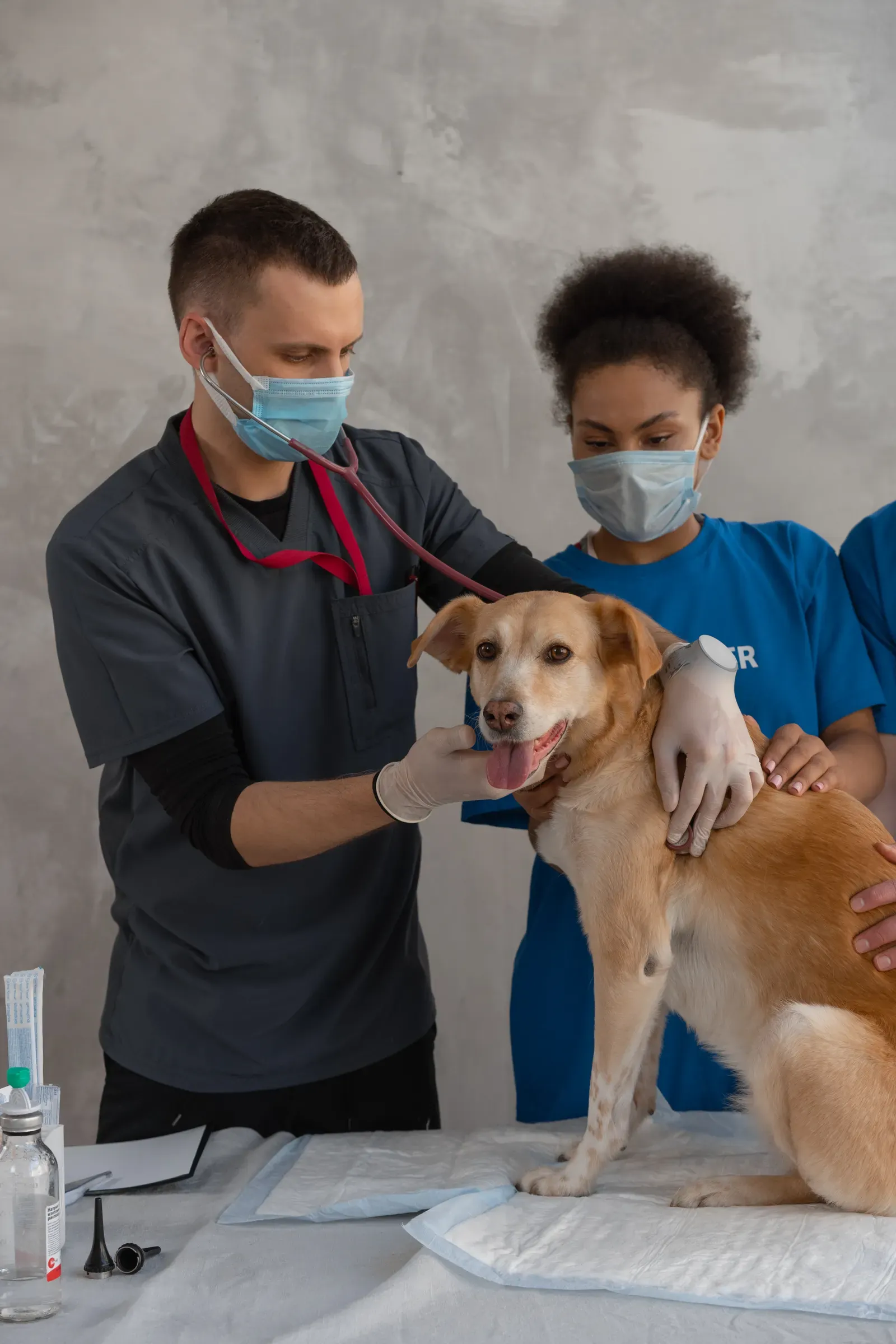
In this guide, we’ll break down exactly how insurers define pre-existing conditions, the difference between curable and incurable exclusions, the bilateral clause that surprises owners, and the practical steps that give your pet the best shot at full coverage. If you’re still comparing plans overall, start with our complete guide to pet insurance costs in 2026.
Petsofweb is reader-supported. When you buy through links on our site, we may earn an affiliate commission.
How Insurers Define Pet Insurance Pre-Existing Conditions
Most pet insurers use a similar definition: a pre-existing condition is any illness, injury, or abnormality — or even signs or symptoms of one — that existed before your coverage started or during the policy’s waiting period.
That “signs or symptoms” part matters more than people realize. Your pet doesn’t need a formal diagnosis for something to count as pre-existing. If your vet noted “mild limping, monitor” six months before you enrolled, a later cruciate ligament claim can be denied on that note alone. Common examples insurers flag include:
- Limping, stiffness, or joint pain noted at any prior exam
- Recurring ear infections, skin rashes, or digestive upset
- Heart murmurs, coughing, or breathing changes
- Lumps, growths, or urinary issues mentioned in vet records
This is why insurers typically request your pet’s full veterinary history when you file your first claim — they’re looking for anything documented before day one of coverage. Understanding this definition is also key to what pet insurance doesn’t cover more broadly.
Curable vs Incurable Pre-Existing Conditions
Not all pre-existing conditions are treated equally. Most insurers divide them into two buckets — and the difference can save you thousands.
Curable pre-existing conditions are temporary issues that resolved completely with treatment: ear infections, urinary tract infections, vomiting or diarrhea episodes, or respiratory infections. Many insurers will cover these again if your pet goes symptom-free and treatment-free for a set period — typically around 6 to 12 months, though the exact window varies by company. Always check the policy wording; some insurers are more generous than others.
Incurable pre-existing conditions are chronic or lifelong issues, and these are typically excluded permanently no matter how well managed they are. The usual list includes:
- Arthritis and degenerative joint disease
- Diabetes and thyroid disorders
- Allergies (food or environmental)
- Hip or elbow dysplasia
- Cancer and heart disease
- Epilepsy and chronic kidney disease
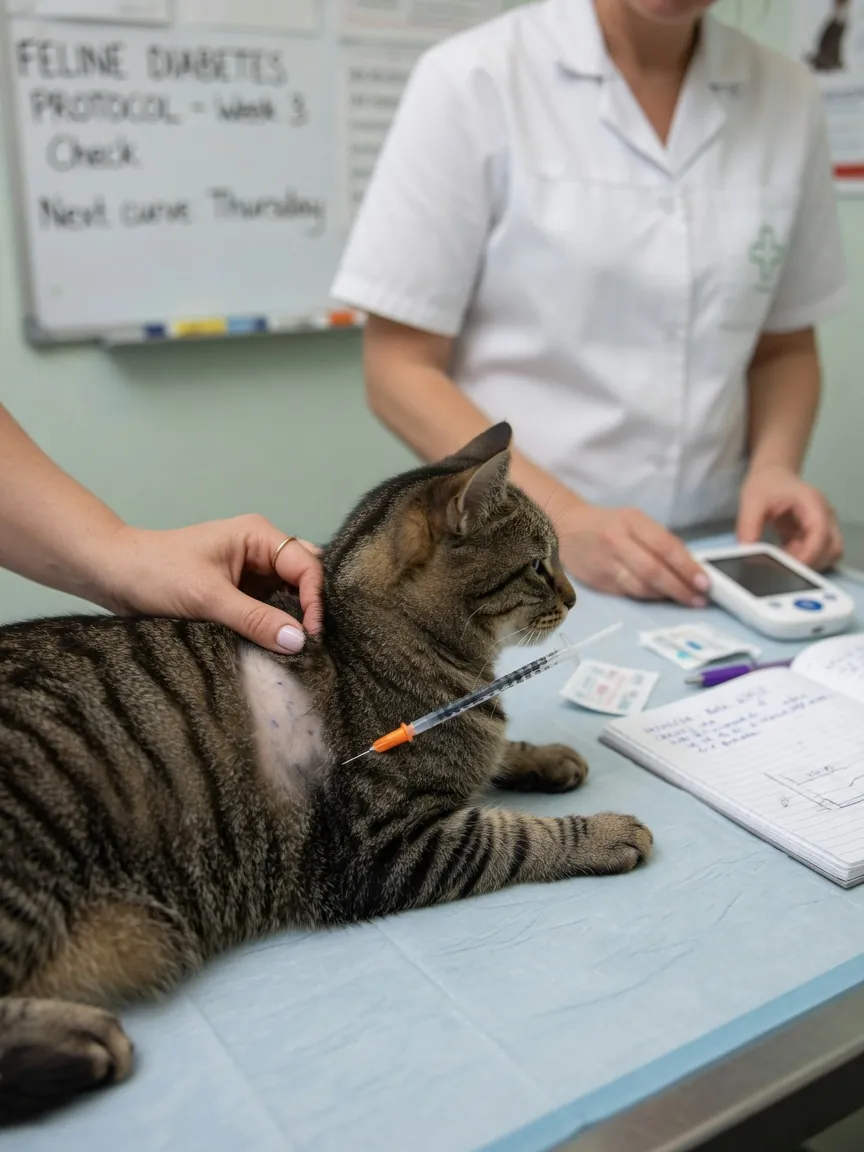
If your pet has an incurable condition, the policy can still be valuable — it will cover new, unrelated illnesses and injuries. A diabetic cat’s insulin won’t be covered, but a broken leg or a new infection will be. That’s an important nuance when you’re deciding whether pet insurance is worth it for a pet with health issues.
Bilateral Exclusions: The Clause That Catches Owners Off Guard
Here’s the fine-print trap even careful shoppers miss. Many policies include a bilateral exclusion: if a condition affects one side of a paired body structure before enrollment, the matching structure on the other side is excluded too — even if it was perfectly healthy when you signed up.
The classic example is cruciate ligament tears in dogs. If your dog tore the cruciate ligament in the left knee before you enrolled, and then tears the right one a year later, many insurers will deny the second claim under the bilateral clause. The same logic can apply to hips, ears, and eyes.
Not every insurer applies bilateral exclusions the same way, and a few are more lenient — which is one more reason to compare policy documents line by line rather than shopping on price alone.
Waiting Periods vs Pre-Existing Conditions: What’s the Difference?
These two concepts get confused constantly, but they work very differently:
- Waiting period: a short window at the start of your policy — typically around 14 days for illnesses, and often just a few days for accidents — during which new conditions aren’t covered yet. It’s temporary; once it passes, coverage kicks in normally.
- Pre-existing condition exclusion: a long-term or permanent exclusion of anything that existed before coverage began. It doesn’t expire.
The critical overlap: anything that shows signs or symptoms during the waiting period becomes a pre-existing condition. If your new puppy starts coughing on day 10 of a 14-day illness waiting period and it’s diagnosed as kennel cough, that illness may be excluded going forward — not just during the waiting period.
This is the strongest argument for enrolling the moment you bring a pet home, before any symptoms appear. Some orthopedic conditions carry extended waiting periods (sometimes several months), so ask about those specifically if you have a large-breed puppy. And remember that how pet insurance deductibles work also affects what you pay when a covered claim does come in.
Can Pet Insurance Pre-Existing Conditions Ever Become Covered Again?
Sometimes — but only in specific situations:
- Curable conditions can become eligible again after a documented symptom-free period (commonly 6–12 months without treatment or symptoms). Keep vet records proving the resolution.
- Switching insurers resets the clock — against you. A new insurer treats everything in your pet’s history as pre-existing, so continuous coverage with one insurer is usually the safer play.
- Accident-only policies are a workaround for pets with chronic illnesses. They won’t cover the pre-existing illness, but they cover injuries — often at a much lower premium.
- Wellness add-ons can help with the routine costs (exams, vaccines, bloodwork) that managing a chronic condition requires, even though they don’t cover the condition itself.
What won’t work: waiting for a condition to “fall off” your pet’s record. Insurers request veterinary history at claim time, and incurable conditions don’t age out of exclusions.
7 Practical Tips to Maximize Your Coverage
- Enroll early — ideally as a puppy or kitten. The younger and healthier your pet is at enrollment, the shorter the pre-existing list. This is the single highest-impact move you can make.
- Get a full vet exam right at enrollment. A clean nose-to-tail exam establishes a baseline and prevents disputes about when something started.
- Keep complete vet records. Request copies of every visit, lab result, and prescription. A simple [AMAZON_LINK: Pet Health Record Organizer] makes it easy to hand insurers exactly what they ask for at claim time.
- Read the bilateral and curable-condition clauses. These two sections determine more claim outcomes than the marketing brochure ever will.
- Never let coverage lapse. A gap in coverage can turn previously covered conditions into pre-existing exclusions under a new policy term.
- Ask about waiting periods before you need care. Know your illness, accident, and orthopedic waiting periods on day one — not in the emergency room.
- Talk to your vet about documentation. If a past issue fully resolved, ask your vet to document the resolution clearly in the records. That paper trail is what gets curable conditions re-covered.
One more note: never delay vet care hoping a symptom will “clear” before a waiting period ends. Your pet’s health comes first — when in doubt, talk to your vet.
Frequently Asked Questions
Will pet insurance cover my dog’s arthritis if it was diagnosed before I enrolled?
Typically no. Arthritis is considered an incurable pre-existing condition, so treatment for it is usually excluded permanently. However, the policy will still cover new, unrelated illnesses and injuries — which is why many owners of arthritic dogs still find coverage worthwhile.
Can I even get pet insurance if my cat already has diabetes?
Yes. Insurers generally don’t reject applications based on pre-existing conditions — they simply exclude those conditions from coverage. Your cat’s diabetes management won’t be covered, but everything else will be, subject to the usual policy terms.
Do vet notes about symptoms count, even without a diagnosis?
Unfortunately, yes. Most policies define pre-existing conditions to include signs or symptoms observed before coverage began. A note like “occasional vomiting, monitor” can be enough for an insurer to flag a later gastrointestinal claim.
What’s the difference between a waiting period and a pre-existing condition?
A waiting period is a short, temporary window at the start of your policy when new conditions aren’t covered yet. A pre-existing condition exclusion is the long-term or permanent exclusion of health issues that existed before coverage started. The two connect: symptoms appearing during the waiting period usually become pre-existing exclusions.
If I switch insurers, do pre-existing conditions reset?
Effectively, yes — and not in your favor. A new insurer will treat your pet’s entire prior medical history as pre-existing. That’s why continuous coverage with one insurer is usually better than switching for a slightly lower premium.
Are hereditary or breed-specific conditions considered pre-existing?
Not automatically. A hereditary condition isn’t pre-existing unless it showed signs before enrollment. That said, some policies limit or exclude certain breed-specific conditions separately, so check for hereditary-condition coverage and any breed restrictions in the policy wording.

The Bottom Line
Pre-existing condition rules are the least fun — and most important — part of pet insurance. Enroll early, keep clean records, understand the bilateral and curable-condition clauses, and never let coverage lapse. Do that, and even a pet with some history in their file can still get meaningful, money-saving protection.

Leave a Comment