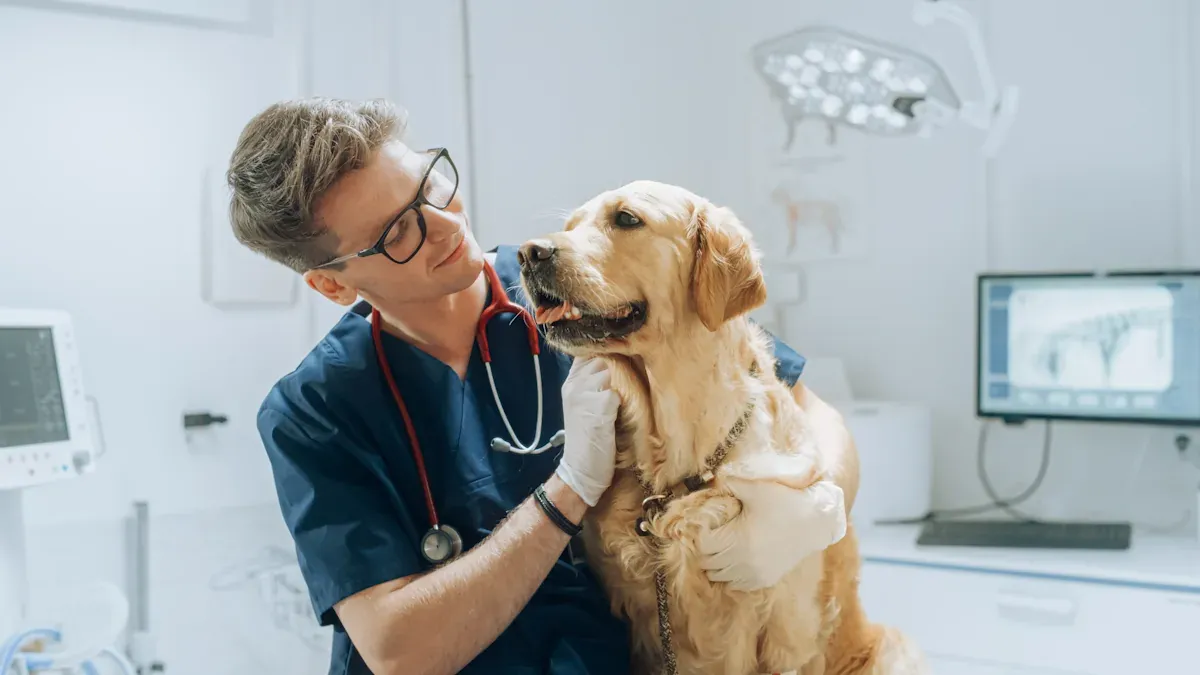

Hearing the word “cancer” from your veterinarian is every pet owner’s nightmare — and the second shock is often the estimate. So the first question most owners ask is: does pet insurance cover cancer treatment? The answer is yes, in most cases. A standard accident-and-illness pet insurance plan typically covers cancer diagnosis and treatment — surgery, chemotherapy, and radiation — the same way it covers any other illness. But the details matter enormously: when you enrolled, your annual limit, and your deductible all decide how much help you actually get. This 2026 guide walks through it all, gently and honestly.
Petsofweb is reader-supported. When you buy through links on our site, we may earn an affiliate commission.
Does Pet Insurance Cover Cancer Treatment? The Short Answer
Yes. Cancer is treated as an illness under virtually all accident-and-illness pet insurance plans, which means diagnosis, surgery, chemotherapy, and radiation therapy are typically covered expenses — subject to your deductible, reimbursement rate, annual limit, and policy exclusions.
There are two big conditions, and both are about timing:
- The cancer must be diagnosed after your coverage started (including after any waiting periods). Cancer diagnosed before enrollment is a pre-existing condition and is typically excluded.
- You need an accident-and-illness or illness-inclusive plan. An accident-only plan covers injuries, not disease — and cancer is a disease. This is one of the most important distinctions in what pet insurance doesn’t cover.
If those two conditions hold, cancer treatment is usually one of the highest-value things your policy can pay for — because it’s also one of the most expensive things your pet can face.
What Cancer Treatment Typically Costs in 2026
Cancer is widely considered the single most expensive condition in veterinary medicine. These are commonly reported U.S. ranges at specialty and oncology practices — always confirm with your own veterinary oncologist, because costs vary by region, cancer type, and treatment protocol:
- Diagnosis (biopsy, bloodwork, X-rays, ultrasound or CT): typically $1,000–$3,000
- Surgery (tumor removal): typically $2,000–$7,000+, depending on location and complexity
- Chemotherapy (full protocol, multiple sessions): typically $3,000–$10,000
- Radiation therapy: typically $5,000–$10,000
- Palliative/hospice care: typically $500–$2,000
Put together, a full course of cancer treatment commonly lands in the $5,000–$15,000+ range, and complex cases can go higher. This is the scenario pet insurance exists for: a bill large enough to force an impossible choice. If you’re still comparing plans, our complete guide to pet insurance costs in 2026 breaks down how premiums and coverage levels interact.
What’s Covered: Surgery, Chemo, and Radiation
Under a standard accident-and-illness plan, cancer coverage usually includes:
- Diagnostic workups: biopsies, aspirates, bloodwork, and imaging (X-ray, ultrasound, CT) used to diagnose and stage the cancer.
- Surgery: tumor removal, including anesthesia and hospitalization.
- Chemotherapy: drug costs and administration across the full protocol. (A reassuring note many owners don’t hear: most pets tolerate chemo far better than humans do — doses are calibrated for quality of life, and severe side effects are uncommon. Your veterinary oncologist will explain what to expect.)
- Radiation therapy: typically covered when medically recommended, though some plans cap the number of sessions — check your policy.
- Follow-up care: recheck exams, bloodwork to monitor treatment, and medications for side effects.
- Prescription medications: covered under most plans’ Rx provisions.
What’s usually not covered: experimental treatments not recognized as standard veterinary care, and any treatment for a cancer that was diagnosed before your policy’s effective date. Alternative or holistic therapies are covered only if your plan specifically includes them.
Does Pet Insurance Cover Cancer Treatment After a Diagnosis?
This is the hardest question on this page, so let’s answer it plainly: no — not for that cancer. If your pet has already been diagnosed with cancer (or showed symptoms your vet documented) before your coverage started, insurers classify it as a pre-existing condition, and treatment for it is typically excluded.
A few nuances worth knowing:
- Symptoms count, not just formal diagnoses. If your vet noted a suspicious lump or abnormal bloodwork before enrollment, the insurer may treat the later cancer diagnosis as pre-existing — even if nobody said the word “cancer” yet.
- Waiting periods apply. Most plans have an illness waiting period (commonly around 14 days). A cancer diagnosed during that window is typically excluded.
- A new, unrelated cancer later may be covered. If your pet is treated for one cancer and years later develops a genuinely different, unrelated cancer while continuously insured, the new condition is typically covered.
- Switching insurers resets the clock. Moving to a new company means new pre-existing condition evaluations — a prior cancer diagnosis will follow your pet. This is one of the strongest reasons to pick a good plan early and keep it.
For the full picture of how insurers investigate medical history, see our guide to pet insurance pre-existing conditions.
The takeaway is emotional but important: the time to enroll is before anything is wrong — ideally when your pet is young and healthy. If you’re reading this after a diagnosis, talk to your vet about treatment options and payment plans; insurance can’t rewind the clock, but your vet can help you navigate what’s ahead.

Hereditary Clauses and Breed-Specific Cancer Risk
Some breeds face notably higher cancer risk — Golden Retrievers, Boxers, Bernese Mountain Dogs, Rottweilers, and Great Danes are among the breeds veterinarians watch most closely. This matters for insurance in two ways:
- Hereditary/congenital exclusions. Some plans exclude or limit coverage for conditions considered hereditary to your breed. Most reputable insurers cover breed-associated cancers as standard illnesses, but a few budget plans carve them out — read the hereditary clause before you buy, especially for a high-risk breed.
- Premiums reflect risk. Breeds with higher expected veterinary costs typically cost more to insure. That’s not a reason to skip insurance — it’s the reason insurance matters more for these breeds.
If you own or are considering a breed with known cancer predisposition, enrolling early is even more important: it locks in coverage before any symptom ever appears in the medical record. Ask the insurer directly: “Is cancer treated as a standard illness for my breed, or are there hereditary limitations?” Get the answer in writing.
Annual vs. Lifetime Limits: Why Your Cap Matters for Cancer
Cancer treatment often spans months and multiple modalities — surgery, then chemo, then monitoring. That makes your plan’s payout limit one of the most consequential numbers in your policy:
- Annual limit: the maximum your insurer pays per policy year (common options: $5,000, $10,000, $15,000, or unlimited). A $5,000 annual limit can be exhausted by diagnostics and surgery alone, leaving chemo to you.
- Lifetime limit: less common now, but some plans cap total lifetime payouts. For a condition as expensive as cancer, a lifetime cap is a serious constraint.
- Per-condition limits: a few plans cap payouts per condition or per body system — check whether yours does.
Practical advice: if cancer coverage is a priority — and for most owners it should be — favor plans with annual limits of $10,000 or more, or unlimited annual payouts. The premium difference is usually modest compared to a single $8,000 chemo protocol. This is also where our breakdown of whether pet insurance is worth it can help you weigh the tradeoffs.
7 Questions to Ask Your Insurer About Cancer Coverage
Before you enroll — or before your pet ever needs it — get clear answers to these:
- Is cancer covered as a standard illness, with no separate cancer exclusion or sub-limit?
- Are chemotherapy and radiation covered at the same reimbursement rate as other treatments?
- Is there a per-condition or per-treatment cap that could cut off a long chemo protocol?
- What is the annual limit, and does it reset each policy year?
- Are hereditary or breed-specific cancers subject to any limitation for my pet’s breed?
- How do you handle bilateral or recurring conditions — for example, a second, unrelated tumor a year later?
- What exactly do you require at claim time — full medical history, oncologist referral, pre-authorization for radiation?
Ask these by email or chat so you have the answers in writing. A good insurer answers all seven without hesitation.
Frequently Asked Questions
Does pet insurance cover chemotherapy for dogs and cats?
Yes, under standard accident-and-illness plans, chemotherapy is typically covered like any other illness treatment — drug costs, administration, and monitoring bloodwork — subject to your deductible, reimbursement rate, and annual limit. The cancer must have been diagnosed after your coverage took effect.
Does pet insurance cover radiation therapy?
Typically yes, when a veterinarian or veterinary oncologist recommends it. Some plans cap the number of radiation sessions or require pre-authorization, so confirm the details with your insurer before treatment begins.
Will pet insurance cover my pet’s cancer if I enroll after the diagnosis?
No — a cancer diagnosed before enrollment is a pre-existing condition and treatment for it is typically excluded. This applies even if you enroll the next day. Continuous coverage from before the diagnosis is what protects you.
Is there a waiting period for cancer coverage?
Cancer falls under the standard illness waiting period, commonly around 14 days from your policy’s start date (it varies by insurer and state). Treatment for cancer diagnosed during the waiting period is typically not covered.
Does pet insurance cover palliative or end-of-life cancer care?
Most accident-and-illness plans cover palliative treatments — pain management, appetite support, and related medications — as illness care. Purely comfort-focused hospice services vary by plan; ask your insurer what’s included. Whatever the coverage, talk to your vet about quality-of-life decisions — that’s a conversation no policy can replace.
Should I get pet insurance specifically because my breed is prone to cancer?
If your breed has elevated cancer risk, insurance is arguably more valuable, not less — the expected lifetime cost of care is higher, which is exactly what insurance is for. Enroll while your pet is young and healthy, choose a high annual limit, and confirm there are no hereditary exclusions for your breed.

The Bottom Line
Yes — pet insurance covers cancer treatment under standard accident-and-illness plans, including surgery, chemotherapy, and radiation, after your deductible and within your annual limit. It’s one of the clearest cases where insurance earns its keep: treatment commonly costs $5,000–$15,000 or more, and nobody should have to choose between their savings and their best friend.
The catch is timing. Coverage protects the cancers of the future, not the diagnosis you already have — so the kindest thing you can do for your future self is enroll early, pick a high annual limit, and confirm there are no hereditary carve-outs for your breed. And through all of it: lean on your veterinarian and, if it comes to it, a veterinary oncologist. They’ve guided thousands of families through this — you don’t have to navigate it alone. For recovery at home after surgery, many owners find a [AMAZON_LINK: Dog Recovery Suit] gentler than a rigid cone — ask your vet what they recommend for your pet.


Leave a Comment