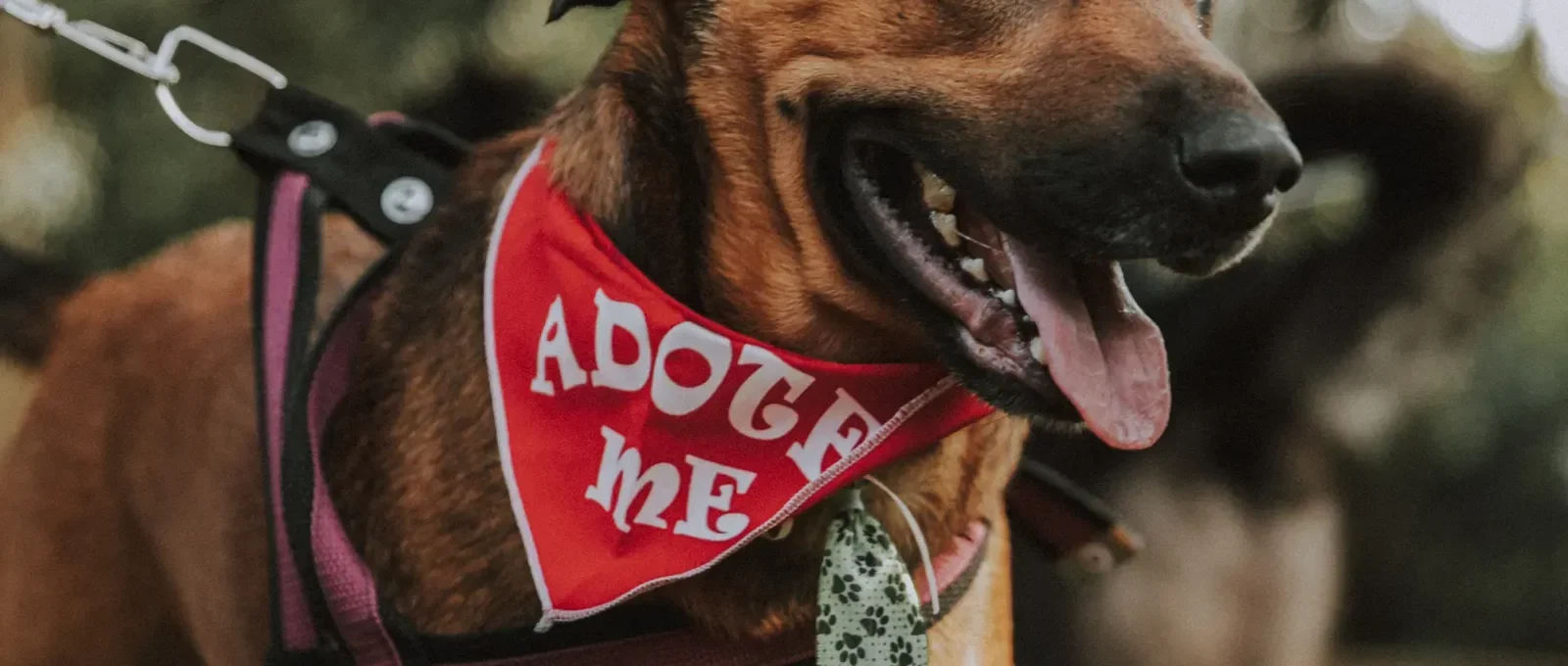

Congratulations — you just adopted a rescue dog. Between the supply run, the first-night jitters, and the vet appointment you’re about to book, here’s one thing that belongs at the very top of the list: pet insurance for rescue dogs needs to be set up immediately, because the order you do things in can permanently change what your policy covers.
Rescue dogs are absolutely eligible for pet insurance — insurers don’t require breed papers, a known birthdate, or a full medical history to issue a policy, per Spot Pet Insurance’s adopter guide. But unknown histories cut both ways: any undocumented health issue from before adoption can surface later and be treated as a pre-existing condition. Timing is everything.
Petsofweb is reader-supported. When you buy through links on our site, we may earn an affiliate commission — it never changes what you pay.
Why Rescue Dogs Need Insurance Fast
Shelter dogs arrive with question marks. That limp could be nothing — or the first sign of a cruciate issue. The itchy skin could be shelter stress — or chronic allergies. The cough going around the kennel could be mild kennel cough — or the start of something that needs real treatment.
Here’s the trap, spelled out clearly by rescue-insurance guides: if a symptom gets documented at your first vet visit before your coverage is active, the insurer can permanently exclude that condition and anything related to it. The limp noted on day 3 becomes a pre-existing orthopedic exclusion for life. Enroll first, and the same finding lands inside your waiting period — a very different outcome.
This isn’t about gaming the system. It’s about the fact that insurance covers the unknown future, and with a rescue, the line between “before” and “after” is adoption day.

The 5-Step Adopter’s Checklist
1. Get Quotes Before Adoption Day (If You Can)
Many insurers let you compare plans and start a policy the same day you bring your dog home. Having a shortlist ready means you can enroll within hours of signing the adoption papers instead of spending a week “getting around to it.” Compare pet insurance plans in advance so adoption day is just a click.
2. Enroll Before or Immediately After Your First Vet Visit
This is the single highest-leverage decision. Per Spot’s guide, enrolling before the first exam means any findings from that visit are more likely to fall inside your waiting period rather than before coverage existed. Same-day-as-adoption enrollment is the gold standard; the day after is fine. A week later is where risk starts creeping in.
3. Collect Every Record the Shelter Has
Ask the shelter or rescue for everything: vaccination dates, intake exam notes, spay/neuter records, any treatment given while in their care, and behavioral notes. Hand copies to your vet and keep your own file. These records do double duty — they establish what was known at adoption, and they protect you if an insurer later questions when a condition appeared.
One caution from adopter guides: use the shelter’s age and breed estimates on your application. Don’t guess or alter data — misrepresentation on an application can void coverage.
4. Book a Vet Exam Within the First Week
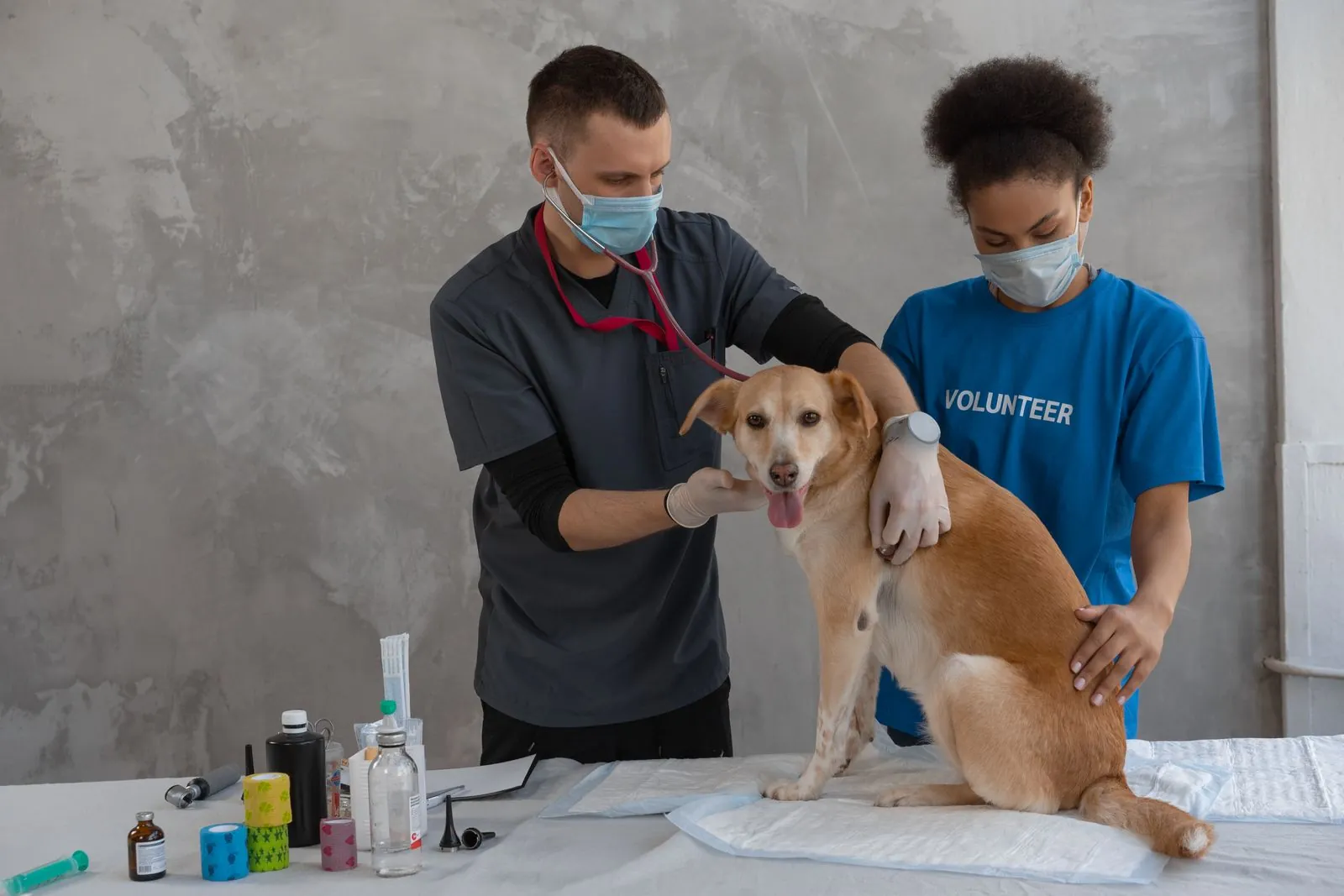
That first-week exam creates your baseline record: a clean bill of health, or a clearly dated new diagnosis. Either way, it anchors the timeline that determines what’s pre-existing and what isn’t. Most insurers also require or strongly prefer a recent wellness exam on file. Note the tension here: you want the exam soon for health reasons, but understand that anything found before your waiting periods end won’t be covered — that’s the trade-off to manage, not avoid.
5. Read the Pre-Existing Condition Definition Before You Sign
“Pre-existing condition” sounds simple, but insurers define it differently — some look back 12 months, some 18, some at the pet’s lifetime. For a rescue with an unknown history, the definition matters enormously. Our pre-existing conditions guide breaks down exactly how insurers apply it.

Waiting Periods and Rescue Dogs
Standard waiting periods still apply to adopted dogs: commonly around 14–15 days for illnesses and shorter (sometimes just a few days) for accidents. Anything diagnosed during the waiting period isn’t covered.
There are exceptions worth knowing about. Fetch Pet Insurance, for example, waives the illness waiting period (normally 15 days) for newly adopted pets from its participating shelter partners, and covers seven common shelter conditions — ear mites, upper respiratory infection, kennel cough, feline herpes, conjunctivitis, ringworm, and puppy pyoderma — from day one. Fetch also covers curable pre-existing conditions (things fully resolved with no recurrence, like UTIs or bite wounds) once the pet goes a policy year symptom-free.
Not every insurer offers shelter partnerships, so ask directly: “Do you have any shelter or rescue partnership that waives or shortens waiting periods?” The answer varies, and it’s worth shopping on.
The Pre-Existing Condition Reality for Rescues
Let’s be honest about the hard part. A rescue dog’s unknown history means some conditions will be excluded as pre-existing — arthritis in a senior rescue, a heart murmur noted on the intake exam, chronic skin issues documented at the shelter. No insurer covers everything from day one.
But “some exclusions” is not “no coverage.” Everything new that happens after your waiting periods — the swallowed sock, the torn cruciate on a hike, the cancer diagnosis at age nine — is covered normally. And curable pre-existing conditions can become covered after a symptom-free period with many insurers. The math still works: typical premiums are modest compared to a single $3,000–$7,000 emergency surgery.
One more nuance: some guides note that AKC Pet Insurance offers a path to covering even incurable pre-existing conditions after a waiting period — worth investigating if your rescue arrives with a known chronic issue.
Special Case: Senior Rescue Dogs
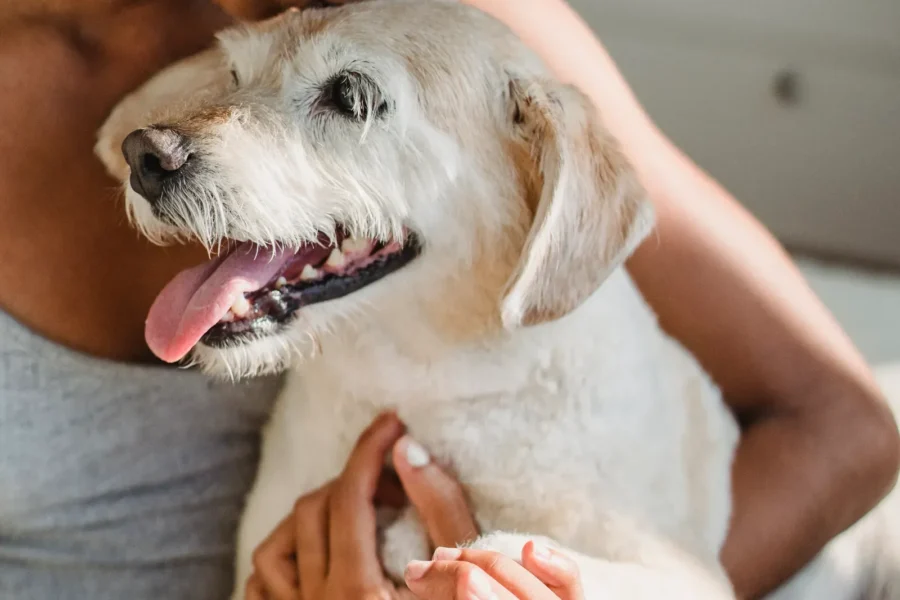
Adopting a senior is wonderful — and it’s where insurance timing matters most. Senior rescues almost always arrive with something in their record (dental disease, arthritis, a murmur), which means more exclusions but also higher stakes: older dogs are far more likely to need a $4,000+ surgery or cancer treatment. Enroll immediately anyway. The exclusions will be what they are, but every new condition from enrollment day forward is covered — and with a senior, “new conditions” arrive fast. Consider a lower deductible here; you’ll likely clear it.
What About the Shelter’s Free Trial?
Many shelters hand you a 30-day complimentary insurance trial at adoption. Take it — free coverage is free coverage — but read the terms. Trial coverage is usually limited, and the transition to a paid policy afterward may restart waiting periods. Use the trial as a bridge while you shop for your permanent plan, not as a reason to delay enrolling.
Costs: What to Expect
Rescue dogs are typically young-adult mixed breeds — the cheapest demographic to insure. Expect roughly $30–$60/month for a comprehensive accident-and-illness plan for a medium mixed-breed dog, varying by your zip code, chosen deductible, and reimbursement rate. Senior rescues cost more, sometimes substantially. Our “is pet insurance worth it” analysis runs the full cost-benefit math.
The Bottom Line
Yes, rescue dogs can get pet insurance — same eligibility, same plans as any other dog. The adopter’s edge is timing: enroll on adoption day, collect every shelter record, get the baseline vet exam within the first week, and understand your policy’s pre-existing condition definition before you sign. Do those four things and your rescue gets the same protection as a $3,000 puppy — which, given the unknowns in a shelter dog’s history, is exactly when insurance matters most.

Leave a Comment