
Here’s something most new guinea pig owners don’t realize: your guinea pig has the same nutritional quirk as you. Like humans and other primates, guinea pigs cannot manufacture vitamin C inside their bodies. They lack the enzyme (gulonolactone oxidase) that most mammals use to synthesize it — so every milligram has to come from food or supplements, every single day. Miss it for long enough and they develop scurvy, the same disease that plagued sailors centuries ago.
The good news: preventing it is straightforward once you know the numbers. This guide covers exactly how much vitamin C guinea pigs need, the deficiency signs to watch for, which foods deliver it best, and when a supplement makes sense.
The short answer: how much vitamin C do guinea pigs need?
| Guinea pig | Daily vitamin C |
|---|---|
| Healthy adult | 10–30 mg |
| Pregnant or nursing | 30–50 mg |
| Growing babies | 20–30 mg |
| Sick or recovering | 30–50 mg |
Veterinary sources put the general range at 10–50 mg per day depending on age and health. A healthy adult eating a proper daily veggie mix usually lands in the 10–30 mg zone from food alone.
Why guinea pigs can’t make their own
Most mammals convert glucose into ascorbic acid in the liver using the enzyme L-gulonolactone oxidase. Guinea pigs, humans, other primates, and a few bats and birds lost the working gene for this enzyme through evolution.
Scurvy: the signs most owners miss
Scurvy develops over 2–3 months of inadequate intake. Early signs:
- Reluctance to move or limping — swollen, painful joints
- Rough, thinning coat — hair loss and bald patches
- Swollen or bleeding gums
- Lethargy and weakness
- Loss of appetite and weight loss
- Wounds that won’t heal

The best food sources (diet first, always)
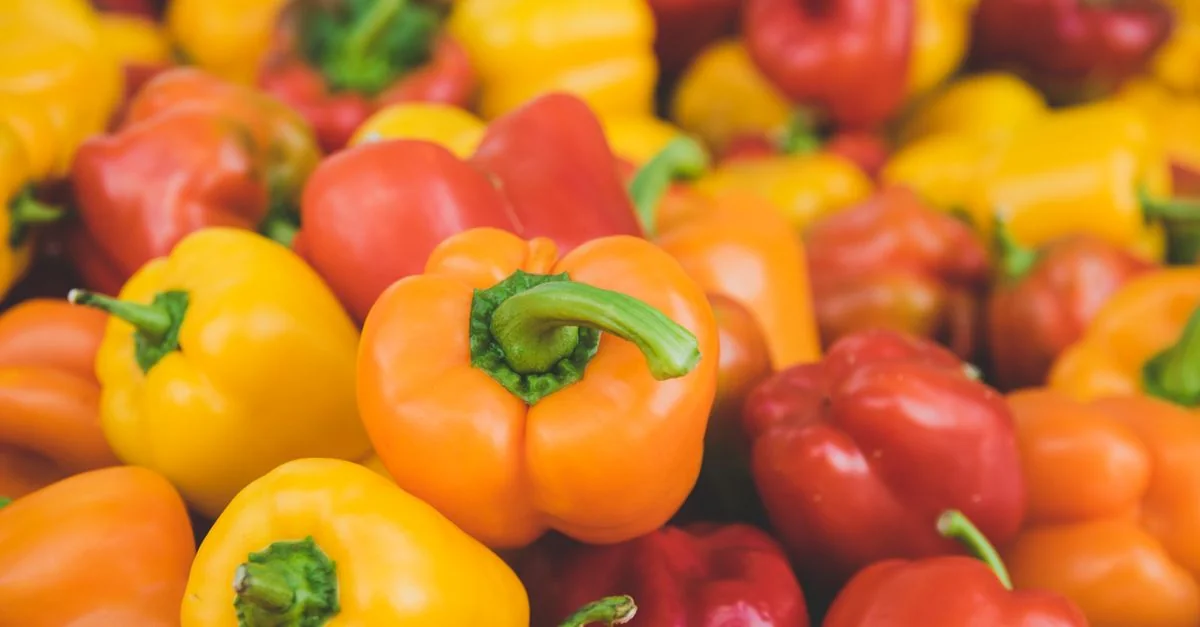
- Bell peppers (red, yellow, orange, green) — the single best daily source
- Kale — excellent vitamin C, feed regularly but rotate
- Parsley (flat-leaf) — very high in vitamin C
- Broccoli — high in vitamin C; feed in moderation
- Cilantro/coriander — good vitamin C, most pigs love it
- Dandelion greens — excellent, pesticide-free only
And don’t forget what everything else sits on: unlimited grass hay, which should make up roughly 80% of your pig’s daily diet.
When food isn’t enough: who actually needs a supplement?
- Picky eaters who refuse bell peppers and leafy greens
- Pregnant or nursing sows
- Sick, stressed, or post-surgery pigs
- Pigs recovering from scurvy
- Winter months when produce quality dips
Petsofweb is reader-supported. When you buy through links on our site, we may earn an affiliate commission.
Choosing a supplement (and the water-bottle trap)
Tablets/chews formulated for guinea pigs are the gold standard. The Oxbow Natural Science Vitamin C is the community staple.
What to avoid: vitamin C drops in the water bottle. Vitamin C breaks down within hours in water exposed to light.
Frequently asked questions
Do guinea pigs need vitamin C supplements every day?
Not necessarily — a healthy adult eating fresh bell peppers and leafy greens daily usually gets enough from food. But a daily stabilized tablet is cheap insurance.
How do I know if my guinea pig has scurvy?
Watch for the cluster: reluctance to move or limping, swollen joints, rough/thinning coat, bleeding gums, lethargy, and weight loss.
Can I put vitamin C drops in my guinea pig’s water?
No. Vitamin C degrades within hours in water exposed to light.
Which vegetables have the most vitamin C for guinea pigs?
Red and yellow bell peppers top the list, followed by parsley, kale, broccoli, and cilantro.
The bottom line
Guinea pigs need 10–50 mg of vitamin C daily and can’t make a single milligram themselves. A generous daily serving of fresh bell peppers and leafy greens covers most healthy adults — but a daily stabilized tablet is the smart backup.
This guide is for general information only and isn’t a substitute for veterinary advice.