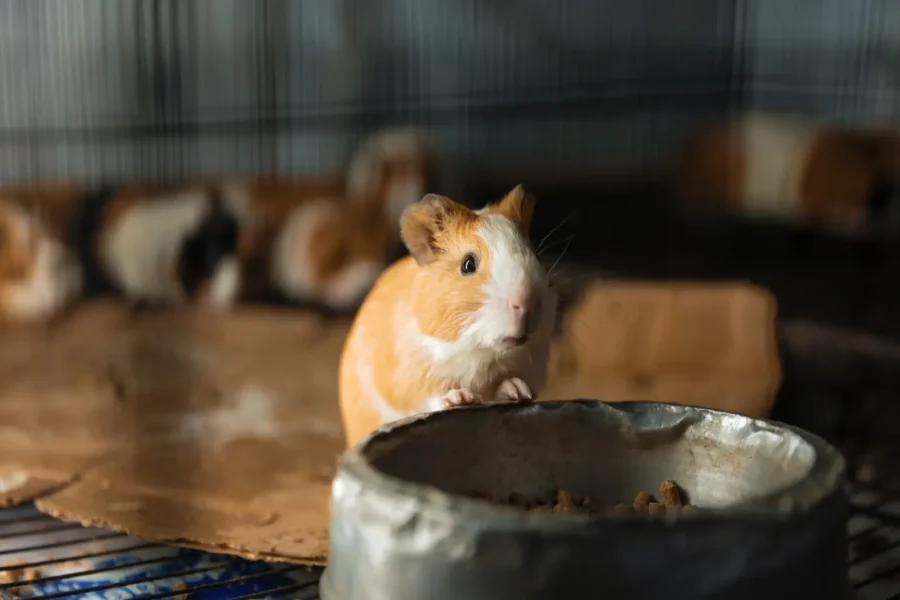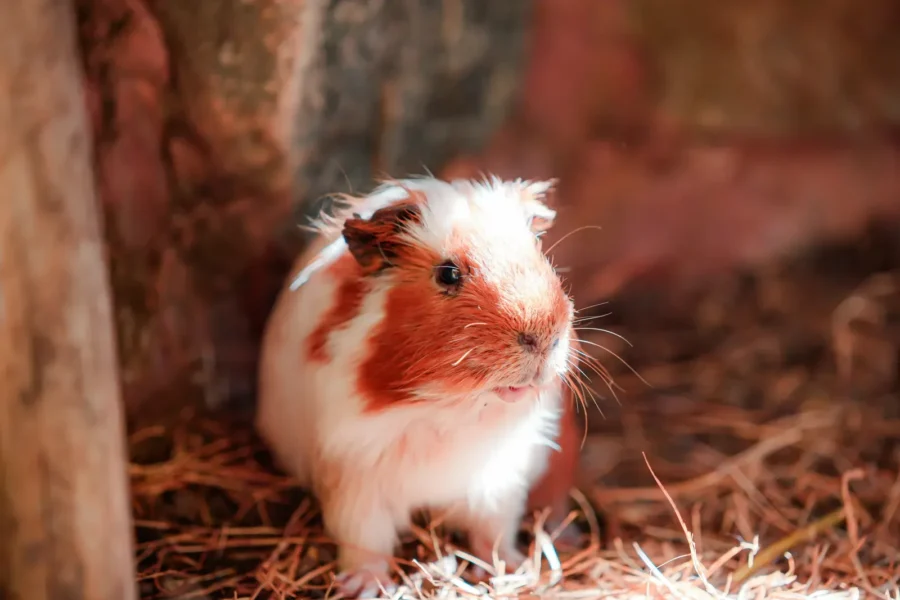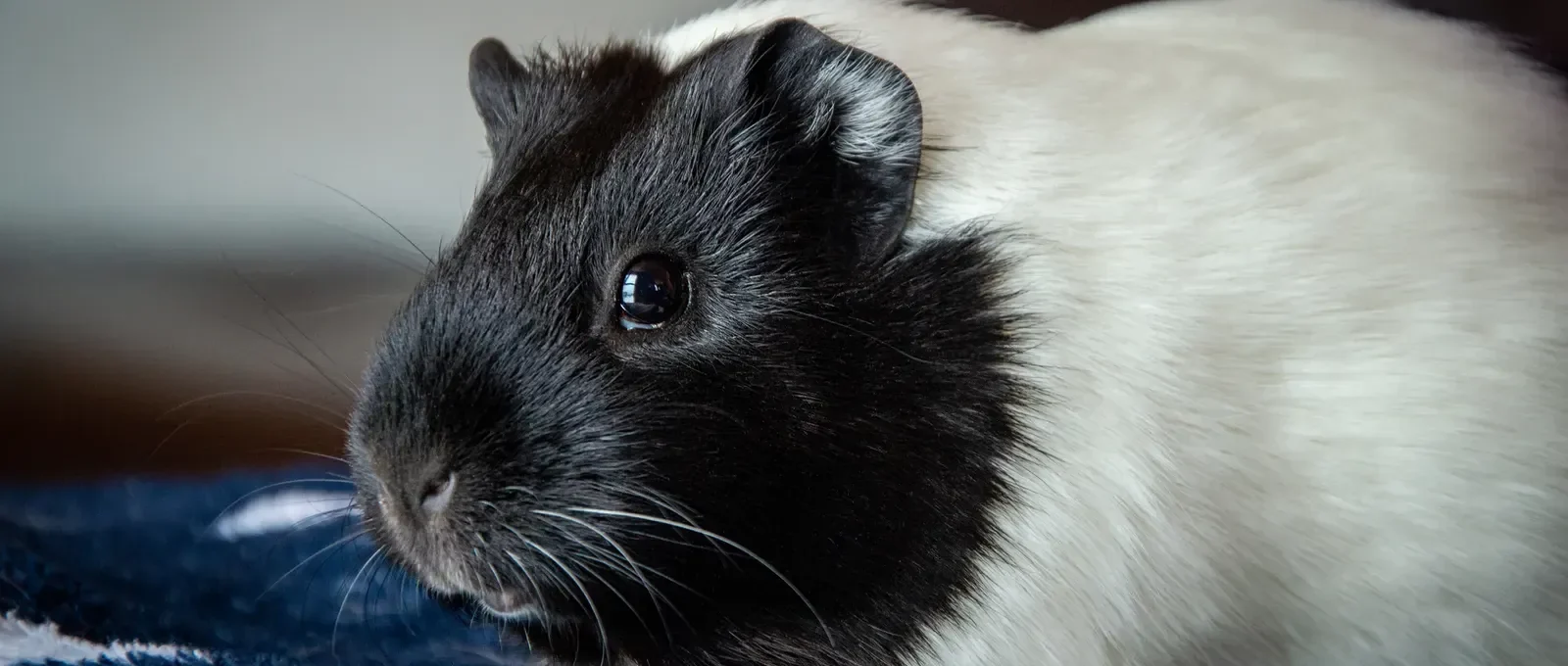

A single tiny sneeze from a guinea pig is undeniably cute — a quick little choo from a two-pound ball of fluff. Most of the time, that’s all it is: a perfectly normal reflex clearing a bit of dust from tiny nostrils.
But if you’ve been wondering why is my guinea pig sneezing more than once in a while, you’re asking exactly the right question. When sneezing becomes frequent or persistent, it’s one of the earliest and most important warning signs that something is wrong. Here’s the complication: guinea pigs are prey animals, and prey animals are hardwired to hide illness. By the time a guinea pig looks obviously sick, the problem is often already advanced — and respiratory infections in guinea pigs can escalate from “a bit sniffly” to life-threatening in a matter of days, sometimes faster.
So how do you tell the difference between a harmless sneeze and one that means the vet? This guide answers the question “why is my guinea pig sneezing?” with the six most common causes — from dusty hay to genuine emergencies — the simple sneeze-count rule exotic vets recommend, the warning signs that mean “go now,” and the environment fixes to try first.
Normal vs. worrying: why is my guinea pig sneezing? The sneeze-count rule
Let’s start with the reassuring news: occasional sneezing is completely normal in guinea pigs. A pig that sneezes once or twice while burrowing face-first into a fresh pile of hay, or lets out a single sneeze after sniffing something dusty, is just clearing its nose. That’s a healthy reflex doing exactly what it evolved to do.
The rule of thumb most exotics veterinarians recommend is the sneeze-count rule:
- Normal: one or two sneezes around an obvious trigger — fresh hay, a dusty corner of the cage, a quick sniff of something new.
- Watch closely: three to four sneezes a day, or sneezing that keeps happening at the same times each day.
- Not normal: more than five or six sneezes in an hour, or sneezing that persists day after day even at a low rate.
Just as important as the count is the company the sneezing keeps. Sneezing plus any one of the following symptoms means your guinea pig needs a veterinarian immediately — not tomorrow, today:
- A runny, crusty, or discolored nose
- Watery, crusty, or swollen eyes
- Wheezing, crackling, clicking, or labored breathing
- Lethargy — sitting hunched, fluffed up, or reluctant to move
- Loss of appetite or weight loss
- A head tilt or discharge from the ears
If the sneezing is frequent but your pig is otherwise bright, eating, and active with clear eyes and a dry nose, the cause is most likely environmental — and the fixes below usually solve it within a day or two.
1. Dusty hay (the most common harmless cause)
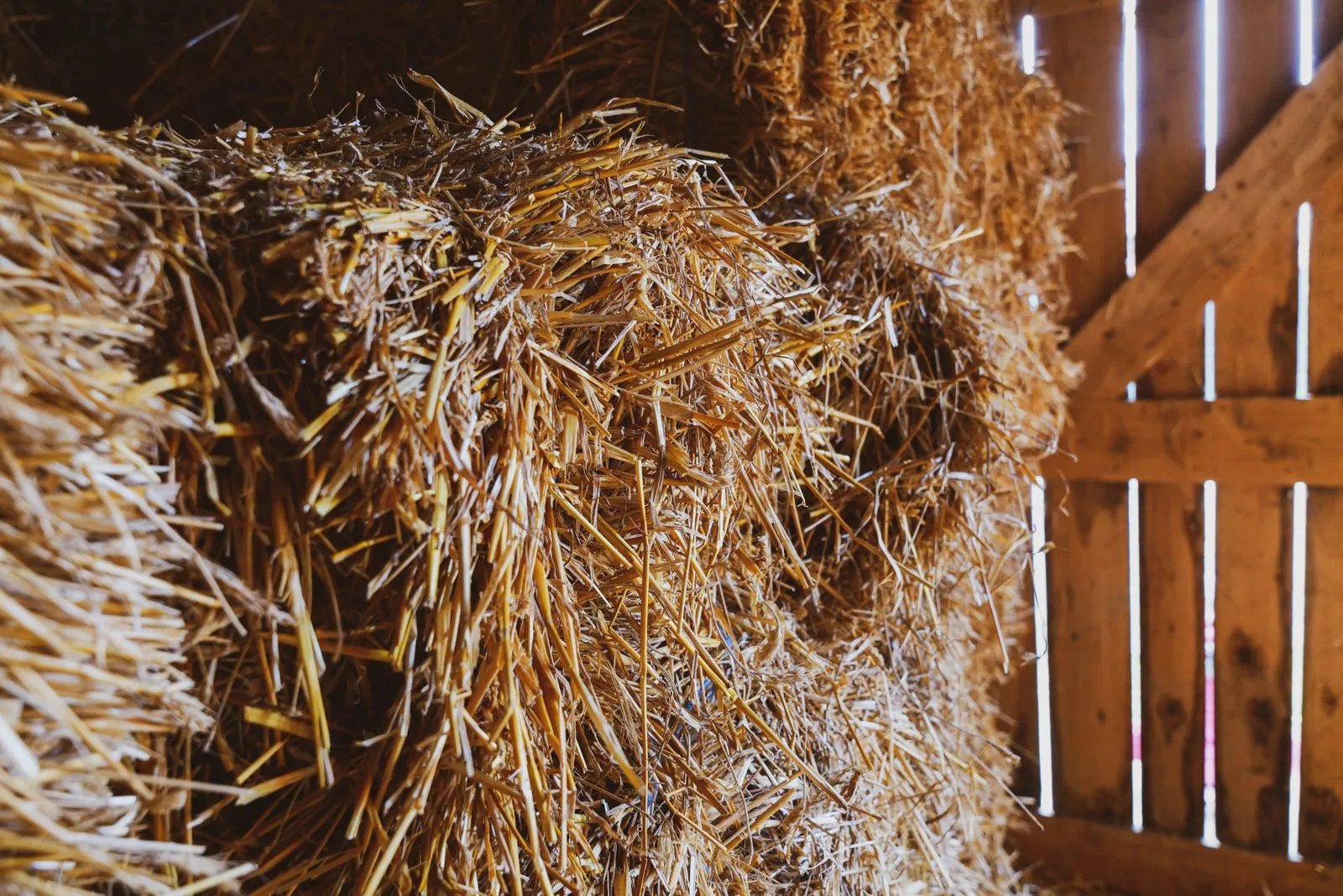
If your guinea pig sneezes mostly around feeding time — right when you top up the hay rack, or just after you’ve dropped in a fresh handful — dust is almost certainly the culprit. Hay is dusty by nature, and every time your pig dives nose-first into the pile (as guinea pigs enthusiastically do), it inhales a small cloud of fine particles. The result: a sneeze or two. So if you’re asking why is my guinea pig sneezing mostly around mealtimes, dust is the first suspect — and fortunately, it’s also the easiest to fix.
Start by giving the hay a good shake outdoors before serving it — you’ll be surprised how much dust falls out of an apparently clean handful. Store hay in a dry, breathable bag or cardboard box rather than a sealed plastic bag, which traps moisture and encourages mold (moldy hay is a far bigger problem than dusty hay, so discard any hay that smells musty). If one particular bag or brand is consistently dusty, try switching — hay quality varies enormously between cuts and suppliers. Second-cut timothy hay tends to be softer, leafier, and less dusty than coarse first-cut, and many pigs prefer it anyway.
It also pays to feed good-quality hay from a reputable source: cheap, brown, stalky hay is dustier, less nutritious, and less appealing, which means your pig eats less of the fiber its digestion depends on. A hay rack or hay bag (rather than piling hay on the cage floor where it gets trampled into dust) also keeps things cleaner. If the sneezing stops within a day of switching to fresher, less dusty hay, you’ve found your answer.
2. Dusty or aromatic bedding
If the sneezing happens throughout the day rather than just around hay time, look down: the bedding may be the problem. Wood shavings are the classic offender — especially pine and cedar, which release aromatic compounds called phenols. Those phenols smell “fresh” to us, but to a guinea pig’s sensitive respiratory system they’re a constant irritant. Research has even linked phenol exposure to liver stress in small rodents, so this isn’t just about sneezing.
Even kiln-dried pine, often marketed as safe, can still be dusty enough to bother sensitive pigs. And any shavings — including aspen — generate dust when your pig burrows, popcorns, and rearranges its bedroom for the tenth time that day. Signs that bedding is the issue: sneezing that happens all day long, sneezing that started right after a bedding change, or a pig that sneezes most when it’s been burrowing.
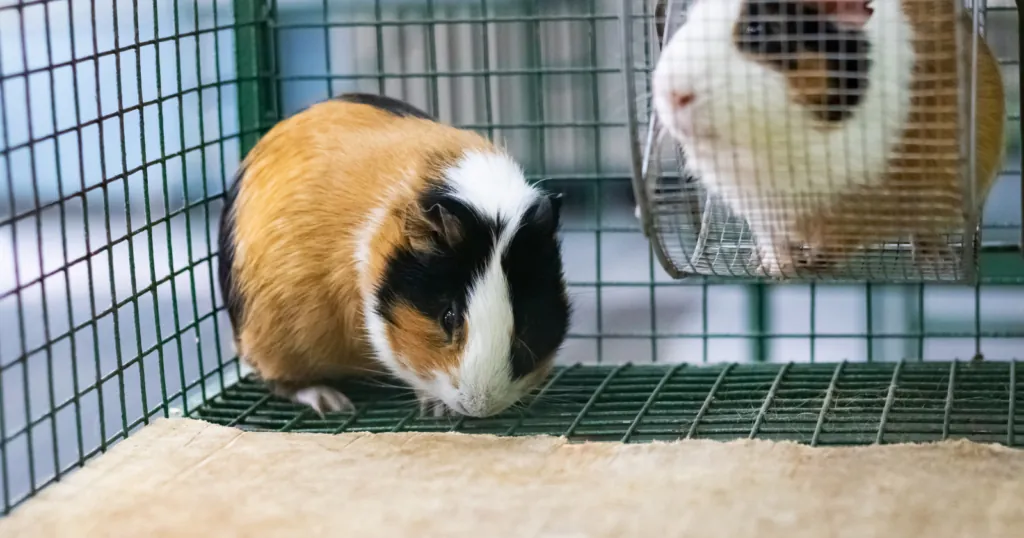
The fix is straightforward: switch to fleece liners or paper-based bedding. Fleece is the most popular choice among experienced owners — it’s virtually dust-free, soft on feet (reducing the risk of bumblefoot), and washable, which makes it economical over time. Paper bedding is another good low-dust option. Whichever you choose, spot-clean daily and do a full change at least weekly; ammonia buildup from urine is itself a respiratory irritant. Getting the proper cage setup right — adequate size, good ventilation, and clean low-dust bedding — prevents a remarkable number of health problems beyond sneezing.
3. Upper respiratory infection (the dangerous one)
This is the cause that matters most, so read this section carefully. Bacterial upper respiratory infections (URIs) — most commonly caused by Bordetella bronchiseptica and Streptococcus pneumoniae — are the leading cause of serious illness and death in pet guinea pigs. A URI often begins with sneezing that looks completely innocent, then escalates over days: the nose starts to run, the eyes get crusty, breathing becomes noisy, and the pig becomes lethargic and stops eating.
The critical distinction: sneezing PLUS any other symptom equals a veterinary emergency. If you’re asking why is my guinea pig sneezing and there’s discharge, crusty eyes, or noisy breathing involved, the answer is always the same: vet, now — not tomorrow. Guinea pigs deteriorate with frightening speed once a respiratory infection takes hold, and what looks like “just a cold” on Monday can be pneumonia by the weekend.
There is no home fix for a bacterial URI. Your pig needs prescription antibiotics from a vet experienced with exotic pets — never use leftover antibiotics, human medicines, or antibiotics prescribed for another animal, as many common antibiotics are toxic to guinea pigs. While you arrange the vet visit, keep your pig warm, offer favorite foods to encourage eating (a guinea pig that stops eating is in crisis — its digestive system must keep moving), and separate the sick pig from cagemates in a separate enclosure nearby to reduce the chance of spread. Note that dogs and rabbits can carry Bordetella without symptoms and pass it to guinea pigs, so always wash your hands between handling different pets.
4. Drafts and cold air
Guinea pigs are surprisingly sensitive to cold and drafts. A cage parked next to a window, under an air-conditioning vent, beside an exterior door, or in a chilly hallway can trigger sneezing — and beyond the direct irritation, chill suppresses the immune system, making your pig more vulnerable to the infections described above. If the sneezing started when the weather turned cold, or the cage sits in a breezy spot, drafts are a prime suspect.
The fix is simple: move the cage to a draft-free location away from windows, vents, and doors, and keep the room between 65°F and 75°F (18–24°C). Below 65°F is too cold for guinea pigs, especially babies, seniors, or pigs that are already unwell. A small thermometer near the cage takes the guesswork out. A partial cage cover at night can help hold warmth, but never seal the cage — guinea pigs need good airflow, and trapped ammonia from urine is worse than a mild draft. The goal is still, warm air: no wind tunnels, no stuffy boxes.
5. Scented products
Guinea pigs have far more sensitive airways than we do, and the modern scented home is full of irritants: air fresheners, plug-ins, scented candles, essential oil diffusers, perfumes, hairspray, and strong cleaning products can all trigger sneezing fits. Even scented laundry detergent or fabric softener on fleece liners leaves a residue your pig breathes in all day, every day.
The rule near the cage is “unscented everything.” Move candles, diffusers, and plug-in fresheners out of the room entirely — not just away from the cage. Clean the cage with diluted white vinegar or a cleaner made for small pets, and rinse well. Wash fleece liners with a free-and-clear, fragrance-free detergent and skip the dryer sheets. If someone in the household wears strong perfume or cologne, ask them to let it dry down before handling the pigs. Many owners are amazed how quickly chronic low-level sneezing disappears once the air around the cage is clean.
6. Vitamin C deficiency
Guinea pigs share one unusual trait with humans: they can’t manufacture their own vitamin C, so they depend entirely on their diet for it. A deficiency doesn’t directly cause sneezing, but it weakens the immune system — making respiratory infections more likely, more severe, and slower to heal. In a pig that’s already fighting off a mild irritation, low vitamin C can be the difference between a passing sniffle and a full-blown URI.
Watch for the broader signs of deficiency: a rough or dull coat, lethargy, reluctance to move, swollen or painful joints, and slow wound healing. Prevention is dietary: offer fresh vitamin-C-rich vegetables daily — bell peppers (any color, though green is lowest in sugar), leafy greens, and small amounts of broccoli or kale. Don’t rely on vitamin C drops in the water bottle: the vitamin degrades within hours in water and light, changes the water’s taste (so pigs drink less), and makes dosing a guess. Fresh food is the reliable route, and a pig with a strong immune system is far better equipped to live longer and healthier.
When to see the vet
Here’s the bottom line, because with guinea pigs, hesitation can be costly:
- Call an exotics vet immediately if sneezing comes with any nasal discharge, crusty or watery eyes, wheezing or labored breathing, lethargy, hunched posture, or loss of appetite.
- Monitor closely for 24 hours if your pig is sneezing but otherwise completely normal — bright, active, eating well, clear eyes, dry nose. Use that time to fix the environment: shake out the hay, check the bedding, move the cage away from drafts, and remove scented products.
- Go to the vet if environmental fixes don’t help within a day or two, or if sneezing is frequent (five or more sneezes an hour) even without other symptoms. Persistent sneezing is never “just how they are.”
Remember: guinea pigs hide illness as a survival instinct, so by the time symptoms are obvious, the condition is often advanced. Trust the sneeze-count rule, trust your instincts, and when in doubt, make the call. If environmental fixes haven’t answered the question of why is my guinea pig sneezing within a day or two, treat it as medical and get your pig examined. An unnecessary vet visit costs a little money; a delayed one can cost your pig’s life.
How many times a day is normal for a guinea pig to sneeze?
Once or twice occasionally — especially around fresh hay — is normal. More than 2–4 sneezes a day is worth watching, and more than 5–6 sneezes in an hour usually means illness rather than dust.
Can guinea pigs have allergies like humans?
Not really in the human sense. True allergies are rare in guinea pigs — what looks like an allergy is almost always dust, bedding phenols, scents, or an infection. If removing irritants doesn’t stop the sneezing within a day or two, treat it as medical.
Can a guinea pig catch a cold from me?
Human colds don’t transfer to guinea pigs, but bacterial infections can go the other way between species — dogs and rabbits in particular carry Bordetella that can infect guinea pigs. Always wash your hands between handling different pets.
Is sneezing contagious between my guinea pigs?
If the cause is environmental (dust, bedding, scents), no. If it’s a bacterial URI, yes — separate the sick pig from cagemates (same room, separate enclosure) until the vet rules out infection.
This article is for informational purposes only and is not a substitute for veterinary advice. If your guinea pig shows signs of illness, consult an exotics veterinarian promptly.