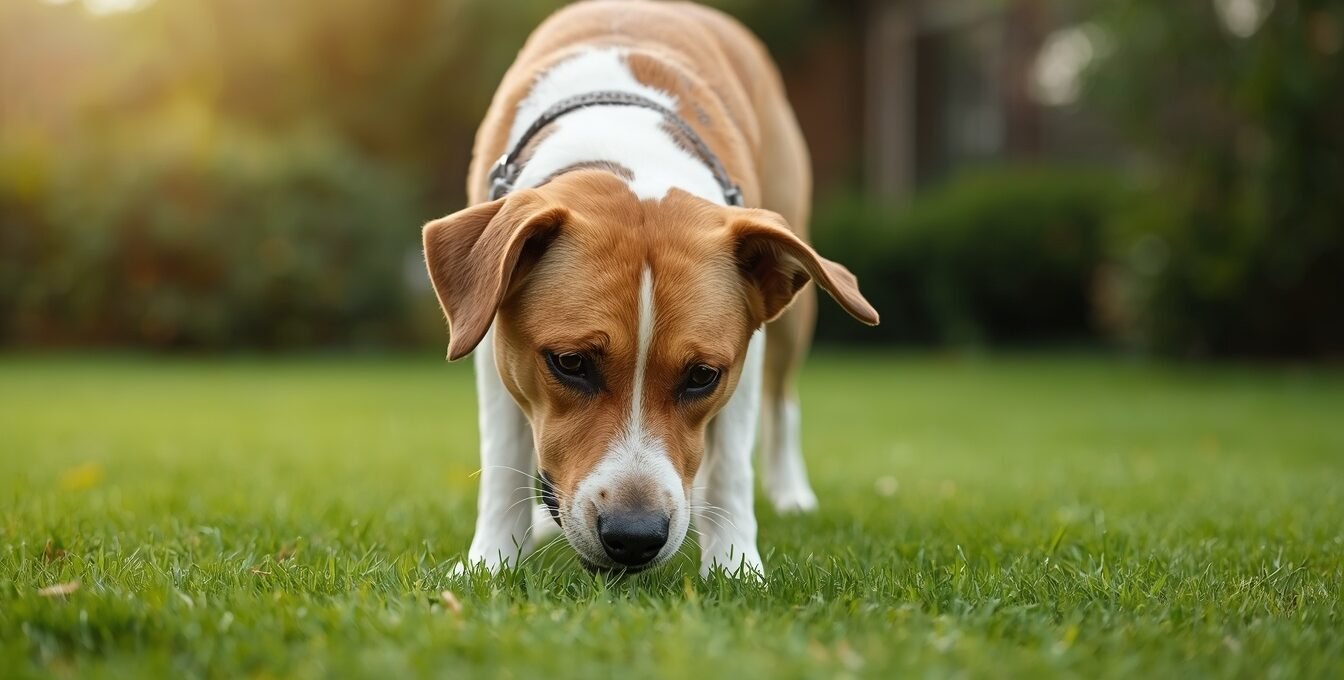

If you’ve ever caught your dog eating grass during a walk or in the backyard, you may have wondered why.
Why is my dog eating grass?
The short answer is that there isn’t always one clear reason. Many dogs eat grass occasionally and otherwise remain completely healthy. Grass eating can be part of normal behavior, but sometimes it can happen alongside stomach upset or other health concerns.
So, should you be worried?
Usually, the behavior itself isn’t enough to tell you that something is wrong. What matters is how often your dog eats grass and whether there are other symptoms.
Here are nine possible reasons.
1. It May Simply Be Normal Behavior
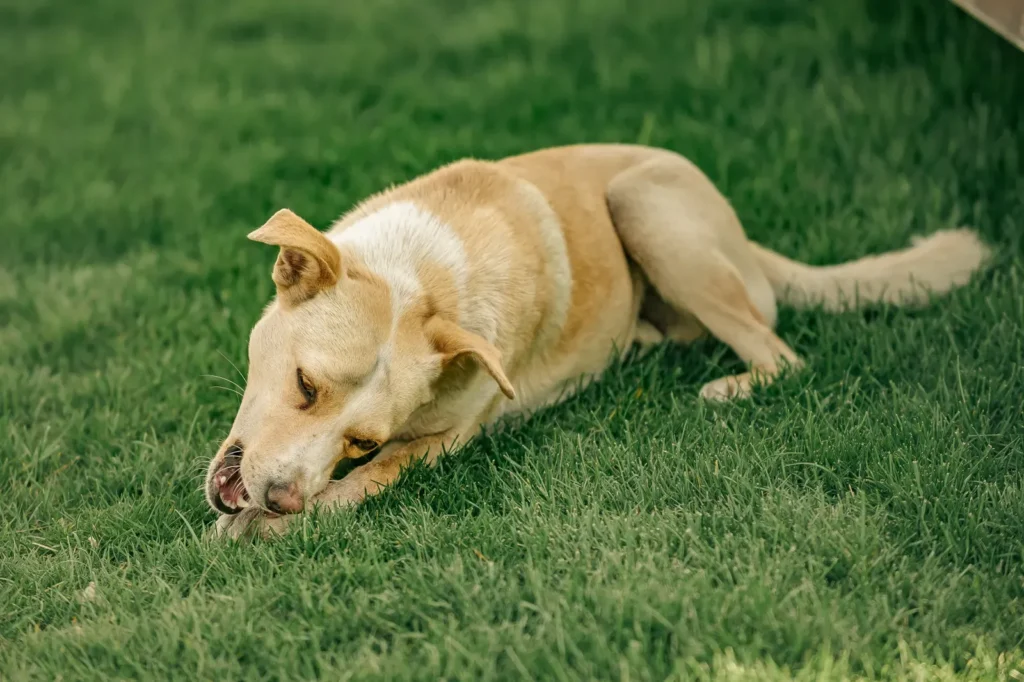
Some dogs eat grass simply because they enjoy it.
Grass is an easily accessible plant material, and eating it can be part of a dog’s normal exploratory or foraging behavior. Veterinary sources note that grass eating is common among dogs and doesn’t necessarily indicate illness.
If your dog occasionally eats grass and otherwise:
- Eats normally
- Has normal energy
- Maintains a healthy weight
- Has normal bowel movements
- Shows no other concerning symptoms
the behavior may not be a problem.
2. Your Dog May Like the Taste or Texture
Dogs explore the world with their mouths.
Some dogs may simply enjoy the taste, smell, or texture of fresh grass. Individual preferences can vary, just as they do with toys, treats, and other things dogs encounter outdoors.
If your dog calmly grazes on grass from time to time without becoming sick, the behavior may simply be a preference.
3. Your Dog May Be Exploring
Puppies and curious dogs often investigate their surroundings by sniffing and tasting things.
Grass can be interesting because of its smell, texture, moisture, and the scents left behind by other animals.
Occasionally nibbling on grass can therefore be part of normal exploration.
However, you should still pay attention to where your dog is eating it. Grass treated with certain chemicals or contaminated with animal waste can pose risks.

4. Your Dog May Be Looking for More Roughage
Grass contains fiber, although it isn’t necessarily a sign that your dog has a dietary deficiency.
Some researchers have suggested that plant eating may have nutritional or digestive motivations, but the exact reason individual dogs eat grass isn’t fully understood.
If your dog regularly seeks out large amounts of grass, mention the behavior to your veterinarian rather than assuming that your dog needs more fiber.
5. Mild Stomach Upset May Be Involved
Some dogs may eat grass when they have mild digestive discomfort.
However, an important point is that grass eating does not automatically mean your dog has an upset stomach.
Research and veterinary guidance suggest that vomiting after eating grass is not as common as the popular belief that dogs deliberately eat grass to make themselves vomit.
If your dog is eating grass and also showing signs such as repeated vomiting, diarrhea, loss of appetite, or unusual tiredness, the other symptoms are more important than the grass eating itself. Learn more in our guide to dog vomiting.
6. Your Dog May Be Bored
Some dogs eat grass simply because they don’t have much else to do.
This can be more noticeable in dogs that spend a lot of time outside without enough physical activity, play, training, or mental stimulation.
Providing regular:
- Walks
- Play sessions
- Training
- Interactive toys
- Mental enrichment
can help give your dog more appropriate ways to spend their time.
If grass eating continues despite adequate enrichment, your veterinarian can help you determine whether something else may be contributing.
7. Your Dog May Be Anxious or Stressed
Stress can affect dogs in many different ways.
Some dogs may develop repetitive or unusual behaviors when they are anxious. If grass eating happens mainly during stressful situations, it may be useful to look for a pattern.
For example, does your dog start eating grass when:
- There are loud noises?
- New people arrive?
- You’re leaving the house?
- Your dog encounters unfamiliar dogs?
- The environment changes?
Grass eating alone cannot diagnose anxiety, but a clear connection between the behavior and stressful situations is worth discussing with a veterinarian or qualified behavior professional. Anxiety can affect dogs in other ways too — learn why dogs pant at night.
8. Your Dog May Simply Have Developed a Habit
Sometimes a behavior becomes a routine.
A dog may discover that eating grass is interesting or rewarding and continue doing it even when there is no obvious reason.
If your dog has been doing it for years and remains healthy, the behavior may simply be part of their individual routine.
Still, make sure the grass is coming from a safe environment.
9. Another Health Problem Could Be Present
Although occasional grass eating can be normal, a sudden increase in grass eating accompanied by other symptoms deserves attention.
Potential warning signs include:
- Repeated vomiting
- Persistent diarrhea
- Loss of appetite
- Significant weight loss
- Marked tiredness
- Abdominal discomfort
- Changes in normal behavior
- Difficulty breathing
- Blood in vomit or stool
Grass eating itself doesn’t tell you what condition a dog may have.
If your dog is showing several of these symptoms, contact a veterinarian for an appropriate evaluation.
Why Is My Dog Eating Grass and Vomiting?
This is one of the most common questions about grass eating.
Many people assume that dogs eat grass because they feel sick and want to vomit.
But that isn’t necessarily true.
Research has found that vomiting after grass eating is relatively uncommon, and many dogs that eat grass don’t vomit afterward.
So if your dog eats grass and then vomits, don’t automatically assume the grass caused the vomiting or that your dog intentionally ate it to make themselves sick.
If vomiting happens repeatedly, or your dog also has other symptoms, contact your veterinarian.
Is It Normal for Dogs to Eat Grass?
For many dogs, occasional grass eating can be normal.
The behavior becomes more concerning when it is:
- Sudden and excessive
- Accompanied by repeated vomiting
- Accompanied by diarrhea
- Associated with loss of appetite
- Accompanied by unusual lethargy
- Happening along with other major behavioral changes
The overall health and behavior of your dog are more useful indicators than grass eating alone.
Should I Stop My Dog From Eating Grass?
You don’t necessarily need to stop every dog from eating every blade of grass.
Instead, focus on where the grass is growing.
Avoid allowing your dog to eat grass that may have been treated with pesticides, herbicides, fertilizers, or other chemicals. Also be cautious around areas contaminated with animal feces.
If you cannot determine whether an area is safe, don’t let your dog graze there.
If your dog repeatedly eats large amounts of grass, talk to your veterinarian.
When Should You Call a Veterinarian?
Contact your veterinarian if grass eating is accompanied by symptoms such as:
- Repeated vomiting
- Persistent diarrhea
- Refusing food
- Significant weight loss
- Severe tiredness
- Abdominal pain
- Blood in vomit or stool
- A major change in normal behavior
You should seek urgent veterinary attention if your dog has severe symptoms, difficulty breathing, collapses, or appears seriously ill.
Don’t try to diagnose the cause based on grass eating alone.
How Can You Reduce Excessive Grass Eating?
If your dog is otherwise healthy but constantly searches for grass, consider looking at their daily routine.
Give your dog enough exercise
Regular walks and appropriate physical activity can reduce boredom and provide opportunities for natural exploration.
Provide mental stimulation
Puzzle toys, training exercises, scent games, and interactive play can give your dog more ways to use their brain.
Supervise outdoor time
If your dog tends to graze heavily, supervise them in the yard and redirect them when necessary.
Check the environment
Make sure the grass your dog has access to hasn’t been treated with potentially harmful chemicals.
Talk to your veterinarian
If the behavior is excessive, sudden, or accompanied by other symptoms, a veterinary examination is the safest way to look for an underlying problem.
Frequently Asked Questions
Why does my dog eat grass?
Dogs may eat grass for several possible reasons, including normal exploratory behavior, taste or texture preferences, habit, or other behavioral and digestive factors. The exact reason isn’t always known.
Why does my dog eat grass and then throw up?
Dogs don’t necessarily eat grass to make themselves vomit. Vomiting after grass eating can happen, but research suggests it isn’t the usual outcome.
Should I worry if my dog eats grass every day?
Daily grass eating isn’t automatically a sign of illness, but frequent or excessive grazing is worth discussing with your veterinarian, particularly if other symptoms are present.
Can puppies eat grass?
Puppies may also investigate and eat grass. The main concern is making sure they aren’t eating grass treated with chemicals or contaminated with animal waste.
Is grass poisonous to dogs?
Grass itself isn’t necessarily poisonous, but the environment where it grows matters. Herbicides, pesticides, fertilizers, and contaminated areas can create risks.
How do I stop my dog from eating grass?
Supervise your dog outdoors, redirect them when necessary, and provide adequate exercise and mental stimulation. If the behavior is excessive or sudden, speak with your veterinarian.
Final Thoughts
If your dog occasionally eats grass, there may be no reason to panic.
Grass eating is relatively common, and many dogs that do it remain perfectly healthy. The behavior doesn’t automatically mean your dog is sick or has a nutritional deficiency.
What matters most is the whole picture.
If your dog is eating normally, behaving normally, and showing no concerning symptoms, occasional grass eating may simply be part of their normal behavior.
But if your dog suddenly starts eating large amounts of grass or develops vomiting, diarrhea, appetite changes, weakness, pain, or other unusual symptoms, contact your veterinarian. Our pet symptoms guide can help you recognize warning signs early.
Important: This article provides general educational information and is not a diagnosis or substitute for veterinary care. If you’re concerned about your dog’s health, consult a qualified veterinarian.