

If you own a German Shepherd, a Maine Coon, a French Bulldog, or any of the dozens of breeds with well-known inherited health risks, this question matters more than almost any other in pet insurance: does pet insurance cover genetic conditions?
The short answer is: often yes — but only if the condition wasn’t pre-existing when you enrolled, and only if your specific policy doesn’t exclude it. Many insurers cover hereditary and congenital conditions on their standard accident-and-illness plans. Others carve out breed-specific exclusions, impose longer waiting periods for orthopedic conditions, or exclude bilateral conditions after one side is treated.
Coverage varies by policy, and the fine print is where genetic conditions live or die. This guide explains what counts as a genetic condition, how insurers draw the lines, which breed-specific exclusions to watch for, and what to look for before you enroll.
Petsofweb is reader-supported. When you buy through links on our site, we may earn an affiliate commission — it never changes what you pay.
Genetic vs. Hereditary vs. Congenital: What the Terms Actually Mean
Insurers, vets, and breeders don’t always use these words the same way, and the distinction matters because policies may treat them differently.
Genetic conditions are caused by abnormalities in a pet’s genes or chromosomes. The term is broad — it covers anything with a genetic component, whether or not it’s inherited from the parents. A spontaneous mutation that appears in one puppy but not its littermates is still genetic.
Hereditary conditions are a subset of genetic conditions: they’re passed from parent to offspring through genes. Hip dysplasia in German Shepherds, hypertrophic cardiomyopathy (HCM) in Maine Coons, and progressive retinal atrophy in many breeds are classic hereditary conditions. When an insurer’s policy says it covers “hereditary conditions,” it generally means conditions known to run in breeds or bloodlines.
Congenital conditions are present at birth, regardless of cause. Some are genetic (a puppy born with a heart defect caused by an inherited mutation); others are not (a birth defect caused by an infection during pregnancy or a difficult delivery). Many policies group congenital and hereditary conditions together in their coverage language — you’ll often see the phrase “hereditary and congenital conditions” as a single covered category.
Why does this matter? Because a policy might cover hereditary conditions but exclude certain congenital ones, or vice versa. When you’re comparing plans, look for the exact wording. “Hereditary and congenital conditions covered” is broader than “hereditary conditions covered,” and both are broader than a policy that doesn’t mention them at all — in which case you should assume the worst and ask the insurer directly.
How Pet Insurers Handle Genetic Conditions
Most comprehensive accident-and-illness plans do cover genetic, hereditary, and congenital conditions — with important caveats. Here’s how the typical policy treats them:
Covered — if not pre-existing
The single biggest factor is timing. If your pet is diagnosed with a genetic condition after your coverage begins (and after any applicable waiting period), most standard plans treat it like any other illness: subject to your deductible, reimbursement rate, and annual limits. A Maine Coon diagnosed with HCM at age three, two years into a policy, would typically be covered.
But if the condition was diagnosed — or showed symptoms — before enrollment, it’s a pre-existing condition and excluded. This is the trap with genetic conditions: many are diagnosable early. Hip dysplasia can show on X-rays in a young dog; a heart murmur suggesting HCM can be heard in a kitten. If your vet noted it before your policy started, the insurer may deny related claims. Our guide to pre-existing condition rules explains how insurers define and document these.
Breed-specific exclusions
Some policies exclude — or limit coverage for — conditions that are common in specific breeds. These are sometimes called breed-specific exclusions or hereditary condition exclusions. Examples you might see:
- Hip dysplasia excluded or capped for large and giant breeds
- Intervertebral disc disease (IVDD) excluded for Dachshunds and other chondrodystrophic breeds
- Brachycephalic airway syndrome excluded for Bulldogs, Pugs, and French Bulldogs
Not all insurers do this, and among those that do, the lists differ. This is one of the highest-value things to check before buying: pull up the sample policy (reputable insurers publish them) and search for your breed or its known conditions.
Bilateral condition exclusions
Many policies treat paired body parts as a single condition. If your dog tears the cruciate ligament in the left knee and the policy pays, then the right knee goes a year later, some insurers classify the second tear as the same pre-existing condition and deny it. This “bilateral exclusion” hits orthopedic genetic conditions especially hard, since hip dysplasia, elbow dysplasia, and cruciate disease so often affect both sides. Look for policies that explicitly cover bilateral conditions as separate occurrences.
Orthopedic waiting periods
Even when genetic orthopedic conditions are covered, many insurers impose extended waiting periods for them — commonly 6 to 12 months for cruciate ligament injuries and sometimes for hip dysplasia, versus the standard 14-day illness waiting period. Some insurers let you shorten or waive the orthopedic waiting period with a vet exam shortly after enrollment. Check the waiting periods section of any policy you’re considering.
Chronic vs. curable
Genetic conditions are usually chronic — they can be managed but not cured. That’s fine under most policies: chronic conditions are covered year after year as long as you maintain continuous coverage. What you want to avoid is a per-condition lifetime cap (increasingly rare, but check) that would cut off a managed condition after a fixed payout.
Breed Examples: What to Watch For
These are some of the most common breed-linked conditions owners ask about. None of this is a coverage guarantee — it illustrates why the policy details matter for your breed.
German Shepherds — hip and elbow dysplasia. The classic example. Dysplasia is hereditary, extremely common in the breed, and treatment (especially total hip replacement) can run into five figures. Because it’s so predictable, it’s also one of the most commonly excluded or capped conditions in breed-specific exclusion lists. If you own a Shepherd, confirm hip dysplasia is covered before enrolling, and note any orthopedic waiting period.
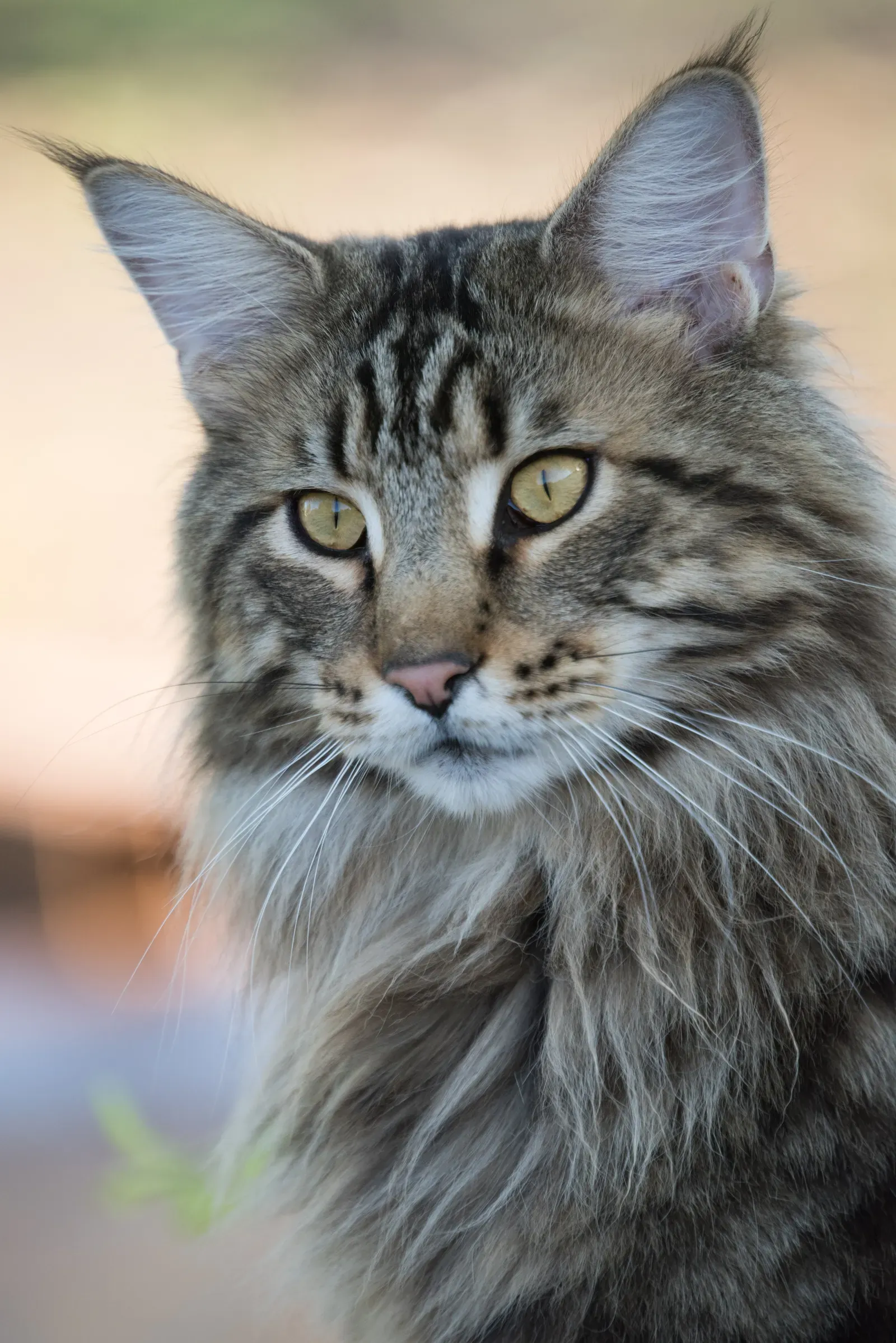
Maine Coons — hypertrophic cardiomyopathy (HCM). HCM is the most common heart disease in cats, and Maine Coons are predisposed — a known gene mutation (MyBPC3) is associated with the condition in the breed. Diagnosis is usually by echocardiogram, and management is lifelong medication and monitoring. It’s typically covered as an illness if diagnosed after enrollment, but a heart murmur noted in a kitten’s first vet visit could make it pre-existing.
French Bulldogs, Pugs, and Bulldogs — brachycephalic obstructive airway syndrome (BOAS). These breeds’ shortened airways cause breathing difficulties that often require surgery. Because the anatomy itself is the breed standard, some insurers classify BOAS treatment as a breed-specific or even cosmetic exclusion. This is one of the most contested coverage areas — read the policy language carefully.

Cavalier King Charles Spaniels — mitral valve disease (MVD). A large proportion of Cavaliers develop MVD, often at a young age. It’s hereditary and progressive. Coverage follows the usual rules (covered if not pre-existing), but given how early it can appear, enrolling a Cavalier puppy as young as possible matters.
Labrador Retrievers — elbow dysplasia and cruciate disease. Labs are prone to both, and both are expensive to treat surgically. Bilateral exclusions are the key risk here: a Lab that blows one cruciate is statistically likely to blow the other.
Persians and Exotic Shorthairs — polycystic kidney disease (PKD). An inherited condition causing cysts on the kidneys, diagnosable by ultrasound. There is a DNA test for the PKD1 mutation, which cuts both ways: responsible breeders screen for it, but a positive test in your cat’s records before enrollment could support a pre-existing designation.
Dachshunds — intervertebral disc disease (IVDD). Their long backs make disc herniation common, and surgery costs several thousand dollars. Some policies specifically exclude IVDD for chondrodystrophic breeds — check before you buy.
The pattern: the more predictable a condition is for your breed, the more carefully you should verify it’s actually covered. Predictability is exactly what makes insurers nervous.
What to Look for in a Policy
When you’re shopping with genetic conditions in mind, run through this checklist against the sample policy — not the marketing page:
- Explicit hereditary/congenital coverage. Look for the words “hereditary and congenital conditions” in the covered list. Vague language like “illnesses” may still cover them, but explicit is better.
- No breed-specific exclusions for your breed. Search the exclusions for your breed name and its known conditions.
- Bilateral conditions covered as separate. Confirm that a condition affecting the second of a paired body part isn’t automatically excluded.
- Reasonable orthopedic waiting periods. Six months is common; twelve is on the long side. Check whether a vet exam can shorten it.
- No per-condition lifetime caps. Annual limits that reset each year are standard and fine; a cap that applies once per condition per lifetime is a red flag for chronic genetic conditions.
- Chronic condition continuity. Confirm that ongoing conditions remain covered at renewal as long as the policy stays active — most do, but verify.
- Enroll early. The single most effective move: enroll your pet young, before any symptoms appear in vet records. Every month you wait is a month where a routine vet note can become a pre-existing exclusion.
And as always, compare the total cost picture — premiums, deductible, reimbursement rate, and annual limit together — not just the headline monthly price.
Which Insurers Are Best for Genetic Conditions?
There’s no single “best” insurer for genetic conditions, because the right answer depends on your pet’s breed, age, and health history. That said, here’s how to think about the market: the same homework applies to other major claims — see whether pet insurance covers cancer treatment.
- Insurers that explicitly advertise hereditary and congenital coverage on standard plans are the natural starting point. Several major providers include this in their base accident-and-illness policies rather than as an add-on — but the details (bilateral rules, orthopedic waiting periods) still differ.
- Insurers with no breed-specific exclusions are worth prioritizing if you own a breed with well-known inherited risks. Ask directly: “Do you exclude any conditions for [breed]?” Get the answer tied to the sample policy, not a sales script.
- Insurers offering orthopedic waiting-period waivers (usually via a vet exam within the first weeks of the policy) can be valuable for large-breed dog owners, since hip and cruciate issues are the most expensive genetic claims.
- Watch out for cheaper plans with hereditary riders. Some budget or accident-only plans exclude hereditary conditions from the base policy and sell coverage back as an add-on. That’s not necessarily bad — but price the add-on in before comparing.
Because insurer terms change, treat any third-party ranking as a starting point and verify against the current sample policy before you buy. Coverage varies by policy, and the policy document — not a review site — is what governs your claims. If a claim is denied, you have options: here’s how to file a pet insurance claim correctly and how to appeal a denied claim if it comes to that.
Frequently Asked Questions
Does pet insurance cover hip dysplasia?
Often yes, if it wasn’t pre-existing when you enrolled. Hip dysplasia is one of the most commonly covered — and most commonly excluded — hereditary conditions, depending on the insurer and breed. Check for breed-specific exclusions and orthopedic waiting periods in the sample policy.
Are hereditary conditions considered pre-existing?
Only if they were diagnosed or showed symptoms before your coverage began. A hereditary condition diagnosed after enrollment (and after waiting periods) is typically treated like any other illness. But early symptoms noted in vet records before enrollment can trigger a pre-existing designation.
Does pet insurance cover congenital conditions like heart defects?
Many comprehensive plans cover congenital conditions alongside hereditary ones — look for the phrase “hereditary and congenital” in the policy. As with all conditions, pre-existing rules apply.
Will my premiums be higher for a breed with genetic risks?
Often, yes. Insurers price by breed precisely because expected claims differ — a French Bulldog or German Shepherd typically costs more to insure than a mixed-breed dog, reflecting the higher likelihood of expensive hereditary claims.
Should I get a DNA test before enrolling?
Be cautious. A DNA test that reveals a mutation for a breed-linked condition creates a paper trail. If the insurer learns of it, it could complicate future claims for that condition. Talk to your vet about whether testing helps your pet’s care before considering insurance implications — and never hide known diagnoses from an insurer.
Does pet insurance cover hip dysplasia?
Often yes, if it wasn’t pre-existing when you enrolled. Hip dysplasia is one of the most commonly covered — and most commonly excluded — hereditary conditions, depending on the insurer and breed. Check for breed-specific exclusions and orthopedic waiting periods in the sample policy.
Are hereditary conditions considered pre-existing?
Only if they were diagnosed or showed symptoms before your coverage began. A hereditary condition diagnosed after enrollment (and after waiting periods) is typically treated like any other illness. But early symptoms noted in vet records before enrollment can trigger a pre-existing designation.
Does pet insurance cover congenital conditions like heart defects?
Many comprehensive plans cover congenital conditions alongside hereditary ones — look for the phrase “hereditary and congenital” in the policy. As with all conditions, pre-existing rules apply.
Will my premiums be higher for a breed with genetic risks?
Often, yes. Insurers price by breed precisely because expected claims differ — a French Bulldog or German Shepherd typically costs more to insure than a mixed-breed dog, reflecting the higher likelihood of expensive hereditary claims.
Should I get a DNA test before enrolling?
Be cautious. A DNA test that reveals a mutation for a breed-linked condition creates a paper trail. If the insurer learns of it, it could complicate future claims for that condition. Talk to your vet about whether testing helps your pet’s care before considering insurance implications — and never hide known diagnoses from an insurer.
What if my pet is already diagnosed with a genetic condition?
A diagnosed condition is pre-existing under virtually every policy and won’t be covered by a new plan. Some insurers cover “curable” pre-existing conditions after a symptom-free period, but chronic genetic conditions don’t qualify. Your best move is a policy that covers everything else — accidents, unrelated illnesses — so one condition doesn’t leave your pet entirely unprotected.
The Bottom Line
Most good pet insurance plans do cover genetic, hereditary, and congenital conditions — the coverage is real, but it’s fenced in by pre-existing rules, waiting periods, bilateral exclusions, and occasionally breed-specific carve-outs. The owners who get burned are the ones who assumed “illness coverage” automatically included their breed’s most predictable problem.
Enroll early, read the sample policy (not just the marketing page), search it for your breed’s known conditions, and confirm bilateral and orthopedic terms. Do that, and genetic coverage becomes one of the strongest arguments for insuring — because the conditions you can see coming are exactly the ones insurance is designed to soften. Coverage varies by policy, so verify the details before you commit — and talk to your vet about your pet’s specific risk profile.


Leave a Comment