
Learning how to crate train a puppy the right way pays off for years. A crate, used correctly, is one of the most useful tools in puppy raising: it speeds up housebreaking, keeps your puppy safe when unsupervised, and gives them a den of their own. Used incorrectly, it creates anxiety and resistance that can last for months.
This 7-day plan for how to crate train a puppy builds a positive association step by step. The golden rule: the crate must always predict good things. If you follow the plan, most puppies will walk into the crate voluntarily by the end of the week.
How to Crate Train a Puppy: Before Day 1 Setup
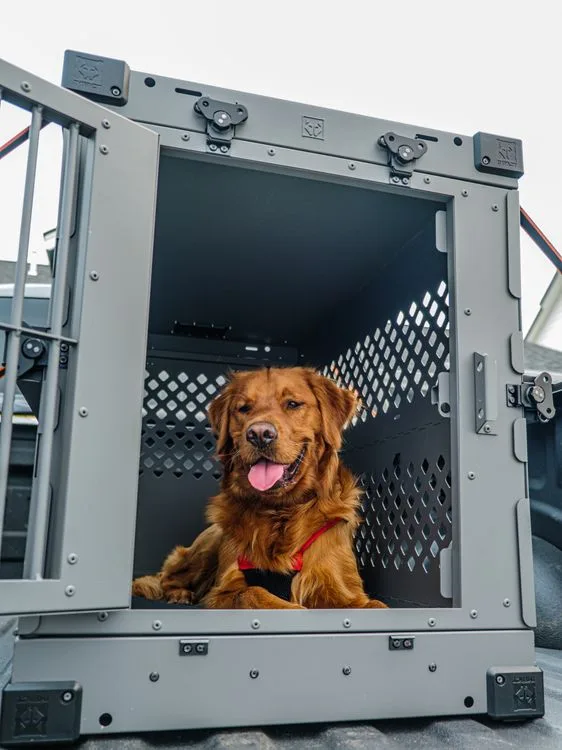
Size: The crate should be just big enough for your puppy to stand, turn around, and lie down. Any bigger and they’ll soil one corner and sleep in the other. Buy an adult-sized crate with a divider panel.
Location: Put the crate where the family spends time, not in an isolated laundry room. A crate in the living room during the day (and your bedroom at night for the first weeks) prevents isolation anxiety.
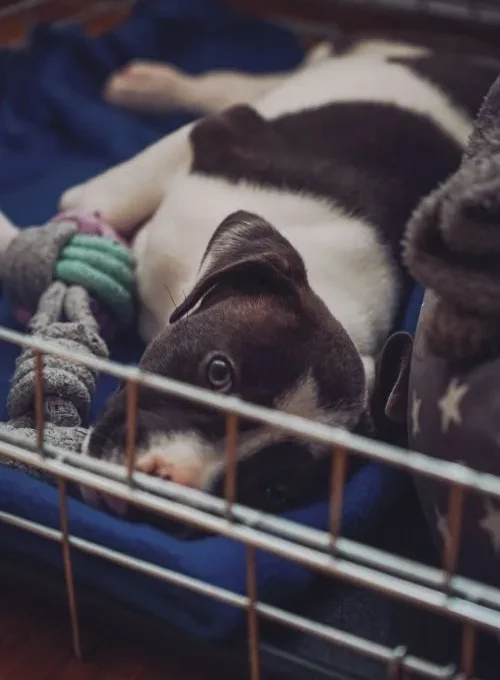
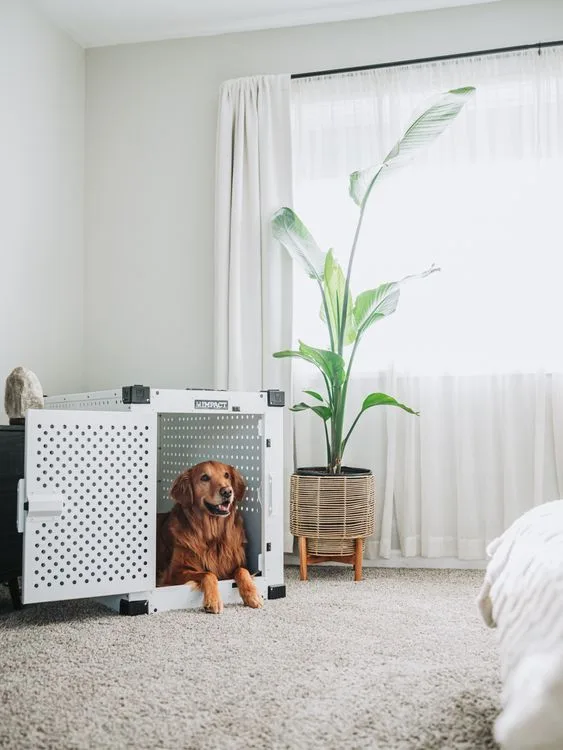
Make it inviting: Soft bedding, a safe chew toy, and a worn t-shirt that smells like you. Cover three sides with a light blanket for a den feel.
Day 1: The Crate Is a Treat Dispenser
Leave the door open. Toss high-value treats just inside the door, then progressively deeper. Don’t lure, don’t push — let your puppy discover that treats appear in the crate. Feed one meal inside with the door open.
Day 2: Meals Move In
Feed both meals in the crate. Play short “crate games”: toss a treat in, say “crate” as they walk in, treat again once inside. Keep sessions to 2–3 minutes.
Day 3: Door Closed for Seconds
While your puppy is eating inside, gently close the door. Open it after 10–30 seconds — before any whining starts. Repeat 5–6 times, gradually stretching to a minute or two. Stay in the room.
Day 4: Short Absences
Close the door with a stuffed Kong. Walk to another room for 1–2 minutes, then return calmly. Stretch to 10 minutes. If whining starts, wait for a pause before opening.
Day 5: Practice Real Departures
Do a pretend departure: keys, shoes, out the door for 5 minutes, back in calmly. Build to 30 minutes. Keep arrivals and departures boring.
Day 6: Extend Daytime Crating
Follow the age rule: one hour per month of age. Crate for 1–2 hours, then straight outside to potty, then play, then back for a nap.
Day 7: Night Routine
Move the crate to your bedroom. Last potty break late, then crate with a chew. Young puppies need one overnight potty break — set an alarm. By now your puppy should trot to the crate on cue.
What a Veterinarian Says
“Dogs should view the crate as a safe retreat, so we recommend always associating it with positive experiences, including treats, praise and toys.” — Dr. Erin Schroeder, veterinarian
Common Mistakes That Ruin Crate Training
Even owners who know how to crate train a puppy in theory stumble on these — using the crate as punishment, crating too long, skipping the gradual build, wrong crate size, and letting them “cry it out” for hours. Struggling with nipping during training sessions too? Read our companion guide on how to stop puppy biting.
Crate Training for Travel and Vet Visits
Once you know how to crate train a puppy at home, the same protocol transfers to travel crates and vet-visit waits. A crate-trained dog handles vet stays, boarding, car travel, and evacuations with far less stress.
Got a new puppy? Training takes time, but vet bills happen overnight. Find out what pet insurance would cost for your breed with our free calculator: https://petsofweb.com/pet-insurance-cost-calculator/
Frequently Asked Questions
Is crate training cruel?
No — when done as described here, most dogs come to treat the crate as their bedroom. Cruelty comes from excessive confinement or punishment use, not from the crate itself.
Should the puppy sleep in the crate at night?
Yes, especially the first weeks — in your bedroom so you hear them stir for potty breaks. It prevents nighttime accidents and builds the den association fastest.
My puppy cries in the crate — what do I do?
First, rule out needs: potty, hunger, overtiredness. If it’s protest, wait for a quiet pause before opening, and go back one step in the plan. Never let a puppy panic-cry for extended periods.
How long can I leave my puppy in the crate during the day?
Follow the one-hour-per-month-of-age rule as a maximum, and less for very young puppies. An 8-week-old puppy needs a midday break no matter what — arrange a dog walker or come home.
Can I crate train an older dog?
Yes. The same gradual plan works — it just may take longer if the dog has no prior positive crate history. Older dogs often take to it quickly once the food association clicks.