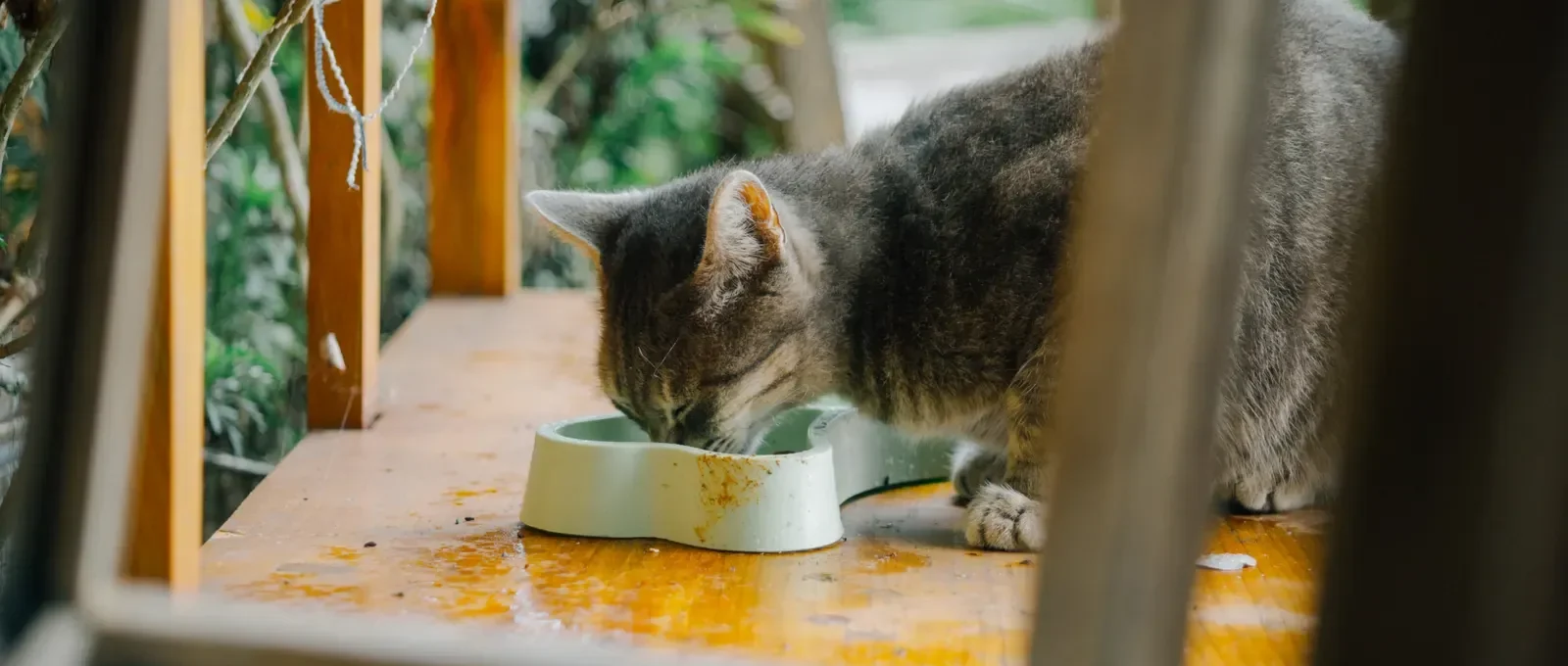

You watch your cat inhale a bowl of kibble and think: I could do better than this. And you might be right — a thoughtfully prepared homemade diet can be excellent for cats. But here’s the catch most well-meaning owners miss: everything you know about homemade dog food does not transfer to cats. A recipe that’s perfectly balanced for a Labrador can slowly harm a cat, because cats play by entirely different nutritional rules. This guide covers which ingredients are genuinely safe, which are dangerous, the one nutrient you can never skip, and how to do this responsibly.
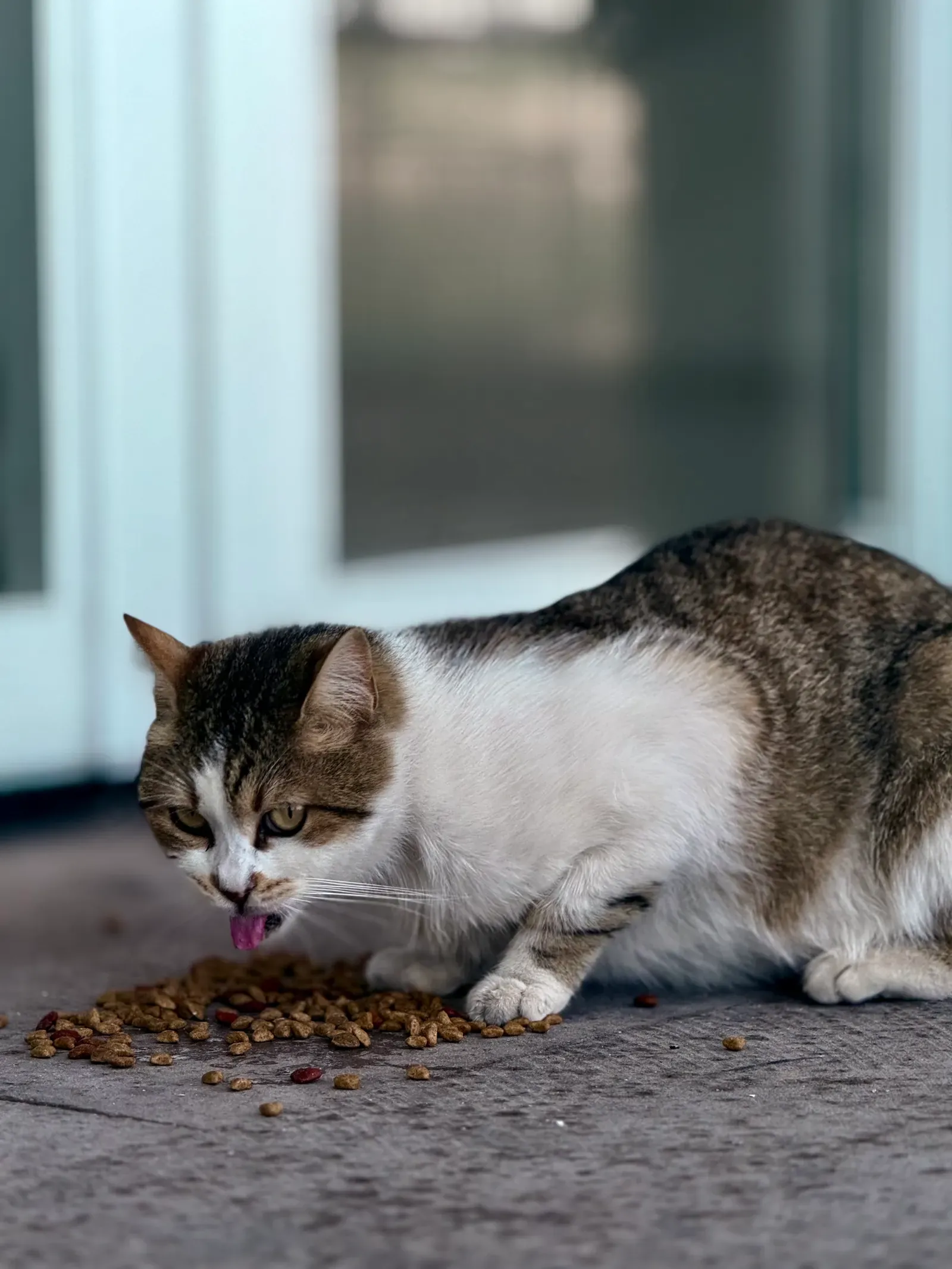
Cats Are NOT Small Dogs
Cats are obligate carnivores — they evolved to get everything they need from animal tissue, and over thousands of years they lost the ability to make certain nutrients themselves. Dogs (and humans) can synthesize these from plant precursors. Cats cannot. Three matter most:
- Taurine: an amino acid critical for heart and eye function. Dogs make enough on their own; cats must eat it.
- Arachidonic acid: an essential fatty acid cats cannot manufacture from plant oils the way dogs can.
- Preformed vitamin A: cats cannot convert beta-carotene (from carrots, sweet potatoes) into vitamin A — it must come from animal sources like liver.
This is why you can’t just scale down a homemade dog food recipe. A diet that’s 80% meat with some rice and veggies might suit a dog, but for a cat it can quietly drift into deficiency over months. Any homemade cat diet has to be built around animal protein first, with the gaps filled deliberately — which brings us to what’s actually safe to put in the bowl.
Safe Ingredients for Homemade Cat Food
Think of these as building blocks, not complete meals on their own. Every homemade diet still needs a feline-specific balancer supplement and, for long-term feeding, a vet’s review (more on both below).
Cooked Chicken & Turkey
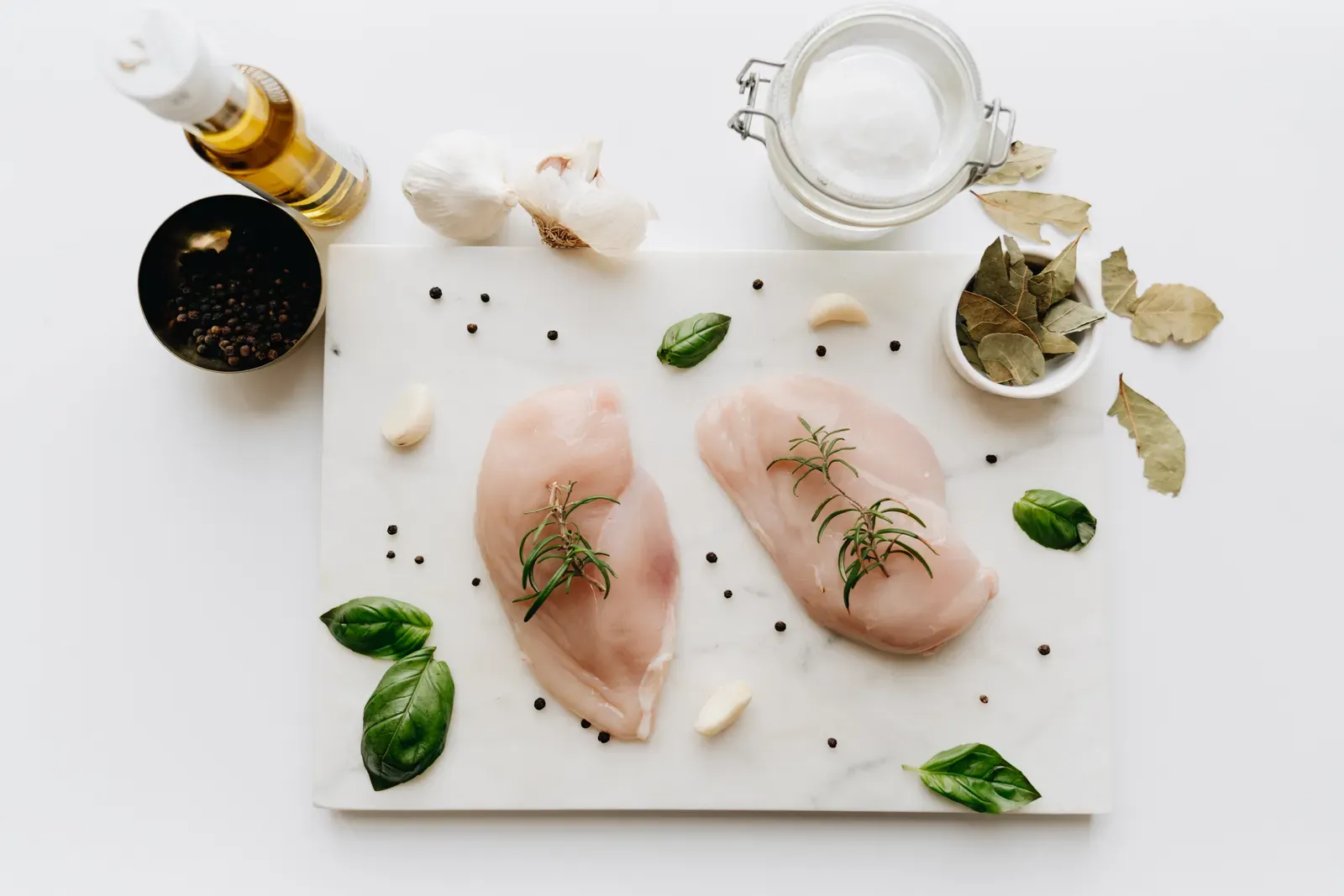
Boneless, skinless, plain-cooked poultry is the backbone of most homemade cat diets: lean, highly digestible, and rich in the animal protein cats require. Boil, bake, or poach it with no seasoning — no onion powder, no garlic salt, no stock cubes (many contain onion). Dark meat contains more taurine than breast meat, so a mix is ideal. Save the cooking liquid and pour it over the food; taurine leaches into water during cooking, and this puts some of it back.
Cooked Eggs
Eggs are a near-perfect protein for cats, plus a good source of B vitamins. Serve them fully cooked — scrambled or hard-boiled, plain. Raw egg whites contain avidin, which blocks biotin absorption, so raw eggs are off the menu. A chopped hard-boiled egg a few times a week makes an excellent topper, not a meal replacement.
Small Amounts of Pumpkin
Plain canned pumpkin (not pumpkin pie filling, which is loaded with sugar and spices) is the rare plant ingredient with a real job in a cat’s diet: gentle fiber. A teaspoon mixed into food can help with mild constipation and hairball passage. It’s a supplement to the meat, not a substitute — think condiment, not ingredient.
Fish in Strict Moderation
Cats love fish, and cooked fish is fine as an occasional treat — never a staple. Two reasons for restraint: raw fish contains thiaminase, an enzyme that destroys thiamine (vitamin B1) and can cause serious neurological problems, so fish must always be cooked; and large predatory fish like tuna and swordfish accumulate mercury, which builds up over time. A little cooked salmon or sardine once or twice a week is plenty. If your cat would happily live on tuna alone, that’s exactly the cat who shouldn’t.
Dangerous for Cats — Never Feed
One more critical difference between species: several foods that are perfectly safe for dogs can harm cats. If you share your home with both, keep our guide to human foods safe for dogs handy for the canine side — and treat everything below as the feline rules.
Onion & Garlic (All Forms)
All members of the onion family — onion, garlic, leeks, chives, shallots — are toxic to cats in every form: raw, cooked, powdered, or dried. They contain compounds that damage red blood cells and can cause a dangerous anemia, and cooking does not make them safe. The real-world trap: seasoned rotisserie chicken, gravy, baby food, and broth often contain onion or garlic powder. If it was seasoned for humans, don’t share it with your cat.
Raw Fish & Raw Meat Risks
Raw diets for cats carry the same bacterial risks as for humans — Salmonella, Lysteria, E. coli — plus parasites, and cats are not magically immune. Raw fish adds the thiaminase problem described above. Freezing reduces (but does not eliminate) parasite risk and does nothing about bacteria. Cooking is the safer choice, full stop. If you’re committed to raw feeding, do it only under the guidance of a veterinary nutritionist — not from internet recipes.
Dog Food
It seems harmless — food is food, right? Wrong. Dog food is formulated for dogs’ nutritional needs, which means taurine levels far below what cats require, plus lower protein and different vitamin balances. An occasional stolen mouthful won’t hurt, but a cat fed dog food as its diet will develop taurine deficiency over time. Keep the bowls separate.
High-Carb Fillers and Dairy
Cats have very little use for carbohydrates — corn, wheat, and rice-heavy meals dilute the animal protein they actually need. And despite the classic image of a cat lapping milk, most adult cats are lactose intolerant; dairy typically means vomiting or diarrhea, not a happy treat. Skip the milk, cheese, and carb-heavy fillers entirely.
Why Taurine Is Non-Negotiable
Taurine deserves its own section because getting it wrong has the worst consequences. Cats use taurine for heart muscle function, vision, digestion, and reproduction — and unlike dogs, they can’t make enough internally, so every day’s food must supply it.
Chronic taurine deficiency causes two devastating, well-documented conditions: dilated cardiomyopathy (the heart muscle weakens and enlarges, and the heart can’t pump effectively) and central retinal degeneration (the retina deteriorates, causing irreversible blindness). Both develop silently over months, and by the time symptoms show, damage may be permanent.
The good news: taurine is abundant in the foods cats should be eating anyway — especially heart muscle and dark poultry meat. The bad news: it’s water-soluble and heat-sensitive, so heavy boiling and discarding the liquid throws much of it away. Practical rules: favor dark meat and heart, reuse cooking liquids, and — for any diet fed longer than a few weeks — add a feline taurine supplement or a complete feline balancer at the label dose. “My cat seems fine” is not a taurine test; deficiency is invisible until it isn’t.
A Sample Balanced Day
This is an example to show proportions — not a complete recipe. For an average 10-lb adult indoor cat (roughly 200–250 calories/day), a day might look like:
- Breakfast: 2 oz cooked chicken thigh (diced) + 1 tsp plain pumpkin + feline balancer supplement at label dose, moistened with cooking liquid
- Dinner: 1.5 oz cooked turkey heart (taurine-rich) + 1 tbsp cooked egg, chopped, + balancer supplement
- Optional treat: 1 oz cooked sardine (once or twice a week, not daily)
Notice what’s doing the heavy lifting: the feline balancer supplement. Meat alone — even good meat — doesn’t reliably cover calcium, trace minerals, and vitamins in the right ratios once you cook and portion it. A supplement formulated for homemade cat diets (not a dog balancer, not a human multivitamin) closes those gaps. And “example” means exactly that: before feeding anything like this long-term, get it reviewed (next section).
Work With Your Vet
Here’s the honest bottom line: most homemade cat diets found online are nutritionally incomplete. Studies of published recipes repeatedly find deficiencies in multiple nutrients. That doesn’t mean homemade is bad — it means homemade needs professional input.
- Get any long-term recipe reviewed by your veterinarian, ideally one with nutrition training or a board-certified veterinary nutritionist (ACVN diplomate). Bring the exact ingredients and amounts.
- Transition gradually over 7–10 days, mixing increasing amounts of the new food into the old. Abrupt switches cause GI upset and food refusal — and a cat that won’t eat the new diet isn’t getting its nutrients.
- Monitor the cat, not just the recipe: stable weight, good energy, a glossy coat, and firm stools are your ongoing report card. Annual bloodwork catches what eyes can’t.
- Kittens, pregnant cats, and cats with kidney, liver, or heart disease have stricter requirements — homemade diets for them should be professionally formulated from the start, not adapted from a general recipe.
For deeper background on feline nutrition science, Cornell University College of Veterinary Medicine (vet.cornell.edu) publishes excellent owner-facing nutrition resources.
Frequently Asked Questions
Can I feed my cat homemade food every day?
Yes — but only a recipe that’s been checked for completeness, with a feline balancer supplement, and ideally reviewed by your vet. An unbalanced homemade diet fed daily will cause deficiencies over months. “Homemade” is a preparation method, not a guarantee of nutrition.
Is raw cat food better than cooked?
There’s no solid evidence it’s nutritionally superior, and it carries real bacterial and parasite risks — for your cat and for your household. Cooking eliminates those risks while preserving the nutrients cats need, provided you reuse cooking liquids and supplement taurine. Cooked is the safer default.
Can my cat eat tuna every day?
No. Beyond the mercury concern, straight tuna is nutritionally incomplete (no calcium, wrong fat balance, taurine losses in canning liquid that’s discarded) and can become addictive — “tuna junkie” cats refuse balanced food. Keep tuna as an occasional treat.
Do I really need to add supplements?
For any homemade diet fed longer than a couple of weeks: yes. Meat, eggs, and pumpkin don’t supply calcium, iodine, vitamin E, and several trace nutrients in the right amounts and ratios. A feline-specific balancer formulated for homemade diets is the simplest fix — follow the label dose for your cat’s weight.
Can kittens eat homemade food?
Growth is the most nutritionally demanding life stage, and the margin for error is smallest — deficiencies during growth can cause permanent skeletal and developmental problems. If you want to home-cook for a kitten, have the recipe professionally formulated rather than adapting an adult recipe. Your vet can refer you to a nutritionist.
How do I switch my cat from kibble to homemade food?
Slowly — over 7 to 10 days. Start with about 25% new food mixed into the old, increasing every couple of days. Warm the homemade portion slightly to release aroma (cats eat with their noses first). If your cat refuses, back up a step rather than pushing forward; a hunger strike in cats can trigger liver problems, so never let a cat go more than 24 hours without eating — consult your vet if the transition stalls.
Educational disclaimer: This article is for informational purposes only and is not veterinary or nutritional advice. Homemade diets can be nutritionally incomplete — have any long-term recipe reviewed by your veterinarian or a board-certified veterinary nutritionist. If your cat shows signs of illness, consult your vet promptly.
Enjoyed this guide? Join the Petsofweb newsletter for one practical pet-care tip every week — nutrition guides, symptom checklists, and vet-visit prep, with no spam. Sign up free on petsofweb.com/ and feed them with confidence.



Leave a Comment