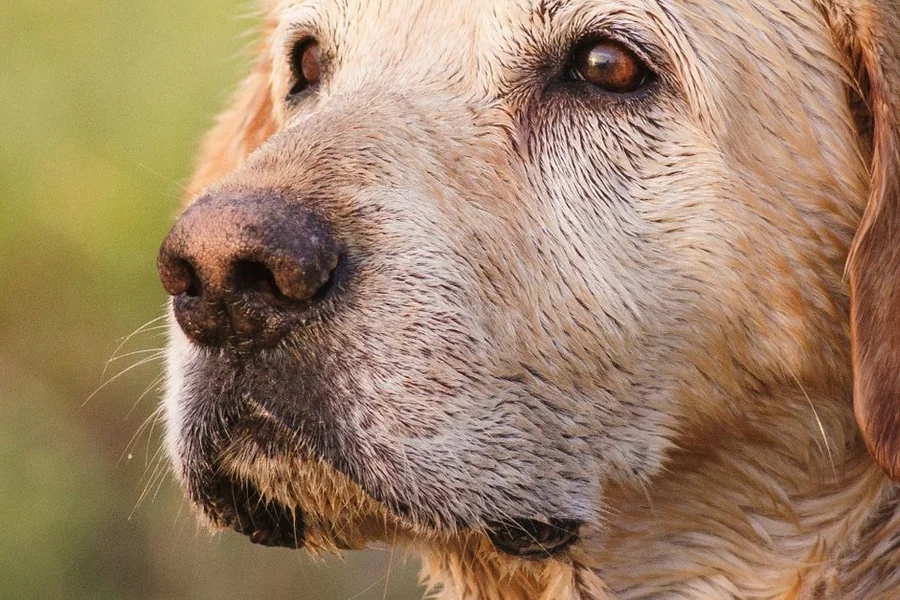

Your dog’s muzzle is going grey, vet visits are getting more frequent, and the bills are getting bigger. Is it too late to get pet insurance for a senior dog — and even if you can, is pet insurance for senior dogs actually worth the money?
The honest answer: it depends on your dog’s age, health history, and what you need the policy to do. Senior dogs are the most expensive to insure and the hardest to get full coverage for. This guide covers age limits, why premiums climb, how pre-existing conditions affect older dogs, and when coverage still makes financial sense.
Educational only — not financial or insurance advice. Premiums, age limits, exclusions, and coverage terms vary by insurer, plan, and state. Always read your own policy documents carefully before enrolling.
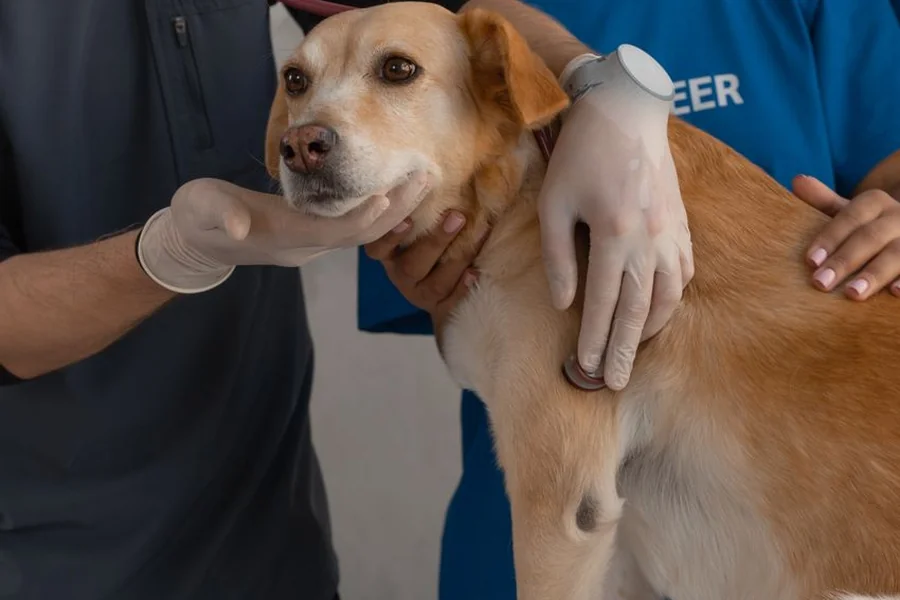
Can You Get Pet Insurance for a Senior Dog?
In most cases, yes — with important caveats. Most insurers will enroll dogs at any age, including seniors. There is no universal cutoff where a dog becomes “too old.” However, “can you enroll” and “is it a good deal” are very different questions.
A few things to know: some insurers cap new enrollments around age 14, though most accept dogs of all ages. If your dog has been insured since youth with no lapse, insurers generally renew regardless of age — the age question mostly affects owners shopping for a new policy. “Senior” pricing typically kicks in around age 7 or 8 (as early as 5 or 6 for giant breeds). Your 8-year-old Labrador is already priced as a senior. The bottom line: age alone rarely disqualifies a dog, but it changes the math dramatically.
Why Pet Insurance Costs More for Senior Dogs
Pet insurance pricing is risk-based, and older dogs are simply riskier to insure. Here’s why premiums climb as dogs age:
Vet costs rise with age. Senior dogs develop arthritis, dental disease, organ issues, and tumors requiring ongoing treatment. Insurers price this expected cost into premiums — a policy for a 10-year-old often costs double or more versus the same coverage for a 2-year-old of the same breed, though exact multiples vary by breed, location, and insurer.
Breed and size amplify the effect. Large and giant breeds age faster and develop costly orthopedic and cardiac conditions earlier. Insuring a 9-year-old Great Dane costs substantially more than a 9-year-old Chihuahua, because expected claims are higher.
Premiums keep rising each year. Pet insurance premiums typically increase annually as your dog ages — even if you never file a claim. Budget for a policy that gets more expensive every renewal. Choosing a higher deductible or lower reimbursement percentage reduces your premium at any age, but the age-based surcharge applies on top. For a full breakdown of how premiums, deductibles, and reimbursement rates interact, see our complete guide to pet insurance costs in 2026.
The key takeaway: expect senior premiums to be the highest you’ll ever pay. Whether that price is worth it depends on what the policy actually covers — which brings us to the biggest obstacle for older dogs.

Pre-Existing Conditions Hit Senior Dogs Hardest
This is the single biggest reason pet insurance for senior dogs often disappoints: pre-existing conditions are excluded from coverage, and senior dogs are far more likely to have them.
A pre-existing condition is any illness, injury, or symptom that existed — or showed signs — before your policy’s coverage began (including during the waiting period). For a puppy enrolled at 8 weeks with a blank medical history, this exclusion barely matters. For a 10-year-old dog with years of vet records, it can hollow out the policy.
Common scenarios for senior dogs:
- Arthritis diagnosed at age 8? Excluded — future arthritis treatment won’t be covered.
- A heart murmur noted at a checkup last year? Excluded, along with related cardiac care.
- Recurring ear infections? Often excluded as a chronic pre-existing condition.
- A lump that was monitored but never biopsied? If it later turns malignant, the insurer may still classify it as pre-existing based on when it was first noted.
This doesn’t mean a senior dog’s policy covers nothing — genuinely new conditions after enrollment are still covered. But the conditions most likely to generate big bills for an older dog are often the ones already in the medical record. Before enrolling, request your dog’s complete vet records and read the policy’s pre-existing condition definitions carefully. For more detail, read our guide on whether pet insurance covers pre-existing conditions.
Some insurers distinguish curable pre-existing conditions (a resolved ear infection) from incurable ones (diabetes, arthritis), restoring coverage for curable conditions after a symptom-free period — commonly 6 to 12 months. But chronic age-related conditions, the main cost drivers for seniors, are almost always classified as incurable.
Is Pet Insurance Worth It for a Senior Dog?
This is the real question, so let’s break it down by scenario.
When it can be worth it:
- Your senior dog is unusually healthy. A 9-year-old with a clean medical record and no chronic diagnoses is the best-case senior applicant. The policy will actually cover the new problems most likely to appear — which, at this age, can still be expensive surprises like a cruciate tear or an emergency surgery.
- You want protection against catastrophic bills. Even a policy with exclusions can pay for itself with one major covered event. Emergency surgery for bloat, a foreign-body obstruction, or an accident can cost thousands — a single covered claim can exceed years of premiums.
- Your breed is prone to expensive late-onset conditions. If you own a breed with known costly health risks that haven’t manifested yet, insurance hedges against those specific bills.
- You couldn’t afford a surprise $3,000–$5,000 bill. Insurance is fundamentally about smoothing unpredictable costs. If a sudden large vet bill would force a terrible financial decision, the premium buys peace of mind that has real value.
When it’s probably not worth it:
- Your dog already has multiple chronic conditions. If arthritis, heart disease, and kidney issues are all documented, the policy excludes the treatments you’re most likely to need. You’d be paying senior-level premiums for narrow coverage.
- The premium approaches the cost of expected care. Get a quote, then estimate your dog’s likely annual vet costs. If the annual premium plus deductible is close to what you’d spend anyway, self-insuring (setting aside the premium amount in savings) may be the better move.
- Your dog is very old with a short life expectancy. For a 15-year-old dog, the window for a covered claim to pay off is small. Run the numbers rather than deciding on emotion.
The age 8 vs. age 10+ distinction matters. At 8, many dogs still have years of active life ahead and a reasonable chance of a clean-enough record for meaningful coverage. At 12+, premiums peak, exclusions widen, and the policy’s expected value shrinks. There’s no magic cutoff, but the value proposition weakens steadily with each year.
Accident-Only Insurance: The Budget Fallback for Senior Dogs
If comprehensive coverage for your senior dog is too expensive — or the exclusions make it nearly useless — consider accident-only pet insurance as a fallback.
Accident-only policies cover injuries from sudden events: broken bones, bite wounds, car accidents, swallowed objects, lacerations. They typically exclude all illness coverage, which is precisely what makes them affordable: premiums are often a fraction of comprehensive plans, sometimes dramatically so.
Why this works well for seniors specifically:
- Accidents don’t care about pre-existing conditions. A 12-year-old’s arthritis doesn’t disqualify a broken leg from a fall. Accident coverage sidesteps the exclusion problem gutting comprehensive policies for older dogs.
- No age-based illness risk to price in. Since illness isn’t covered, insurers don’t load the premium for cancer or organ disease risk.
- Senior dogs still have accidents. Older dogs slip on stairs, get bitten at the park, and eat things they shouldn’t. The risk never goes to zero.
The trade-off is real: if your senior dog develops cancer or kidney disease, an accident-only policy pays nothing. But as a safety net against sudden, shocking bills — the $4,000 emergency surgery at 2 a.m. — it’s far better than nothing, at a price most budgets can absorb.

How to Get the Best Value on Senior Dog Insurance
If you decide to insure your senior dog, these steps will help you get the most from the policy:
- Get quotes from multiple insurers. Senior pricing varies enormously — one insurer’s quote for a 10-year-old can be double another’s.
- Enroll before the next diagnosis. Every vet visit risks adding a new pre-existing condition to the record.
- Know the waiting periods. A condition appearing during the waiting periods becomes pre-existing — know exactly when each coverage type kicks in.
- Consider a higher deductible. A $500–$1,000 annual deductible (instead of $250) can meaningfully cut the monthly premium. You’re insuring against big bills, not routine visits.
- Read the exclusions list twice. Bilateral condition exclusions, breed-specific exclusions, and dental exclusions hit seniors disproportionately.
- Keep vet records organized. When it’s time to file a claim, complete dated records speed approval and help dispute incorrect pre-existing determinations.
What is the age limit for pet insurance?
Most insurers have no strict upper age limit for new enrollments, though a few cap new policies around age 14. Premiums rise steeply with age, and pre-existing condition exclusions widen — so while you usually can enroll a senior dog, the value depends on their health history.
How much does pet insurance cost for a senior dog?
It varies widely by breed, location, and insurer, but expect to pay roughly double or more compared to the same coverage for a young adult dog. Large breeds cost more than small ones at every age, and the gap widens for seniors. Always get multiple quotes.
Does pet insurance cover pre-existing conditions in older dogs?
Generally no. Conditions diagnosed or showing symptoms before coverage began are excluded. Some insurers restore coverage for curable pre-existing conditions after a symptom-free period (commonly 6–12 months), but chronic conditions like arthritis are typically excluded permanently.
Is accident-only insurance enough for a senior dog?
It depends on your goal. Accident-only plans are much cheaper and sidestep the pre-existing condition problem, making them a solid catastrophic safety net. But they won’t help with illness — cancer, organ disease, or chronic conditions — the most common big expenses for seniors.
Should I just save money instead of insuring my senior dog?
Self-insuring (setting aside the premium amount monthly) can make sense if your dog has extensive pre-existing conditions or quotes are extremely high. The risk is a large bill arriving before savings build up. Compare the annual premium plus deductible against realistic expected vet costs before deciding.
Pet insurance for senior dogs isn’t the slam dunk it is for puppies — premiums are higher, exclusions wider, and the math needs real scrutiny. But “harder to insure” isn’t “not worth insuring.” A healthy 9-year-old with a clean record, a breed prone to expensive surprises, or an owner who needs catastrophic protection can still come out ahead. Get multiple quotes, read the exclusions honestly, consider accident-only as a fallback, and decide on your dog’s actual health picture.
This article is for educational purposes only and is not financial or insurance advice. Premiums, age limits, waiting periods, exclusions, deductibles, and reimbursement terms vary by insurer, plan, and state — always read your policy documents and consult a licensed professional before making insurance decisions.