
Introduction
If you’re wondering how to leash train a puppy, start here: pulling on the leash is not defiance, dominance, or a “stubborn breed” problem. It’s physics and reinforcement. Your puppy pulls toward something interesting, the leash tightens, and they still get there — so pulling works. Every walk where pulling gets your puppy where they want to go is a training session that teaches them to pull harder.
The fix is to reverse the economics: pulling stops forward motion, and walking near you starts it. This 5-step protocol builds a loose-leash walk from the living room outward, with no yanking, no choke chains, and no prong collars. Most puppies show real improvement within 2–3 weeks of consistent 10-minute sessions.
Step 0: Fit the Gear Before You Train
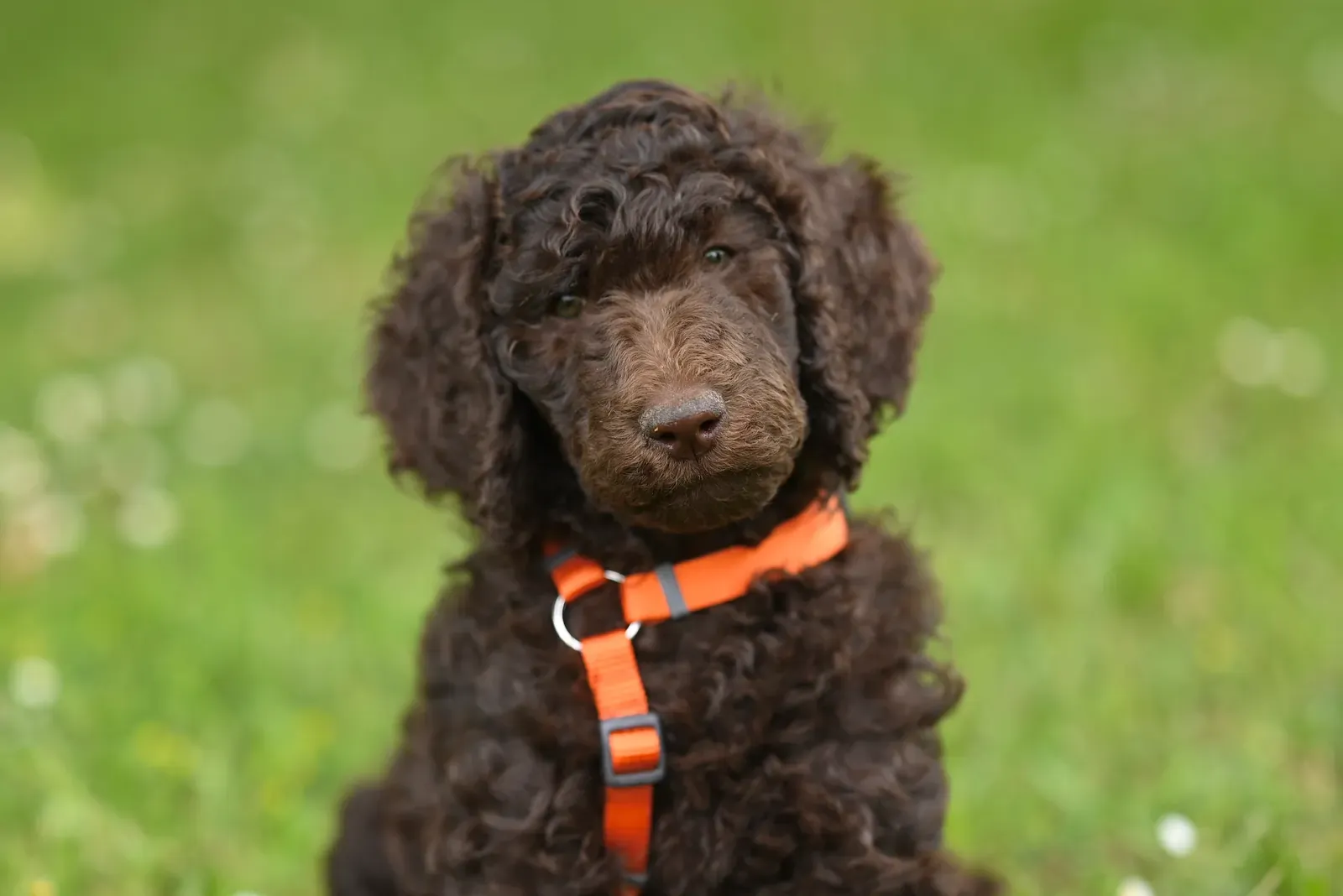
Training can’t overcome painful or sloppy equipment. Before your first session:
Collar or harness fit: You should fit two fingers flat between the collar and your puppy’s neck — snug enough that it can’t slip over the ears, loose enough not to press on the throat. For harnesses, check that the chest strap doesn’t chafe behind the front legs; that’s the most common harness rub spot on puppies.
Leash: Use a standard 6-foot flat leash. Retractable leashes actively teach pulling (the puppy learns that tension extends the line), so retire it for training walks.
Front-clip harness for strong pullers: If your puppy is already a dedicated puller, a front-clip harness (where the leash attaches at the chest) turns pulling into a gentle turn back toward you instead of a sled-dog surge. See our dog gear guide’s no-pull-harness section for what to look for. This is a management tool, not a training substitute — you still need the steps below.
How to Leash Train a Puppy: Step 1 — Start Indoors
Forget the sidewalk for now. Clip the leash on inside your home, where distractions are near zero and your puppy can actually think.
Let the leash drag (supervised) for a few minutes so the puppy stops noticing it. Then pick up the handle and simply reward your puppy for being near your left side: every few seconds they’re in the “reward zone” (roughly alongside your leg), mark with “yes” and deliver a treat. Don’t ask for a formal heel — you’re paying for proximity, not precision.
Benchmark to pass this phase: your puppy chooses to stay within 3 feet of you for 60 seconds indoors with the leash loose, earning at least 8 treats. When that’s easy, you’re ready for step 2.
Step 2: Reward the Position, Not Just the Absence of Pulling
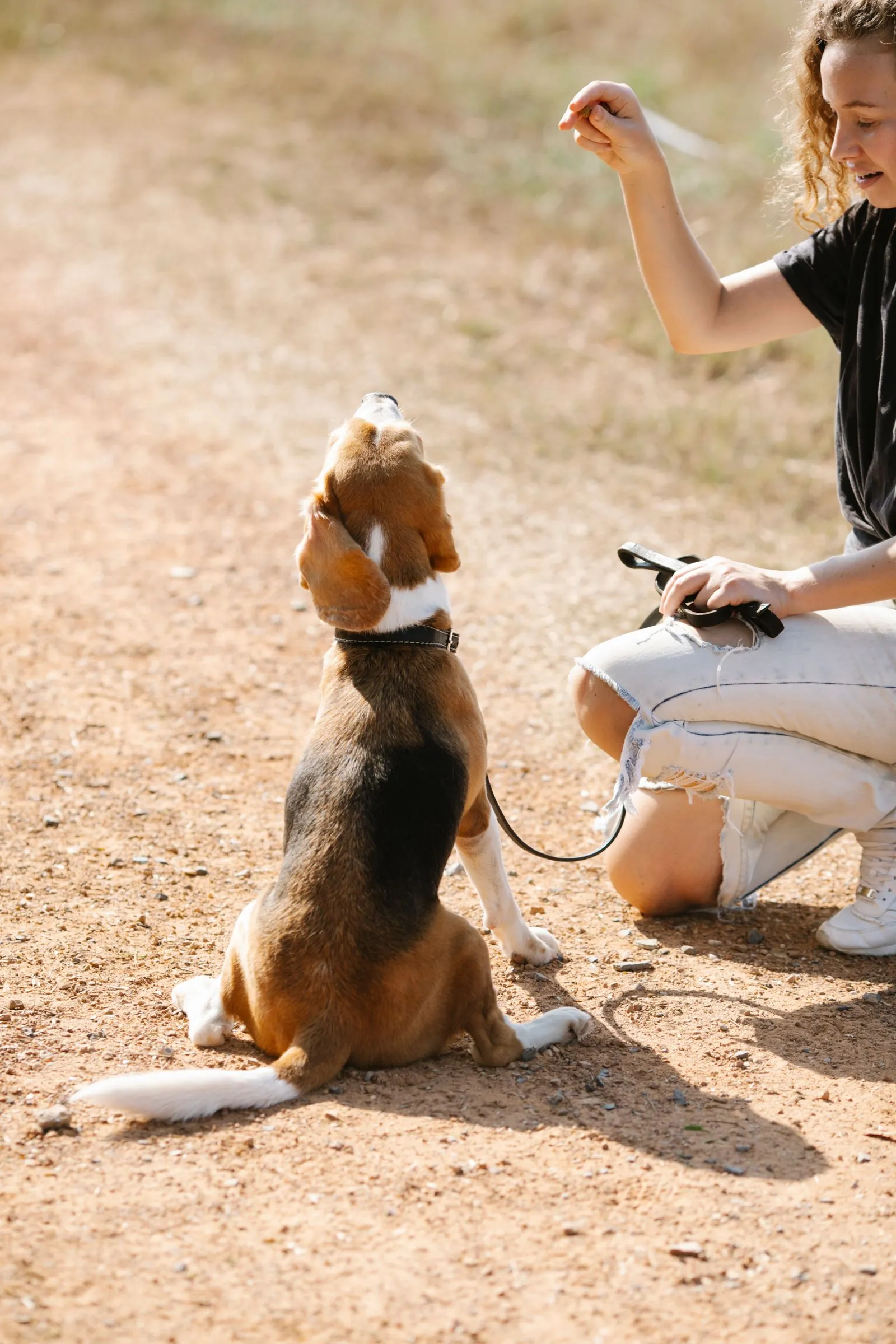
Most owners only react when the puppy pulls. Flip it: be a treat dispenser when the leash is loose. The rule your puppy needs to learn is “loose leash = good things happen near my human.”
Walk slowly around your home or yard. The instant your puppy glances at you, checks in, or falls into step beside you — “yes” and treat. You’re building a default behavior: staying close pays better than surging ahead.
If your puppy mouths the leash (extremely common), don’t make it a battle — redirect to a toy or let the leash go slack and boring. Leash-biting is usually overtiredness or frustration; our puppy-biting guide covers the underlying impulse control.
Benchmark: 2 minutes of indoor/yard walking with the leash forming a visible “J” curve (slack) at least 80% of the time.
Step 3: The Stop-and-Go Protocol for Pulling
This is the core of how to leash train a puppy once you’re outside. The rule is absolute and simple:
- Leash loose → we move forward.
- Leash tight → we stop dead.
When your puppy hits the end of the leash, plant your feet. Don’t yank back, don’t reel them in — just become a tree. Wait. The instant there’s any slack (even a half-step back toward you), mark “yes,” treat, and move forward again.
The first session is humbling: you may cover 20 feet in 10 minutes. That’s normal. Your puppy is running an experiment (“does pulling still work?”) and you’re giving a consistent answer (“no”). Most puppies crack the code within 3–5 sessions because the contingency is so clear.
Two refinements that speed this up:
- Change direction instead of just stopping, 2–3 times per walk. When the puppy surges ahead, cheerfully turn and walk the other way. This teaches them to watch you, not just the horizon.
- Reward check-ins heavily. A puppy who voluntarily looks at you mid-walk is doing the hardest part — pay triple for that.
Benchmark: a 5-minute walk where you stop fewer than 5 times for pulling.
Step 4: Add Duration Before Distance
Once stop-and-go is working on a quiet street, stretch the reward intervals. Instead of treating every few steps, treat every 10 steps, then every half-block. You’re building duration of loose-leash walking, the same way you’d build a stay.
Keep sessions to 10–15 minutes for young puppies. An overtired puppy can’t learn — and overtired puppies pull, mouth, and melt down more across every behavior, not just leash manners. Two short sessions beat one long, frustrating one.
Step 5: Proof It in the Real World
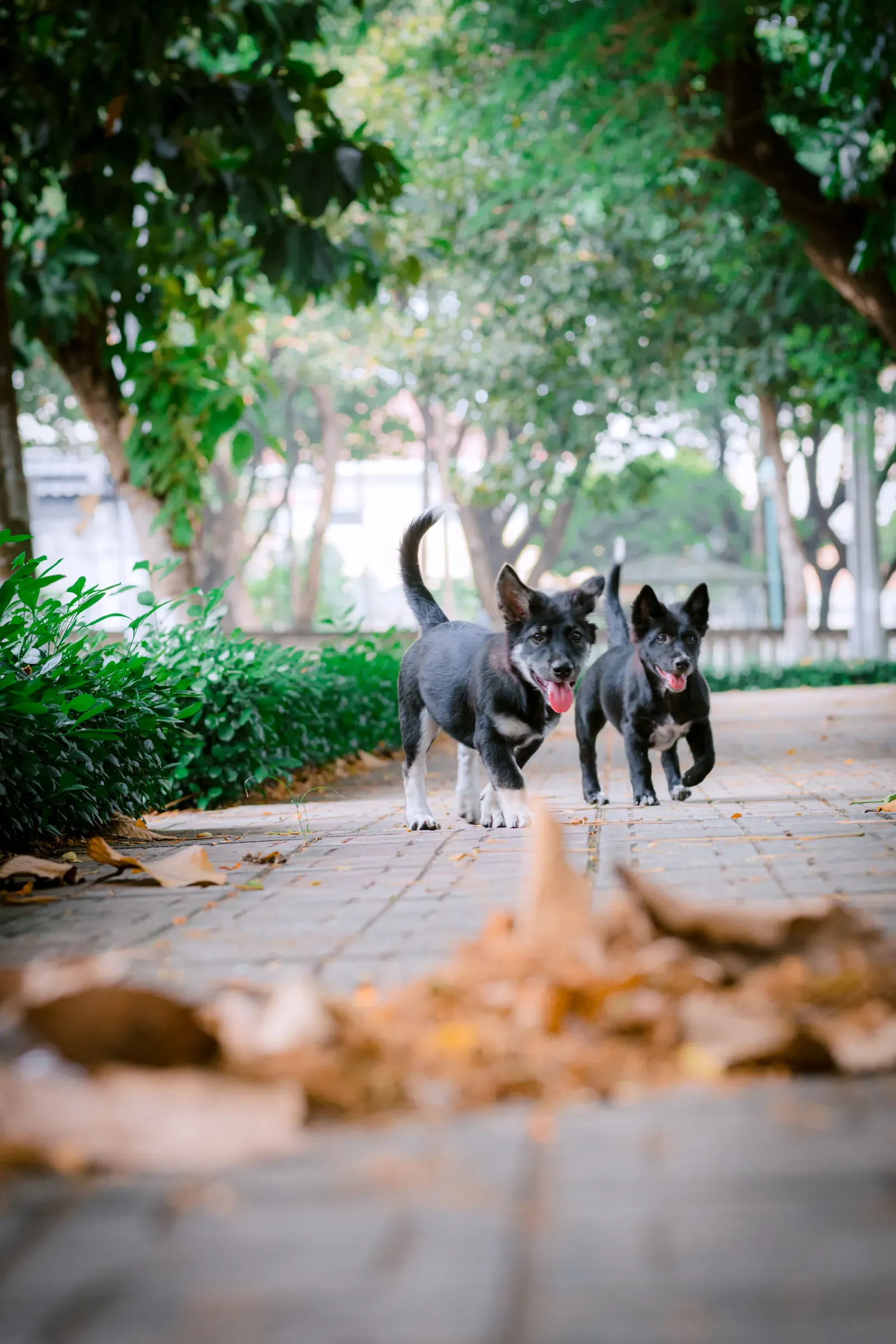
New environments reset training — a puppy who walks beautifully on your street may pull like a freight train at the park. That’s not regression; each new location is a new classroom.
Proof gradually: quiet street → busier sidewalk → park edge → park interior. At each new level, temporarily go back to rapid-fire treating (step 2 rates) until the puppy shows they remember the game, then stretch intervals again.
Final benchmark: a 15-minute walk in a moderately distracting environment with fewer than 3 pulling stops and a mostly slack leash. When you hit that, you have a leash-trained puppy — maintenance is just occasional treats for good walking for the next few months.
The Loose-Leash Benchmark Ladder (Original Protocol)
Use this to know exactly when to advance — no guessing:
| Phase | Pass criteria | If failing, do this |
|---|---|---|
| Indoors | 60 sec within 3 ft, 8+ treats earned | Shorter sessions, higher-value treats |
| Yard/quiet | 2 min with slack leash 80% of time | Back indoors for 2 sessions |
| Quiet street | 5-min walk, <5 pulling stops | More direction changes |
| Busy sidewalk | 10-min walk, <5 pulling stops | Drop back to quiet street |
| Park | 15-min walk, <3 pulling stops | Work the park edge first |
Advance only when the current phase passes twice in a row. Rushing phases is the #1 reason leash training stalls.
Common Mistakes When Learning How to Leash Train a Puppy
Everyone researching how to leash train a puppy should avoid these —
Using a retractable leash for training. It teaches the exact opposite of what you want: tension makes the line longer. Use a fixed 6-foot leash until the behavior is solid.
Yanking or “correcting” the pull. A leash pop might stop the surge for a second, but it doesn’t teach the puppy what to do instead — and it poisons the walk with stress. The stop-and-go method teaches the alternative (slack = forward).
Training when the puppy is bursting with energy. A puppy who’s been crated all day and hasn’t pottied cannot learn leash manners. Potty first, a minute of play, then train. Settle them first if needed — a calm puppy learns ten times faster.
Inconsistency between walkers. If one person does stop-and-go and another just gets dragged along, the puppy learns pulling works “sometimes” — and intermittent reinforcement is the hardest kind to extinguish. Everyone follows the same rule.
Skipping the boring phases. Jumping straight to busy sidewalks skips the foundation. The ladder exists because each phase builds the skill the next one needs.
FAQ
At what age should I start leash training a puppy?
The day the leash comes home — usually around 8 weeks. Early sessions are just indoor leash-dragging and treat parties near your leg. Formal outdoor work starts after your vet clears walks (usually after the second vaccination round).
Is a harness or collar better for leash training?
Either works if fitted well. A front-clip harness gives you a mechanical advantage with strong pullers and avoids throat pressure; a flat collar is fine for light pullers. Avoid choke chains, prong collars, and slip leads on puppies — they suppress pulling through pain without teaching anything.
My puppy just sits down and won’t walk. What do I do?
Don’t drag. Crouch down, use an excited voice and a treat lure to coax a few steps, then reward. Often it’s fear of the new environment — shorten the walk, stay close to home, and build distance over days.
How long does it take to leash train a puppy?
Most puppies show clear improvement in 2–3 weeks of daily 10-minute sessions, and walk reliably within 6–8 weeks. Adolescence (6–14 months) often brings a regression — that’s normal, just revisit the ladder.
Should I use treats forever on walks?
No. Once the behavior is reliable, fade to intermittent rewards: treat every few walks, then occasionally. But keep paying check-ins for life — a dog who looks at you voluntarily is a dog you can handle anywhere.
Got a new puppy? Training takes time, but vet bills happen overnight. Find out what pet insurance would cost for your breed with our free calculator: https://petsofweb.com/pet-insurance-cost-calculator/